
How I Judge a Zip Code in 20 Minutes
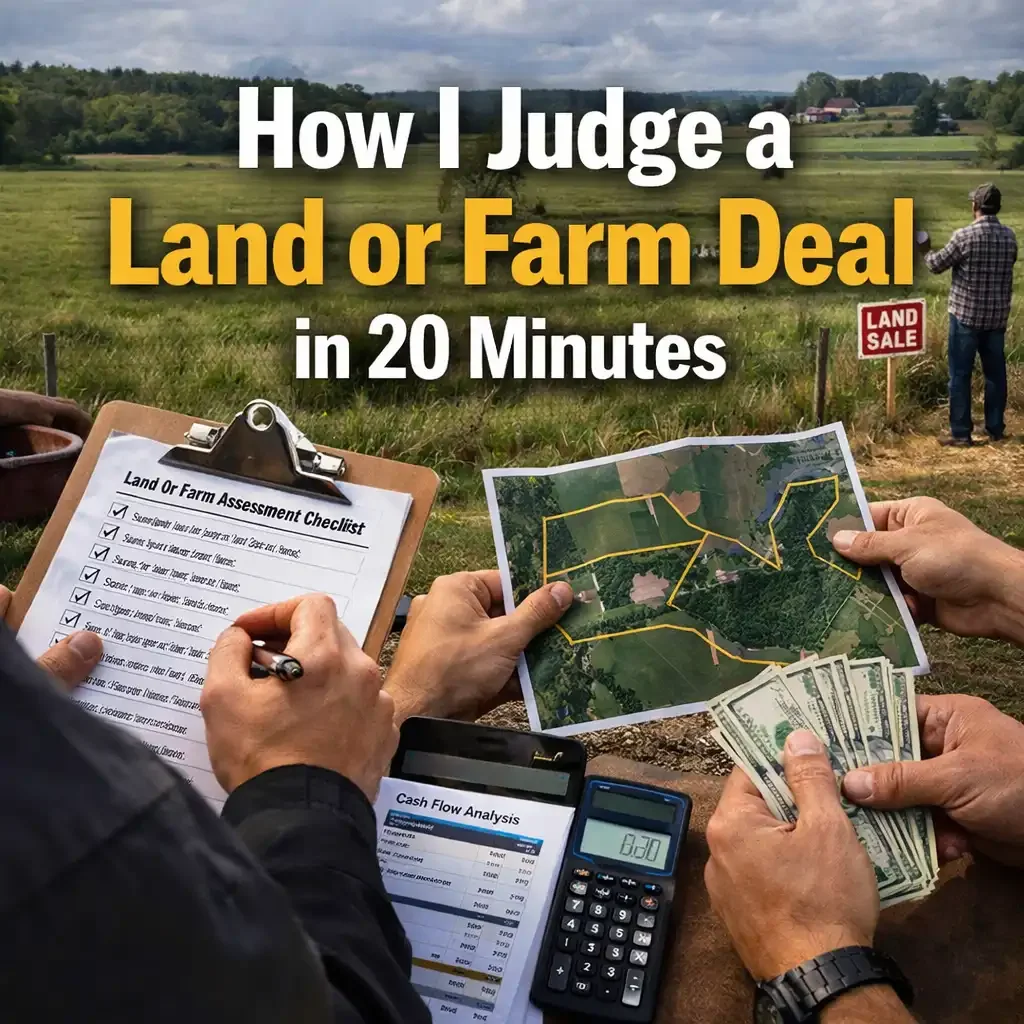
(Before I Waste a Weekend Drive)
Land shopping should feel exciting - not like gambling with your weekends. I started using a simple deep-dive method that tells me, in 20 minutes, whether a zip is worth a serious look. If it passes, then I start looking at individual parcels.
The 20-minute method (with a timer)
Minute 0-2: The “Why am I even looking here?” test
Write your non-negotiables in one line:
“I want comfortable living most of the year”
“I want enough water to grow food trees”
“I want access that won’t destroy my car”
“I don’t want extreme wildfire/insurance nightmares”
“I don’t want to be 90 minutes from basic supplies”
If the zip can’t support the top 2-3 goals, stop. Don’t negotiate with yourself.
Minute 2-7: Climate reality (ignore averages, hunt extremes)
You’re looking for: winter lows + summer spikes + wind.
Quick checks:
Typical winter minimums (can your trees survive? will blooms get nuked?)
Typical summer peaks (not “pleasant highs,” but the ugly days)
Elevation (two zips can look “nearby” and live totally different lives)
Wind (wind can ruin gardening faster than cold)
Green flags
Winter lows you can work with (even if you need frost strategy)
Summer peaks that don’t look brutal for weeks on end
Elevation that matches your “not crazy hot / not crazy cold” goal
Red flags
“It’s fine most days” but extreme spikes are frequent
High wind zones with no natural breaks (trees hate it, you hate it)
Minute 7-12: Water reality (the deal-maker)
This is where dreams go to die - so check it early.
What you’re trying to learn
Do people rely on wells, hauling, community water, or irrigation?
Any big “water scarcity” signals that make orchards unrealistic without serious money?
Quick signals
Listings that casually say “water available” with no details = warning
If everyone mentions hauling or storage tanks, assume you’ll be doing it too
If well depth is commonly very deep and expensive in the region, budget pain
Green flags
Reliable water source patterns in the area (not just one lucky parcel)
Normal well depths (for that region) and workable quality reports
Red flags
Water is the #1 complaint in local talk
“Seasonal” sources being marketed like permanent water
Anything that smells like “maybe we can drill” with no context
Minute 12-16: Land constraints (the invisible “nope” list)
This is where you find out what the photos aren’t showing.
Check for
Slope / terrain: flat-ish is easier, steep gets expensive fast
Flooding / drainage: low spots look cheap for a reason
Soil type (you don’t need perfection, but you need “workable”)
Access: is it reachable in bad weather? who maintains the road?
Green flags
Parcels that sit on usable terrain (even if not perfect)
Roads that are maintained and not “adventure-only”
Red flags
“No legal access” / “easement not recorded”
Properties that require major grading just to exist
Minute 16-18: Risk & insurance reality (don’t skip this)
You’re not trying to be paranoid. You’re trying to be honest.
Check for
Fire risk zones and whether insurers are pulling back
Patterns of evacuations / heavy smoke seasons
Any “this is normal here” hazards you personally can’t accept
Green flags
Risk exists but feels manageable with defensible space and smart building
Red flags
“Good luck getting insurance” vibes from locals
Constant closures/smoke that would make you miserable
Minute 18-20: Lifestyle math (the human part)
Now ask:
How far to groceries, hardware, feed store, urgent care
Do you have internet reality (if that matters for you)
Is this a place you’ll actually enjoy - or just tolerate?
If you’re already making excuses at minute 20, that zip failed.
My simple Zip Scorecard (copy/paste)
Use a 0-2 score for each (0 = no, 1 = maybe, 2 = yes).
ZIP: ________ | Date: ________
Climate comfort (extremes): 0 / 1 / 2
Winter lows (trees): 0 / 1 / 2
Water reality (reliable): 0 / 1 / 2
Terrain usability: 0 / 1 / 2
Access (roads/legal): 0 / 1 / 2
Fire/insurance risk: 0 / 1 / 2
Distance to essentials: 0 / 1 / 2
“Could I live here?” gut check: 0 / 1 / 2
Total (out of 16): ____
13-16: worth driving
9-12: only if the parcel is special
0-8: don’t waste a weekend
The “Stop Immediately” list (saves your time)
I bail early when I see:
unclear water + no realistic plan
no legal access
extreme fire/insurance issues
the area relies on hauling water but I’m planning an orchard
“remote” means “hard to reach,” not “peaceful”