
Zucchini: Fordhook
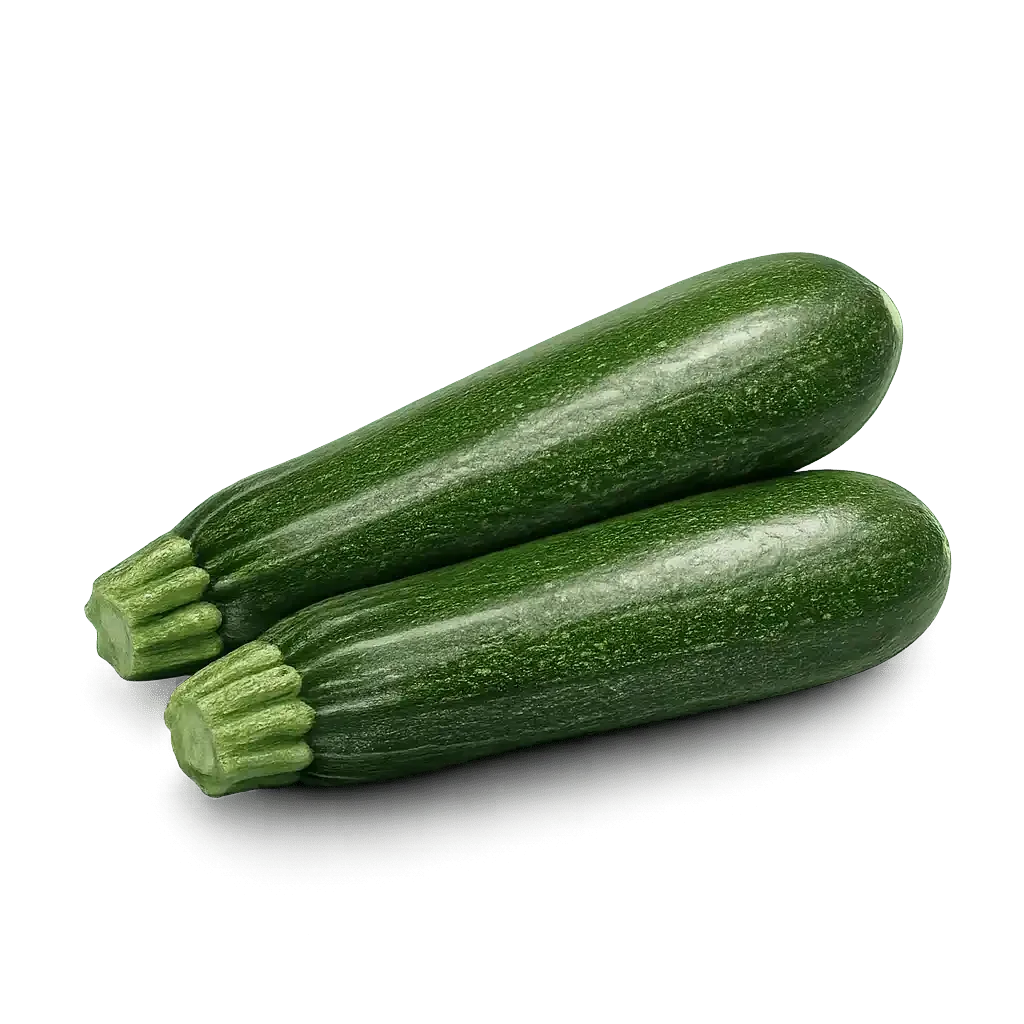
The Heritage Heirloom That Defined American Zucchini
A Complete Seed-to-Table Guide
Quick Reference
Botanical Name: Cucurbita pepo
Type: Summer Squash (Dark Green Zucchini)
Growth Habit: Vigorous, upright bush
Also Known As: Burpee's Fordhook Zucchini, Fordhook Summer Squash
Origin: Bred at Burpee's Fordhook Farm, Doylestown, Pennsylvania. 1942 All-America Selections Winner. Heirloom, open-pollinated.
Plant In: Spring, after all danger of frost has passed (soil temperature above 65 to 70F/18 to 21C)
Soil Temperature: 65 to 85F (18 to 29C) for germination; 70 to 85F optimal
Seed Depth: 0.5 to 1 inch
Plant Spacing: 18 to 24 inches apart (or 6 to 8 seeds per hill, thinned to 3)
Row Spacing: 6 feet between rows or hills
Sunlight: Full sun (6 to 8 hours daily)
Watering: 1 to 2 inches per week, deep and consistent
Days to Germinate: 4 to 10 days
Days to Harvest: 57 days from direct seeding
Harvest Size: 6 to 8 inches long for fresh use; 8 to 12 inches for freezing or stuffing
Storage (Fresh): 1 to 2 weeks at 40 to 50F (5 to 10C)
Container Friendly: Yes, in large containers. Plant height 24 inches, spread 4 to 5 feet.
USDA Zones: 1 to 11 (grown as a warm-season annual)
Frost Tolerant: No, tender annual, highly susceptible to frost
Introduction
Some varieties come and go with the seasons. Fordhook Zucchini has been feeding American families for over 80 years. Formally introduced in 1942 during the height of the Victory Garden movement, this heirloom was bred at Burpee's legendary Fordhook Farm in Doylestown, Pennsylvania, and promptly earned an All-America Selections award. It was one of the varieties that helped make zucchini a staple in home gardens across the country, and it has never gone out of style.
Fordhook produces classic, smooth, cylindrical, deep green fruits with creamy white, tender flesh that freezes beautifully. Its vigorous bush plants are prolific producers, capable of yielding up to 20 pounds per plant in a good season. As an open-pollinated heirloom, it offers gardeners the added benefit of reliable seed saving from year to year. In this guide, you will find everything you need to grow this time-tested favorite from seed to table.
Why Grow Fordhook?
Visual Appeal
Fordhook produces smooth, cylindrical fruits with a deep green, almost black skin that is classically handsome. The fruits are straight to slightly curved, with a uniform shape that looks right at home in a farmstand display or a kitchen counter arrangement. The dark green skin provides a beautiful contrast to the creamy white flesh inside, making Fordhook as attractive on the cutting board as it is in the garden.
Flavor and Texture
Fordhook has a mild, slightly sweet, nutty flavor and a tender yet firm texture. The creamy white flesh is delicately flavored and remarkably versatile, equally good raw, sauteed, grilled, baked, or fried. It freezes exceptionally well, making it a go-to variety for gardeners who want to preserve the summer harvest. The flesh is less watery than many modern hybrids, which means it holds up beautifully in cooking without turning mushy.
Productivity
Fordhook is a workhorse. Its vigorous bush plants are prolific producers, yielding an ample, sustained harvest throughout the season. Under favorable conditions, a single well-tended plant can produce up to 20 pounds of zucchini over the course of the summer. The plants start early and keep bearing as long as you keep picking, making it easy to supply a household, share with neighbors, and still have plenty left over for freezing.
Ease of Growing
This variety is famously easy to grow, which is one reason it has remained popular with beginners and experienced gardeners alike for over eight decades. The bush-type habit requires no trellising or training. Fordhook is fast-maturing, reaching harvest in about 57 days from direct seeding, and it performs reliably across a wide range of climates. It is also noted for drought and heat tolerance once established, making it a resilient choice for challenging growing conditions.
Seed Saving
As an open-pollinated heirloom, Fordhook is an excellent variety for seed saving. The plants breed true from seed, meaning you can save seeds from your best fruits and expect consistent results the following year. To maintain purity, isolate Fordhook from other Cucurbita pepo varieties or hand-pollinate and bag the blossoms. Allow a few fruits to fully mature on the vine until the skin is hard, then harvest and extract the seeds. Dry them thoroughly in a well-ventilated area and store in a cool, dry place. Properly stored seed remains viable for several years.
Nutritional Benefits
Like all zucchini, Fordhook is low in calories and high in water content, making it an excellent choice for healthy eating. It provides vitamins A, B6, C, and K, along with potassium, manganese, folate, and magnesium. The skin is packed with antioxidants including lutein, beta-carotene, and zeaxanthin, which support eye health, immune function, and cardiovascular health. Its high fiber content aids digestion and promotes a feeling of fullness. For maximum nutrition, eat the skin along with the flesh.
When to Plant
Temperature Requirements
Fordhook is a warm-season crop that germinates best in soil temperatures between 65 and 85F (18 to 29C), with 70 to 85F being optimal. Seeds may rot in cold, wet soil, so do not rush the planting. Wait until all danger of frost has passed and the soil has thoroughly warmed before sowing outdoors.
Starting Indoors
For an earlier harvest, start seeds indoors 2 to 4 weeks before your last expected frost date. Sow seeds 0.5 to 1 inch deep in a sterile planting medium, 2 to 3 seeds per pot. Maintain soil temperatures of 70 to 85F for optimal germination. Use biodegradable peat or cow pots to minimize root disturbance when transplanting. Harden seedlings off gradually over 7 to 10 days and transplant outdoors after all frost risk has passed, spacing plants 24 to 48 inches apart.
Direct Sowing
Direct sowing is straightforward. Once the soil is warm and the frost danger has passed, plant seeds 0.5 to 1 inch deep. In hills, sow 6 to 8 seeds per hill spaced about 6 feet apart, then thin to the 3 strongest seedlings when plants are about 3 inches tall. In rows, space seeds 12 inches apart and thin to 18 to 24 inches. Keep the soil just damp during germination to prevent seed rot.
Succession Planting
Fordhook matures in about 57 days, making succession planting easy. Sow a fresh batch every 2 to 3 weeks from late spring through midsummer to ensure a continuous harvest. In warmer climates, a late-summer planting can produce a fall crop. Plan your last sowing at least 60 to 70 days before the first expected frost.
How to Plant and Seed Spacing
Seed Depth and Spacing
Plant Fordhook seeds 0.5 to 1 inch deep. In rows, space plants 18 to 24 inches apart with 6 feet between rows. In hills, create mounds about 9 to 12 inches tall and 2 feet across, sow 5 seeds evenly across each hill, and thin to the 3 strongest. Mature plants reach about 24 inches tall with a spread of 4 to 5 feet, so give them room to grow.
Soil Requirements
Fordhook performs best in fertile, well-drained soil with a pH between 5.8 and 6.8. Before planting, work several inches of compost or well-rotted manure into the soil. Rich, organically amended soil produces the strongest plants and the heaviest yields. Good drainage is essential; soggy soil promotes seed rot and root diseases.
Sunlight
Choose a planting site with full sun, meaning at least 6 to 8 hours of direct sunlight per day. Fordhook thrives in warm, sunny locations. Adequate light is critical for vigorous growth, abundant flowering, and maximum fruit production.
Watering at Planting
Water thoroughly at planting time and keep the soil just damp during germination. Overwatering at this stage can cause seeds to rot. Once plants are established, transition to deep, infrequent watering at the base of the plant. Avoid overhead watering to reduce the risk of powdery mildew and other foliar diseases.
Container Growing
Fordhook can be grown in containers, but it needs space. Use a container of at least 5 gallons (10 or more is better) with good drainage. Fill with a high-quality potting mix enriched with compost. Be aware that Fordhook spreads 4 to 5 feet, so choose a location where the plant can fan out. Container-grown plants need more frequent watering and regular feeding. Black plastic mulch or grow bags can help retain warmth and moisture.
Companion Planting
Excellent companions include corn, beans, nasturtiums, marigolds, radishes, dill, and oregano. Nasturtiums help deter aphids, while marigolds repel a range of pests. The traditional Three Sisters planting (corn, beans, and squash) is a natural fit. Row covers made of spun polyester work well as physical barriers against cucumber beetles early in the season. Avoid planting near potatoes, which compete for nutrients and share pest problems.
How to Grow and Care for Fordhook
Watering
Provide 1 to 2 inches of water per week, adjusting for rainfall and temperature. Water at the base of the plant, never on the leaves, as wet foliage encourages powdery mildew. Drip irrigation or soaker hoses are ideal. The soil should be moist at least 4 inches deep. Misshapen zucchini is often a sign of inconsistent watering. During hot weather, you may need to water more frequently, especially for container-grown plants.
Fertilizing
Fordhook is a heavy feeder. Apply a balanced fertilizer or a side-dressing of compost every 3 to 4 weeks throughout the growing season. Once fruits begin to form, increase feeding to support the heavy production. Fertile soil amended with compost or well-rotted manure before planting gives the plants a strong head start. Avoid excessive nitrogen, which pushes leafy growth at the expense of fruit.
Mulching and Weeding
Apply a 2 to 3 inch layer of organic mulch around the base of each plant. Mulch conserves moisture, suppresses weeds, and keeps soil temperatures stable. Black plastic mulch is an especially good option for Fordhook, as it warms the soil and speeds up growth. Row covers can also provide weed control, insect protection, and faster growth. Weed carefully near the base of the plant to avoid disturbing the shallow root system.
Pollination
Fordhook produces separate male and female flowers on the same plant. Male flowers appear first on long, thin stalks. Female flowers follow about a week later and are identifiable by the small immature fruit at their base. Bees are the primary pollinators. Poor fruit development is usually a sign of insufficient pollination. If pollinator activity is low, hand-pollinate by transferring pollen from a male flower to the center of a female flower using a small brush. Consider growing brightly colored flowers nearby to attract more pollinators to your garden.
Pest and Disease Management
The most common pests affecting Fordhook include cucumber beetles (the number one enemy of young squash seedlings), squash bugs, squash vine borers, and aphids. Use floating row covers as a physical barrier early in the season, removing them when flowering begins. Hand-pick squash bugs and destroy their bronze egg clusters on the undersides of leaves. Cucumber beetles suck the life out of stems and emerging leaves and should be removed immediately. Practice crop rotation and clean up plant debris at the end of the season. For powdery mildew, maintain good airflow, water at the base, and treat with an organic fungicide if needed. Succession planting is an excellent strategy, as fresh young plants can replace older ones that have accumulated pest and disease pressure.
Growth Timeline
Days 1 to 10 (Germination): Seeds swell and sprout rapidly. Fordhook germinates in as few as 4 to 10 days under warm conditions. The first pair of rounded seed leaves (cotyledons) push through the soil surface.
Days 10 to 20 (Seedling Stage): True leaves emerge, distinctly lobed and different from the smooth cotyledons. The root system establishes vigorously. Begin light feeding once true leaves appear. Thin hills to the 3 strongest seedlings.
Days 20 to 35 (Vegetative Growth): Rapid expansion of leaves and stems. The upright bush shape fills out, reaching about 24 inches tall with a spread of 4 to 5 feet. Dark green foliage forms a lush canopy.
Days 35 to 50 (Flowering): Male flowers appear first on long, thin stalks, followed by female flowers with a tiny fruit at their base. Blooms are large, bright yellow, and edible. Pollinator activity is essential during this window.
Days 50 to 57 (Fruit Development and First Harvest): After pollination, deep green fruits develop quickly. First harvest of smooth, cylindrical zucchini at 6 to 8 inches long with creamy white flesh.
How to Know It Is Ready
Fordhook zucchini is ready to pick when the fruit is 6 to 8 inches long for fresh use, or 8 to 12 inches if you plan to freeze or stuff it. The skin should be deep green, smooth, and glossy. The fruit should feel firm and heavy for its size. If you can easily nick the skin with a fingernail, it is at peak tenderness. Smaller fruits picked at 3 to 4 inches are especially tender and flavorful for fresh eating.
Keep Picking
Check your plants and harvest 2 to 3 times per week during peak production. Fordhook starts early and keeps bearing as long as you keep picking. Leaving fruits on the vine signals the plant to slow down production. Oversized zucchini lose their delicate flavor and tender texture, so stay on top of the harvest. If you do miss a few and end up with monster zucchini, they are still perfectly good for baking into zucchini bread or shredding and freezing.
Harvesting
How to Harvest
Use a sharp knife or pruning shears to cut the fruit from the plant, leaving about 1 inch of stem attached. You can also gently twist the fruit off, but cutting is preferred to avoid damaging the plant. Handle with care to prevent scratching the skin, as damage shortens shelf life.
Best Time to Harvest
Harvest in the cool of the morning for the best texture and longest storage life. For the most tender, flavorful fruits, pick at 6 to 8 inches long. Baby zucchini at 3 to 4 inches are a special treat. Larger fruits at 8 to 12 inches are still excellent for freezing and stuffing. Complete all harvesting before the first fall frost.
Harvesting Blossoms
Fordhook's large, bright yellow blossoms are edible and considered a gourmet delicacy. Harvest male flowers (thin stems, no fruit at the base) in mid to late morning when fully open. Clip 1 to 2 inches below the flower base. If you want both blossoms and fruit, harvest only the male flowers, leaving enough to pollinate the females. Stuffed and fried squash blossoms are a classic preparation that is well worth trying.
Expected Yield
Fordhook is a prolific producer. Under good growing conditions, each plant can yield up to 20 pounds of zucchini over the course of the season. That is enough to eat fresh, share with neighbors, and still fill the freezer. With succession planting, a small patch of Fordhook can keep a household supplied from early summer through the first frost.
How to Store
Refrigerator Storage
Do not wash Fordhook until you are ready to use it. Store unwashed, uncut fruits in a perforated plastic bag or loosely wrapped in a paper towel inside the crisper drawer. At 40 to 50F (5 to 10C), they will stay fresh for 1 to 2 weeks. Once cut, use within 2 to 4 days.
Freezing
Fordhook is specifically noted for its excellent freezing quality. Slice or dice the zucchini, blanch in boiling water for 1 to 2 minutes, then plunge into an ice bath. Drain thoroughly, pat dry, and freeze in a single layer on a baking sheet before transferring to airtight freezer bags. Frozen Fordhook keeps well for up to 3 months and works beautifully in soups, stews, casseroles, and baked goods. Shredded zucchini can also be frozen without blanching for use in zucchini bread and muffins.
Pickling
Fordhook makes excellent refrigerator pickles. Slice into coins or spears and pack into sterilized jars with a brine of vinegar, salt, sugar, and spices such as dill, garlic, and mustard seeds. Refrigerate for at least 24 hours before eating. For shelf-stable pickles, process in a water bath canner following tested recipes.
Dehydrating
Slice Fordhook into thin, even rounds and dry in a food dehydrator at 125F (52C) for 8 to 12 hours until crisp. Dehydrated zucchini chips make a healthy, crunchy snack and can be stored in airtight containers for several months. They can also be rehydrated for use in soups, sauces, and stews.
Signs of Spoilage
Discard any fruits that feel soft, mushy, or have wrinkled, shriveled ends. Visible mold, dark slimy patches, or a sour smell all indicate the squash is past its prime. If the flesh tastes noticeably bitter, stop eating it immediately, as this may signal elevated cucurbitacin levels, which can cause digestive upset.
Quick Recipe Ideas
Fordhook's classic shape, tender texture, and mild nutty flavor make it one of the most versatile zucchini varieties in the kitchen. Here are five quick ideas to put your harvest to work:
1. Classic Fried Zucchini: Slice into rounds, dip in beaten egg, dredge in seasoned breadcrumbs, and pan-fry in olive oil until golden and crispy on both sides. Serve with a squeeze of lemon and a sprinkle of parmesan. Simple, satisfying, and timeless.
2. Fordhook Zucchini Bread: Shred and squeeze out excess moisture, then fold into your favorite zucchini bread batter with cinnamon, nutmeg, and walnuts. The deep green shreds add moisture and a subtle nutty sweetness. Bake at 350F for 50 to 55 minutes.
3. Stuffed Fordhook Boats: Halve larger zucchini lengthwise and scoop out the centers. Fill with a mixture of seasoned ground meat, rice, diced tomatoes, and mozzarella. Bake at 375F for 25 to 30 minutes until bubbly and golden. The firm flesh holds its shape perfectly.
4. Grilled Fordhook Planks: Slice lengthwise into thick planks, brush with garlic butter, and grill for 3 to 4 minutes per side until tender with beautiful char marks. Finish with fresh herbs, flaky salt, and a drizzle of balsamic glaze.
5. Fordhook Zoodles with Lemon Garlic Shrimp: Spiralize into noodles and toss with sauteed shrimp, minced garlic, lemon juice, red pepper flakes, and a handful of fresh parsley. A light, low-carb dinner that comes together in under 15 minutes.
Bonus Tip: Do not pass up the blossoms! Fordhook's large, beautiful squash blossoms are a gourmet delicacy. Stuff them with a mixture of ricotta, lemon zest, and fresh herbs, then lightly batter and fry until golden and crisp. They are the kind of appetizer that makes guests ask for the recipe.
Final Thoughts
Fordhook Zucchini is the definition of a proven variety. Born on Burpee's legendary Pennsylvania farm during the Victory Garden era, it earned its All-America Selections award and then went on to earn the loyalty of generation after generation of American gardeners. Its deep green, classically shaped fruits, prolific production, tender flavor, and outstanding freezing quality have never been surpassed. As an open-pollinated heirloom, it gives you the freedom to save your own seeds and keep the tradition going. If you are looking for a dependable, versatile, hardworking zucchini that has stood the test of time, Fordhook is the one. Plant it this spring and join the gardeners who have been growing and loving it since 1942.
Have you grown Fordhook zucchini? Share your tips, favorite recipes,
and harvest photos in the comments below!
Happy Growing!