
Zucchini: Golden Zucchini
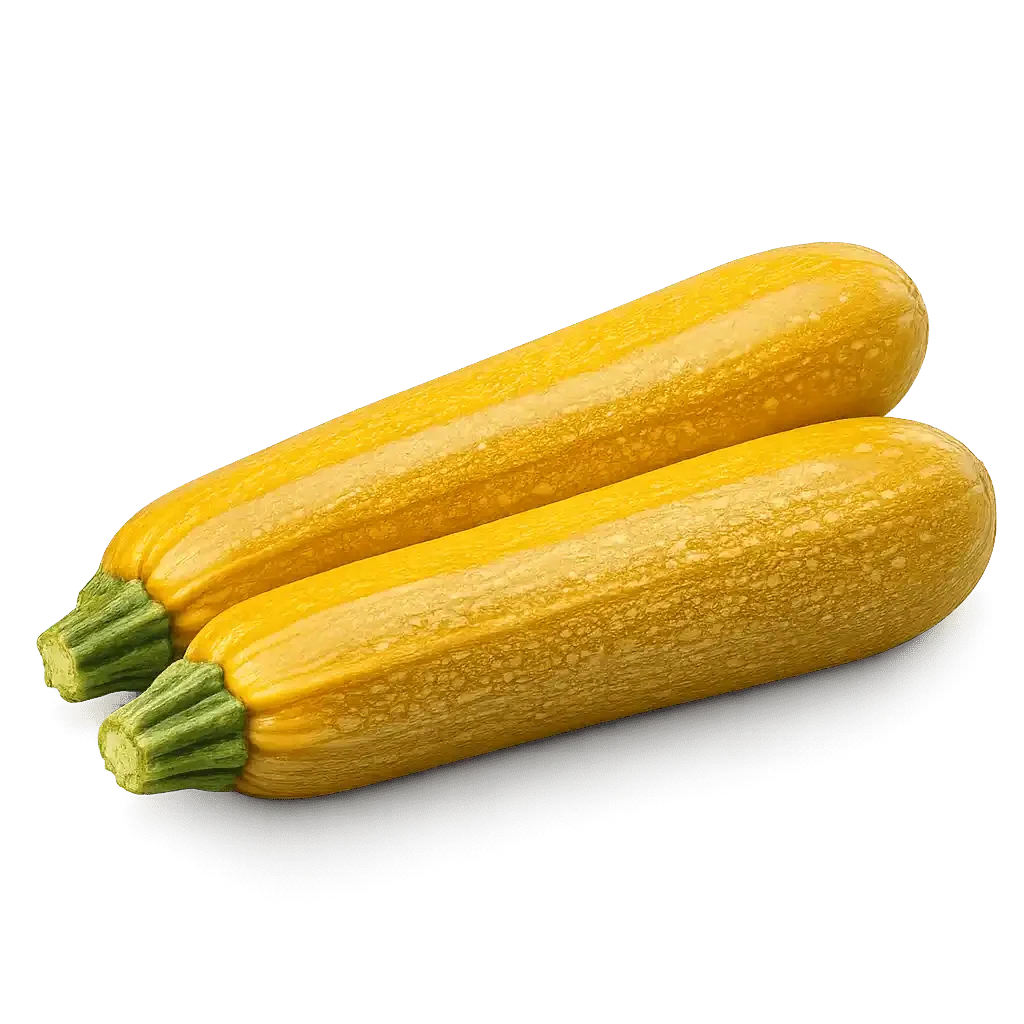
The Sunshine Squash That Brings Colour, Sweetness, and Italian Heritage to Your Garden
A Complete Seed-to-Table Guide for Growing, Harvesting & Storing
QUICK REFERENCE
Botanical Name: Cucurbita pepo
Type: Open-Pollinated Heirloom Summer Squash
Growth Habit: Compact bush (non-vining)
Also Known As: Yellow Zucchini, Golden Courgette, Yellow Italian Zucchini, Golden Summer Squash
Origin: Italy (Italian heirloom)
Plant In: Spring, after last frost
Soil Temperature: 70 to 95°F (21 to 35°C)
Seed Depth: 1 inch
Plant Spacing: 24 to 36 inches apart
Row Spacing: 4 to 6 feet apart
Sunlight: Full sun (6 to 8 hours)
Watering: 1 to 2 inches per week
Days to Germinate: 7 to 14 days
Days to Harvest: 45 to 55 days from sowing
Harvest Size: 4 to 8 inches long
Storage (Fresh): Fridge, up to 2 weeks
Container Friendly: Yes (minimum 20 inch deep pot)
USDA Zones: 3 to 10
Frost Tolerant: No
Introduction
Imagine walking out to your garden on a warm summer morning and spotting a fruit so brilliantly golden it seems to glow among the green foliage. This is not a yellow crookneck squash, not a pattypan, and definitely not a banana pepper. This is Golden Zucchini, an Italian heirloom summer squash that has been delighting gardeners and cooks for generations with its stunning sunshine-yellow skin, slightly sweet flavour, and the same effortless productivity that has made green zucchini one of the most popular vegetables in the world.
Golden Zucchini is a variety of Cucurbita pepo, the same species as traditional green zucchini, but dressed in a coat of vivid yellow-gold. It is open-pollinated and heirloom, meaning you can save seeds year after year and they will grow true to type. The plants are compact, bushy, and non-vining, producing slender, medium-length fruit with smooth, glossy skin and firm, tender flesh. Like all zucchini, its roots trace back to Italian agriculture, where it was developed alongside its green cousins as part of the country's rich tradition of summer squash cultivation.
If you have grown green zucchini before, you already know most of what you need to grow Golden Zucchini. The care is nearly identical. But there are a few things that make this golden variety special, and a few subtle differences worth knowing about. In this guide, I will walk you through everything from planting and spacing to harvesting and storing your Golden Zucchini, plus some recipe ideas that make the most of its beautiful colour and mild, sweet flavour.
Why Grow Golden Zucchini?
Stunning Visual Appeal
This is the most obvious reason, and it is not a small one. Golden Zucchini is simply gorgeous. The bright, sunshine-yellow skin retains its colour even after cooking, which means it adds a burst of warmth and vibrancy to any dish, any plate, any garden bed. When you grow Golden Zucchini alongside traditional dark green varieties, the contrast in the garden is striking, and the mix on a serving platter is absolutely beautiful. If you sell at a farmers' market, golden zucchini consistently catches the eye and draws customers to your stall.
Slightly Sweeter Flavour
Many growers and cooks report that Golden Zucchini has a mildly sweeter, slightly nuttier flavour compared to standard green varieties. The difference is subtle but noticeable, especially when eaten raw or lightly cooked. The flesh is creamy white to pale yellow, tender, and less watery than some green types. When picked young (4 to 6 inches), the skin is thin and completely edible, and the tiny seeds are barely noticeable.
Fast Growing and Productive
Golden Zucchini is one of the faster-maturing summer squash varieties, with many plants producing their first harvestable fruit just 45 to 55 days after sowing seed. While gold varieties tend to produce slightly less volume than the most prolific green hybrids, they still produce generously. A single well-fed plant can yield 6 to 10 pounds of fruit over the season. Just two or three plants will keep a household well supplied, with plenty left over to share.
Easy for Beginners
Like all zucchini, Golden Zucchini is one of the easiest vegetables you can grow. It is forgiving of imperfect soil, tolerant of a range of growing conditions, and fast enough to reward even the most impatient beginner. The compact bush habit means it does not need trellising or a huge amount of space. It is an excellent choice for first-time gardeners, children's gardens, school projects, and anyone who wants a reliable, generous harvest with minimal fuss.
Perfect for Zoodles and Low-Carb Cooking
The firm, slender shape of Golden Zucchini makes it ideal for spiralizing into zucchini noodles (zoodles). The golden colour gives you a natural pasta look-alike that is far more visually appealing than pale green spirals. At roughly 27 calories per cup, it is a favourite of anyone on a low-carb, keto, or calorie-conscious diet. It also works beautifully grilled, in stir-fries, and in baked goods.
Heirloom Seed Saving
Because Golden Zucchini is an open-pollinated heirloom, you can save seeds from mature fruit and grow the same variety year after year. Allow one or two fruit to mature fully on the vine until the skin hardens and the colour deepens, then scoop out the seeds, rinse, dry, and store them for next season. This makes Golden Zucchini a great choice for self-sufficient gardeners.
Nutritional Benefits
Golden Zucchini is low in calories (about 27 per cup), high in water content (roughly 95%), and packed with vitamins and minerals. The golden skin is particularly rich in beta-carotene, the pigment that gives it its yellow colour and which the body converts into vitamin A. It is also a good source of vitamins C, K, and B6, folate, potassium, magnesium, and manganese. The skin contains antioxidants including lutein and zeaxanthin, which support eye health. It is high in dietary fibre and naturally low in carbohydrates, making it suitable for diabetic and keto-friendly diets.
When to Plant
Golden Zucchini is a warm-season crop that will not tolerate frost or cold, wet soil. Get the timing right and you will be rewarded with fast growth and early harvests.
Temperature Requirements
Wait until all danger of frost has passed and both day and night temperatures are consistently above 50°F (10°C). For seed germination, the optimal soil temperature is 70 to 95°F (21 to 35°C). Seeds planted in cold or waterlogged soil will rot before they can sprout. If you are unsure, use a soil thermometer to check before planting.
Starting Indoors
In cooler climates or where the growing season is short, start seeds indoors two to four weeks before your last frost date. Sow in individual peat pots or biodegradable containers, two seeds per pot, and thin to the stronger seedling. Keep the soil at 70 to 85°F using a heat mat if needed. Harden seedlings off for a week before transplanting outside. Zucchini does not like root disturbance, so use pots that can be planted directly into the ground to avoid transplant shock.
Direct Sowing Outdoors
In warm climates, direct sowing is the easiest and preferred method. Wait until the soil has warmed to at least 70°F, then sow seeds directly into prepared beds. For most of the US, this means late May to early June. In warmer zones (9 to 10), you can sow from March to April, and may have time for a second planting in late summer for a fall harvest.
Succession Planting
To extend your harvest window and keep a steady supply, plant a new round of seeds every three to four weeks throughout the warm season. This is especially useful if older plants start to decline from powdery mildew or reduced vigour later in summer. Fresh young plants will pick up where the older ones left off.
How to Plant and Seed Spacing
Seed Depth and Spacing
Plant seeds 1 inch deep. If planting in mounds or hills, sow three to four seeds per hill and space hills 4 to 6 feet apart in all directions. Thin to the two strongest seedlings after germination. If planting in rows, sow two to three seeds per spot, spaced 24 to 36 inches apart, with 4 to 6 feet between rows. Thin to one strong plant per spot. Golden Zucchini has large foliage and needs good air circulation, so resist the temptation to crowd plants together.
Soil Requirements
Golden Zucchini thrives in rich, fertile, well-draining soil with a pH of 6.0 to 7.5. Before planting, dig in generous amounts of finished compost or well-rotted manure. These are big, fast-growing plants that are heavy feeders. For extra fertility, mix a cup of balanced organic fertiliser into the soil beneath each planting spot. If your soil is heavy clay and drains poorly, consider growing in raised beds.
Sunlight
Choose a location with full sun, at least six to eight hours of direct sunlight per day. More sun means more flowers, more pollination, and more fruit. In extremely hot climates, a bit of afternoon shade can help reduce heat stress during peak summer.
Watering at Planting
Water deeply at planting and keep the soil consistently moist until seedlings are well established. Once growing strongly, provide 1 to 2 inches of water per week. Water at the base of the plant using drip irrigation or soaker hoses. Avoid overhead watering, as wet leaves invite powdery mildew and other fungal diseases. If you must water from above, do so early in the morning so leaves dry quickly.
Container Growing
Golden Zucchini grows well in containers. Use a pot at least 20 inches deep and fill with rich potting mix. Container plants depend entirely on you for water and nutrition, so provide regular liquid fertiliser such as compost tea or fish emulsion. Containers dry out faster than garden beds, so check soil moisture daily in hot weather.
Companion Planting
Good companions: corn, beans, radishes, marigolds, nasturtiums, borage, and herbs like basil and dill.
Avoid planting near: potatoes, fennel, and other cucurbits planted too closely (to reduce disease spread and cross-pollination issues for seed savers).
How to Grow and Care for Your Plants
Watering
Consistent moisture is essential. Provide 1 to 2 inches of water per week, increasing during hot, dry spells. Water deeply but infrequently (once or twice per week) rather than giving shallow daily sprinkles. Deep watering encourages strong root development. Inconsistent watering can cause blossom-end rot, a condition where the bottom of the fruit develops dark, sunken spots due to calcium deficiency triggered by uneven moisture.
Fertilising
Golden Zucchini is a heavy feeder. Side-dress with compost or balanced organic fertiliser when the first flowers appear, and continue feeding every two to three weeks throughout the growing season. A foliar spray of liquid kelp or fish fertiliser can give plants a visible boost. If the leaves become pale or the plant looks tired, it is asking for food.
Mulching and Weeding
Mulch around plants to conserve moisture, regulate soil temperature, and keep weeds at bay. Black plastic mulch is especially effective for zucchini as it warms the soil and suppresses weeds. If using organic mulch like straw or shredded leaves, keep it a few inches from the stem to prevent rot. Weed regularly while plants are young, but avoid deep cultivation that could damage shallow feeder roots.
Pollination
Golden Zucchini produces separate male and female flowers on the same plant. Male flowers appear first, usually one to two weeks before the females. Bees and other pollinators are essential for fruit set. If you notice misshapen or withered baby fruit, incomplete pollination is likely the cause. Remove these promptly. To ensure good pollination, grow at least three plants so that male and female flowers overlap in timing. If bee activity is low, hand-pollinate by transferring pollen from a male flower to the centre of a female flower using a small brush or by rubbing the male stamen directly inside the female bloom.
Pest and Disease Management
The most common disease is powdery mildew, which appears as white or grey patches on the leaves, typically in mid to late summer. Prevention is the best approach: avoid overhead watering, space plants generously for air circulation, and remove badly affected leaves into the rubbish (not the compost). Other diseases include downy mildew, bacterial wilt, and blossom-end rot.
Common pests include squash bugs, cucumber beetles, squash vine borers, and aphids. Use floating row covers on young plants (remove once flowering begins), inspect leaves regularly for egg masses, and practice yearly crop rotation. Squash vine borers can kill plants quickly, so check stems for sawdust-like frass at the base and act immediately if you spot damage. Companion planting with marigolds and nasturtiums can help deter some pests.
Growth Timeline
Here is what to expect at each stage:
Germination: 7 to 14 days (faster in warm soil around 85°F)
Seedling Stage: 1 to 2 weeks after germination, first true leaves develop
Rapid Growth and Flowering: 3 to 5 weeks after germination, male flowers appear first
First Harvest: 45 to 55 days from sowing (as few as 35 days for some varieties)
Ongoing Harvest: Continues throughout the summer with regular picking
How to Know It Is Ready to Pick
Golden Zucchini tastes best when harvested young. Pick when the fruit reaches 4 to 8 inches long and is about 1 to 2 inches in diameter. At this size the skin is thin, the flesh is tender and creamy, and the seeds are tiny and soft. The fruit should feel firm with a glossy, smooth surface. You can harvest even smaller (3 to 4 inches) for baby zucchini, which are exceptionally tender and sweet.
Keep Picking to Keep Producing
Check plants every day or two during peak production. Zucchini grows remarkably fast in warm weather and can go from perfect to oversized in just 24 to 48 hours. Regular harvesting is the single most important thing you can doto keep the plant producing. If you leave large fruit on the vine, the plant will slow down or stop setting new flowers. Oversized zucchini become seedy, tough, and lose their sweetness.
One special feature of Golden Zucchini: the bright yellow colour makes the fruit very easy to spot among the green foliage, so you are much less likely to miss a hidden squash that balloons to baseball bat size overnight. This is a genuine practical advantage over dark green varieties where fruit can hide under leaves.
Harvesting
How to Harvest
Use a sharp knife or pruning shears to cut the fruit from the stem, leaving about one inch of stem attached. Do not pull or twist, as this can damage the plant and open wounds that invite disease. Handle the fruit gently because the tender skin scratches and bruises easily, and any damage shortens storage life.
Best Time to Harvest
Early morning is ideal, when the fruit is cool, firm, and at its highest moisture content. This gives you the best eating quality and longest refrigerator life.
Harvesting Blossoms
Golden Zucchini produces large, beautiful yellow-orange blossoms that are completely edible and identical in quality to those from green zucchini. Pick them in mid to late morning when fully open. They are a genuine delicacy: battered and deep-fried, stuffed with ricotta and herbs, or tossed into pasta and risotto. If you want to keep fruit production going, harvest only male blossoms (the ones on thin, straight stems without a swelling at the base) and leave enough males to pollinate the females.
Expected Yield
A single healthy Golden Zucchini plant will produce 6 to 10 pounds of fruit over the growing season. Two or three plants are more than enough for a family. Do not over-plant. Even experienced gardeners underestimate how productive zucchini can be.
How to Store Your Harvest
Short-Term Refrigerator Storage
Store unwashed Golden Zucchini in a perforated plastic bag or wrapped in a paper towel inside the vegetable crisper drawer. Keep at 40 to 50°F (5 to 10°C). The fruit will keep for up to two weeks, though flavour and texture are best within the first three to five days. Do not wash before storing, as excess moisture accelerates spoilage.
Freezing
Slice, dice, or grate the zucchini. Blanch briefly (one to two minutes), cool in ice water, drain thoroughly, and pack into freezer bags. Frozen Golden Zucchini keeps for up to three months and works well in soups, stews, casseroles, and baked goods. Grated frozen zucchini is especially useful for bread, muffins, and fritters later in the year.
Pickling
Thinly sliced Golden Zucchini pickles beautifully and retains its golden colour in the jar. Use a simple vinegar brine with garlic, dill, mustard seed, and peppercorns for crisp, tangy refrigerator pickles that last for weeks.
Dehydrating
Slice very thin and dehydrate at low temperature for crispy zucchini chips. Season before dehydrating with salt, chilli powder, garlic powder, or nutritional yeast. The golden colour produces beautiful chips that look as good as they taste.
Signs of Spoilage
Discard any zucchini that has gone soft, slimy, or shows mould. Wrinkling skin and a rubbery feel are early signs of declining freshness. If any zucchini tastes unusually bitter, stop eating it immediately. Bitterness may indicate elevated cucurbitacin levels, which can cause significant digestive upset.
Quick Recipe Ideas
Golden Zucchini's mild sweetness, vibrant colour, and firm texture make it wonderfully versatile. Here are five ways to enjoy it:
1. Golden Zoodles with Pesto Spiralize the zucchini into noodles and toss with fresh homemade basil pesto, cherry tomatoes, toasted pine nuts, and shaved parmesan. The golden colour gives you a gorgeous plate that looks like fresh egg pasta. Serve raw for a refreshing summer dish, or sauté briefly in olive oil for a warm version.
2. Grilled Golden Zucchini Slice lengthwise into planks, brush with olive oil, and grill over medium-high heat until tender with beautiful char marks. Season simply with sea salt, cracked pepper, and a squeeze of lemon. Or go bolder with a drizzle of balsamic glaze, crumbled feta, and fresh mint. The firm flesh holds up perfectly on the grill and the golden skin chars beautifully.
3. Stuffed Golden Zucchini Boats Cut in half lengthwise and scoop out the centre. Fill with a mixture of seasoned rice, minced lamb or sausage, diced tomatoes, herbs, and crumbled cheese. Bake at 375°F until tender and golden on top. The slightly wider shape of Golden Zucchini at the blossom end makes it particularly good for stuffing.
4. Golden Zucchini Fritters Grate coarsely, squeeze out excess moisture, and mix with egg, flour, crumbled feta, chopped fresh dill, and spring onions. Pan-fry in olive oil until golden and crispy on both sides. Serve with a dollop of thick yoghurt and a wedge of lemon. The golden colour of the zucchini gives the fritters an extra-golden, appetising appearance.
5. Golden Zucchini Bread Grate into your favourite quick bread recipe for incredibly moist results. The mild, sweet flavour disappears into the batter, and the high moisture content keeps the bread soft for days. Add cinnamon, walnuts, and a splash of vanilla. For a chocolate version, fold in cocoa powder and chocolate chips. A brilliant way to use up a summer surplus.
Bonus: The edible blossoms are magnificent stuffed with fresh ricotta, lemon zest, and herbs, then dipped in a light batter and fried until golden. They are a true Italian delicacy and one of the great pleasures of growing your own zucchini.
Final Thoughts
Golden Zucchini is proof that sometimes the simplest change can bring the most joy to your garden and your kitchen. It grows just like its green cousins, with the same easy care, the same compact habit, and the same generous productivity. But that brilliant golden-yellow colour transforms everything it touches, from a summer vegetable platter to a plate of spiralized noodles to a jar of homemade pickles.
It tastes a little sweeter, it is a little easier to spot in the garden (no more hidden giant zucchini), and it is a little richer in beta-carotene than the dark green varieties. It is an heirloom that you can save seeds from, year after year, keeping a piece of Italian gardening heritage alive in your own backyard.
Give it warm soil, full sun, rich earth, and consistent water. Pick the fruit young and often. And enjoy the sunshine it brings to your plate all summer long.
Have you grown Golden Zucchini? Share your tips, harvest photos, and favourite recipes in the comments below!
Happy Growing!