
Zucchini: Golden Egg
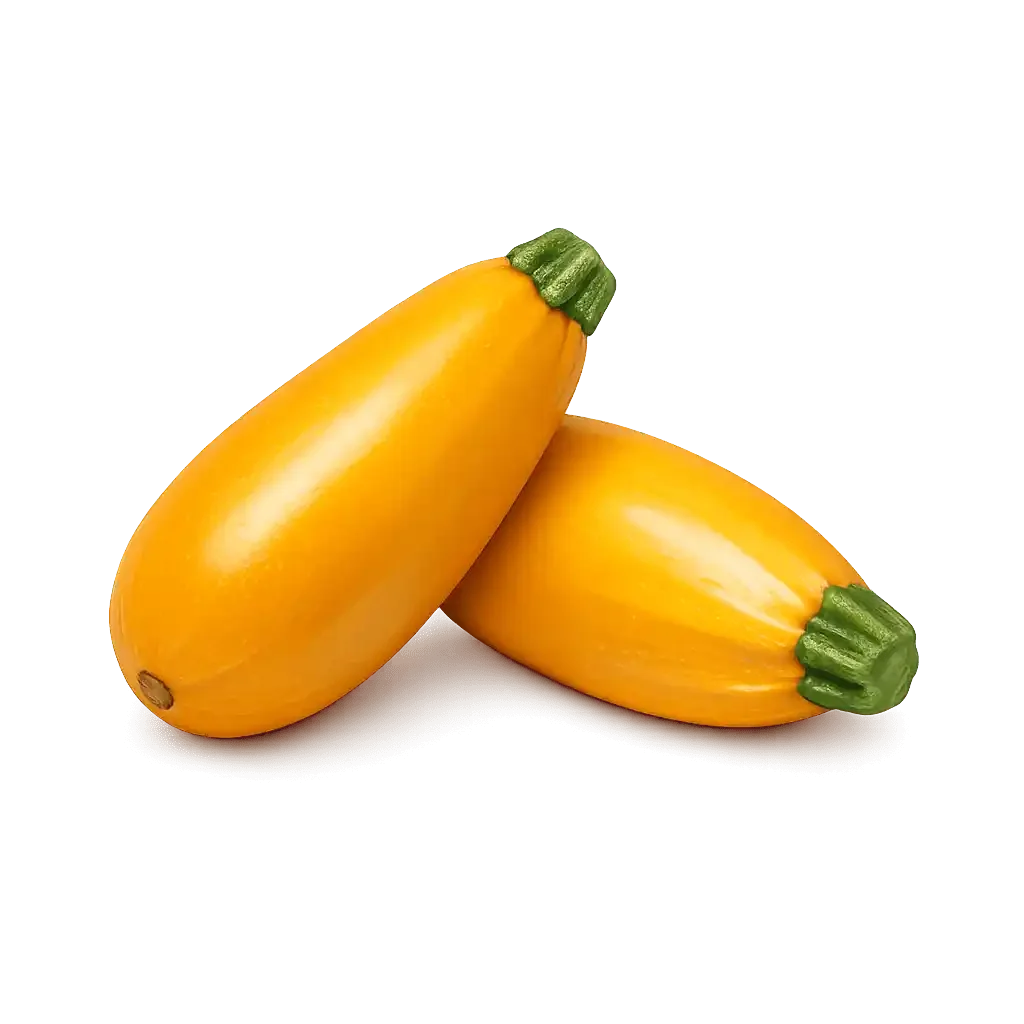
The Gourmet Squash That Looks Like a Fairy Tale Treasure
A Complete Seed-to-Table Guide
Quick Reference
Botanical Name: Cucurbita pepo
Type: Summer Squash (Egg-shaped Zucchini)
Growth Habit: Compact bush, upright
Also Known As: Golden Egg Hybrid, Golden Egg Summer Squash
Origin: Burpee exclusive F1 hybrid (USA). Won Burpee's taste trials two years running.
Plant In: Spring, after all danger of frost has passed (soil temperature above 60 to 70F/16 to 21C)
Soil Temperature: 70 to 90F (21 to 32C) for optimal germination
Seed Depth: 1 inch
Plant Spacing: 24 to 36 inches apart
Row Spacing: 36 to 72 inches between rows
Sunlight: Full sun (6 to 8 hours daily)
Watering: 1 to 2 inches per week, consistent moisture at the base
Days to Germinate: 7 to 14 days
Days to Harvest: 41 to 45 days from direct seeding
Harvest Size: Up to 5 inches across (spherical/egg-shaped)
Storage (Fresh): 1 to 2 weeks in the refrigerator at 40 to 50F (5 to 10C)
Container Friendly: Yes, excellent in large containers (minimum 5 gallons, ideally 18 inches or wider)
USDA Zones: 1 to 11 (grown as a warm season annual)
Frost Tolerant: No, tender annual, will not survive frost
Introduction
Imagine reaching into your garden and pulling out what looks like a golden egg laid by a fairy tale goose. That is exactly the kind of delight the Golden Egg zucchini delivers. This Burpee exclusive F1 hybrid broke the mould of traditional zucchini with its round, spherical shape, radiant golden-yellow skin, and a flavour so exceptional it earned the top spot in Burpee's taste trials for two consecutive years.
Unlike the long, cylindrical zucchini most gardeners are familiar with, Golden Egg is compact, egg-shaped, and grows up to about 5 inches across. Its creamy flesh features subtle hints of chartreuse and a natural sweetness that sets it apart from standard green varieties. In this guide you will learn everything you need to grow this gourmet sensation from seed to table, including planting schedules, care advice, harvesting techniques, and kitchen-ready recipe ideas that showcase its unique shape and flavour.
Why Grow Golden Egg?
Visual Appeal
Golden Egg is a showstopper. Its smooth, spherical, golden-yellow fruits are unlike any other squash in the garden and instantly catch the eye. They look ornamental enough to display as a centrepiece, yet they are completely edible and delicious. The egg shape is perfect for farmers' markets, CSA boxes, and gift baskets, where unusual produce always draws attention.
Flavour
This is not just a pretty face. Golden Egg won Burpee's taste trials two years in a row, making it one of the best-tasting summer squash varieties you can grow. The flesh is creamy white with hints of chartreuse, succulent and slightly sweet with a delicate, almost nutty undertone. It holds its texture beautifully when grilled, roasted, or stuffed, and it is equally lovely sliced raw for dipping or salads.
Productivity
Despite its compact, bushy plant habit (about 26 inches tall with a 36-inch spread), Golden Egg is a prolific producer. It delivers a high-yielding harvest over an 8-week picking window, ensuring a generous supply of gourmet fruits all summer long. Succession planting can extend that window even further.
Ease of Growing
Golden Egg is one of the fastest-maturing summer squash varieties available, reaching harvest in as few as 41 to 45 days from direct seeding. Its compact bush habit makes it ideal for small gardens, raised beds, patios, and container growing. The bright golden colour also makes spotting ripe fruits much easier than hunting through dense green foliage, reducing the chance of accidentally leaving fruits to become oversized.
Seed Saving
As an F1 hybrid, Golden Egg does not produce true-to-type offspring from saved seeds. If seed saving is important to you, be aware that second-generation plants will vary from the parent. For consistent results, purchase fresh seed each season. However, experimenting with saved seed can be a fun project for adventurous gardeners who enjoy surprises.
Nutritional Benefits
Like all zucchini, Golden Egg is low in calories and high in water content, making it an excellent addition to a weight-conscious diet. It is rich in vitamins A and C, potassium, manganese, and B vitamins including folate. The golden skin is especially high in beneficial carotenoids such as lutein, beta-carotene, and zeaxanthin, which support eye health, immune function, and skin health. Yellow-skinned squash varieties have been found to contain elevated levels of lutein in their flesh compared to some green types, giving Golden Egg an extra nutritional edge.
When to Plant
Temperature Requirements
Golden Egg is a warm-season crop that needs soil temperatures of at least 60 to 70F (16 to 21C) to germinate, with an optimal range of 70 to 90F (21 to 32C). It is completely frost-tender, so patience is essential. Wait until all danger of frost has passed and the soil has thoroughly warmed before planting outdoors.
Starting Indoors
For an early start, sow seeds indoors 3 to 4 weeks before your last expected frost date. Plant 2 to 3 seeds per pot at a depth of about 1 inch and provide warm conditions (70 to 85F). Using biodegradable peat or cow pots will minimise root disturbance at transplant time, as squash roots are sensitive to handling. Harden seedlings off gradually over 7 to 10 days before transplanting outdoors.
Direct Sowing
Direct sowing is the preferred method. Once soil temperatures are consistently above 70F, plant seeds 1 inch deep and 24 to 36 inches apart. If planting in hills, create mounds approximately 24 inches across and 8 inches high, sow a few seeds per hill, and thin to the strongest 2 to 3 plants after emergence.
Succession Planting
Because Golden Egg matures in just 41 to 45 days, succession planting is incredibly rewarding. Sow a new batch every 2 to 3 weeks from late spring through midsummer to maintain a continuous harvest. In warmer climates, you can even make a late-summer sowing for a fall crop. Plan your last planting at least 60 to 70 days before your expected first frost to allow the plants time to produce before cold weather arrives.
How to Plant and Seed Spacing
Seed Depth and Spacing
Plant Golden Egg seeds 1 inch deep. Space plants 24 to 36 inches apart within the row, with rows 36 to 72 inches apart depending on your garden layout. Wider spacing promotes better airflow and easier access for harvesting. The compact bush habit means these plants take up less room than sprawling vine-type squash, but they still appreciate breathing room.
Soil Requirements
Golden Egg thrives in fertile, well-draining soil with a pH between 6.0 and 7.5. Before planting, amend the soil with 3 to 4 inches of compost or well-rotted manure to boost fertility and improve drainage. Good soil structure is critical, as waterlogged conditions promote root rot and other fungal problems.
Sunlight
Choose a planting site that receives full sun, meaning at least 6 to 8 hours of direct sunlight each day. Adequate light is essential for strong plant growth, abundant flowering, and maximum fruit production.
Watering at Planting
Water seeds in thoroughly at planting time and keep the soil consistently moist (but never waterlogged) during the germination period. Once plants are established, switch to deep, infrequent watering directed at the base of the plant. Avoid overhead watering, as wet foliage encourages powdery mildew and other diseases.
Container Growing
Golden Egg is an excellent choice for container gardening. Its compact bush habit (26 inches tall, 36-inch spread) fits comfortably in a large pot of at least 5 gallons, though a wide container of 18 inches or more is ideal. Use a high-quality potting mix enriched with compost and ensure the container has good drainage. Container-grown plants will need more frequent watering and regular feeding, as nutrients leach out with each watering session.
Companion Planting
Good companions for Golden Egg include corn, beans, nasturtiums, marigolds, radishes, dill, and oregano. The traditional Three Sisters planting method (corn, beans, and squash) works beautifully here. Nasturtiums and marigolds help repel aphids, squash bugs, and cucumber beetles. Avoid planting near potatoes, which compete for nutrients and attract similar pests, and keep some distance from other cucurbits to reduce shared disease pressure.
How to Grow and Care for Golden Egg
Watering
Provide 1 to 2 inches of water per week, adjusting for rainfall and temperature. Always water at the base of the plant in the morning so that foliage can dry during the day. Drip irrigation or soaker hoses are ideal. Never use overhead sprinklers, as wet leaves are an open invitation for powdery mildew and other fungal diseases.
Fertilising
Golden Egg benefits from consistent feeding throughout the growing season. Work a balanced fertiliser into the soil at planting time. Once fruits begin to form, apply a side-dressing of compost or a balanced liquid fertiliser every 3 to 4 weeks to support heavy production. Avoid excessive nitrogen, which encourages leafy growth at the expense of fruit.
Mulching and Weeding
Apply a 2 to 3 inch layer of organic mulch (straw, shredded leaves, or wood chips) around the base of each plant. Mulch conserves moisture, suppresses weeds, and helps stabilise soil temperature. Keep mulch a few inches away from the stem to prevent moisture buildup and rot. Weed regularly, especially during the early weeks when young squash plants cannot compete well with aggressive weeds.
Pollination
Golden Egg produces separate male and female flowers on the same plant. Male flowers appear first, typically a week before the females. Female flowers are identifiable by the small, rounded swelling at their base, which is the immature fruit. Bees and other pollinators transfer pollen naturally, but if pollinator activity is low, hand-pollinate by using a small brush or by removing a male flower and dabbing its pollen directly onto the centre of an open female flower. Poor pollination often causes the first few fruits to be misshapen or to shrivel, which usually resolves as more male flowers appear.
Pest and Disease Management
The most common threats to Golden Egg include squash bugs, cucumber beetles, squash vine borers, and aphids. Use floating row covers early in the season to protect young plants (remove them once flowering begins to allow pollination). Hand-pick squash bugs and destroy egg clusters found on the undersides of leaves. Practise crop rotation and avoid planting squash in the same spot year after year. For fungal issues such as powdery mildew, maintain good airflow around the plants, water at the base rather than overhead, and treat with insecticidal soap or neem oil if pest pressure becomes significant. A succession planting approach helps ensure that as older plants decline, fresh healthy plants are ready to take over.
Growth Timeline
Days 1 to 14 (Germination): Seeds swell and sprout. The first pair of rounded seed leaves (cotyledons) push through the soil surface. Keep soil consistently moist and warm for best results.
Days 14 to 21 (Seedling Stage): True leaves emerge, looking distinctly lobed and different from the smooth cotyledons. The root system establishes. Begin light feeding once true leaves appear.
Days 21 to 30 (Vegetative Growth): Rapid leaf and stem expansion. The compact bush shape takes form, reaching about 26 inches in height. Large, attractive leaves spread to shade the surrounding soil.
Days 30 to 38 (Flowering): Male flowers appear first, followed by female flowers about a week later. The blooms are large, bright yellow, and showy. Pollinator activity during this period is essential for good fruit set.
Days 38 to 45 (Fruit Development and First Harvest): After pollination, the spherical golden fruits develop rapidly. First harvest of egg-shaped fruits measuring up to 5 inches across.
How to Know It Is Ready
Golden Egg zucchini is ready to pick when the fruits are round, smooth, and glossy with a rich golden-yellow colour. They should feel firm to the touch and measure 2 to 5 inches across, depending on your preference. The blossom at the tip will have wilted. If you can easily dent the skin with a fingernail, it is at peak tenderness. Do not wait until the skin becomes hard, as this indicates the fruit is overmature.
Keep Picking
Regular harvesting is the single most important thing you can do to keep Golden Egg productive. Check plants every 1 to 3 days during peak production. Fruits left on the vine too long will grow oversized and spongy, and the plant will slow its production of new flowers and fruit. Consistent picking signals the plant to keep producing, extending your harvest window to a full 8 weeks or more.
Harvesting
How to Harvest
Use a sharp knife or pruning shears to cut the fruit from the plant, leaving about 1 inch of stem attached. Gently twisting the fruit off is also possible, but cutting is preferred to avoid damaging the plant or neighbouring fruits. Handle carefully, as the smooth skin can scratch easily and scratches reduce shelf life.
Best Time to Harvest
Harvest in the cool of the morning for the best texture and longest storage life. For the most tender, flavourful fruits, pick them when they are 2 to 4 inches across. They can grow up to 5 inches, but smaller fruits have the finest flavour and creamiest texture. Never allow them to grow so large that the skin hardens, as this signals overmaturity.
Harvesting Blossoms
Golden Egg produces edible blossoms that are prized in many cuisines. Harvest male flowers (thin stems, no fruit at base) in mid to late morning when they are fully open. Clip 1 to 2 inches below the flower base. If you want both blossoms and fruit, harvest only the male flowers, leaving enough to pollinate the females. Female blossoms can also be harvested with their tiny immature fruit still attached for a special culinary treat.
Expected Yield
Under good growing conditions, each Golden Egg plant produces a generous, high-yielding harvest over an 8-week period. The compact bush habit means you can fit more plants into a smaller space, boosting your overall yield. Even just 3 to 4 plants can supply a household with more than enough gourmet squash throughout the summer season.
How to Store
Refrigerator Storage
Do not wash Golden Egg zucchini until you are ready to use it. Store unwashed, uncut fruits in a perforated plastic bag or loosely wrapped in a paper towel inside the crisper drawer. At 40 to 50F (5 to 10C) they will stay fresh for 1 to 2 weeks. Once cut, use within 2 to 4 days for the best quality and texture.
Freezing
For longer-term storage, dice or slice the squash, blanch in boiling water for 1 to 2 minutes, then immediately transfer to an ice bath. Drain thoroughly, pat dry, and freeze in a single layer on a baking sheet before transferring to airtight freezer bags. Frozen Golden Egg keeps well for up to 3 months and works beautifully in soups, stews, casseroles, and baked goods.
Pickling
The round, egg-like shape of Golden Egg makes it perfect for pickled squash coins. Slice into thick rounds or halves, pack into sterilised jars with a pickling brine of vinegar, salt, sugar, and spices such as dill, garlic, and mustard seed. Process in a water bath canner for shelf-stable pickles or keep as refrigerator pickles for up to 2 months.
Dehydrating
Slice Golden Egg into thin, uniform rounds and dry in a food dehydrator at 125F (52C) for 8 to 12 hours until crisp. The round slices produce attractive, uniform chips that make a healthy snack. Store in airtight containers for several months. Rehydrate in soups and sauces as needed.
Signs of Spoilage
Discard any fruits that feel soft, mushy, or have wrinkled, sunken skin. Visible mould, dark slimy patches, or a sour smell all indicate the squash is past its prime. If the flesh tastes bitter, stop eating it immediately, as this may indicate elevated levels of cucurbitacins, which can cause digestive upset.
Quick Recipe Ideas
Golden Egg's unique shape and gourmet flavour make it incredibly versatile in the kitchen. Here are five quick ideas to get you started:
1. Stuffed Golden Eggs: Halve each squash, scoop out the centre, and fill with a mixture of cooked quinoa, sun-dried tomatoes, feta cheese, fresh herbs, and a drizzle of olive oil. Bake at 375F (190C) for 20 to 25 minutes until tender and golden. The egg shape is made for stuffing.
2. Golden Egg Fritters: Grate the squash, squeeze out excess moisture, and combine with egg, flour, grated parmesan, spring onions, and a pinch of nutmeg. Pan-fry in olive oil until crisp and golden on both sides. Serve with a dollop of herbed yoghurt.
3. Grilled Golden Egg Rounds: Slice into thick coins, brush with garlic-infused olive oil, and grill for 3 to 4 minutes per side. Finish with a squeeze of lemon, fresh basil, and flaky sea salt for a simple yet elegant side dish.
4. Golden Egg and Ricotta Pasta: Dice the squash and saute in butter with garlic and sage until tender. Toss with cooked pappardelle, dollops of fresh ricotta, toasted pine nuts, and a generous grating of parmesan for a creamy, comforting meal.
5. Pickled Golden Egg Coins: Slice into thick rounds and quick-pickle in a warm brine of white wine vinegar, sugar, mustard seeds, dill, and garlic. Refrigerate for at least 24 hours. These tangy, crunchy pickles are perfect on sandwiches, burgers, or a cheese board.
Bonus Tip: The blossoms are just as special as the fruit! Stuff Golden Egg squash blossoms with a filling of ricotta, lemon zest, and fresh herbs, then lightly batter and fry until golden. Serve as an elegant appetiser that celebrates every part of this extraordinary plant.
Final Thoughts
Golden Egg is the kind of variety that makes vegetable gardening feel like an adventure. Its fairy tale shape, award-winning flavour, rapid maturity, and compact growing habit make it a perfect choice for gardeners of all experience levels. Whether you tuck a single plant into a patio container or dedicate a full bed to a succession planting, this Burpee exclusive will reward you with a season-long supply of beautiful, gourmet squash that tastes every bit as extraordinary as it looks. Give it a sunny spot, consistent water, and a little love, and Golden Egg will be the golden treasure of your summer garden.
Have you grown Golden Egg zucchini? Share your tips, favourite recipes,
and harvest photos in the comments below!
Happy Growing!