
Barberry
Complete Homestead Growing Guide
Overview
Barberry (Berberis vulgaris) is a hardy deciduous shrub producing tart, bright red berries prized for their exceptional vitamin C content and medicinal properties. Native to Europe and Asia, barberry has been cultivated for over 2,500 years for both ornamental and medicinal purposes. The shrub grows 3 to 10 feet tall, features thorny branches, bright yellow spring flowers, and clusters of oblong red berries that ripen in late summer. For homesteaders, barberry offers low-maintenance fruit production, wildlife habitat, and natural barrier properties. However, certain varieties are invasive in many regions, so careful species selection is critical before planting.
How Long Does It Take to Grow?
Barberry grows relatively quickly once established, making it practical for homestead fruit production.
Year 1: Newly planted barberry shrubs focus on root establishment. Expect 6 to 12 inches of growth during the first growing season as plants acclimate to their new location.
Year 2: Growth accelerates to 1 to 2 feet per year depending on variety. Japanese barberry (medium growth rate) typically grows 1 to 2 feet annually. Common barberry grows slightly faster.
Year 3: Most barberry shrubs begin flowering and producing small amounts of fruit by year 3, though yields remain light.
Year 4 to 5: Full fruit production begins. Shrubs reach 4 to 6 feet tall (depending on variety) and produce substantial berry clusters.
Mature Size Reached: Most varieties reach mature size by year 5 to 7. Common barberry (B. vulgaris) grows 8 to 10 feet tall and 6 feet wide. Dwarf varieties like Crimson Pygmy reach only 2 feet tall and 3 feet wide.
Homestead Timeline: Plan on 3 to 4 years before meaningful berry harvests. This is faster than most fruit trees but slower than annual berry crops like strawberries.
Berry Shelf Life
Fresh barberry berries store moderately well compared to more delicate berries.
Fresh Berries: Store in refrigerator for 1 to 2 weeks in breathable container. Avoid washing until ready to use. Their firm texture and tart flavor help preserve them longer than soft berries like raspberries.
Dried Berries: Properly dried barberries store for 12 to 18 months in airtight containers in cool, dark location. Dried barberries are the most common commercial form.
Frozen Berries: Wash, dry thoroughly, spread on baking sheet to freeze individually, then transfer to freezer bags. Frozen berries store 8 to 12 months at 0°F.
Jams and Preserves: Properly canned barberry jam stores 12 to 18 months in cool, dark pantry.
Homestead Storage: Most homesteaders dry barberries for long-term storage. The berries naturally have lower moisture content than many fruits, making them ideal for drying.
Berry Color & Appearance
Flowers: Bright yellow, fragrant, hanging in drooping clusters (racemes) from branches in spring (April to June). Small flowers approximately 1/2 inch long.
Unripe Berries: Green, hard, very sour.
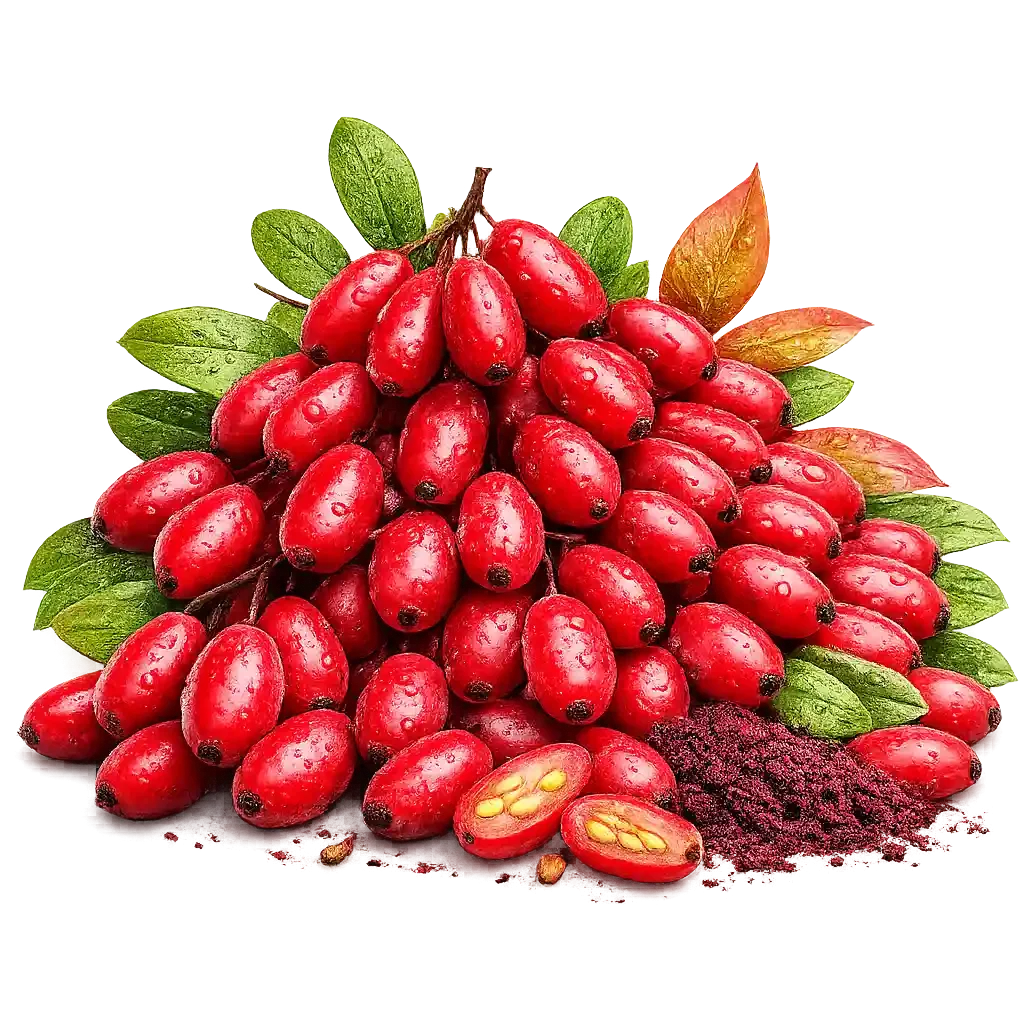
Ripe Berries: Bright red to deep red or purple-red depending on variety. Some wintergreen barberry varieties produce bluish-black oval fruits.
Size: Small, oblong berries approximately 1/4 to 1/3 inch long (7 to 10mm), resembling tiny elongated grapes.
Cluster Pattern: Berries hang in small clusters (typically 1 to 6 berries) from branches on slender stalks. Not as dense as grape clusters.
Seeds: Each berry contains 1 to 3 small black seeds.
Ripening Time: July through October depending on climate and variety. Berries persist into winter months, providing food for wildlife.
Visual Appeal: The bright red berries against dark green leaves create striking fall and winter landscape interest.
How Much Berry Can You Collect?
Barberry yields vary significantly based on shrub size, age, variety, and growing conditions.
Young Shrubs (Year 3 to 4): 1 to 2 cups of berries per plant. Enough for sampling but not preservation.
Mature Shrubs (Year 5+): 2 to 6 pounds of berries per well-established shrub. Larger varieties (8 to 10 feet) produce more than dwarf varieties (2 feet).
Per Acre Commercial: Well-managed commercial plantings can yield several hundred pounds per acre, but homestead yields will be lower.
Harvest Season: Single harvest period in late summer to fall. Berries can be picked over several weeks as they ripen.
Ease of Harvest: Beware thorns! Wear thick leather gloves. Berries hang from branches making them relatively easy to strip, but thorns make harvest slower than thornless berries.
Homestead Reality: Three mature common barberry shrubs (8 feet tall) might yield 12 to 18 pounds of berries annually. This provides sufficient berries for several batches of jam, dried berries for tea, and fresh use in recipes.
Why Barberry Berries Are Good for You
Barberry berries rank among the most medicinally powerful berries available, used for over 2,500 years in traditional medicine.
Exceptional Vitamin C Content
Barberries contain over 200% of the daily value for vitamin C in just 1/4 cup serving. This makes them one of the richest plant sources of vitamin C, surpassing oranges and most other berries. Vitamin C supports immune function, skin health, wound healing, and acts as a powerful antioxidant.
Berberine: The Star Compound
The alkaloid berberine gives barberry its medicinal properties. Found in roots, bark, and berries, berberine acts as:
Antimicrobial Agent: Fights bacteria, fungi, viruses, and parasites. Traditional uses include treating bladder infections, urinary tract infections, respiratory infections, and gastrointestinal infections.
Blood Sugar Regulator: Studies show berberine significantly lowers blood sugar and HbA1c levels in type 2 diabetics, comparable to the drug metformin. Increases insulin sensitivity.
Cholesterol Reducer: Lowers LDL (bad) cholesterol and triglycerides while potentially raising HDL (good) cholesterol.
Anti-inflammatory: Reduces inflammation throughout the body, helpful for arthritis, inflammatory bowel disease, and other inflammatory conditions.
Liver and Gallbladder Support: Stimulates bile secretion, supports liver detoxification, and aids gallbladder function.
Additional Nutrients
Iron: 15% daily value per 1/4 cup, excellent plant-based iron source
Zinc, manganese, copper: Important trace minerals for immunity
Anthocyanins: Antioxidant pigments giving berries red color, support brain and heart health
Dietary fiber: Aids digestion and cholesterol regulation
Pectin: Natural gelling agent for jam-making
Research-Backed Benefits
Diabetes Management: Multiple studies confirm barberry extract lowers blood sugar Heart Health: Improves cholesterol profiles and reduces oxidative stress Dental Health: Barberry gel reduces plaque and gingivitis Acne Treatment: 600mg daily reduced acne lesions in teenagers Diarrhea Treatment: Effective against bacterial diarrhea, though should be used alongside antibiotics Antioxidant Power: Protects cells from free radical damage
Traditional Medicinal Uses
Ancient Egyptians combined barberry with fennel to treat fever. Indian medicine used it for diarrhea, fever, appetite loss, and stomach upset. Native Americans taught settlers its medicinal value. European herbalists treated liver and gallbladder problems.
What You Can Make with Barberry Berries
Barberries' intense tartness requires creativity but offers unique culinary opportunities.
Barberry Jam or Jelly
The natural pectin content makes barberries ideal for jam. Their tartness balances beautifully with sugar. Combine 4 cups berries with 2 to 3 cups sugar and pectin following standard jam recipe.
Zereshk Polow (Persian Rice Dish)
A traditional Iranian rice pilaf mixing barberries with rice, saffron, butter, and sometimes chicken. The tart berries provide bright flavor contrast to rich rice. This is the most famous culinary use of barberries globally.
Dried Barberries for Cooking
Dried barberries (zereshk) are commonly used in Middle Eastern and Persian cooking. Add to rice dishes, salads, stuffings, baked goods, or grain bowls. Rehydrate in warm water before use or add directly to dishes with liquid.
Barberry Tea
Steep 1 to 2 teaspoons dried berries in hot water for 10 to 15 minutes. The resulting tea is tart, vitamin C rich, and traditionally used for digestive issues and immune support. Sweeten with honey.
Barberry Syrup or Sauce
Cook berries with sugar and water until thickened. Use as pancake syrup, ice cream topping, or meat glaze (particularly good with game meats).
Barberry Vinegar
Steep fresh or dried barberries in white wine vinegar for 2 to 3 weeks. Strain and use in salad dressings.
Baked Goods
Add dried barberries to muffins, scones, bread, or cookies like you would cranberries or raisins.
Barberry Chutney
Combine barberries with onions, spices, vinegar, and sugar for a tangy condiment excellent with cheese or meat.
Homestead Tip: The extreme tartness means barberries work best in cooked preparations with sweetener or as flavor accent in savory dishes. Fresh raw consumption is challenging due to sourness.
Best Ways to Store, Can, or Make Jam
Drying (Best Long-Term Method)
Dehydrator: Spread washed berries on dehydrator trays. Dry at 135°F for 8 to 12 hours until completely dry and slightly leathery. Store in airtight jars.
Oven: Spread on baking sheets, dry at lowest oven setting (150 to 170°F) with door slightly ajar for 6 to 10 hours.
Sun Drying: In hot, dry climates, spread on screens in direct sun for 2 to 4 days, bringing inside at night.
Freezing
Wash berries, dry completely, spread on baking sheet to freeze individually, then transfer to freezer bags. Remove as much air as possible. Use within 12 months.
Canning Barberry Jam
Ingredients:
4 cups crushed barberries
2.5 to 3 cups sugar (adjust to taste)
1 box pectin (optional, berries have natural pectin)
Method:
Combine berries and pectin in large pot
Bring to rolling boil, add sugar
Boil hard for 1 minute stirring constantly
Pour into sterilized jars leaving 1/4 inch headspace
Process in boiling water bath 10 minutes
Store up to 18 months
Barberry Sauce/Syrup
Simmer 3 cups berries with 1 cup water and 1 to 1.5 cups sugar until thickened (20 to 30 minutes). Strain if seedless sauce desired. Can in water bath or refrigerate up to 3 weeks.
Barberry Vinegar Preservation
Pack fresh berries into jar, cover with white wine vinegar, steep 2 to 3 weeks, strain, bottle. Stores indefinitely.
Pros of Growing Barberry
Hardy and Low Maintenance: Tolerates USDA zones 3 to 7 (some varieties to zone 9). Withstands temperatures to negative 13°F. Requires minimal care once established.
Tolerates Poor Conditions: Thrives in wide range of soils from sandy to heavy clay. Handles drought, urban pollution, compacted soil, and alkaline conditions better than most fruiting shrubs.
Pest and Disease Resistant: Few serious pest or disease problems. Doesn't require spraying.
Exceptional Nutrition: Outstanding vitamin C, berberine for medicinal use, iron, and antioxidants.
Multi-Purpose Plant: Berries for food/medicine, thorny branches create impenetrable barrier hedges, attractive ornamental with yellow flowers and red berries, wildlife food source.
Early Fruit Production: Begins producing year 3, full production year 5. Faster than most fruit trees.
Long-Lived: Shrubs produce for decades with minimal care.
Natural Pectin: Makes jam-making easy without added pectin.
Winter Interest: Berries persist through winter, providing landscape color and bird food.
Propagates Easily: Grows readily from seed or cuttings.
Cons of Growing Barberry
Invasive Species Concerns: Common barberry (B. vulgaris) and Japanese barberry (B. thunbergii) are invasive in many US states. Check local regulations before planting. In some areas, planting is illegal.
Wheat Rust Alternate Host: Common barberry hosts wheat rust fungus (Puccinia graminis), devastating to wheat crops. If you live near wheat farming regions, DO NOT plant common barberry. Japanese barberry does not host wheat rust.
Tick Habitat: Dense Japanese barberry stands create ideal habitat for deer ticks carrying Lyme disease. Research links Japanese barberry to higher tick populations.
Extremely Thorny: Sharp three-pronged spines line branches making pruning and harvesting painful. Not suitable for areas with small children or where people brush against plants.
Very Tart Berries: Fresh berries are too sour for most people to enjoy raw. Requires cooking with sweetener.
Limited Fresh Market: Unlike sweet berries you can snack on, barberries need preparation. Less appealing for fresh eating.
Legal Restrictions: Over 1 million barberry plants destroyed in Minnesota from 1918 to 1990 due to wheat rust concerns. Some states restrict or prohibit planting.
Potential to Spread: Birds eat berries and spread seeds. Can escape cultivation into wild areas.
Growing Tips for Homesteaders
Site Selection
Sunlight: Full sun to partial shade. Needs full sun to flower and fruit heavily. Tolerates light shade.
Soil: Adaptable to almost any soil type. Prefers well-drained soil but tolerates heavy clay and periodically waterlogged soil. pH 4.5 to 8.0.
Spacing: Plant 4 to 6 feet apart for hedges, 6 to 8 feet apart for individual specimens.
Planting
Timing: Plant bare root shrubs in spring or fall. Container plants can be planted March through November.
Method: Dig hole no deeper than root ball, 6+ inches wider. Remove from container, trim bottom 2 inches of roots if pot-bound. Backfill, water thoroughly.
Maintenance
Watering: Water regularly first year to establish roots. Once established, barberry is drought tolerant.
Fertilizing: Generally unnecessary. If desired, apply compost or balanced fertilizer in early spring.
Mulching: 2 to 4 inch mulch layer helps retain moisture and suppress weeds.
Pruning: Minimal pruning needed. For shape, prune in late winter or fall after fruiting. Wear thick leather gloves! Remove dead wood in summer or winter. For overgrown shrubs, cut back severely to 12 inches from ground in late winter to rejuvenate.
Variety Selection
For Edible Berries: Common barberry (B. vulgaris) produces best fruit. Check if legal in your area first.
For Ornamental Use: Japanese barberry cultivars like Crimson Pygmy (burgundy leaves, 2 feet tall) or Rose Glow (rose-pink leaves, 6 feet tall).
Thornless Option: Mentor barberry (B. x mentorensis) has fewer thorns but produces no fruit.
Check Invasiveness: Before planting any variety, check your state's invasive species list and local regulations.
Conclusion
Barberry presents a complex choice for homesteaders. On one hand, it offers exceptional nutritional and medicinal benefits, hardy low-maintenance growth, beautiful ornamental value, and practical barrier hedge properties. The berries rank among the most vitamin C-rich fruits available, and the berberine content provides genuine medicinal value backed by substantial research.
On the other hand, the invasive nature of common and Japanese barberry, wheat rust concerns, tick habitat issues, and legal restrictions in many areas create serious drawbacks. The extreme thorniness and sour berry flavor add practical challenges.
For homesteaders in regions where barberry is legal and appropriate (check local regulations first!), small plantings of 2 to 4 shrubs can provide excellent berry yields for jam-making, drying, and medicinal use. The low-maintenance nature and pest resistance make it easy to grow successfully. However, responsible homesteaders must carefully consider invasiveness, select appropriate species, monitor for escape into wild areas, and respect wheat rust concerns if living near grain farming regions.
If legal in your area and planted responsibly, barberry offers unique culinary opportunities (especially Persian rice dishes), exceptional vitamin C for winter health, and medicinal berberine benefits that few other cultivated plants provide. Just wear very thick gloves at harvest time and be prepared to cook those tart berries rather than snacking on them fresh!
Explore more guides on different types of berries