
Wineberry
Complete Homestead Growing Guide
Overview
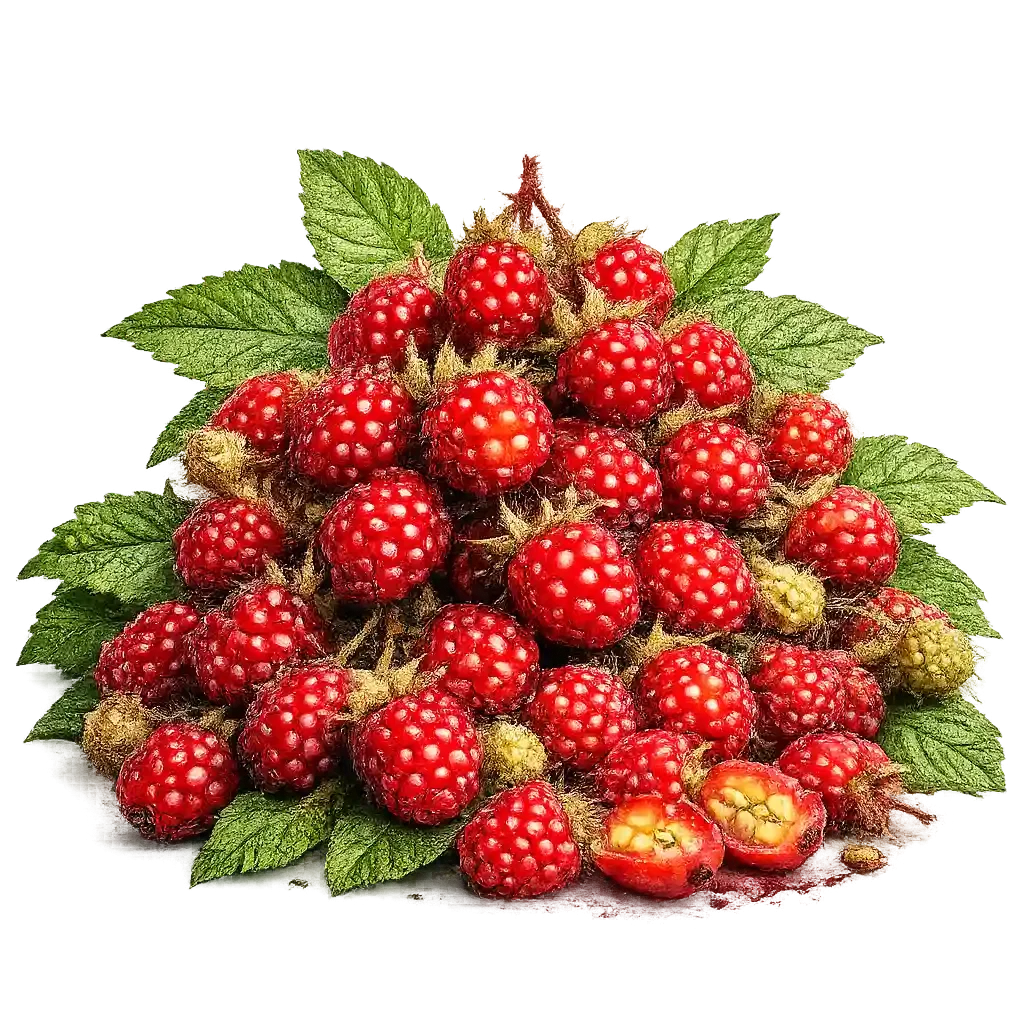
Wineberry (Rubus phoenicolasius), also called Japanese wineberry or wine raspberry, is an Asian bramble producing sweet-tart, bright red berries similar to raspberries. Native to China, Japan, and Korea, wineberry was introduced to North America in 1890 as breeding stock for cultivated raspberry hybrids. The distinctive red glandular hairs covering stems, flower buds, and even surrounding developing fruit make wineberry instantly recognizable among brambles. For homesteaders, wineberry presents a paradox: it produces delicious, nutritious berries with minimal care but spreads aggressively and is classified as invasive in many states. Understanding both the benefits and serious ecological concerns is essential before considering this plant.
How Long Does It Take to Grow?
Wineberry follows a biennial cane growth pattern typical of raspberries and blackberries.
Year 1 (Primocane Year): New canes (primocanes) emerge from perennial roots in spring. These first-year canes grow vigorously, reaching 3 to 9 feet tall during their first growing season. Growth rate is medium to rapid, often 1 foot or more per year. Primocanes grow unbranched with large leaves but typically do not flower or produce fruit. The plant focuses on vegetative growth and establishing canes for next year's fruiting. First year growth period is approximately 32% longer than other raspberries and blackberries.
Year 2 (Floricane Year): The same canes (now called floricanes) do not grow taller but produce lateral branches. These side shoots bear flowers in late spring to early summer (June to July). Berries ripen in midsummer (typically July in most regions, August to September in cooler areas). After fruiting, second-year canes die back and should be removed.
Continuous Cycle: The perennial root system continuously produces new primocanes each year while previous year's canes fruit and die. This creates ongoing production once established.
First Harvest: Expect first berries in year 2 from canes grown in year 1. However, yields will be light. Substantial harvests begin year 3 when the root system is established and producing multiple canes.
Homestead Timeline: Plan on 2 years before first berries, 3 years for good production. Faster than many fruit crops but typical for brambles.
Berry Shelf Life
Wineberries are delicate and perishable, similar to raspberries.
Fresh Berries: Extremely fragile. Store in refrigerator 2 to 4 days maximum in single layer in breathable container. Do not wash until ready to use. They deteriorate quickly even when refrigerated, so use promptly.
Frozen Berries: Spread unwashed berries on baking sheet, freeze solid, then transfer to freezer bags. Frozen wineberries store 8 to 12 months at 0°F. Excellent freezing capacity. Wash after thawing.
Dried Berries: Can be dehydrated like other berries. Store dried berries 6 to 12 months in airtight containers in cool, dark location.
Jams and Preserves: Properly canned wineberry jam stores 12 to 18 months.
Wineberry Wine: Fermented wineberry wine can be aged and stored for years like other fruit wines.
Homestead Reality: Plan to process berries within 2 to 3 days of harvest. Freezing is the most practical preservation method for most homesteaders.
Berry Color & Appearance
Flowers: Small (6 to 10mm diameter), white to pale pink or purplish-red, five petals. Bloom late spring to early summer (June to July). Flowers surrounded by hairy sepals longer than petals, giving unopened appearance. After flowering, the calyx closes around developing fruit, protecting it until nearly ripe.
Unripe Berries: Begin orange in color, surrounded by protective hairy calyx.
Ripe Berries: Brilliant, glossy wine-red to bright ruby red color. Exceptionally shiny appearance, more so than typical raspberries. The bright sheen is distinctive.
Size: Small, approximately 1 cm (about 3/8 inch) diameter. Slightly smaller than cultivated raspberries.
Structure: Aggregate fruit composed of numerous drupelets around central core, like all Rubus berries. Contains more seeds than raspberries. Berries are juicy and delicate.
Unique Feature: Developing fruit surrounded by sticky, hairy calyx that exudes tiny drops of fluid. This protective covering keeps insects away from developing berries. The calyx opens just before berries ripen.
Stem Identification: Canes covered with distinctive wine-red glandular hairs and thin sharp thorns. This red fuzzy appearance is the easiest identification feature.
Leaf Appearance: Compound leaves with 3 leaflets (sometimes 5 on primocanes). Leaflets have serrated edges and purple veins. Undersides conspicuously white-hairy, creating silvery-white appearance. Terminal leaflet larger than side leaflets.
How Much Berry Can You Collect?
Wineberry is a prolific producer once established.
Per Plant Yield: A well-established wineberry plant with multiple canes can produce 2 to 4 pounds of berries annually. Larger, mature thickets produce significantly more.
Per Cane Yield: Individual second-year canes produce clusters of berries along lateral branches. Expect dozens of berries per productive cane.
Thicket Production: Wineberry's aggressive spreading habit means plants form dense thickets. A thicket 10 feet x 10 feet might yield 10 to 20 pounds of berries in peak season.
Harvest Timing: Single harvest period in midsummer. Berries ripen over 2 to 3 week period, allowing multiple pickings. All fruit on a single cluster ripens simultaneously, making harvest efficient.
Ease of Harvest: Berries pull easily from receptacle when ripe. Thorns are present but less formidable than blackberries. Wear gloves and long sleeves. The sticky glandular hairs can be slightly irritating to skin.
Homestead Reality: Three established wineberry plants (or one small thicket) can easily yield 6 to 12 pounds of berries annually with no care required. The challenge is not production but controlling spread.
Why Wineberry Berries Are Good for You
Wineberries offer nutritional benefits comparable to raspberries with some unique compounds.
Exceptional Antioxidant Content
Wineberries contain exceptionally high levels of antioxidants, including:
Anthocyanins: The pigments creating bright red color are powerful antioxidants that protect cells from free radical damage. Studies show wineberries have higher antioxidant activity than many other berries.
Ellagic Acid: Linked to anti-cancer effects, particularly protecting against skin and breast cancer.
Quercetin: A flavonoid antioxidant that helps neutralize toxins and poisons, supports cardiovascular health, and reduces inflammation.
Vitamin and Mineral Content
Vitamin C: Excellent source supporting immune function, collagen production, skin health, and wound healing.
Vitamin A: Supports eye health and vision.
Vitamin E: Fat-soluble antioxidant protecting cell membranes.
Vitamin K: Important for blood clotting and bone health.
Minerals: Good source of manganese, potassium, magnesium, and iron.
Dietary Fiber
Significant fiber content aids digestion, promotes regular bowel movements, helps regulate blood sugar, and supports gut health.
Anti-Inflammatory Properties
The combination of vitamin C, vitamin E, and immune-boosting enzymes creates strong anti-inflammatory effects throughout the body. Helps reduce inflammatory processes and boosts immune system performance.
Cardiovascular Benefits
Polyphenols in wineberries improve endothelial function (blood vessel health), may lower blood pressure, enhance arterial flexibility, and reduce oxidative stress on the cardiovascular system.
Brain Health Support
Specific polyphenols including anthocyanins and ellagic acid are linked to improved memory and cognitive performance. May protect against age-related cognitive decline.
Traditional Medicinal Uses
Historically used to treat digestive issues (diarrhea, constipation), reduce fevers, address coughs and common cold, support immune function, and improve skin conditions. Leaves traditionally used in teas for women's health.
Low Calorie
Despite sweet-tart flavor, wineberries are relatively low in calories, making them a nutritious snack for weight management.
What You Can Make with Wineberry Berries
Wineberries substitute for raspberries in any recipe.
Fresh Eating
Eat raw as a snack. Sweet-tart flavor with raspberry-like taste plus slight wine note. Excellent fresh eating berry.
Wineberry Jam or Jelly
Classic preservation method. Natural pectin content makes jam-making easy. Combine 4 cups berries, 2 to 3 cups sugar, pectin as needed. Cook until gel stage, can in sterilized jars.
Wineberry Wine
Traditional use giving the berry its name. Ferment berries with sugar and yeast to create fruity wine. Rich antioxidants carry over into wine, providing health benefits.
Baked Goods
Add to pies, tarts, muffins, scones, cakes, and cobblers. Substitute directly for raspberries in any recipe. The berries add moisture and burst of flavor.
Breakfast Toppings
Serve over yogurt, oatmeal, cereal, pancakes, or waffles. Excellent fresh topping.
Dessert Applications
Use as ice cream topping, blend into smoothies, fold into cheesecake, or layer in parfaits.
Sauces and Syrups
Cook berries with sugar to create syrup for pancakes or desserts. Make savory sauce for game meats or poultry.
Fruit Salads
Combine with other berries and fruits for colorful salads.
Freezer Jam
Simple preservation without canning. Crush berries, add sugar and pectin, freeze in containers.
Best Ways to Store, Can, or Make Jam
Freezing (Recommended)
Whole Berries: Spread unwashed berries in single layer on baking sheet. Freeze solid (2 to 3 hours). Transfer to freezer bags, remove air, seal. Stores 8 to 12 months.
Crushed Berries: Crush slightly, add sugar if desired (1/4 cup sugar per quart berries), freeze in containers. Good for smoothies or baking.
Pureed Berries: Blend berries smooth, strain seeds if desired, freeze in ice cube trays or containers. Use for sauces, smoothies, or wine.
Canning Wineberry Jam
Ingredients:
4 cups crushed wineberries
3 cups sugar
1 package powdered pectin (or use natural pectin from berries)
1 tablespoon lemon juice
Method:
Combine berries and pectin in large pot
Bring to full rolling boil stirring constantly
Add sugar all at once, return to full rolling boil
Boil hard 1 minute stirring constantly
Remove from heat, skim foam
Ladle into hot sterilized jars leaving 1/4 inch headspace
Wipe rims, apply lids and bands
Process in boiling water bath 10 minutes
Cool, check seals, store up to 18 months
Drying
Spread berries on dehydrator trays. Dry at 135°F for 8 to 12 hours until leathery. Store in airtight containers 6 to 12 months. Use in trail mix, baking, or tea.
Wineberry Wine Making
Crush 5 pounds berries, add 3 pounds sugar, wine yeast, and water to make 1 gallon. Ferment 7 to 10 days in primary fermenter. Strain, transfer to secondary fermenter (carboy). Age 6 to 12 months. Bottle and enjoy.
Pros of Growing Wineberry
Extremely Low Maintenance: Once established, requires zero care. No fertilizing, watering, spraying, or special attention needed.
Prolific Production: Heavy fruit yields with minimal effort. Reliable annual crops.
Delicious Berries: Sweet-tart raspberry-like flavor excellent for fresh eating and processing.
Exceptional Nutrition: High antioxidants, vitamins, minerals, and fiber.
Easy Propagation: Spreads readily by tip-rooting when canes touch ground. Can start new plants from root cuttings or seeds.
Wildlife Value: Dense thickets provide shelter for birds and small animals. Berries feed wildlife. Flowers attract pollinators.
Cold Hardy: Tolerates temperatures to negative 18°C (0°F). Hardy to USDA zones 5 to 8.
Adaptable: Grows in sandy, loamy, or clay soils. Tolerates sun or partial shade. Handles various moisture levels though prefers moist conditions.
Ornamental Value: Red stems add winter color to landscape. White undersides of leaves create silvery appearance.
Disease Resistant: Generally pest and disease free. Few serious problems.
No Special Equipment: Harvest requires only gloves and containers. No special tools or structures needed.
Cons of Growing Wineberry
INVASIVE SPECIES (CRITICAL CONCERN): Wineberry is classified as invasive or noxious in many states including Connecticut, New York, and others. Possession and sale prohibited by law in some areas. Forms impenetrable thickets that displace native plants and alter ecosystems. Spreads aggressively via seeds (birds eat berries and spread seeds widely), root suckers, underground rhizomes, and tip-rooting canes. Check local regulations before planting.
Ecological Damage: Dense thickets out-compete native raspberries, blackberries, and other vegetation. Changes habitat structure, reducing biodiversity. Simultaneous fruit ripening may cause wildlife to favor wineberry over native berries, contributing to native species decline.
Disease Carrier: Hosts raspberry yellow spot virus and other diseases that can infect native raspberry species.
Extremely Difficult to Control: Once established, nearly impossible to eradicate. Cutting stimulates increased sprouting. Mowing requires 2 to 3 cuttings per year for at least 2 years to exhaust plant. Digging disturbs roots, encouraging regrowth. Often requires chemical herbicides for effective control.
Legal Restrictions: Illegal to plant or possess in some states. Check state invasive species lists and noxious weed regulations.
Thorny Canes: Sharp thorns and irritating glandular hairs make handling difficult. Harvesting requires protective clothing.
Aggressive Spread: Can quickly take over areas beyond intended planting site. Forms extensive thickets that are difficult to navigate or remove.
Ethical Concerns: Intentionally planting invasive species damages ecosystems and places burden on future landowners and natural areas.
Growing Tips for Homesteaders (If Legal in Your Area)
Before Planting: Check Legality
DO NOT PLANT if wineberry is listed as invasive or noxious in your state. Check your state's invasive species list, noxious weed list, and local regulations. Consider native alternatives like black raspberry (Rubus occidentalis) instead.
If Foraging Wild Wineberry
Many homesteaders choose to forage existing wild wineberry patches rather than planting intentionally. This allows berry harvest while actually helping control spread by removing fruit before birds spread seeds.
Site Selection (If Legal to Plant)
Sunlight: Full sun to partial shade. Produces denser growth and more fruit in full sun.
Soil: Adapts to sandy, loamy, or clay soils. Prefers moist, well-drained soil but tolerates various moisture levels.
Containment: Plant away from natural areas, woods edges, and wetlands where spread would be most damaging. Consider physical barriers.
Planting
Timing: Spring or fall.
Spacing: Not applicable. Plant spreads aggressively regardless of initial spacing.
Method: Dig hole, plant root cutting or transplant, water in.
Maintenance
Pruning: Remove dead second-year canes after fruiting in late winter. Wear thick gloves and long sleeves.
Containment: Regularly cut and remove canes spreading beyond desired area. Monitor for tip-rooted new plants and remove immediately.
Support: Can be trained on trellis for easier harvest, though not required.
Propagation
Tip Layering: Canes that touch ground root naturally, creating new plants.
Root Cuttings: Dig and transplant root sections.
Seeds: Require cold stratification. Not recommended due to invasive concerns.
Control and Removal
Hand Pulling: Effective for seedlings only.
Cutting: Requires multiple cuttings per year for 2+ years. Stimulates regrowth if not repeated.
Digging: Disturbs roots, often increasing spread.
Herbicide: Most effective method. Apply 1 to 2% glyphosate foliar spray, or cut stems and paint with 20% glyphosate solution in fall.
Conclusion
Wineberry presents an ethical dilemma for homesteaders. The berries are undeniably delicious, nutritious, and easy to produce. The plant requires zero maintenance, tolerates various conditions, and yields heavily. From a strictly practical standpoint, wineberry seems like an ideal homestead berry.
However, the severe invasiveness cannot be overlooked. Wineberry forms impenetrable thickets that displace native species, alter ecosystems, and damage biodiversity. It is illegal to plant or possess in multiple states. Once established, it is extremely difficult to control or remove. The plant spreads through multiple mechanisms (seeds, root suckers, rhizomes, tip-rooting), making containment nearly impossible.
Responsible Recommendation: Do NOT intentionally plant wineberry. Instead, consider these approaches:
Forage Wild Patches: If wineberry already grows wild on your property or nearby areas, harvest the berries for food. Your harvesting actually helps control spread by removing fruit before birds disperse seeds.
Plant Native Alternatives: Black raspberry (Rubus occidentalis), red raspberry (Rubus idaeus), and other native brambles provide similar berries without ecological damage.
Remove Existing Plants: If wineberry already grows on your homestead, consider removal efforts to protect natural areas and native species.
If wineberry is already established on your property and you choose to harvest rather than remove it, at least pick all berries to prevent seed spread, cut canes after fruiting to reduce wildlife habitat (encouraging animals to use native plants instead), and monitor spread carefully. Remember that every berry left unpicked contains seeds that birds will spread far and wide, creating new infestations.
The sweet-tart flavor and exceptional antioxidant content make wineberries wonderful to eat. But the ecological cost of their cultivation is too high. Enjoy them where they already exist, but please do not plant them intentionally. Respect native ecosystems and choose non-invasive alternatives for your homestead berry patch.
Explore more guides on different types of berries