
Siamese
Overview
The Siamese cat is one of the oldest and most recognizable natural cat breeds in the world, originating from the ancient kingdom of Siam, now modern-day Thailand. Sleek, vocal, and intensely people-oriented, the Siamese has been prized by royalty and commoners alike for centuries, and remains one of the most popular cat breeds globally today.
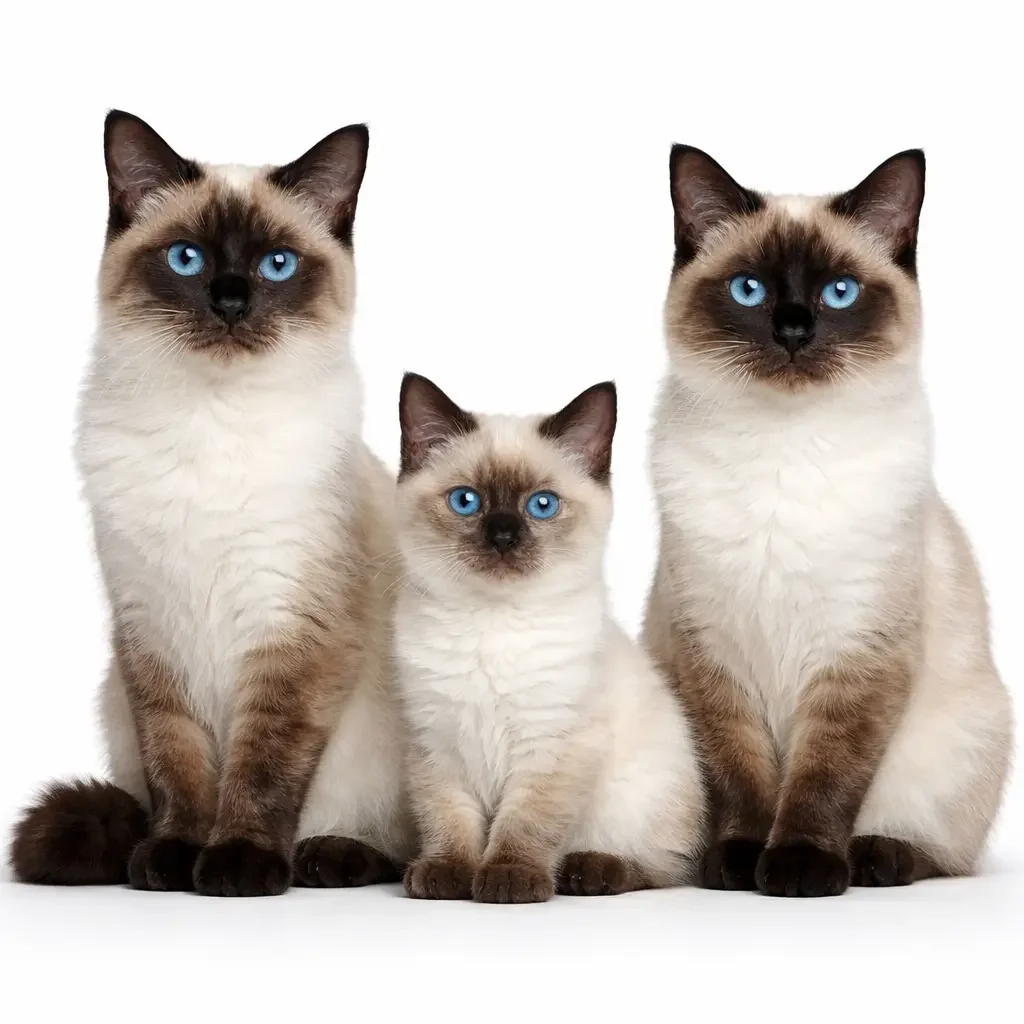
Siamese cats are known for their striking colorpoint coat pattern, vivid blue eyes, and extraordinarily expressive personalities. They are highly intelligent, deeply social, and vocal to a degree unlike almost any other breed. While not a traditional working cat in the heavy-hunting sense, the Siamese is an alert, agile, and tenacious mouser that thrives in active households and engaged farm environments where it receives plenty of human companionship.
Origin and History
Origin: Siam (modern-day Thailand)
Geographic Area: Southeast Asia; royal palaces and temples of Thailand
Development: Ancient natural breed; documented in Thai manuscripts dating to the 14th century
Cultural Heritage: Sacred cat of Siam; kept by royalty and Buddhist monks; believed to carry the souls of the deceased
Local Name: Wichien Maat (meaning moon diamond)
Discovery by West: Late 19th century; first appeared at Crystal Palace cat show in London in 1871
Recognition: One of the first breeds recognized by major cat registries worldwide
Natural Breed: Developed naturally over centuries in Thailand before Western selective breeding began
Modern Variants: Traditional (apple-head) Siamese and modern (wedge-head) Siamese; same breed, different body types
Current Status: One of the most popular and widely recognized cat breeds in the world
Physical Characteristics
Size: Medium
Weight: Males 8 to 12 lbs; Females 6 to 10 lbs
Body Type: Long, lean, tubular, and elegantly muscled
Build: Athletic and lithe; deceptively strong and agile for their slender frame
Coat Length: Short
Coat Texture: Fine, silky, close-lying; minimal undercoat
Coat Pattern: Colorpoint only; pale body with darker coloring on face (mask), ears, paws, and tail
Coat Colors: Seal point, blue point, chocolate point, lilac point; additional colors in some registries
Eye Color: Vivid deep blue; a defining trait of the breed
Head: Wedge-shaped (modern) or rounder apple-head (traditional); large ears set wide
Ears: Large, wide-set, pointed; accentuate the wedge shape of the head
Legs: Long, slim, well-proportioned
Paws: Small, oval, dainty
Tail: Long, thin, tapering to a fine point
Overall Appearance: Elegant, angular, and striking; one of the most visually distinctive cat breeds
Reproduction and Breeding
Sexual Maturity: Females 5 to 9 months; Males 6 to 10 months
Breeding Age: Best to wait until 12 to 18 months for physical and emotional maturity
Heat Cycle: Every 2 to 3 weeks during breeding season; Siamese females can be persistent and vocal in heat
Gestation Period: 63 to 65 days (approximately 9 weeks)
Litter Size: Average 4 to 6 kittens (range 3 to 8)
Birthing: Generally straightforward; attentive and protective mothers
Kitten Development: Eyes open 5 to 8 days; kittens born all white, colorpoints develop over first weeks
Coat Development: Full adult colorpoint pattern visible by 4 weeks; deepens with age and cooler temperatures
Weaning: 8 to 10 weeks
Breeding Frequency: Limit to 1 to 2 litters per year for health of queen
Fertility Period: Productive breeding years 2 to 7 years old
Maturation: Reaches full size by 2 years; coat color continues to darken slightly with age
Lifespan and Health
Average Lifespan: 12 to 20 years; one of the longest-lived domestic cat breeds
Record Lifespan: Documented cases beyond 20 years
Health Status: Generally hardy but carries some breed-specific predispositions
Primary Health Concern: Amyloidosis (liver disease); progressive retinal atrophy (PRA)
Other Concerns: Dental disease; respiratory issues in extreme wedge-head lines; asthma
Heart Health: Hypertrophic cardiomyopathy (HCM) less common than in some breeds but can occur
Dental Health: Prone to periodontal disease; regular dental care essential
Weight: Lean build means weight gain is visible quickly; monitor food intake carefully
Vaccinations: Standard feline vaccines (FVRCP, rabies)
Parasite Control: Regular flea and tick prevention; indoor cats still need periodic deworming
Spay/Neuter: Recommended at 5 to 6 months if not breeding; reduces vocal heat behavior significantly
Temperament and Personality
The Siamese is among the most people-oriented cat breeds in existence. They form intense, devoted bonds with their owners and are known to follow family members from room to room, participate in daily activities, and demand involvement in everything happening in the household. A Siamese left alone for long periods will become stressed, bored, and destructive.
Vocalization is the defining behavioral trait of the Siamese. Their voice is loud, low, and remarkably similar to a human infant's cry, earning them the nickname "meezer." They use this voice constantly to communicate hunger, displeasure, affection, and simple desire for attention. Owners who are not prepared for a chatty cat will find the Siamese overwhelming.
Despite their diva reputation, Siamese cats are genuinely warm, playful, and deeply affectionate. They are excellent with children and enjoy the company of other cats, particularly other Siamese. They are curious, intelligent, and highly trainable, learning commands, tricks, and routines with ease. Their intelligence also means they get bored quickly and require consistent mental stimulation.
For farm and homestead environments, the Siamese is best suited to households where they have constant human company, ideally a multi-pet home where they are never left alone for extended periods. They are alert, fast, and tenacious hunters, but their greatest strength is as an engaged household companion rather than a solitary outdoor working cat.
Hunting and Working Ability
Prey Drive: Moderate to high; alert, fast, and naturally curious
Hunting Skills: Quick reflexes; excellent at tracking movement; agile pounce
Target Prey: Mice, rats, insects, small lizards, birds
Hunting Style: Active and opportunistic; relies on speed and agility rather than patient stalking
Working Ability: Effective indoor and barn mouser; best suited to contained spaces
Size Consideration: Slender build less suited to large or aggressive prey than bigger breeds
Territory: Prefers to patrol a defined area rather than roam extensively
Stamina: High energy in short bursts; less suited to prolonged outdoor patrol than working breeds
Intelligence: Learns quickly and will adapt hunting tactics; good at finding entry points
Alertness: Highly alert; will vocally signal presence of intruders or unusual activity on the property
Care and Maintenance
Grooming: Minimal; short, fine coat requires only weekly brushing to remove loose hairs
Coat Care: No matting; coat stays clean and sleek with little effort
Shedding: Light year-round shedding; no dramatic seasonal coat blow
Bathing: Rarely needed; self-grooming is thorough and effective
Nail Trimming: Every 2 to 3 weeks
Dental Care: Weekly tooth brushing strongly recommended; prone to periodontal disease
Feeding: High-quality, high-protein diet; 1/3 to 1/2 cup daily split into 2 meals; avoid free feeding
Caloric Needs: Moderate; lean frame means overfeeding shows quickly
Water: Fresh water always available; many Siamese enjoy water fountains
Litter Box: Standard size acceptable; kept very clean as Siamese are fastidious
Exercise: High; needs daily interactive play to prevent boredom and destructive behavior
Enrichment: Puzzle toys, window perches, cat trees, and most importantly consistent human interaction
Companionship: Does best with another cat or pet if owners work long hours
Climate Adaptability
Climate Tolerance: Moderate; not bred for harsh climates
Cold Tolerance: Low; short coat and lean body provide minimal insulation; keep indoors in cold weather
Heat Tolerance: Good; short coat and lean build handle warmth well
Temperature Range: Best suited to temperate to warm climates
Best Climate: Warm, stable indoor environments; Southeast Asian origin means preference for warmth
Water Resistance: Minimal; short coat offers little weather protection
Indoor/Outdoor: Best kept primarily indoors; outdoor access should be supervised or in an enclosed space
Shelter Needs: Must have warm, dry indoor shelter; should not be left outside in cold or wet conditions
Adaptability: Adapts well to apartment and house living provided enrichment and companionship needs are met
Advantages for Farmhouse Living
Low grooming requirement; short coat needs almost no maintenance
Highly intelligent and trainable; learns routines and boundaries quickly
Extremely affectionate and bonding; deeply loyal to their family
Alert and vocal; will signal unusual activity or intruders
Effective mouser in contained barn and indoor spaces
Long lifespan (12 to 20 years) for extended companionship
Low shedding compared to longhaired farm cat breeds
Gets along well with children, dogs, and other cats
Playful and entertaining; high energy and interactive personality
Widely available from reputable breeders at reasonable cost
Minimal grooming costs compared to longhaired alternatives
Adapts well to active, busy household environments
Disadvantages for Farmhouse Living
Extremely vocal; constant meowing is not suited to all households or neighbors
Demands constant attention and companionship; poorly suited to being left alone
Low cold tolerance; not appropriate as an outdoor cat in cold climates
Lean build not ideal for tackling large or aggressive prey
Prone to stress-related illness when environment changes or routine is disrupted
Not well suited to extensive outdoor patrol work
Requires significant daily interaction and mental stimulation
Can become destructive or develop anxiety when under-stimulated
Prone to periodontal disease; dental care is an ongoing commitment
Strong attachment means they grieve heavily when owners are away for extended periods
Not independent enough for farms where cats are expected to work unsupervised
Best Suited For
Active households with frequent human presence
Families with children and other pets, including dogs
Farm families seeking an affectionate companion cat alongside other working breeds
Warm-climate homesteads where outdoor temperatures stay mild
Owners who enjoy and appreciate a vocal, communicative cat
Multi-cat households where the Siamese will always have company
Indoor or semi-indoor environments such as barns and enclosed outbuildings
Experienced cat owners comfortable with high-maintenance personality needs
Operations seeking a loyal, alert, and engaging household and barn cat
Economic Considerations
Initial Cost: $400 to $1,000 from reputable breeders; show quality $1,000 to $2,500+
Availability: Widely available; one of the most popular breeds globally
Annual Vet Care: $250 to $450 (vaccines, checkups, dental cleanings)
Food Costs: $250 to $400 annually (medium-sized cat with moderate appetite)
Grooming Supplies: $20 to $40 annually; minimal due to short coat
Dental Care: Budget for professional cleanings; prone to periodontal disease
Spay/Neuter: $75 to $200
Pest Control Value: Good for indoor and barn mousing in contained spaces
Long-term Value: 12 to 20 year lifespan; one of the longest-lived breeds available
Fun Facts
The Siamese is one of the oldest recognized cat breeds in the world, with documented history dating to 14th century Thailand
Siamese kittens are born completely white; their colorpoints develop in the first few weeks as they are exposed to cooler air temperatures
The colorpoint pattern is temperature-sensitive; cooler parts of the body (face, ears, paws, tail) develop darker pigment
The word Wichien Maat, the Thai name for the Siamese, translates to moon diamond
Siamese cats were considered sacred in ancient Siam and were kept exclusively by royalty and monks
They were first exhibited in the Western world at the Crystal Palace cat show in London in 1871
The Siamese voice is often compared to a human infant crying, which makes it nearly impossible to ignore
Siamese cats are known to carry on full conversations with their owners, responding to speech with their own vocalizations
Many modern breeds were developed using Siamese as foundation cats, including the Balinese, Oriental Shorthair, and Colorpoint Shorthair
The Siamese is one of the few cat breeds that is genuinely dog-like in its attachment to and dependence on its human family
President Gerald Ford owned a Siamese cat named Shan, one of several Siamese cats to have lived in the White House
Their vivid blue eyes are a result of the same gene responsible for their colorpoint coat pattern
Siamese cats have appeared in numerous films, including the 1963 Disney film The Incredible Journey
They are among the top five most popular cat breeds registered with the Cat Fanciers Association every year
Traditional apple-head Siamese are generally considered more robust and less prone to respiratory issues than the extreme modern wedge-head type