
Australian Kelpie: The Tireless Working Dog of the Outback
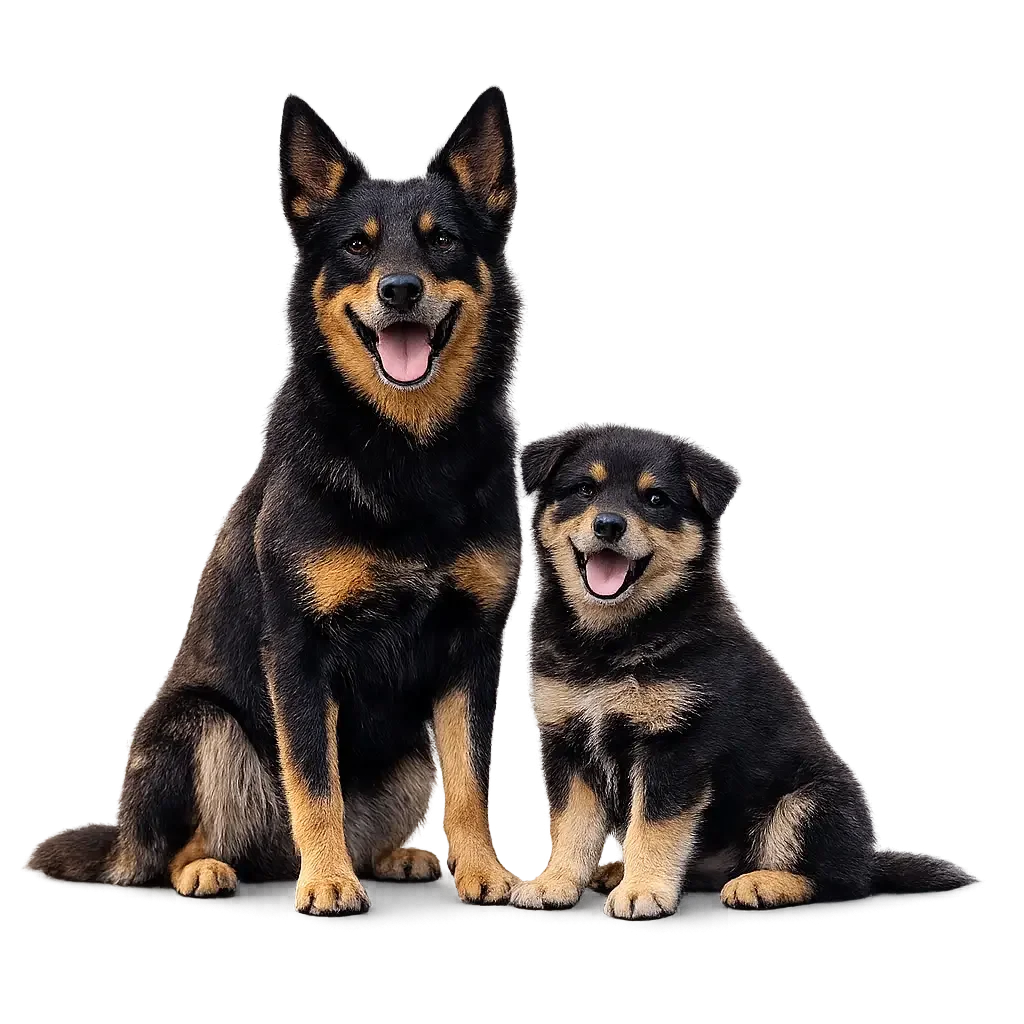
The Australian Kelpie is one of the world's most capable and tireless working dogs, developed in the harsh Australian outback to work sheep under extreme conditions. These medium-sized, athletic dogs possess legendary stamina, intense work drive, and remarkable intelligence. Kelpies can work all day in scorching heat, often covering over 40 miles while managing thousands of sheep with minimal human direction.
Australian Kelpies are purpose-bred working machines, not companion animals that happen to herd. Their entire existence revolves around work. A Kelpie without a job is like a Ferrari without fuel - magnificent machinery with nowhere to direct its power. This single-minded focus on work makes them exceptional sheep dogs but presents enormous challenges for pet owners unprepared for their intensity.
This comprehensive guide explores everything you need to know about Australian Kelpies including their Australian heritage and development, physical characteristics and athletic build, temperament and work-obsessed personality, exceptional working abilities, training requirements and challenges, extreme exercise and mental stimulation needs, health considerations and longevity, the realities of living with Kelpies, choosing and purchasing an Australian Kelpie, and honest assessment of whether this intense breed is appropriate for you.
History and Origins
Development in Australia
Australian Kelpies were developed in the 1870s in Australia to solve critical problems facing sheep farmers. Australia's vast sheep stations covered hundreds of thousands of acres with enormous flocks numbering in the thousands. The extreme heat, rugged terrain, and vast distances made traditional European herding dogs inadequate. Farmers needed dogs with extraordinary stamina, heat tolerance, independence, and working ability.
The foundation of the breed traces to a dog named Kelpie, owned by George Robertson of Warrock Station in Victoria. This black and tan female, born around 1872, was purportedly sired by a Scottish Smooth Collie and descended from dogs imported by the Rutherford family. Kelpie proved to be an exceptional working dog, winning Australia's first sheepdog trial in 1872.
Kelpie's offspring were highly sought after, and the name became associated with this type of working dog. The exact ancestry remains debated, but likely includes Scottish Collies, early Border Collies, and possibly Dingo blood for heat tolerance and endurance. Some theories suggest wild Dingo crosses, though this remains controversial and unproven.
Breed Development and Selection
Australian sheep farmers bred Kelpies strictly for working ability. Dogs that could work longest in the hottest conditions, handle the largest flocks, and work most independently were valued and bred. Appearance was irrelevant - only working capability mattered. This intense selection pressure created dogs of extraordinary stamina and work drive.
By the early 1900s, Kelpies were widespread across Australia's sheep country. They became essential to the sheep industry, allowing one or two dogs to do work that might otherwise require multiple shepherds. Their ability to work independently at great distances from handlers made them invaluable on vast Australian stations.
Working Kelpies vs Show Kelpies
The breed diverged significantly into two distinct types. Working Kelpies are bred solely for working ability and registered with the Working Kelpie Council. They vary widely in appearance and size. They possess extreme work drive and stamina. They're rarely kept as pets. Show Kelpies or Bench Kelpies are bred for appearance to conform to show standards. They're registered with kennel clubs like the Australian National Kennel Council. They have more uniform appearance. They typically have reduced working drive compared to working lines.
This guide primarily addresses Working Kelpies, as they represent the breed's true working heritage and are the type most commonly encountered on working farms.
Recognition and Spread
The Working Kelpie Council was established in 1956 to maintain breed standards based on working ability rather than appearance. Dogs must prove their working capability to be registered. Kelpies spread beyond Australia to other sheep-raising countries including New Zealand, where they're extremely popular, the United States, particularly western sheep country, South America, particularly Argentina and Chile, and parts of Europe and Africa.
Kelpies remain relatively rare as pets, primarily because their extreme working drive makes them unsuitable for most companion homes. They're working dogs first, foremost, and almost exclusively.
Physical Characteristics
Size and Build
Australian Kelpies are medium-sized dogs with compact, athletic builds designed for endurance and agility. Working Kelpies vary considerably in size. Most stand 17-20 inches at the shoulder and weigh 25-45 pounds. Females are typically smaller than males. Show Kelpies are more uniform at 17-20 inches and 31-46 pounds.
The breed's body is slightly longer than tall, creating a balanced, agile profile. They have deep chests providing lung capacity for sustained work. The back is level and strong, the loin muscular and flexible. Legs are straight with moderate bone, neither heavy nor fine. Feet are compact with thick pads designed for rough terrain. The overall structure emphasizes endurance and agility over power or speed.
Kelpies possess remarkable athleticism and physical capabilities. They can run all day in extreme heat without tiring. They leap incredible heights, often jumping on sheep's backs to cross flocks. They can work 10-12 hours daily maintaining intensity throughout. They navigate rough, rocky terrain with ease. They combine speed with agility, turning and stopping instantly. Every aspect of their build serves working purposes.
Coat and Colors
Australian Kelpies have short, dense double coats that are weather-resistant. The outer coat is straight, hard, and lies flat. The undercoat is short and dense. This coat protects from harsh weather while remaining cool in hot conditions. It repels water and dirt, requiring minimal grooming.
Working Kelpies appear in wide color variation including black, chocolate, red, fawn, blue, and cream. Many have tan markings on legs, chest, and face. Colors range from solid to various tan-point patterns. Show Kelpies are limited to black, black and tan, red, red and tan, fawn, chocolate, and blue. Color has no bearing on working ability.
The coat sheds moderately year-round with heavier seasonal shedding. Weekly brushing removes dead hair. The short coat requires minimal maintenance, dried quickly, and suited to working conditions.
Distinctive Features
Kelpies have fox-like heads with slightly rounded skulls and tapered muzzles. The expression is keen, intelligent, and eager, always suggesting readiness for work. Eyes are almond-shaped, usually brown, conveying intensity and intelligence. Ears are pricked and pointed, moderately large and set wide apart. The ears are highly mobile, constantly swiveling to monitor surroundings.
The tail is moderately long, reaching to the hock, and hangs in a slight curve. When working, the tail may be raised but never curled over the back. Some Kelpies have a white tail tip, which helps handlers track them in dusty conditions.
The overall impression is of a compact, alert, intensely focused dog ready to spring into action. Kelpies always appear tense and watchful, muscles coiled, eyes tracking movement. This constant readiness is characteristic and exhausting to observe.
Temperament and Personality
Work Drive and Obsession
Australian Kelpies possess work drive so intense it borders on obsession. They are not dogs that enjoy working - they are dogs that need to work the way humans need to breathe. Working Kelpies can maintain full intensity for 10-12 hours daily, often covering 40-50 miles. They're bred to work thousands of sheep across vast Australian stations with minimal human direction. This drive never diminishes and never turns off.
Kelpies without work become neurotic, destructive, and nearly impossible to live with. They don't simply want activity - they crave relentless, purposeful work. A walk around the block or game of fetch doesn't satisfy a Kelpie. They need hours of intensive work or they redirect their drive into obsessive, destructive behaviors.
This work obsession is not a fault or behavioral problem. It's the defining characteristic of the breed and the very reason Kelpies exist. Attempting to suppress or redirect this drive is like trying to stop a river from flowing. The energy must go somewhere, and without appropriate outlets, it goes everywhere.
Intelligence and Independence
Australian Kelpies are exceptionally intelligent dogs, capable of learning quickly and solving complex problems. However, their intelligence differs from eager-to-please breeds. Kelpies are independent thinkers bred to make decisions without human input while working vast flocks at great distances.
This intelligence manifests as remarkable problem-solving ability working independently, quick learning of patterns and routines, excellent memory for places, stock, and procedures, ability to read livestock behavior and adjust tactics, and creative thinking that often outwits handlers. Kelpies think for themselves. They assess situations and act based on their judgment, not blind obedience.
Personality Traits
Australian Kelpies are intensely focused and serious dogs. They're not playful, silly, or particularly affectionate. Their default state is alert watchfulness, constantly monitoring for work opportunities. Most Kelpies are reserved with strangers, neither friendly nor aggressive, simply indifferent to people who aren't their handlers.
The breed tends to be loyal to their owners but in a working partnership sense rather than emotional dependency. They want to work with you, not cuddle on the couch. Some individuals show affection but most are too busy and focused for extensive displays of emotion.
Kelpies are typically not aggressive but can be territorial and protective of their work area. They may challenge other dogs, particularly those that interfere with their work. They're single-minded about their purpose and don't tolerate interference well.
Noise and Reactivity
Many Kelpies are vocal workers, barking at stock to move them. This barking is purposeful in work contexts but can become problematic in pet situations. Bored or frustrated Kelpies bark excessively, sometimes for hours. Some Kelpies develop noise sensitivity or reactivity to movement, becoming hyper-alert and anxious. This stems from their intense focus and awareness rather than fearfulness.
Working Abilities
Working Style
Australian Kelpies are gathering dogs bred to collect widely scattered sheep and bring them to handlers or yards. They work at incredible distances, often gathering sheep from areas a mile or more away with minimal commands. Their gathering instinct is powerful and appears naturally with little training.
Kelpies work with moderate eye - less intense than Border Collies but more than loose-eyed breeds. They use a combination of eye contact, movement, and barking to control sheep. The balanced style allows them to work effectively in varied conditions and with different sheep types.
One of the Kelpie's most famous abilities is running across sheep's backs. When working large, tightly-packed mobs of sheep in yards, Kelpies leap onto sheep's backs and run across the flock rather than pushing through at ground level. This allows them to reach the front of large groups quickly and position sheep efficiently. Not all Kelpies perform this behavior, but it's iconic to the breed.
Endurance and Heat Tolerance
Kelpie endurance is legendary. They can work all day in extreme heat, often in temperatures exceeding 100 degrees Fahrenheit. They maintain intensity from dawn until dusk without flagging. Working Kelpies routinely cover 40-50 miles daily, often more during intensive mustering operations.
This stamina comes from generations of selection for dogs that could outlast and outwork all others. Kelpies that tired or quit were not bred. Only the toughest, most relentless workers contributed to the gene pool. This created dogs with almost superhuman endurance.
Their heat tolerance allows work in Australian summer conditions that would kill many dogs. They have efficient cooling systems, drink minimally while working, and pace themselves to maintain performance in brutal heat. However, they still need water and shade, and handlers must monitor them in extreme conditions.
Working Different Livestock
Kelpies are sheep specialists. They excel with large flocks of sheep in open country, yard work sorting and moving sheep, lamb marking and other intensive sheep work, and working stubborn or difficult sheep. Their natural affinity for sheep is remarkable, often appearing in puppies before any training.
Some Kelpies work cattle, though sheep work is their strength. They can move and control cattle but lack the physical approach of dedicated cattle breeds. They work goats effectively using similar techniques to sheep work. Very few Kelpies work other livestock as their sheep drive is so dominant.
Working Trials and Competition
Kelpie sheepdog trials test working ability through standardized courses. These competitions maintain working standards and identify superior genetics. Top trial Kelpies demonstrate extraordinary skill, calm control under pressure, responsiveness to handler direction, ability to read and adjust to sheep behavior, and stamina to maintain performance throughout long runs.
Trial success significantly influences breeding. Top trial dogs produce sought-after puppies, spreading their genetics through the working population. This competitive selection pressure continuously improves and maintains working ability.
Training Requirements
Training Philosophy
Training Australian Kelpies requires understanding their independent, work-driven nature. They're not eager-to-please pets seeking handler approval. They're pragmatic workers who cooperate when commands facilitate their work. Training must establish clear leadership, provide purposeful direction, and channel work drive appropriately.
Kelpies respect strong, knowledgeable handlers but challenge weak or inconsistent leadership. They need handlers who understand stock work and can direct them appropriately. Random obedience without purpose frustrates Kelpies. They want to work, not perform pointless exercises.
Early Socialization
Early socialization is important but challenging with Kelpies. They're naturally reserved and focused, not socially outgoing. Exposure to varied people, places, and situations helps prevent fear or aggression but won't create gregarious dogs.
Focus socialization on situations relevant to working life including livestock of various types, different environments and terrain, vehicles and equipment, other working dogs, and basic obedience for management. Don't expect Kelpies to enjoy socialization like typical puppies. They tolerate it but remain focused on work.
Stock Work Training
Most Kelpies show strong natural instinct by 6-12 months. Training develops and refines this instinct rather than teaching from scratch. Initial training encourages natural gathering behavior, teaches basic directional commands, establishes control through stop and recall commands, and allows the dog to develop confidence and interest.
Kelpies often work naturally with minimal input. The challenge is controlling their intense drive rather than generating interest. Young Kelpies can be overly enthusiastic, rushing stock and causing chaos. Training teaches patience and steady pressure.
Many Kelpie owners work with professional trainers or experienced handlers initially. The dogs learn quickly but need proper foundation work. Bad habits formed early are difficult to correct given the breed's intense, independent nature.
Basic Obedience Challenges
Teaching basic obedience to Kelpies is challenging. They see little point in commands that don't relate to work. Reliable recall is essential but difficult when the dog is focused on stock. Sit and down have limited purpose for working dogs. Loose-leash walking contradicts their natural pull toward work. Off-switch training to teach calmness is nearly impossible.
Train obedience in context of work. Kelpies respond better to commands that facilitate stock work than abstract obedience. Use work opportunities as rewards rather than food or toys, which often have little motivational value.
Exercise and Mental Stimulation Needs
Extreme Exercise Requirements
Australian Kelpies have the highest exercise requirements of any dog breed. Working Kelpies may cover 40-50 miles daily during intensive work. Pet Kelpies need a minimum of 2-3 hours of vigorous exercise daily, though more is better. This must be real work or extremely intensive exercise, not casual activity.
Appropriate exercise includes actual sheep work several times weekly at minimum, long-distance running or hiking covering 5-10 miles, bicycle or vehicle exercise at distance, advanced agility or other dog sports at intensity, and swimming for full-body cardiovascular work. A walk around the neighborhood means nothing to a Kelpie. They need exhausting, intensive work.
Mental Stimulation
Mental exercise is as critical as physical work for Kelpies. Their intelligent minds need constant engagement with purposeful work. Standard mental enrichment like puzzle toys or basic training provides minimal satisfaction. Kelpies need work that engages their herding instincts and problem-solving abilities.
Appropriate mental work includes herding training and practice, advanced tricks and task training, nose work and scent training at advanced levels, problem-solving activities related to stock work, and learning new work-related skills. Without genuine work, Kelpies cannot be mentally satisfied regardless of other activities.
Consequences of Inadequate Exercise
Kelpies without sufficient work become nightmares to live with. Common problems include obsessive behaviors like spinning, pacing, or shadow chasing for hours, destructive behavior destroying property, digging, or escaping, incessant barking or whining, often for hours on end, herding behaviors toward inappropriate targets, severe anxiety and stress-related behaviors, and aggression from frustration and pent-up energy.
These are not behavioral problems in the traditional sense. They're symptoms of a dog bred for relentless work being forced into inappropriate circumstances. No amount of training or behavior modification can overcome insufficient exercise in Kelpies. They must work or they suffer.
The Reality for Pet Kelpies
The vast majority of people cannot provide adequate exercise for pet Kelpies. Even very active individuals who run daily and engage in dog sports struggle to satisfy working Kelpie needs. These dogs were bred to work all day, every day, in one of the world's most demanding agricultural environments. Replicating this in pet life is nearly impossible.
This is why Working Kelpies should remain on working farms. They're not pets that happen to herd. They're working machines that need appropriate work to function properly.
Health and Lifespan
General Health and Longevity
Australian Kelpies are remarkably healthy, hardy dogs with excellent longevity. Working Kelpies often live 12-16 years, with many remaining active into their early teens. Their working heritage and selection for functionality created naturally robust dogs.
Kelpies have few serious health issues compared to many breeds. Their moderate size, athletic build, and working selection minimize structural problems. Working lines particularly emphasize health and soundness since dogs must remain functional throughout careers.
Common Health Issues
Progressive retinal atrophy can occur in Kelpies, causing gradual vision loss. Responsible breeders test for PRA. Hip dysplasia is relatively rare but can occur. Working dog breeders increasingly screen for hip health. Cerebellar abiotrophy is a genetic neurological condition causing coordination problems in young dogs. Testing identifies carriers.
Collie eye anomaly affects some Kelpies. Most cases are mild but screening identifies affected dogs. Cryptorchidism, where one or both testicles fail to descend, occurs in the breed. This is primarily a breeding concern.
Working Kelpies face injury risks from stock work including kicks from sheep or cattle, cuts from fencing or rough terrain, heat exhaustion in extreme conditions, and exhaustion from overwork. Most recover quickly from minor injuries due to their toughness.
Health Testing
Reputable working Kelpie breeders increasingly perform health testing including eye examinations for PRA and CEA, hip evaluations for dysplasia, genetic testing for cerebellar abiotrophy, and health records on working dogs and offspring. Request health testing documentation before purchasing. Working Kelpie breeders focus more on proven working ability than extensive health testing, but responsible breeders screen for known genetic issues.
Living with Australian Kelpies
The Harsh Reality
Australian Kelpies are not suitable as pets for the vast majority of people. This cannot be overstated. These are not family dogs, companion animals, or active pets. They are working machines bred for one purpose - working sheep under extreme conditions. Attempting to keep working Kelpies as pets typically results in misery for both dog and owner.
Working Kelpies need actual work - real sheep work, not substitutes. Dog sports, runs, and activities cannot replicate the satisfaction of genuine stock work. A Kelpie denied work suffers psychologically, often developing severe behavioral problems that no amount of training or exercise can resolve.
Who Can Successfully Keep Kelpies
Australian Kelpies are appropriate only for working sheep farms with daily work available, experienced shepherds who understand working dogs, individuals with large sheep flocks requiring regular work, farms with varied stock work providing constant occupation, and experienced handlers prepared for intense working dogs.
Kelpies are not appropriate for families wanting a pet, active individuals without sheep work, people interested in dog sports but lacking livestock, suburban or urban environments regardless of activity level, first-time dog owners, or anyone who cannot provide daily sheep work.
With Children and Families
Working Kelpies are not good family dogs. They're too intense, focused, and work-driven for family life. They may ignore children entirely, being too busy and focused for interaction. They may herd children aggressively through nipping and circling. They have little patience for children's noise and activity. They strongly prefer working to family interaction.
Kelpies typically bond with their handler, not the entire family. They're working partners, not family pets. They tolerate family members but focus exclusively on work and their primary handler.
With Other Pets
Kelpies usually ignore or challenge other dogs. They're not typically aggressive but are intolerant of interference with their work. They may work well with other working dogs in appropriate contexts but compete aggressively with dogs they see as rivals.
Kelpies have strong prey drive and may chase or attack cats, poultry, or small animals. They can be taught to distinguish between stock they should work and animals they should leave alone, but the prey drive remains strong. Never trust them with small pets.
Housing Requirements
Working Kelpies need farm environments with working opportunities. They're suited to outdoor kennels or working dog quarters, not homes. They need secure containment as they're athletic and determined escapers. They tolerate various weather conditions with adequate shelter. They're not house dogs and typically do poorly in home environments where they pace, whine, and destroy property from frustration.
Grooming and Maintenance
Kelpie grooming is minimal. Weekly brushing removes dead hair and dirt. They shed moderately with seasonal increases. Bathing is rarely needed as the coat naturally repels dirt. Nail trimming every few weeks unless worn naturally from work. Ear cleaning is occasionally needed. Dental care maintains oral health. Working Kelpies need regular foot pad checks for cuts or damage from rough terrain.
Diet and Nutrition
Working Kelpies need high-quality, high-calorie food supporting their intensive work. They burn enormous calories during work and need appropriate nutrition. Many working dogs eat 3-4 cups of high-performance dog food daily, more during intensive work periods. They need constant water access, especially in hot conditions. Feed after work rather than before to prevent digestive upset during activity.
Choosing and Purchasing an Australian Kelpie
Honest Self-Assessment
Before considering a Kelpie, honestly answer these critical questions. Do you own or work on a sheep farm with hundreds or thousands of sheep? Do you have daily sheep work available year-round? Do you have experience working sheep dogs? Can you provide 2-3 hours minimum of intensive work daily? Do you understand that no substitute exists for real sheep work? Are you prepared for an intensely driven, independent dog? Can you handle a dog that may outwit and challenge you?
If you cannot answer yes to all these questions, do not get a working Kelpie. There is no shame in recognizing this breed is not appropriate. In fact, it shows wisdom and concern for the dog's welfare.
Working Kelpies vs Show Kelpies
If you're determined to own a Kelpie but lack sheep work, consider show or bench Kelpies bred for appearance rather than work. These dogs have dramatically reduced working drive compared to working lines. They may suit very active homes engaged in intensive dog sports. However, they still need substantially more exercise than typical pets.
Working Kelpies from Working Kelpie Council registered parents should only go to working homes. These dogs have maximum work drive and are unsuitable as pets regardless of owner activity level.
Finding Working Kelpie Breeders
Working Kelpie breeders focus on proven working ability. Look for breeders who work dogs on sheep farms, compete in sheepdog trials, register with Working Kelpie Council, health test for breed-specific conditions, and carefully evaluate buyers to ensure working homes.
Reputable working dog breeders refuse to sell to pet homes. They care about their dogs and know working Kelpies suffer in pet situations. If a breeder readily sells working-line puppies to non-working homes, find a different breeder.
Evaluating Puppies
When evaluating working Kelpie puppies, observe the litter for confidence and focus. Meet working parents to assess temperament and ability. Look for confident puppies showing interest in movement. Check for clean eyes, ears, and coat. Request health testing documentation. Discuss your working situation honestly with the breeder.
Reputable breeders ask extensive questions about your sheep operation, experience level, and work expectations. They want to ensure good matches between dogs and working situations.
Cost Considerations
Working Kelpie puppies from proven working lines cost 500-1500 dollars in Australia, 800-2000 dollars in the United States. Started dogs with basic training cost 1500-3000 dollars. Fully trained working dogs command 3000-8000 dollars depending on ability and trial success. Top trial dogs may cost significantly more.
The initial cost is minor compared to the commitment of providing appropriate work and management for the dog's 12-16 year lifespan. Consider the full cost of keeping a working dog including food, veterinary care, equipment, and time investment.
Rescue and Adoption
Australian Kelpie rescue organizations exist primarily to save working Kelpies placed in inappropriate pet homes. Many rescued Kelpies have severe behavioral problems from lack of work including obsessive behaviors, destructiveness, and anxiety. These dogs are extremely challenging to rehabilitate and require experienced working homes with appropriate stock work.
Adoption can save lives but requires realistic assessment of your ability to provide what the dog needs. Rescue organizations carefully screen adopters to prevent dogs from ending up in another inappropriate situation.
Conclusion
The Australian Kelpie is an extraordinary working dog representing the pinnacle of sheep dog development. These tireless, intelligent, independent dogs were created to work thousands of sheep across vast Australian stations in extreme heat with minimal human direction. The result is a dog of almost superhuman endurance, intense work drive, and remarkable working ability.
However, these same qualities that make Kelpies exceptional working dogs make them terrible pets. Their work drive is not something that can be satisfied with walks, play, or dog sports. They need real, intensive sheep work, day after day, year after year. Without it, they suffer psychologically and develop severe behavioral problems.
This guide has been deliberately honest about the challenges and realities of Kelpies. Too many working Kelpies end up in rescue or shelters because people underestimated their needs or overestimated their ability to meet them. These dogs deserve better than lives of frustration and unhappiness in unsuitable homes.
If you own or work on a sheep farm with daily work available, if you have experience with working dogs, if you understand and respect the Kelpie's need for constant work, then this breed may be right for you. A working Kelpie on a sheep farm with adequate work is a magnificent sight - a dog doing exactly what it was born to do with incredible skill and tireless dedication.
But if you lack sheep work, no matter how active you are or how much you love dogs, please choose a different breed. There are many wonderful, energetic dogs that thrive as active pets. Working Kelpies are not among them. They are working dogs, pure and simple, and they deserve to work.
Respect the breed by ensuring Kelpies go only to appropriate working homes where they can fulfill their purpose and live the lives they were bred for. Anything less is unfair to these remarkable working dogs.