
Australian Shepherd
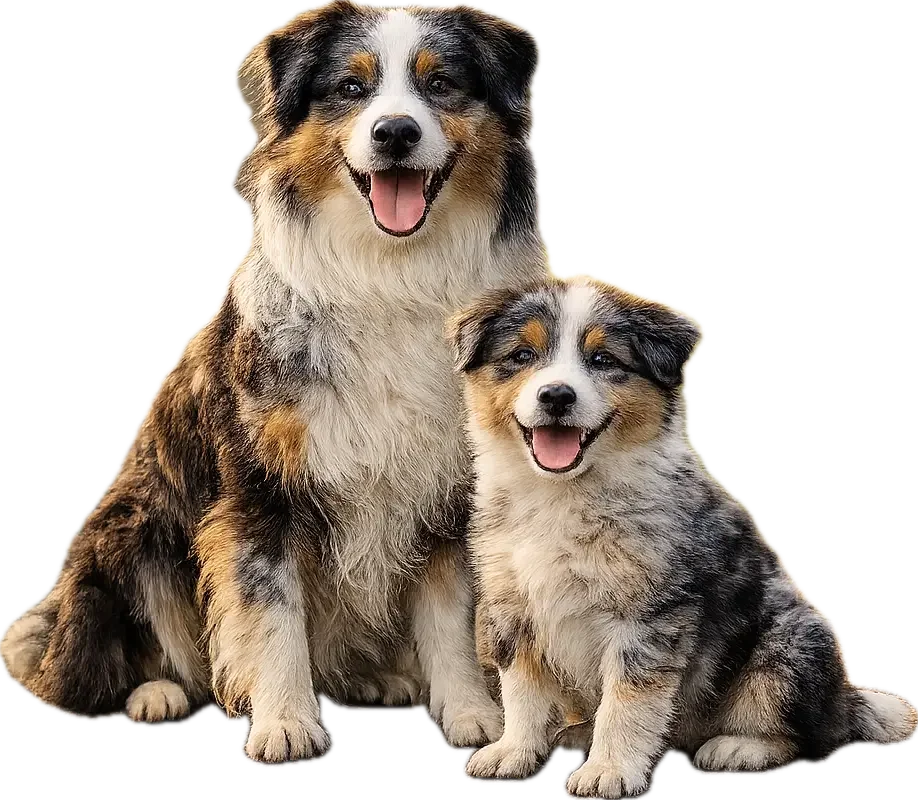
The Australian Shepherd, affectionately known as the Aussie, is one of America's most popular and versatile working dogs. Despite their name, Australian Shepherds were developed entirely in the United States as all-purpose ranch dogs for the rugged American West. These medium-sized, athletic dogs combine intelligence, trainability, and remarkable versatility, excelling at herding livestock, competing in dog sports, and serving as devoted family companions.
Australian Shepherds stand apart from other herding breeds through their adaptability and balanced temperament. While Border Collies specialize in sheep and Australian Cattle Dogs excel with cattle, Aussies work effectively with various livestock types and adapt to diverse roles. They're equally at home moving cattle on a ranch, competing in agility trials, or playing with children in the backyard, making them ideal for families wanting a working dog that's also a companion.
This comprehensive guide explores everything you need to know about Australian Shepherds including their American heritage and development, physical characteristics and distinctive appearance, temperament and personality traits, versatile working abilities, training requirements and methods, exercise and mental stimulation needs, health considerations and genetic issues, living with Australian Shepherds as family dogs, choosing and purchasing an Australian Shepherd, and whether this energetic breed is right for you.
History and Origins
Not Actually Australian
Despite their name, Australian Shepherds are thoroughly American dogs with no direct Australian heritage. The breed's name stems from a historical misunderstanding about sheep imported to America in the 1800s. Basque shepherds from the Pyrenees Mountains between France and Spain immigrated to the western United States, bringing their herding dogs. These shepherds often came via Australia after working sheep stations there, leading Americans to assume their dogs were Australian breeds.
In reality, Australian Shepherds were developed entirely in the American West, primarily California, as working ranch dogs for the booming livestock industry. Western ranchers needed versatile dogs capable of handling cattle, sheep, and other livestock in varied terrain and conditions. They created Australian Shepherds by crossing various herding breeds brought by European immigrants.
Foundation Stock and Development
The exact ancestry of Australian Shepherds remains unclear, but the breed likely includes Pyrenean Shepherds brought by Basque herders, Collies and other British herding breeds from American settlers, Spanish herding dogs from California and the Southwest, and possibly German herding breeds. These dogs were selected purely for working ability, creating adaptable ranch dogs suited to American conditions.
Early Australian Shepherds varied widely in appearance but shared working ability and intelligence. Ranchers in California, Colorado, and the western states refined the breed through the late 1800s and early 1900s. Dogs that could handle various livestock, work in different terrains, and adapt to changing ranch needs were valued and bred.
The breed gained widespread recognition through rodeo performances. Jay Sisler, a rodeo entertainer in the 1950s and 1960s, showcased his Australian Shepherds performing tricks and herding demonstrations at rodeos nationwide. His performances introduced millions to the breed, dramatically increasing popularity.
Recognition and Modern Development
The Australian Shepherd Club of America was founded in 1957 to preserve and promote the breed. ASCA maintained breed standards and registry focused on working ability. The breed's popularity grew steadily through the 1970s and 1980s as families discovered their versatility as both working dogs and companions.
The American Kennel Club recognized Australian Shepherds in 1993, a decision that remains somewhat controversial among working Aussie advocates. Some fear AKC show breeding emphasizes appearance over working ability. Today, distinct working lines and show lines exist, though the gap is less pronounced than in some herding breeds.
Australian Shepherds have become one of America's most popular breeds, ranking in the top 15 most registered dogs. They excel in numerous roles including ranch work, competitive dog sports, service and therapy work, search and rescue, and family companionship. Their versatility and trainability make them suitable for diverse applications beyond traditional herding.
Physical Characteristics
Size and Build
Australian Shepherds are medium-sized dogs with athletic, balanced builds designed for endurance and agility. Males typically stand 20-23 inches at the shoulder and weigh 50-65 pounds. Females are smaller at 18-21 inches and 40-55 pounds. This size provides an ideal balance between strength for cattle work and agility for sheep herding.
The breed's body is slightly longer than tall, creating a rectangular profile. They have deep chests providing lung capacity for sustained work. The back is strong and level, the loin muscular. Legs are straight and strong with moderate bone, neither heavy nor fine. Feet are oval and compact with thick pads. The overall structure suggests endurance and agility rather than extreme speed or power.
Australian Shepherds move with a smooth, effortless gait covering ground efficiently. At a trot, they exhibit balanced, ground-covering movement. When herding, they can burst into speed, turn sharply, and drop or stop instantly. This athletic versatility allows them to work varied livestock and terrain effectively.
Coat and Colors
Australian Shepherds have medium-length double coats that are weather-resistant and protective. The outer coat is straight to slightly wavy, medium texture, and moderately long. The undercoat varies seasonally, thicker in winter for insulation. Coat length is moderate on the body with longer hair on the neck, backs of legs, and tail creating a flowing appearance.
The breed displays remarkable color variety. Four base colors are recognized. Black includes solid black or black with white and copper markings. Red, actually a liver or brown color, appears solid or with white and copper markings. Blue merle features a mottled black and gray pattern often with white and copper markings. Red merle shows a mottled red and cream pattern often with white and copper markings.
White markings commonly appear on the face, chest, legs, and underside. Copper points typically mark the face, legs, and under the tail. Eye color varies widely including brown, amber, or blue. Merle dogs often have blue eyes or parti-colored eyes with one blue and one brown. Two blue eyes or mismatched eyes are acceptable in all colors.
Merle breeding requires caution. Breeding two merle dogs together creates double merle or homozygous merle puppies. These dogs often have excessive white, are deaf, blind, or have serious health issues. Responsible breeders never breed merle to merle.
Tail
Australian Shepherds historically had naturally bobbed tails or were docked as puppies. Natural bobtails range from completely absent to a few inches long. Docking created uniform short tails of about four inches. However, tail docking is increasingly controversial and banned in some countries and regions. Many modern Australian Shepherds have full natural tails.
Working ranch dogs often have docked or naturally bobbed tails to prevent injury in brush or during cattle work. Show dogs traditionally have short tails meeting breed standards. Pet Australian Shepherds increasingly have full tails as docking becomes less common.
Distinctive Features
Australian Shepherds have moderately sized heads with slightly rounded skulls. The muzzle tapers from base to nose with a moderate stop. Ears are triangular, moderate-sized, and set high on the head. They break forward or to the side when alert, giving an attentive expression.
The eyes are almond-shaped and expressive, conveying intelligence and alertness. Eye color varies from dark brown to amber to blue, with all colors acceptable. The expression is keen, intelligent, and friendly rather than intense or suspicious like some herding breeds.
The overall impression is of a balanced, athletic dog with beautiful coloring and an intelligent, approachable expression. Australian Shepherds look capable and ready for action without the extreme intensity of Border Collies or the hardness of Australian Cattle Dogs.
Temperament and Personality
Intelligence and Trainability
Australian Shepherds rank among the most intelligent dog breeds, typically placing in the top 10. They learn quickly, often mastering new commands in just a few repetitions. Their intelligence manifests as quick learning of commands and tasks, excellent problem-solving ability, strong memory for routines and places, ability to generalize learning to new situations, and eagerness to please their owners.
Unlike some herding breeds that work independently, Australian Shepherds are highly handler-focused. They want to work with their people, making them exceptionally trainable. This combination of intelligence and willingness creates dogs that excel in training-intensive activities like obedience, agility, and service work.
However, their intelligence requires mental engagement. Bored Australian Shepherds become creative problem-solvers, finding ways to entertain themselves that owners may not appreciate. They need regular training, jobs, and mental challenges to stay satisfied and well-behaved.
Energy Level and Work Drive
Australian Shepherds have high energy levels and strong work drive, though generally less intense than Border Collies. They were bred to work all day on ranches, moving livestock, performing chores, and staying active from dawn to dusk. Modern Australian Shepherds retain this stamina and need substantial daily activity.
Working Australian Shepherds can maintain steady activity for hours, moving cattle, gathering sheep, or performing ranch tasks. They have excellent endurance for sustained work but also explosive speed and agility for quick maneuvers. This balanced energy makes them versatile workers and sports competitors.
The work drive is strong but flexible. Australian Shepherds can switch between herding, fetching, learning tricks, and other activities, unlike single-minded specialists. This versatility makes them excellent for varied ranch work and diverse dog sports. They're happy to work but also capable of settling down when work is finished, making them easier to live with than some herding breeds.
Personality and Social Behavior
Australian Shepherds are typically friendly, outgoing dogs that enjoy being with their families. They form strong bonds with their people and want to be involved in family activities. Most Aussies are affectionate and enjoy attention, though individual dogs vary in their demonstrativeness.
The breed tends to be good-natured and approachable with a sense of fun and playfulness. They often have silly, entertaining personalities, performing antics that amuse their families. This playful nature persists into adulthood, unlike some breeds that become serious as they mature.
Australian Shepherds can be reserved with strangers initially, taking time to warm up to new people. However, they're not typically aggressive or overly suspicious. With proper socialization, they're polite and accepting of visitors and new situations. Some develop protective instincts toward their families and property but usually without excessive guarding behavior.
Most Australian Shepherds are social with other dogs when properly socialized. They generally enjoy canine companionship and play well with other dogs. However, their herding instinct may lead them to try controlling or chasing dogs during play. Early socialization and ongoing dog interactions help develop good social skills.
Herding Instinct
Strong herding instinct is fundamental to Australian Shepherds. Even pet Aussies with no livestock exposure often display herding behaviors including stalking and chasing moving objects, circling and grouping family members or pets, nipping at heels during play or excitement, trying to control children's movement, and becoming focused on moving vehicles, bikes, or joggers.
These behaviors stem from genetics, not training. They're instinctive responses to movement and can be challenging to manage. Training and proper outlets help channel herding drive appropriately. Without management, herding behavior can become problematic, particularly with children or in urban settings.
Working Abilities and Versatility
Herding Style
Australian Shepherds use a loose-eyed, upright herding style contrasting with Border Collies' intense eye and crouch. They work more on their feet, using movement, body position, and often barking to control livestock rather than hypnotic staring. This style is versatile and effective with various livestock types.
Aussies typically work closer to livestock than wide-gathering breeds, using their presence and movement to direct animals. They combine gathering ability with driving skill, able to bring livestock to handlers or push them away as needed. The loose-eyed style allows them to move freely and adjust quickly to livestock behavior.
Australian Shepherds often use their voice while working, barking to move stubborn livestock. This differs from silent Border Collie work but is effective, particularly with cattle that ignore quiet pressure. Good working Aussies bark purposefully, not excessively, using voice as a tool rather than expressing anxiety.
Working Different Livestock
Australian Shepherds excel with cattle, their traditional specialty. They're large enough to handle cattle confidently, fearless with aggressive animals, and assertive enough to move stubborn stock. Their loose-eyed style works well with cattle that don't respond to intense eye contact. Aussies can gather cattle, drive them long distances, sort them in pens, and load them into trailers.
Many Australian Shepherds work sheep effectively, though their style differs from Border Collie precision. They gather, move, and pen sheep successfully but may lack the finesse of intense-eyed specialists. For most ranch work and small flocks, their ability is more than adequate.
The breed works goats, ducks, and other livestock capably. Their versatility allows them to handle whatever animals a diversified ranch raises. This adaptability is a key advantage over specialists who excel with one livestock type but struggle with others.
Ranch Work and Multiple Roles
Australian Shepherds were developed as all-purpose ranch dogs, not just herding specialists. On working ranches, they often perform multiple roles including moving and gathering livestock, protecting property and alerting to visitors, controlling vermin and small predators, riding in vehicles to check pastures and livestock, and serving as companions for ranch families. This versatility makes them ideal for operations needing one dog to handle varied tasks.
Dog Sports Excellence
Australian Shepherds dominate many dog sports, showcasing their intelligence, trainability, and athleticism. They excel in agility with speed and precision navigating complex courses, earning numerous championships. They compete successfully in herding trials on cattle, sheep, and ducks. They demonstrate precision in obedience and rally competitions. They perform in flyball relay teams. They compete in disc dog competitions catching flying discs. They excel in dock diving for distance or height. They participate in nose work and scent detection.
Competitive dog sports provide excellent outlets for Australian Shepherd energy and intelligence. Many pet Aussies thrive in these activities, channeling their drive into structured performance. Success in dog sports requires training commitment but offers tremendous rewards for both dog and handler.
Training Requirements
Early Training and Socialization
Training should begin early with Australian Shepherd puppies. Start socialization between 8-16 weeks old, exposing puppies to varied people, places, sounds, and situations. Well-socialized Aussies develop into confident, stable adults comfortable in diverse environments. Begin basic obedience by 10-12 weeks old including sit, down, stay, come, and loose-leash walking.
Australian Shepherds are sensitive and responsive, learning quickly with positive methods. They don't need harsh corrections and may become anxious or shut down with rough handling. Use praise, play, and treats to motivate training. Keep sessions upbeat and fun, building on success.
Basic Obedience
Solid obedience is essential for managing Australian Shepherds. Critical commands include reliable recall to call them away from livestock, people, or distractions, solid down-stay for control in various situations, loose-leash walking preventing pulling and lunging, leave it to stop chasing or grabbing inappropriate items, and calm settling to prevent constant pestering for attention or play.
Australian Shepherds learn basic commands quickly, often in just a few repetitions. However, they can also become bored with repetitive drilling. Keep training varied and interesting, teaching new skills and tricks regularly. Use training as mental exercise as well as obedience development.
Managing Herding Behaviors
Herding instinct creates management challenges, particularly with children, pets, or in urban settings. Strategies include redirecting herding drive to appropriate outlets like herding training or dog sports, teaching incompatible behaviors like going to a place or holding a toy, managing triggers by controlling exposure to moving objects that trigger chasing, and providing adequate exercise reducing excess energy fueling herding behavior.
Never punish herding behavior harshly as it's instinctive, not disobedience. Instead, redirect the drive into acceptable channels. Many Australian Shepherds benefit from herding lessons or instinct testing, allowing them to use their natural abilities appropriately.
Advanced Training
Australian Shepherds thrive with advanced training beyond basic obedience. Options include herding training on livestock, competition obedience or rally, agility training, trick training and dog dancing, scent work and nose games, and service or therapy dog training. Advanced training provides mental stimulation, strengthens the human-dog bond, and gives Aussies meaningful work satisfying their drive.
Common Training Challenges
Typical training challenges include excessive energy interfering with focus requiring adequate exercise before training, herding behaviors toward children or pets needing redirection, noise sensitivity or reactivity requiring gradual desensitization, and separation anxiety from strong bonding needing independence training. Address challenges with consistent training, adequate exercise, and professional help when needed.
Exercise and Mental Stimulation Needs
Physical Exercise Requirements
Australian Shepherds need substantial daily exercise to remain healthy and well-behaved. Minimum requirements include 1-2 hours of vigorous activity daily for adult dogs. This should be active exercise, not just yard time. Ideal activities include long walks, hikes, or runs covering several miles, fetch or frisbee sessions, swimming for full-body exercise, agility or other dog sport training, herding work for working dogs, and bike riding or inline skating for distance work.
Australian Shepherds adapt to various exercise routines but need consistency. They're happiest with daily jobs or activities rather than sporadic weekend exercise. Build regular activity into your routine to keep your Aussie satisfied.
Mental Stimulation
Mental exercise is as important as physical activity for Australian Shepherds. Their intelligent minds need constant engagement. Without mental work, they become bored and destructive regardless of physical exercise. Mental stimulation options include daily training sessions teaching new commands or tricks, puzzle toys and interactive feeders, nose work and scent games, problem-solving activities, new experiences and environments, and dog sports training and practice.
Australian Shepherds love learning and problem-solving. Invest 10-20 minutes daily in training or mental games. This mental workout often tires them as much as physical exercise while strengthening your bond and improving obedience.
Consequences of Inadequate Exercise
Australian Shepherds without sufficient activity develop behavioral problems including destructive chewing of furniture, doors, or belongings, excessive barking or whining, obsessive behaviors like tail chasing or shadow chasing, hyperactivity and inability to settle, herding or nipping at family members, anxiety and stress-related behaviors, and digging in yards or gardens.
Most Australian Shepherd behavioral problems stem from insufficient exercise and mental stimulation. Before labeling an Aussie as misbehaved, ensure they're receiving adequate physical and mental work. A tired, mentally satisfied Australian Shepherd is a well-behaved dog.
Health and Lifespan
General Health
Australian Shepherds are generally healthy dogs with average lifespans of 12-15 years. Many remain active and healthy well into their teens. Responsible breeding and health testing minimize genetic issues, but the breed has several health concerns owners should understand.
Common Health Issues
Hip dysplasia is a genetic condition where the hip joint develops abnormally, causing pain and arthritis. Reputable breeders screen parents with OFA or PennHIP evaluation. Elbow dysplasia is similar to hip dysplasia but affects the elbow joints. Responsible breeders screen for both hip and elbow problems.
Progressive retinal atrophy is an inherited eye disease causing gradual vision loss leading to blindness. Several forms affect Australian Shepherds. Genetic testing identifies carriers. Collie eye anomaly is another inherited eye condition affecting retinal development. Most cases are mild but severe forms impair vision. Breeders screen for CEA. Cataracts can develop in Australian Shepherds, both juvenile and age-related forms. Some are hereditary.
Epilepsy occurs in Australian Shepherds with varying severity. Genetics play a role but inheritance is complex. Multiple drug sensitivity affects dogs with the MDR1 gene mutation. These dogs show severe reactions to certain medications including ivermectin, loperamide, and other drugs. Testing identifies affected dogs, allowing veterinarians to avoid problematic medications. This is particularly important in herding breeds.
Deafness is more common in merle Australian Shepherds, particularly those with excessive white markings. Puppies should be hearing tested. Hypothyroidism, where the thyroid produces insufficient hormones, can occur. Symptoms include weight gain, lethargy, and coat problems. Treatment is lifelong medication.
Health Testing
Responsible breeders perform comprehensive health testing including hip and elbow evaluations through OFA or PennHIP, eye examinations by board-certified veterinary ophthalmologists, genetic testing for progressive retinal atrophy, MDR1, and other conditions, and maintaining health records on breeding dogs and offspring. Request proof of health testing before purchasing puppies. Avoid breeders who cannot provide documentation.
Preventing Health Problems
Maintain appropriate body condition to prevent obesity-related issues and reduce joint stress. Australian Shepherds should be lean and athletic. Provide regular veterinary care including annual examinations, appropriate vaccinations, dental care, and parasite prevention. Feed high-quality nutrition appropriate for age and activity level. Provide adequate exercise to maintain fitness and mental health. Monitor for behavior changes that might indicate health issues.
Living with Australian Shepherds
As Family Companions
Australian Shepherds can be wonderful family dogs in active homes providing adequate exercise and mental stimulation. They're loyal, affectionate, and enjoy being involved in family activities. Most Aussies are good with children when properly raised and socialized. They're playful and entertaining, providing endless amusement with their antics.
However, Australian Shepherds are not low-maintenance pets. They need extensive daily exercise, regular training and mental stimulation, jobs or activities providing purpose, understanding and management of herding instincts, and grooming to manage shedding. Families unable to provide these may struggle with behavioral problems.
With Children
Australian Shepherds can be excellent with children in families managing their herding instinct. They're typically gentle and tolerant, enjoying playing with kids. Many become protective of family children. However, challenges include herding behaviors like nipping at heels, chasing running children, becoming overstimulated by children's noise and activity, and accidentally knocking over small children during play.
Australian Shepherds raised with children from puppyhood typically adapt well. Train both dog and children about appropriate interaction. Supervise play sessions, particularly with young children. Redirect herding behaviors immediately. Teach children to move calmly around the dog and respect the dog's space.
With Other Pets
Most Australian Shepherds are good with other dogs when properly socialized. They often enjoy canine companionship and do well in multi-dog homes. However, their herding instinct may lead to attempts at controlling or chasing other dogs during play. Some Australian Shepherds can be bossy or assertive with other dogs.
Australian Shepherds can coexist with cats if raised together from puppyhood. However, their strong chase drive means they may pursue cats that run. Some Aussies have high prey drive and are not safe with small pets like rabbits or guinea pigs. Never trust them unsupervised with small animals.
Housing and Living Space
Australian Shepherds adapt to various living situations if exercise needs are met. Rural properties with space to run are ideal for working or very active Aussies. Suburban homes with fenced yards work well if owners provide adequate exercise and activities. Urban apartments are challenging but possible with committed owners providing several hours of daily exercise and mental stimulation.
Australian Shepherds need secure fencing. They can jump 4-5 feet and may find ways to escape if bored or under-exercised. Six-foot fencing prevents jumping. Ensure gates are secure and check for dig spots under fences.
Grooming and Maintenance
Australian Shepherds have moderate grooming needs. Their double coat requires brushing 2-3 times weekly to prevent matting and remove dead hair. During spring and fall shedding seasons, daily brushing reduces loose hair in the home. They shed moderately year-round with heavy seasonal shedding twice yearly.
Bathing is needed every 6-12 weeks or when dirty. The coat naturally repels dirt but collects burrs and debris in outdoor work. Nail trimming every 2-4 weeks prevents overgrowth. Active dogs may wear nails naturally. Ear cleaning prevents infection, particularly important in dogs with drop ears. Dental care through brushing or dental chews maintains oral health.
Diet and Nutrition
Australian Shepherds need high-quality food supporting their energy and activity levels. Active adult Aussies typically need 2-3 cups of quality kibble daily, adjusted for individual metabolism and activity. Working dogs or very active sports dogs may need more. Feed twice daily rather than free-feeding to prevent bloat and maintain appetite. Provide constant fresh water access. Choose food appropriate for life stage including puppy formulas for growing dogs and senior formulas for older Aussies.
Choosing and Purchasing an Australian Shepherd
Is an Australian Shepherd Right for You?
Australian Shepherds are ideal for active individuals or families with time for extensive daily exercise, interest in dog training and sports, experience with intelligent, energetic dogs, suburban or rural properties with space, willingness to manage herding instincts, and commitment to grooming and coat care.
Australian Shepherds are not recommended for sedentary individuals or families, first-time dog owners without research and preparation, people wanting a low-maintenance pet, apartment dwellers without exercise commitment, families unable to provide daily training and activity, and those unwilling to manage shedding and grooming.
Self-Assessment Questions
Before getting an Australian Shepherd, honestly answer these questions. Can you provide 1-2 hours of exercise daily? Do you have time for regular training and mental stimulation? Can you manage herding behaviors with children or pets? Are you prepared for extensive shedding? Will you engage in dog sports or activities? Can you commit to grooming several times weekly? Do you have secure fencing and appropriate housing?
If you cannot answer yes to these questions, consider other breeds. Many wonderful dogs require less exercise and offer companionship without Australian Shepherd demands.
Working Lines vs Show Lines
Australian Shepherds divide into working lines and show lines with some differences. Working lines are bred for ranch work and herding ability, may vary more in appearance, possess strong herding drive and work ethic, and typically come from ranch or farm breeders. Show lines are bred for appearance matching breed standard, have more uniform structure and coat, often have somewhat reduced working drive, may suit active pet homes well, and come from show breeders.
The division is less extreme than in some breeds. Many Australian Shepherds from show lines retain good working ability. Many from working lines meet show standards. Choose based on your needs and the specific dog rather than line alone.
Finding Reputable Breeders
Quality breeders perform health testing including hip, elbow, and eye evaluations plus genetic testing. They breed dogs with proven working ability or show success. They raise puppies in home environments with early socialization. They provide references from previous buyers. They screen buyers carefully and refuse inappropriate homes. They offer contracts with health guarantees and lifetime support.
Warning signs of poor breeders include no health testing documentation, breeding dogs under 2 years old, multiple litters available constantly, selling puppies before 8 weeks, inability to show facilities or parents, and refusing to provide references.
Evaluating Puppies
When evaluating puppies, observe the litter interacting to assess personalities. Meet both parents if possible to evaluate temperament. Look for confident, friendly puppies that approach readily. Avoid overly shy, fearful, or aggressive puppies. Check for clean eyes, ears, and coat. Watch movement for lameness or abnormality. Request health testing documentation for parents.
Cost Considerations
Australian Shepherd prices vary based on breeding and purpose. Pet-quality puppies from working or show lines cost 800-1500 dollars. Show-quality puppies from champion lines cost 1500-2500 dollars. Working prospects from proven working parents cost 1000-2000 dollars. Started dogs with basic training cost 2000-4000 dollars.
Initial costs include veterinary care at 300-600 dollars, spaying or neutering at 200-500 dollars, and basic supplies at 200-400 dollars. Annual costs include food at 400-800 dollars, veterinary care at 200-400 dollars, and grooming supplies or professional grooming at 100-400 dollars.
Adoption and Rescue
Australian Shepherd rescue organizations place dogs needing homes nationwide. Many are owner surrenders from families unprepared for the breed's energy. Rescued Aussies can be excellent companions in appropriate homes. However, they may have unknown histories, behavioral issues from lack of exercise or training, or health problems. Adoption fees range from 200-500 dollars. Reputable rescues evaluate dogs and match them appropriately to adopters.
Conclusion
The Australian Shepherd is a remarkable breed combining intelligence, trainability, versatility, and athleticism into a medium-sized, beautiful package. Despite their name, these thoroughly American dogs were developed on western ranches to handle varied livestock and perform multiple roles. This heritage created adaptable, capable dogs that excel at ranch work, dog sports, and family companionship.
Australian Shepherds are not casual pets or weekend companions. They need substantial daily exercise, constant mental stimulation, regular training, and meaningful activities. Without appropriate outlets, they become destructive, anxious, and difficult to manage. Their herding instinct creates challenges, particularly with children or in urban settings.
However, in active, committed homes, Australian Shepherds are extraordinary companions. For ranchers, they're versatile workers handling cattle, sheep, and varied tasks. For dog sports enthusiasts, they're talented, willing athletes excelling at any activity. For active families, they're loyal, entertaining companions providing years of devotion and amusement.
If you're considering an Australian Shepherd, honestly assess your ability to meet their needs. Don't choose this breed solely for their beautiful appearance or because they seem fun. Choose them because you understand the commitment, embrace active lifestyle with your dog, and genuinely want an intelligent, energetic partner who'll be involved in every aspect of your life.
For those ready for the responsibility, Australian Shepherds reward dedication with unwavering loyalty, remarkable intelligence, impressive versatility, and enthusiastic companionship. They're dogs that want to be with you, work with you, and share your life completely. Few breeds offer such a rewarding partnership when their needs are met and their remarkable abilities are appreciated.