
Best Farm and Ranch Dog Breeds: Complete Guide to Working Dogs
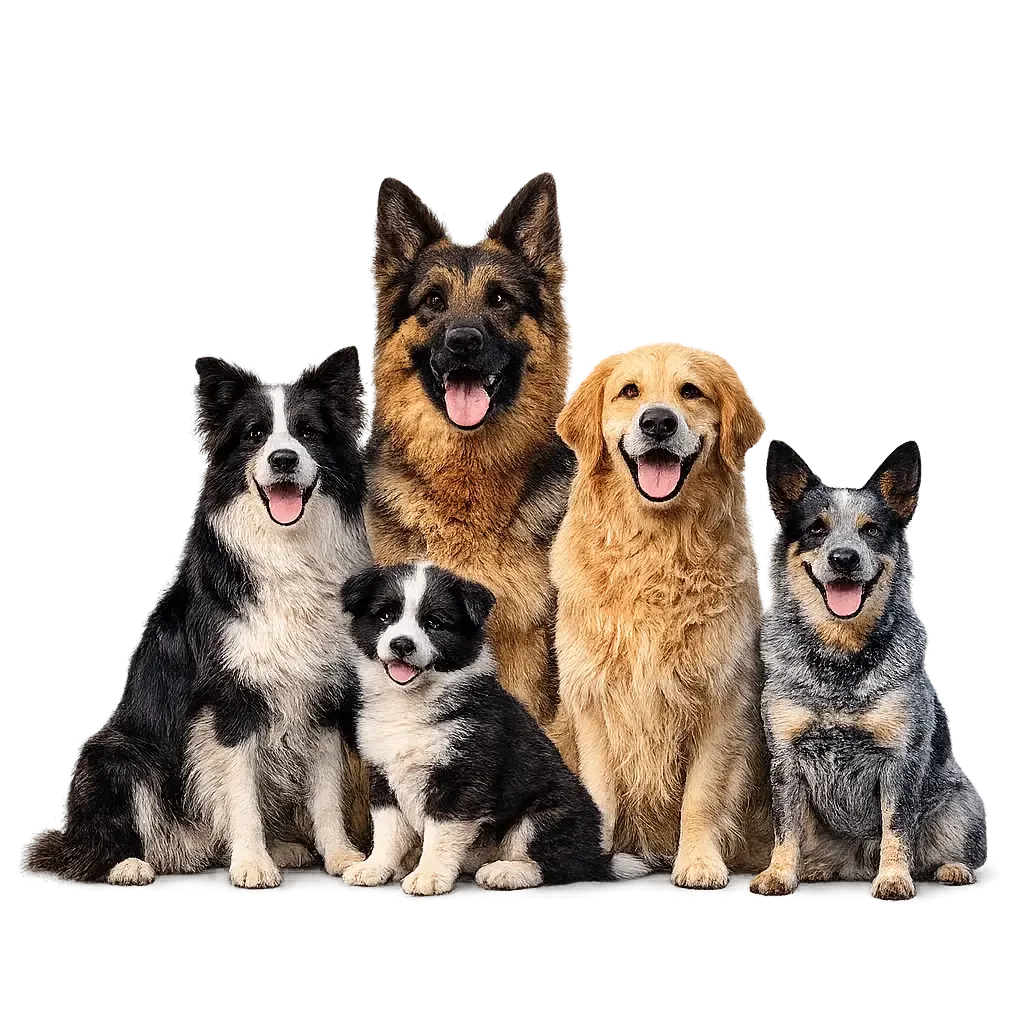
Working dogs have been essential partners on farms and ranches for thousands of years. These specialized breeds help manage livestock, protect property, and control pests, making agricultural operations more efficient and effective. Choosing the right working dog for your farm or ranch is crucial for success, as different breeds excel at different tasks.
The best dog breed for a farm or ranch depends on the specific work they need to perform. Experts typically group working farm dogs into three main categories: herding dogs, livestock guardian dogs, and pest control dogs. Each category serves distinct purposes and requires different temperaments, training approaches, and management styles.
This comprehensive guide covers the top farm and ranch dog breeds, their specific capabilities, training requirements, and ideal uses. Whether you're managing cattle, raising sheep, protecting poultry from predators, or controlling rodent populations, you'll find detailed information to help select the perfect working dog for your operation.
Understanding Working Dog Categories
Herding Dogs
Herding dogs are bred to move and manage livestock like sheep, cattle, goats, and poultry. These intelligent, energetic dogs use various techniques including eye contact, barking, nipping, and body positioning to control animal movement. Herding breeds typically have high energy levels, intense focus, strong work drive, and exceptional intelligence. They require extensive training and regular work to remain mentally and physically satisfied.
Herding dogs excel at gathering scattered livestock, moving animals between pastures, sorting livestock for medical treatment or market, keeping flocks together while grazing, and loading livestock into trailers or chutes. The most effective herding dogs can replace several human workers, saving significant labor costs on working farms and ranches.
Livestock Guardian Dogs
Livestock guardian dogs protect flocks and herds from predators. Unlike herding dogs that actively move livestock, guardians live with the animals they protect, bonding with them and defending against threats. These breeds are typically large, independent, calm with livestock but fierce with predators, and able to work without human direction. They patrol territory, deter predators through presence and barking, and fight predators if necessary to protect their charges.
Guardian dogs are essential for operations facing predator pressure from coyotes, wolves, bears, mountain lions, or feral dogs. A well-trained livestock guardian dog can dramatically reduce predator losses, often paying for their keep many times over through livestock saved.
Pest Control and Ratting Dogs
Terriers and other small, tenacious breeds help control rodent and pest populations on farms. These dogs hunt rats, mice, and other small vermin that damage stored grain, spread disease, and create structural problems. Pest control dogs are typically small to medium-sized, have high prey drive, are fearless and determined, and can work in barns, grain storage, and tight spaces.
Effective ratting dogs can eliminate hundreds of rodents annually, reducing feed losses, preventing disease transmission, and minimizing structural damage from rodent activity.
Herding Dog Breeds
Border Collie
The Border Collie is widely considered the smartest and most efficient herding dog in the world. Developed in the border region between Scotland and England, these medium-sized dogs are legendary for their intense work ethic, incredible intelligence, and precision herding ability.
Physical Characteristics
Border Collies are medium-sized dogs standing 18-22 inches at the shoulder and weighing 30-55 pounds. They have a moderate to long double coat that can be smooth or rough. Coat colors include black and white (most common), red and white, tricolor, blue merle, red merle, and various other combinations. Their build is athletic and agile with strong, muscular legs built for speed and endurance, a balanced body allowing quick direction changes, and intense, focused eyes that are their primary herding tool.
Temperament and Behavior
Border Collies possess extraordinary intelligence, consistently ranking as the smartest dog breed. They have intense focus and concentration, able to maintain attention on livestock for hours. Their work drive is exceptional, with many Border Collies seemingly obsessed with working. They are highly trainable and eager to please, though they can be sensitive to harsh correction. Border Collies are energetic and require substantial daily exercise and mental stimulation.
These dogs tend to be reserved with strangers, loyal and devoted to their handlers, and can be intense and serious rather than playful. Without adequate work or exercise, Border Collies often develop behavioral problems including obsessive behaviors, destructiveness, excessive barking, and neurotic tendencies.
Herding Style and Capabilities
Border Collies are famous for their "eye" - an intense, hypnotic stare they use to control livestock. They work silently or with minimal barking, using eye contact and body position to move animals. Their approach is typically a low, crouching stalk, and they can gather widely scattered livestock over large areas with minimal commands.
Border Collies excel with sheep, their traditional specialty, but also work effectively with cattle, though some can be intimidated by large or aggressive cattle. They manage goats, ducks, and other livestock, and can be trained for specific tasks like penning, shedding (separating specific animals), and driving. A well-trained Border Collie can manage hundreds of sheep with little human direction, making them invaluable on large sheep operations.
Training Requirements
Border Collies require extensive, consistent training starting young. Begin basic obedience training at 8-12 weeks old, introduce livestock gradually at 6-12 months, and continue refining skills throughout their working life. These dogs need patient, firm, consistent handlers who understand herding principles and can read livestock behavior. Training should be positive reinforcement-based but firm, as Border Collies are sensitive to correction but also strong-willed.
Common training challenges include excessive enthusiasm that can stress livestock, developing bad habits if started too young on livestock, and obsessive tendencies that need channeling appropriately. Professional herding instruction is highly recommended for first-time Border Collie owners.
Exercise and Mental Stimulation Needs
Border Collies have extremely high exercise requirements. They need a minimum of 1-2 hours of vigorous exercise daily, ideally including actual herding work or herding training. Without real work, they benefit from agility training, flyball, frisbee, or other dog sports, long runs or hikes, and complex puzzle toys and training exercises.
Mental stimulation is as important as physical exercise for Border Collies. They thrive on learning new commands and tasks, solving problems, and having a job to do. Bored Border Collies become destructive, neurotic, and difficult to manage.
Health Considerations
Border Collies are generally healthy dogs with a lifespan of 12-15 years. Common health issues include hip dysplasia, progressive retinal atrophy, collie eye anomaly, epilepsy, and deafness in merle-colored dogs. Responsible breeders screen for genetic conditions. Working Border Collies need regular veterinary care, quality nutrition to support their energy demands, and protection from extreme weather during intense work sessions.
Best For
Border Collies are ideal for sheep operations of any size, cattle ranches needing gathering and sorting help, experienced dog handlers who understand herding, active owners able to provide extensive daily exercise and mental stimulation, farms where the dog will have regular work, and competitive herding trial participants.
Not Recommended For
Border Collies are not suitable for first-time dog owners without herding experience, farms wanting a casual pet that happens to herd, families with young children as Border Collies may try to herd them, urban or suburban settings without adequate exercise opportunities, or owners unable to provide several hours of daily activity and training.
Cost Considerations
Well-bred Border Collie puppies from working lines cost 800-2000 dollars. Started dogs with basic training range from 2000-5000 dollars. Fully trained working dogs command 5000-15000 dollars depending on skill level and proven ability. While the initial cost is significant, a good Border Collie can save thousands of dollars annually in labor costs on sheep and cattle operations.
Australian Shepherd
Despite their name, Australian Shepherds were developed in the western United States to herd livestock on ranches. These versatile, medium-sized dogs are known for their athleticism, intelligence, and adaptability to various herding situations and livestock types.
Physical Characteristics
Australian Shepherds stand 18-23 inches tall and weigh 40-65 pounds. They have a medium-length double coat in colors including blue merle, red merle, black, and red, often with white and copper markings. Their build is slightly longer than tall, muscular and athletic, with strong, agile legs and often naturally bobbed or docked tails.
Temperament and Behavior
Australian Shepherds are highly intelligent and trainable, energetic with strong work drive, loyal and devoted to family, friendly and outgoing compared to Border Collies, and protective of their territory and family. They are more versatile than some herding breeds, adapting well to various tasks and environments. Aussies are often more social and playful than Border Collies while maintaining excellent working ability.
Herding Style and Capabilities
Australian Shepherds use a looser, more upright herding style than Border Collies, often relying more on barking and movement than "eye." They are excellent with cattle, fearless and assertive with large livestock, and work well with sheep, goats, and poultry. Aussies excel in rough terrain and varied conditions, are versatile workers handling multiple livestock types, and can work independently or take direction.
Australian Shepherds are particularly valued on cattle ranches where their size, courage, and loose-eyed style work better than intense Border Collie methods. They can handle aggressive cattle that might intimidate smaller or more sensitive breeds.
Training Requirements
Australian Shepherds require consistent training but are generally easier for novice handlers than Border Collies. They need basic obedience starting young, gradual livestock introduction at 6-12 months, and ongoing training throughout life. Aussies respond well to positive reinforcement, learn quickly and retain training, and can sometimes be headstrong requiring firm, fair leadership.
Exercise and Activity Needs
Australian Shepherds need 1-2 hours of vigorous daily exercise, including actual work, hiking, running, or dog sports. They enjoy agility, flyball, dock diving, and other athletic activities. Without adequate exercise, Aussies can become destructive, bark excessively, or develop obsessive behaviors, though generally less intensely than Border Collies.
Health Considerations
Australian Shepherds live 12-15 years. Common health issues include hip and elbow dysplasia, eye problems including cataracts and progressive retinal atrophy, epilepsy, and sensitivity to certain medications in dogs with MDR1 gene mutation. Merle-to-merle breeding should be avoided due to serious health problems in resulting puppies.
Best For
Australian Shepherds excel on cattle ranches, mixed livestock operations, farms wanting a versatile working and family dog, active families with experience handling energetic breeds, competitive dog sports and herding trials, and operations needing a dog that can adapt to varied tasks.
Cost Considerations
Australian Shepherd puppies from working lines cost 800-1500 dollars. Started dogs cost 2000-4000 dollars. Fully trained working dogs range from 4000-10000 dollars. Show-line Aussies may cost more but often have less working ability than ranch-bred dogs.
Australian Cattle Dog (Blue Heeler/Red Heeler)
Australian Cattle Dogs, commonly called Blue Heelers or Red Heelers based on their color, were developed in Australia specifically to drive cattle over long distances in harsh conditions. These tough, compact dogs are renowned for their endurance, courage, and ability to handle difficult cattle.
Physical Characteristics
Australian Cattle Dogs stand 17-20 inches tall and weigh 35-50 pounds. They have a short, dense double coat in blue or red speckle patterns. Their build is compact and muscular, extremely sturdy and well-balanced, with strong legs built for endurance and powerful jaws for heeling cattle.
Temperament and Behavior
Australian Cattle Dogs are intensely loyal and protective, independent and intelligent, courageous and fearless with livestock, wary of strangers, and tenacious with strong work drive. They bond very closely with one person or family, can be aggressive toward other dogs if not socialized, and have high energy and exercise requirements.
Herding Style and Capabilities
Australian Cattle Dogs are "heelers" - they control cattle by nipping at their heels. This driving style involves working behind cattle to push them forward, biting heels to encourage movement, and low, quick movements to avoid kicks. They excel with cattle, particularly difficult or stubborn individuals, and work in rough, hot conditions where other breeds struggle. Australian Cattle Dogs can work long distances and extended hours, and handle aggressive cattle fearlessly.
Their heeling style makes them less suitable for sheep, which can be stressed by nipping. They're primarily cattle specialists, though they can adapt to other livestock with training.
Training Requirements
Australian Cattle Dogs require firm, consistent training from an experienced handler. They need early socialization to prevent aggression, clear boundaries and leadership, and work or exercise to channel their intense drive. These dogs can be stubborn and independent, may challenge authority if leadership is unclear, and need a job to prevent destructive behaviors.
Exercise and Activity Needs
Australian Cattle Dogs need extensive daily exercise including 1-2 hours minimum of vigorous activity, ideally cattle work or other demanding tasks. They enjoy agility, herding trials, and endurance activities. Without adequate exercise, Cattle Dogs become destructive, obsessive, and aggressive.
Health Considerations
Australian Cattle Dogs are very hardy with a 12-16 year lifespan. Health issues include progressive retinal atrophy, hip dysplasia, and deafness (particularly in dogs with excessive white markings). They are generally tough, resilient dogs requiring minimal veterinary care beyond routine maintenance.
Best For
Australian Cattle Dogs excel on cattle ranches and feedlots, operations with difficult or aggressive cattle, hot, harsh climate ranching, experienced handlers wanting an intense working dog, and owners able to provide very high exercise and mental stimulation.
Not Recommended For
These dogs are not suitable for novice dog owners, families with small children, suburban settings without adequate exercise, or operations primarily working sheep or small livestock.
Cost Considerations
Australian Cattle Dog puppies cost 500-1200 dollars from working lines. Started dogs cost 1500-3000 dollars. Fully trained working dogs range from 3000-8000 dollars.
English Shepherd
English Shepherds are versatile American farm dogs descended from British herding breeds. These medium-sized, all-purpose dogs excel at herding, guarding, and pest control, making them ideal for small to medium-sized diversified farms.
Physical Characteristics
English Shepherds stand 18-23 inches tall and weigh 40-60 pounds. They have a medium-length double coat in black and white, black and tan, sable and white, or tricolor patterns. Their build is moderate and balanced, athletic but not extreme, with strong, versatile body structure.
Temperament and Behavior
English Shepherds are intelligent and independent, calm and level-headed, loyal and protective of family and farm, versatile and adaptable, and good with children and other animals when raised together. They are less intense than Border Collies but highly capable, have natural guarding instincts without aggression, and can switch between herding, guarding, and companionship roles.
Herding Style and Capabilities
English Shepherds use a balanced, natural herding style, working with both "eye" and bark as needed. They are versatile with various livestock types including cattle, sheep, goats, and poultry. English Shepherds can gather, drive, and pen livestock, and work independently with minimal direction. They tend to be gentler than intense herding specialists, making them suitable for small farm settings.
Additional Farm Roles
Beyond herding, English Shepherds excel at protecting poultry and livestock from predators, controlling vermin and small pests, watching over property and alerting to visitors, and serving as loyal family companions. This versatility makes them ideal for small diversified farms where one dog needs to handle multiple roles.
Training Requirements
English Shepherds are moderately easy to train, naturally understanding farm work with minimal instruction. They respond well to positive reinforcement, can be independent thinkers, and need socialization and basic obedience. These dogs often develop their working style naturally with exposure to livestock.
Exercise and Activity Needs
English Shepherds need moderate to high daily exercise including 1 hour minimum of activity, regular farm work or walks, and mental stimulation through training or jobs. They adapt better to varied schedules than intense specialists like Border Collies.
Health Considerations
English Shepherds are generally very healthy with 12-15 year lifespans. Health issues are minimal in well-bred dogs, with occasional hip dysplasia or eye problems. They are hardy, adaptable dogs suited to various climates.
Best For
English Shepherds are ideal for small to medium diversified farms, families wanting a working dog and pet combination, farms with mixed livestock types, first-time working dog owners, homesteads needing versatile assistance, and operations wanting natural guarding with herding ability.
Cost Considerations
English Shepherd puppies from working lines cost 600-1200 dollars. Started dogs cost 1500-2500 dollars. The breed is less common than Border Collies or Aussies but growing in popularity among small farmers.
Old English Sheepdog
Old English Sheepdogs are large, shaggy herding dogs originally used to drive sheep and cattle to market in England. While less common as working dogs today, they retain herding instincts and can be effective on farms, particularly with gentle livestock management.
Physical Characteristics
Old English Sheepdogs stand 21-24 inches tall and weigh 60-100 pounds. They have a profuse, shaggy double coat in gray, blue, or blue merle with white markings. Their build is large and stocky, square and powerful, with a distinctive shuffling gait.
Temperament and Behavior
Old English Sheepdogs are gentle and patient, intelligent but somewhat independent, playful and clownish, protective of family and livestock, and adaptable and even-tempered. They are less intense than most herding breeds, good with children, and calm in temperament.
Herding Style
Old English Sheepdogs use a driving style, working behind livestock. They rely on their large size and presence rather than intense eye or nipping, bark to move livestock, and are gentle and patient with animals. They work best with calm livestock in non-stressful situations.
Maintenance Considerations
Old English Sheepdogs require extensive grooming, with daily brushing to prevent matting, professional grooming every 6-8 weeks, and potential trimming for working dogs. Many working farm owners keep their coats clipped short for practicality.
Best For
Old English Sheepdogs suit small farms with gentle livestock management, families wanting a herding breed with calm temperament, hobby farms and homesteads, and owners able to manage extensive grooming needs.
Cost Considerations
Old English Sheepdog puppies cost 1200-2500 dollars. Working-bred dogs are less common than show lines. Grooming costs add 50-100 dollars monthly if professionally maintained.
Shetland Sheepdog
Shetland Sheepdogs, or Shelties, are small herding dogs from the Shetland Islands of Scotland. These miniature collie-type dogs were bred to herd sheep in harsh island conditions and remain capable working dogs on small farms.
Physical Characteristics
Shetland Sheepdogs stand 13-16 inches tall and weigh 15-25 pounds. They have a long, dense double coat in sable, black, or blue merle with white and tan markings. Their build is small but sturdy, athletic and agile, and similar to a miniature Rough Collie.
Temperament and Behavior
Shelties are highly intelligent and trainable, energetic with herding drive, loyal and devoted, vocal and alert, and gentle and good with children. They can be reserved with strangers and are sensitive to harsh correction.
Herding Style and Capabilities
Shetland Sheepdogs use eye and bark to move livestock. They excel with small flocks of sheep, goats, ducks, and poultry, but their small size limits work with cattle. Shelties are agile and quick, work well in confined spaces, and can manage small numbers of livestock effectively on hobby farms.
Best For
Shetland Sheepdogs are ideal for small hobby farms and homesteads, poultry and small livestock operations, families wanting a smaller herding dog, suburban or small property farming, and competitive herding trials in small stock classes.
Not Recommended For
Shelties are not suitable for large-scale operations, cattle ranching, or operations requiring a dog to cover vast territories. Their small size limits their practical working applications.
Cost Considerations
Shetland Sheepdog puppies cost 800-2000 dollars. Herding-line Shelties may be less expensive than show lines. Their small size means lower feeding costs than larger breeds.
Livestock Guardian Dog Breeds
Livestock guardian dogs serve a fundamentally different role than herding dogs. Rather than moving livestock, they live with the animals, bonding to them and protecting them from predators. These breeds are essential for farms facing predation from coyotes, wolves, bears, or other threats.
Great Pyrenees
The Great Pyrenees is one of the most popular livestock guardian breeds in North America. These large, white dogs originated in the Pyrenees Mountains between France and Spain, where they protected sheep from wolves and bears.
Physical Characteristics
Great Pyrenees stand 25-32 inches tall and weigh 85-160 pounds, with males significantly larger than females. They have a thick, white double coat, sometimes with gray, tan, or badger markings. Their build is large and powerful, muscular but elegant, with a majestic, calm bearing.
Temperament and Behavior
Great Pyrenees are calm and patient with livestock, independent and self-reliant, gentle with family and farm animals, fierce and protective against threats, and intelligent but somewhat stubborn. They are nocturnal by nature, most active at night when predators hunt. Great Pyrenees bark frequently to warn predators away and can be escape artists if fencing is inadequate.
Guarding Style and Capabilities
Great Pyrenees bond closely with livestock from puppyhood. They live with sheep, goats, poultry, or other stock full-time, patrol territory constantly, and bark extensively to deter predators. When necessary, they will fight predators to protect their charges. Great Pyrenees are effective against coyotes, feral dogs, foxes, and sometimes wolves or bears, depending on the size and number of predators.
Training and Management
Great Pyrenees require minimal training in the traditional sense but need careful management. Bond puppies to livestock at 8-12 weeks old, allow them to live with livestock full-time, provide secure fencing to prevent roaming, and minimize human interaction to maintain livestock bonding. These dogs work best with minimal direction, relying on their instincts to protect.
Common management challenges include excessive barking that may bother neighbors, roaming behavior if not securely fenced, and aggression toward unknown dogs or people entering their territory. Great Pyrenees are not pets that can easily transition to guardian work - they must be raised for this specific purpose.
Health Considerations
Great Pyrenees live 10-12 years. Common health issues include hip dysplasia, bloat (gastric torsion), eye problems, and bone cancer. Their large size means higher veterinary and feeding costs than smaller breeds.
Best For
Great Pyrenees excel on sheep and goat operations with predator pressure, poultry farms needing nighttime protection, rural properties with adequate space, operations able to tolerate barking, and farms with secure fencing to prevent roaming.
Not Recommended For
These dogs are not suitable for suburban or close-neighbor situations, operations wanting a pet and guardian combination, farms with inadequate fencing, or owners wanting a trainable, obedient dog in the traditional sense.
Cost Considerations
Great Pyrenees puppies from working lines cost 300-800 dollars. Feeding costs are 60-100 dollars monthly for large males. Despite initial and feeding costs, they often save far more in prevented livestock losses.
Anatolian Shepherd
Anatolian Shepherds are large, powerful livestock guardians from Turkey, bred to protect flocks from wolves, bears, and jackals. These independent dogs are among the most effective livestock guardians, particularly for large predators.
Physical Characteristics
Anatolian Shepherds stand 27-31 inches tall and weigh 90-150 pounds. They have a short to medium-length coat in various colors including fawn, brindle, white, and pinto patterns, often with a black mask. Their build is large and powerful, athletic despite size, with strong bone structure.
Temperament and Behavior
Anatolian Shepherds are extremely independent and self-reliant, calm but always alert, territorial and protective, intelligent but stubborn, and reserved with strangers. They are more aggressive toward predators than Great Pyrenees and less social with humans than most breeds.
Guarding Capabilities
Anatolian Shepherds are effective against large predators including wolves, bears, and mountain lions. They patrol large territories, work well in extreme weather and rugged terrain, and will fight aggressively to protect livestock. These dogs bond strongly to their charges and territory.
Training and Management
Anatolian Shepherds require minimal training but careful socialization. Raise them with livestock from puppyhood, establish clear boundaries, provide secure fencing at least 5-6 feet high, and limit human interaction to maintain working drive. These are not family pets - they are serious working guardians.
Best For
Anatolian Shepherds excel on large ranches with serious predator pressure, remote operations with wolf or bear threats, operations prioritizing livestock protection over all else, experienced guardian dog owners, and rough, challenging terrain.
Cost Considerations
Anatolian Shepherd puppies from working lines cost 500-1200 dollars. Feeding costs are 70-120 dollars monthly. These dogs are investments in predator control for high-risk operations.
Maremma Sheepdog
Maremma Sheepdogs are Italian livestock guardians known for their devotion to livestock and slightly gentler temperament compared to some guardian breeds. These white dogs are effective guardians while being somewhat more handler-friendly.
Physical Characteristics
Maremma Sheepdogs stand 24-29 inches tall and weigh 70-100 pounds. They have a thick, white double coat and a powerful but elegant build, somewhat less massive than Great Pyrenees.
Temperament and Behavior
Maremmas are devoted and loyal to livestock, gentle with farm animals, protective but less aggressive than some guardians, independent but somewhat more trainable than Anatolians, and alert and watchful. They maintain working drive while being slightly more approachable than extremely independent breeds.
Guarding Capabilities
Maremma Sheepdogs bond strongly to livestock, patrol and protect sheep, goats, and poultry effectively, and handle moderate predator pressure well. They are effective against coyotes, foxes, and feral dogs but may be challenged by larger predators without backup.
Best For
Maremma Sheepdogs suit sheep and goat operations with moderate predator pressure, farms wanting a guardian with some handler amenability, operations with children who need to work near guardians safely, and farms wanting effective protection without extreme independence.
Cost Considerations
Maremma puppies cost 500-1000 dollars from working lines. Feeding costs are moderate at 50-80 dollars monthly for a medium to large dog.
Akbash
Akbash dogs are Turkish livestock guardians known for their speed, agility, and lighter build compared to other guardian breeds. These white dogs are particularly valued for their low-aggressive approach to guarding while remaining highly effective.
Physical Characteristics
Akbash dogs stand 27-34 inches tall and weigh 75-140 pounds. They have a white coat that can be short to medium length and a lean, athletic build compared to stockier guardians, with long legs built for speed.
Temperament and Behavior
Akbash dogs are independent but thoughtful, calm and calculating, less aggressive than some guardians, intelligent and aware, and protective without being overly reactive. They assess threats carefully rather than charging in immediately.
Guarding Style
Akbash dogs use speed and agility to patrol large areas. They rely on presence and intimidation before physical confrontation, circle predators to drive them away, and are effective against coyotes and smaller predators. Their approach is often described as "low-stress" guarding.
Best For
Akbash dogs work well on large properties requiring extensive patrol, operations with coyote or fox pressure, farms wanting less aggressive guarding style, and experienced guardian dog owners who appreciate thoughtful guardians.
Cost Considerations
Akbash puppies cost 400-900 dollars. Feeding costs are moderate at 50-70 dollars monthly due to their leaner build.
Pest Control and Ratting Dog Breeds
Terriers and other small, determined breeds play crucial roles controlling rodents and other small pests on farms. These dogs can eliminate hundreds of rats and mice annually, protecting stored grain and reducing disease transmission.
Jack Russell Terrier / Parson Russell Terrier
Jack Russell Terriers are small, energetic terriers bred for fox hunting and ratting. These fearless dogs are among the most effective farm pest controllers.
Physical Characteristics
Jack Russells stand 10-15 inches tall and weigh 13-17 pounds. They have a short or rough coat in white with tan, black, or brown markings. Their build is small but sturdy, athletic and flexible, with strong jaws for their size.
Temperament and Behavior
Jack Russells are extremely energetic and active, fearless and tenacious, intelligent and independent, vocal and alert, and persistent hunters with high prey drive. They are bold beyond their size and require firm, consistent training.
Pest Control Abilities
Jack Russells excel at killing rats, mice, and other small rodents. They hunt snakes and other small pests, can enter tight spaces in barns and buildings, and work tirelessly pursuing prey. A single Jack Russell can eliminate dozens of rodents weekly on an active farm.
Training and Management
Jack Russells need basic obedience to remain manageable, secure fencing as they are escape artists, abundant exercise and mental stimulation, and supervision around other small farm animals they might view as prey. These are not low-maintenance farm dogs despite their size.
Best For
Jack Russells suit farms with significant rodent problems, barn operations storing grain, small to medium-sized properties, active owners able to manage high-energy dogs, and farms wanting effective, compact pest controllers.
Cost Considerations
Jack Russell puppies cost 400-1000 dollars. Feeding costs are low at 20-40 dollars monthly. Their pest control abilities can save hundreds of dollars in feed losses and structural damage.
Rat Terrier
Rat Terriers are American farm dogs bred specifically for vermin control. These versatile terriers combine ratting ability with a more trainable, family-friendly temperament than some terrier breeds.
Physical Characteristics
Rat Terriers come in miniature (10-13 inches) and standard (13-18 inches) sizes, weighing 10-25 pounds. They have a short, smooth coat in various color combinations and a lean, muscular build.
Temperament and Behavior
Rat Terriers are energetic but less intense than Jack Russells, intelligent and trainable, friendly and social, alert and watchful, and versatile workers. They balance working drive with family companionship better than many terriers.
Pest Control Abilities
Rat Terriers excel at killing rats, mice, and small vermin. They hunt in barns, grain storage, and outbuildings, work cooperatively with other dogs, and can be trained to work on command. They are effective pest controllers without the extreme intensity of some terrier breeds.
Best For
Rat Terriers suit diversified farms needing pest control, families wanting a working dog and pet, operations preferring trainable, manageable terriers, small farms and homesteads, and farms with children who want to participate in farm work.
Cost Considerations
Rat Terrier puppies cost 300-700 dollars. Feeding costs are minimal at 20-35 dollars monthly. They offer excellent value for their pest control abilities.
Cairn Terrier
Cairn Terriers are small Scottish terriers originally bred to hunt vermin among rock cairns. These hardy little dogs make effective farm ratters while being less high-strung than some terrier breeds.
Physical Characteristics
Cairn Terriers stand 9-10 inches tall and weigh 13-14 pounds. They have a shaggy, weather-resistant double coat in various colors and a compact, sturdy build despite small size.
Temperament and Behavior
Cairn Terriers are cheerful and confident, hardy and adaptable, less yappy than some small terriers, independent but friendly, and persistent hunters. They are tough farm dogs in a small package.
Pest Control Abilities
Cairn Terriers hunt rats, mice, and small pests effectively. They work well in rocky or rough terrain, tolerate harsh weather, and can navigate tight spaces. They are determined but not frantic in their hunting style.
Best For
Cairn Terriers suit small farms and hobby operations, farms in rough or rocky terrain, owners wanting a less intense ratting terrier, and operations needing a compact, hardy working dog.
Cost Considerations
Cairn Terrier puppies cost 600-1200 dollars. Feeding costs are very low at 15-30 dollars monthly. Grooming requirements are minimal for working dogs.
Choosing the Right Farm Dog
Assessing Your Farm's Needs
Selecting the appropriate working dog begins with honest assessment of your operation. Consider the type of livestock you manage. Sheep operations typically benefit most from Border Collies or other intense herding breeds. Cattle ranches often prefer Australian Shepherds, Australian Cattle Dogs, or versatile breeds. Goat farms work well with medium herding breeds or livestock guardians depending on predator pressure. Poultry operations may need guardians for nighttime protection and terriers for rodent control.
Evaluate predator pressure in your area. Operations with significant wolf, bear, or mountain lion threats need large, aggressive livestock guardians like Anatolian Shepherds. Farms facing coyote or fox pressure work well with Great Pyrenees or Maremmas. Properties with minimal predation may not need dedicated guardians. Consider using multiple dogs for different roles - a herding dog for daily work and guardians for predator protection.
Assess your property size and terrain. Large ranches with hundreds or thousands of acres need dogs that can cover vast distances and work independently. Small farms under 20 acres suit smaller breeds or less intense working dogs. Rough, mountainous terrain requires agile, tough breeds. Flat pasture land accommodates various working styles.
Consider your experience level with working dogs. First-time working dog owners should choose breeds known for trainability and forgiving temperaments like English Shepherds or Australian Shepherds. Border Collies and Australian Cattle Dogs require experienced handlers to reach their potential. Livestock guardians need owners who understand their independent nature and specific management requirements.
Sourcing Quality Working Dogs
Finding well-bred working dogs requires research and patience. Seek breeders who focus on working ability rather than show conformation. Ask for references from other farmers using their dogs. Observe parent dogs working if possible to assess temperament and ability. Request health clearances for breed-specific genetic conditions.
Working dog rescues and breed-specific rescues sometimes have farm-raised dogs needing homes. Adult dogs from rescues may have unknown history or training gaps but can be excellent workers with proper assessment and training. Started or trained dogs from reputable trainers cost more initially but begin contributing to farm work immediately.
Avoid backyard breeders focusing solely on appearance, pet-line dogs with no working heritage, and dogs from unknown sources without health testing. While puppies from champion working bloodlines cost more, they typically provide better value through superior working ability and longevity.
Training and Integration
Successful working dog development requires patience and consistency. Begin basic obedience training early, starting at 8-12 weeks for puppies. Focus on commands essential for farm work including recall, stay, down, and general manners. Introduce young dogs to livestock gradually under controlled conditions.
For herding dogs, allow natural instincts to develop before heavy training. Most herding breeds should not work livestock intensively before 6-12 months old to prevent bad habits or excessive stress. Work with professional herding instructors when possible, especially for intense breeds like Border Collies. Train in short sessions to prevent overexcitement or burnout.
Livestock guardians require different approaches. Bond puppies to livestock from 8 weeks old by placing them with calm, gentle adult stock. Minimize human interaction to maintain focus on livestock. Allow guardians to develop naturally rather than training in the traditional sense. Provide secure containment to prevent roaming while guardians mature.
Pest control terriers often need minimal training beyond basic manners. Allow their natural hunting drive to direct pest control work. Provide opportunities to hunt regularly to maintain sharp skills. Exercise terriers adequately to prevent nuisance behaviors from excess energy.
Health Care and Maintenance
Working farm dogs require regular veterinary care including annual examinations and vaccinations, parasite prevention for heartworm, fleas, and ticks, and dental care to prevent tooth problems. Monitor working dogs for injuries after intensive work sessions. Common working dog injuries include torn pads, sprains, and cuts requiring attention.
Provide appropriate nutrition for working dogs. Active herding dogs need high-quality, high-protein food to maintain energy. Large guardian breeds need controlled nutrition to prevent excessive growth causing joint problems. Adjust feeding based on workload and body condition. Working dogs often need more calories than pet dogs of the same breed.
Maintain appropriate shelter for farm dogs. Herding dogs often share human living spaces when not working. Livestock guardians need shelter in their pastures but should not be brought into homes regularly. Provide protection from extreme weather while allowing guardians to patrol their territory. Ensure constant access to fresh water, especially for active working dogs.
Managing Multiple Working Dogs
Many farms benefit from multiple dogs serving different roles. Common combinations include a herding dog for daily livestock work plus guardians for predator protection, multiple herding dogs allowing rotation and preventing burnout, guardian dogs in pairs or groups for increased effectiveness, and a herding dog plus terriers for comprehensive farm dog coverage.
Introduce new dogs carefully to established working dogs. Allow older dogs to teach younger dogs farm behavior and boundaries. Separate feeding areas to prevent resource guarding. Provide individual attention to each dog to maintain working relationships. Monitor group dynamics and separate dogs showing serious aggression.
Conclusion
Working farm and ranch dogs provide invaluable assistance to agricultural operations of all sizes. From the intense precision of Border Collies herding sheep to the protective devotion of Great Pyrenees guarding flocks and the tireless ratting of Jack Russell Terriers, each breed brings specific skills matching farm needs.
Selecting the right working dog requires careful consideration of your livestock type, property size, predator pressure, management style, and experience level. Herding dogs like Border Collies, Australian Shepherds, and Australian Cattle Dogs excel at moving and managing livestock with various styles and intensities. Livestock guardian dogs including Great Pyrenees, Anatolian Shepherds, and Maremmas protect flocks from predators through constant vigilance. Pest control terriers eliminate rodents and small pests that damage stored feed and spread disease.
Successful working dog ownership requires commitment to proper breeding selection, patient training and development, adequate exercise and mental stimulation, regular health care, and understanding of breed-specific needs and behaviors. Working dogs are not casual pets - they are skilled partners requiring jobs matching their breeding and temperament.
For farmers and ranchers willing to invest time and resources in quality working dogs, the returns are substantial. A well-trained herding dog can replace multiple hired hands during busy seasons. Effective livestock guardians prevent predator losses worth thousands of dollars annually. Dedicated ratters protect stored grain and reduce disease risks. Beyond their practical contributions, working dogs provide companionship and connection to agricultural traditions spanning thousands of years.
Whether you're managing a large commercial ranch or a small homestead, the right working dog can transform your operation's efficiency and sustainability. Match breed to purpose, invest in quality breeding and training, and commit to proper management. The partnership between farmers and working dogs remains as vital today as it was centuries ago, continuing to prove its worth on farms and ranches worldwide.