
Border Collie: The World's Ultimate Herding Dog
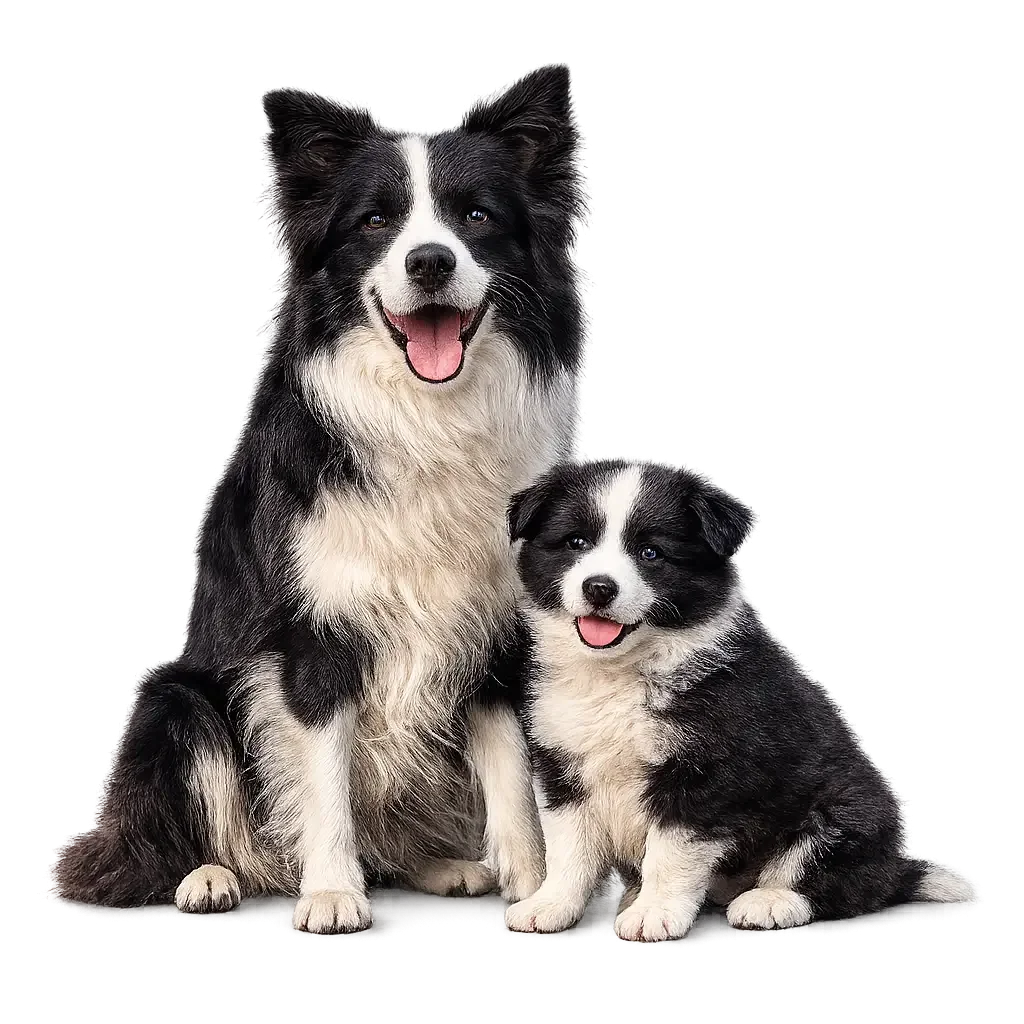
The Border Collie stands alone as the world's most intelligent, skilled, and efficient herding dog. Developed over centuries in the rugged border region between Scotland and England, these remarkable dogs have become the gold standard for livestock herding worldwide. Their legendary work ethic, intense focus, and almost supernatural ability to control sheep have made them invaluable partners on farms and ranches across the globe.
Border Collies are not simply smart dogs that happen to herd. They are purpose-bred working animals whose entire existence revolves around the drive to gather, control, and move livestock. This singular focus makes them exceptional workers but also presents unique challenges for owners unprepared for their intensity and needs.
This comprehensive guide explores everything you need to know about Border Collies including their history and development, physical characteristics and appearance, temperament and personality traits, herding instincts and working ability, training requirements and methods, exercise and mental stimulation needs, health considerations and lifespan, living with Border Collies as family dogs, choosing and purchasing a Border Collie, and whether a Border Collie is the right dog for you.
History and Origins
Development of the Breed
Border Collies originated in the border region between Scotland and England, hence their name. Shepherds in this harsh, mountainous region needed dogs capable of gathering widely scattered sheep over rough terrain with minimal human direction. Through selective breeding over several centuries, they developed dogs with exceptional herding ability, intelligence, and stamina.
The breed's foundation lies in various Scottish and British herding dogs, with significant influence from dogs like Old Hemp, born in 1893, who is considered the father of the modern Border Collie. Old Hemp was a quiet, powerful worker with extraordinary control and became the model for the breed standard. He sired over 200 puppies, spreading his superior herding genetics throughout the Border Collie population.
Unlike many breeds developed for appearance, Border Collies have always been bred strictly for working ability. Shepherds cared nothing about color, size, or looks, only about how well a dog could gather and control sheep. This focus on function over form continues today in working Border Collie lines.
Recognition and Modern Development
The International Sheep Dog Society was founded in 1906 to register and promote working sheepdogs, primarily Border Collies. This organization maintains registries based solely on working ability and pedigree, not appearance. Dogs must prove their herding skills to be registered.
Border Collies were recognized by the American Kennel Club in 1995, a decision that remains controversial among working Border Collie enthusiasts. Many working dog advocates fear that show ring breeding emphasizes appearance over working ability, potentially diluting the breed's legendary herding instincts. Today, distinct working lines and show lines exist, with working lines maintaining superior herding ability.
Modern Border Collies have spread worldwide from their British origins. They dominate competitive sheep herding trials globally and work on farms from Australia to Iceland to South America. No other herding breed approaches their combination of intelligence, trainability, and instinctive herding ability.
Physical Characteristics
Size and Build
Border Collies are medium-sized dogs with athletic, balanced builds designed for speed, agility, and endurance. Males typically stand 19-22 inches at the shoulder and weigh 30-55 pounds. Females are slightly smaller at 18-21 inches and 27-42 pounds. Working Border Collies tend toward the lighter end of the weight range, while show lines are often heavier and more substantial.
The breed's body is slightly longer than it is tall, providing balance and agility. They have strong, muscular legs with excellent bone structure for sustained work. Their feet are oval and compact with deep pads and strong nails for traction on varied terrain. The back is level and strong, the chest is deep but not overly broad, and the overall impression is of power combined with grace and agility.
Border Collies possess remarkable athleticism. They can run at speeds up to 30 miles per hour, turn instantly at full speed, and work for hours without tiring. Their low, crouching stalk while herding requires exceptional flexibility and strength. Many can leap 4-5 feet vertically and jump gaps or obstacles while pursuing livestock.
Coat and Colors
Border Collies come in two coat varieties: rough (medium to long) and smooth (short). The rough coat is most common in working dogs. Both varieties have a dense, weather-resistant double coat with a soft undercoat and coarser outer coat. The coat provides protection from harsh weather, allowing Border Collies to work in rain, snow, and extreme conditions.
Border Collies display remarkable color variation. The most iconic coloring is black and white, with a black body, white blaze on the face, white chest, collar, legs, and tail tip. However, the breed appears in numerous colors and patterns including red and white, blue and white, blue merle, red merle, sable, brindle, and various tricolor combinations. Some Border Collies are predominantly white or even solid colored.
Color has no bearing on working ability or temperament. Shepherds traditionally preferred certain markings for visibility against green hills or white snow, but modern breeders select for ability rather than appearance. All colors are equally capable of outstanding work.
Distinctive Features
The Border Collie's most distinctive feature is their eyes and intense gaze. Their eyes are typically brown but can be blue in merle dogs or have one of each color. The expression is intelligent, alert, and penetrating. When working, Border Collies use their intense eye contact to control livestock, fixing sheep with an almost hypnotic stare that commands movement.
Border Collies have moderately sized, triangular ears that can be erect, semi-erect, or tipped. Working dogs often have semi-erect ears that fold forward at the tips. The tail is moderately long, reaching at least to the hock, with an upward swirl at the end. When working, the tail is typically carried low but may wave slightly. An excited Border Collie may carry the tail higher but never curled over the back.
The overall expression is keen, intelligent, and alert. Border Collies always appear ready for action, ears pricked forward, eyes focused, body tense with anticipation. This intense readiness is characteristic of the breed and immediately distinguishes them from more relaxed dog breeds.
Temperament and Personality
Intelligence and Trainability
Border Collies are universally recognized as the most intelligent dog breed. Studies on canine intelligence consistently rank them first, noting their ability to learn new commands in fewer than five repetitions and obey first commands 95 percent of the time or better. Anecdotal evidence from handlers suggests Border Collies can learn and distinguish hundreds of words and commands.
This extraordinary intelligence manifests in problem-solving ability, quick learning of complex tasks, excellent memory retention, ability to work independently and make decisions, and understanding of cause and effect relationships. Border Collies often anticipate handler intentions before commands are given and can adjust their approach based on livestock behavior.
However, exceptional intelligence creates challenges. Border Collies bore easily with repetitive training, find creative ways to circumvent rules or restrictions, require complex mental challenges to stay satisfied, and can outwit inexperienced handlers. They need handlers as intelligent and dedicated as they are.
Work Drive and Focus
Border Collies possess legendary work drive bordering on obsession. They are bred to work sheep all day in challenging conditions, often covering 50 miles or more in a single day. This intense desire to work defines the breed and separates Border Collies from dogs that simply enjoy activities.
Working Border Collies display absolute focus and concentration. They can maintain eye contact with livestock for hours without distraction. Their intensity while working is remarkable - muscles tense, body lowered, eyes fixed, every fiber concentrated on controlling livestock movement. Many Border Collies tremble with anticipation before being released to work.
This work drive never turns off. Border Collies without adequate outlets for their energy often redirect their herding instincts toward inappropriate targets including children, other pets, cars, bicycles, or moving shadows and light reflections. They may develop obsessive-compulsive behaviors like spinning, pacing, or staring at walls if not given sufficient work and exercise.
Personality Traits
Border Collies form intense bonds with their handlers. They are loyal and devoted to their family, often bonding most closely with one person. This loyalty makes them eager to please and responsive to training from trusted handlers. However, they can be reserved or aloof with strangers, particularly if not well-socialized as puppies.
The breed tends toward sensitivity and awareness of handler mood and intention. Border Collies read body language exceptionally well and respond to subtle cues most dogs miss. This sensitivity means harsh training methods are unnecessary and often counterproductive, as Border Collies shut down or become anxious with rough handling.
Border Collies are typically serious, focused dogs rather than playful clowns. While they can play and enjoy activities, their default state is alert watchfulness rather than relaxed contentment. They constantly monitor their environment, ready to spring into action. This vigilance is exhausting for the dog and can be challenging for owners wanting a more relaxed companion.
Many Border Collies exhibit sound sensitivity, reacting strongly to loud noises, storms, or unexpected sounds. This trait may be linked to their intense focus and awareness. Socialization and gradual exposure help but some Border Collies remain noise-sensitive throughout life.
Social Behavior
Border Collies are not naturally aggressive dogs but can display territorial behavior and resource guarding if not properly socialized. Early, positive socialization with people, dogs, and situations is essential. Well-socialized Border Collies are friendly and accepting but maintain reserve with strangers.
Their herding instinct affects social behavior. Border Collies may attempt to herd other dogs, pets, or children through stalking, circling, or nipping at heels. This behavior is instinctive, not aggressive, but requires management and redirection. Border Collies typically do better with older, calmer dogs than young, playful puppies they feel compelled to control.
Border Collies can coexist successfully with cats and other pets if raised together from puppyhood. However, their strong prey drive means they may chase cats, poultry, or small animals they encounter. Training and management prevent problems but the instinct remains.
Herding Instincts and Working Ability
The Border Collie Eye
The Border Collie's most famous characteristic is their "eye" - the intense, penetrating stare they use to control livestock. This hypnotic gaze freezes animals in place, allowing the Border Collie to position livestock and direct movement through eye contact alone. The power of a strong-eyed Border Collie's stare is remarkable, often stopping sheep mid-step.
Border Collies with strong eye display characteristic stalking behavior. They lower their bodies close to the ground, fix their gaze on livestock, and creep forward in slow, calculated movements. The crouch and stalk resemble a predator preparing to pounce, but the goal is control rather than attack. Sheep instinctively respond to this predatory posture by moving away from the pressure.
Not all Border Collies have equally strong eye. Working dog breeders select for appropriate eye strength balanced with other traits. Too much eye can make a dog sticky or unable to move sheep effectively. Too little eye reduces control. The best working dogs have sufficient eye to hold livestock but not so much they become paralyzed by their own intensity.
Herding Style and Techniques
Border Collies are gathering dogs bred to collect widely scattered sheep and bring them to the shepherd. Their natural instinct is to circle around livestock, position themselves at 12 o'clock relative to the handler, and push animals toward the handler. This gathering instinct is so strong that untrained Border Collies automatically perform basic gathering maneuvers on their first exposure to livestock.
Border Collies typically work silently or with minimal barking. They rely on eye contact, body positioning, and controlled movement rather than voice. Excessive barking is considered a fault in working dogs as it can stress livestock and indicates the dog is working with anxiety rather than calm control. Well-bred Border Collies apply steady, calm pressure that moves livestock smoothly without panic.
The breed's working style includes several characteristic behaviors. They use the outrun, circling wide around livestock to position behind them without scattering the flock. They perform the lift, applying just enough pressure to start livestock moving toward the handler. They execute the fetch, keeping livestock moving in a straight line toward the handler while maintaining appropriate distance and pressure. Advanced work includes driving livestock away from the handler, shedding to separate specific animals from the group, penning livestock into confined spaces, and working at great distances from the handler with minimal commands.
Working Different Livestock
Border Collies are bred specifically for sheep, and sheep work remains their specialty. They excel with flighty, reactive sheep breeds that respond well to eye and pressure. Border Collies can handle flocks ranging from a few sheep to several hundred, adjusting their approach based on flock size and behavior.
Many Border Collies work cattle effectively, though the approach differs from sheep work. Cattle are larger, potentially dangerous, and less responsive to eye alone. Border Collies working cattle need confidence, appropriate caution, and often use more movement and positioning than pure eye. Some Border Collies lack the confidence or strength to handle aggressive cattle, while others excel at cattle work.
Border Collies can herd goats, though goats' unpredictable, independent nature challenges dogs accustomed to sheep behavior. Duck herding has become popular in urban and suburban areas, allowing Border Collies to exercise their instincts without access to sheep. Some Border Collies work poultry, though the close-quarters work differs significantly from open-field sheep herding.
Trial Competition
Sheepdog trials test Border Collies' herding ability through standardized courses requiring gathering, controlled driving, penning, and shedding of sheep. These competitions showcase the breed's extraordinary skill and provide objective evaluation of working ability. Top trial dogs demonstrate precision, calmness under pressure, responsiveness to handler direction, ability to read and adjust to livestock behavior, and stamina to maintain performance through long courses.
Trial competition has significantly influenced Border Collie breeding. Successful trial dogs command premium stud fees and their genetics spread rapidly through the working Border Collie population. This selective pressure based on demonstrated ability maintains and improves the breed's herding capability across generations.
Training Requirements
When to Start Training
Border Collie training begins from puppyhood with basic socialization and manners. Puppies should be exposed to various people, places, sounds, and situations between 8-16 weeks old when they're most receptive to new experiences. Basic obedience including sit, down, stay, come, and walking on leash should start by 10-12 weeks old.
Herding instinct typically manifests between 6-12 months of age, though some puppies show interest earlier. Most experienced handlers wait until 8-12 months before serious herding training begins. Starting too young risks developing bad habits, creating excessive stress, or overwhelming the puppy. Young dogs need time to mature physically and mentally before facing the demands of livestock work.
Early exposure to livestock should be calm and positive. Young puppies can observe sheep from a distance, learning to be calm around livestock without working them. This builds positive associations and prevents development of fear or aggression. Actual herding training waits until the dog shows natural instinct and possesses sufficient control to follow direction.
Basic Obedience Training
Solid obedience forms the foundation for herding work. Border Collies need reliable recall, responding immediately when called away from livestock. They must have a solid down or stop command to prevent them from pressuring livestock excessively. They need directional commands to move left, right, or away from the handler. They require self-control to wait calmly when not working and boundaries to prevent them from working livestock without permission.
Border Collies learn basic obedience quickly, often mastering commands in just a few repetitions. However, their intelligence means they also quickly learn to ignore commands they find inconvenient. Training must be consistent, with every command enforced every time. Border Collies trained inconsistently become selective about obedience, choosing which commands they'll follow.
Positive reinforcement works excellently with Border Collies. They respond enthusiastically to praise, play, and food rewards. Harsh corrections are unnecessary and counterproductive with this sensitive breed. Firm, consistent guidance combined with appropriate rewards produces the best results.
Herding Training Process
Herding training progresses through stages from basic instinct to refined skill. Initial training focuses on encouraging natural gathering instinct, teaching basic directional commands for away and come bye (circling directions), establishing a stop or down command for control, and allowing the dog to develop confidence and interest.
Early training sessions are brief, lasting just 5-10 minutes to prevent overexcitement. Dogs work small groups of calm, dog-broke sheep that won't challenge inexperienced handlers. The goal is building positive experiences and developing basic control rather than expecting finished work.
Intermediate training develops precision and refinement including wider outruns to gather distant sheep, straight fetches bringing sheep directly to the handler, steady, controlled pace preventing livestock stress, appropriate distance from sheep based on their behavior, and smooth transitions between different tasks. Advanced training includes driving sheep away from the handler, shedding specific animals from the group, penning livestock, working in challenging terrain or weather, and handling different livestock types or difficult individuals.
Common Training Challenges
Border Collies present specific training challenges. Excessive enthusiasm can cause young dogs to rush livestock, scattering them rather than gathering calmly. Trainers must teach patience and steady pressure. Some Border Collies develop grip or bite issues if allowed to bite livestock during training. Prevention is easier than correction, so handlers must stop inappropriate biting immediately. Strong-eyed dogs can become sticky, freezing on eye contact rather than moving freely. This requires encouraging movement and reducing eye intensity.
Developing off-switch capacity challenges Border Collie handlers. These dogs naturally want to work constantly and may become agitated when prevented from working. Training calmness and ability to relax when work is finished is essential but difficult with a breed bred for relentless work drive.
Professional Training vs Self-Training
Many Border Collie owners attempt self-training with varying results. Books, videos, and online resources provide training information, but herding is complex and difficult to learn solely from written material. Hands-on instruction with experienced trainers dramatically accelerates progress and prevents bad habits.
Professional herding instructors offer lessons, clinics, and training programs teaching both dog and handler. These programs provide dog-broke sheep for training, expert feedback on technique and progress, troubleshooting for specific problems, and exposure to various training philosophies and methods. Serious working Border Collie owners typically invest in professional instruction at least initially.
Alternatively, some owners send dogs to professional trainers for started or advanced training. This can produce excellent results but requires finding reputable trainers and maintaining skills after the dog returns. The handler must learn to work the trained dog appropriately or the training degrades quickly.
Exercise and Mental Stimulation Needs
Physical Exercise Requirements
Border Collies have extreme exercise needs, among the highest of any dog breed. Working Border Collies may cover 50 miles daily running after sheep over rough terrain. While pet Border Collies don't need quite this much exercise, they still require substantial daily activity to remain physically and mentally healthy.
Minimum exercise for adult Border Collies includes 1-2 hours of vigorous activity daily. This should be actual exercise such as running, swimming, hiking, or working, not simply time in a yard. A Border Collie loose in a fenced yard will often pace, patrol, or stare at things rather than exercising meaningfully. Structured activity is essential.
Ideal exercise for Border Collies includes actual herding work several times weekly for working dogs, long runs or hikes covering several miles, swimming providing low-impact cardiovascular exercise, fetch or frisbee engaging their chase drive, and agility or other dog sports providing physical and mental challenge. Exercise should vary to engage both body and mind. The same walk around the block daily becomes mental routine rather than stimulation.
Mental Stimulation Requirements
Mental exercise is as critical as physical activity for Border Collies. Their intelligent minds require constant challenge and engagement. Without adequate mental work, Border Collies become bored, anxious, and destructive regardless of physical exercise level.
Mental stimulation options include training sessions teaching new commands or tricks, puzzle toys and interactive feeders, nose work and scent training, problem-solving games and activities, herding training or instinct testing, and new environments and experiences. Border Collies thrive on learning and problem-solving. Daily training sessions, even just 10-15 minutes, help satisfy their need for mental engagement.
Consequences of Inadequate Exercise
Border Collies without sufficient exercise and mental stimulation develop serious behavioral problems. Common issues include obsessive-compulsive behaviors like tail chasing, spinning, or shadow chasing, destructive chewing, digging, or property damage, excessive barking or whining, inappropriate herding of children, pets, or cars, hyperactivity and inability to settle, anxiety and stress-related behaviors, and aggression from frustration and pent-up energy.
These behaviors are symptoms of an unfulfilled Border Collie, not inherent temperament flaws. Border Collies provided with adequate work and exercise are generally calm, focused, and well-behaved. Those denied appropriate outlets become nightmare dogs that owners find unmanageable.
Dog Sports and Activities
Border Collies excel at virtually every dog sport, providing excellent exercise and mental stimulation outlets. Popular activities include agility where Border Collies navigate obstacle courses at high speed with precision, flyball involving relay racing over jumps to trigger a ball-launching box, disc dog competitions catching flying discs with acrobatic catches, dock diving leaping for distance or height into water, obedience trials demonstrating precision in standard exercises, rally obedience combining obedience with navigation, and herding trials testing sheepdog skills in standardized courses.
Competitive dog sports provide structured activity and goals while exercising both body and mind. Many pet Border Collies thrive in these activities, channeling their work drive into acceptable outlets. Success in dog sports requires training commitment but offers tremendous rewards for both dog and handler.
Health and Lifespan
General Health and Hardiness
Border Collies are generally healthy, hardy dogs when sourced from responsible breeders. Working lines particularly emphasize health and soundness since working dogs must remain functional throughout their careers. Average lifespan is 12-15 years, with many working Border Collies remaining active into their early teens.
The breed's athleticism and medium size contribute to longevity compared to giant breeds. Their working heritage means they're bred for physical and mental soundness rather than extreme features that compromise health. Responsible breeders screen for genetic conditions and select for overall health, vigor, and working ability.
Common Health Issues
Border Collies can develop several health problems, though incidence varies between lines. Hip dysplasia occurs in Border Collies, though less frequently than in many breeds. Reputable breeders screen parents with OFA or PennHIP evaluation. Mild dysplasia may not limit working ability but severe cases cause pain and arthritis.
Progressive retinal atrophy is an inherited eye disease causing gradual vision loss leading to blindness. Several forms affect Border Collies. Genetic testing identifies carriers, allowing breeders to avoid producing affected puppies. Collie eye anomaly is another inherited condition affecting eye development. Most cases are mild but severe forms impair vision. Responsible breeders screen for CEA.
Epilepsy occurs in Border Collies with varying severity from occasional mild seizures to frequent, severe episodes requiring medication. Genetics play a role but inheritance patterns are complex. Deafness affects merle-colored Border Collies at higher rates than other colors, particularly in dogs with extensive white markings or double merle breeding. Hearing testing identifies deaf puppies.
Border Collies with the MDR1 gene mutation show sensitivity to certain medications including ivermectin and other dewormers, causing severe reactions. Testing identifies affected dogs, allowing veterinarians to avoid problematic medications. Neuronal ceroid lipofuscinosis is a fatal genetic disease causing neurological deterioration in young dogs. Genetic testing identifies carriers.
Preventing Health Problems
Purchasing from health-tested parents dramatically reduces genetic disease risk. Responsible breeders perform hip evaluations, eye examinations, genetic testing for known mutations, and maintain health records on breeding dogs and offspring. Buyers should request proof of health testing before purchasing.
Maintaining appropriate body condition prevents obesity-related problems and reduces joint stress. Working Border Collies are typically lean and fit. Pet Border Collies can become overweight without adequate exercise, increasing health risks. Regular veterinary care including annual examinations, vaccinations appropriate for lifestyle and location, dental care preventing periodontal disease, and parasite prevention provides early detection and prevention of health issues.
Injuries and Working Dog Concerns
Working Border Collies face injury risks from livestock interaction, rough terrain, and intense physical demands. Common injuries include foot pad cuts or abrasions from rocks, stubble, or rough ground, requiring rest and protection during healing. Sprains and strains occur from sudden direction changes, jumping, or slipping. Most heal with rest but severe cases need veterinary attention.
Livestock can injure dogs through kicking or butting. Experienced working dogs typically avoid injury but young dogs or those working aggressive cattle face higher risk. Heat exhaustion affects dogs working hard in hot weather. Border Collies may work until they collapse, requiring handlers to monitor and limit work in heat.
Experienced handlers learn to prevent injuries through proper conditioning before intensive work, appropriate rest between work sessions, foot care including trimming pads and checking for damage, awareness of dangerous livestock or situations, and hydration and cooling during hot weather work.
Living with Border Collies
Border Collies as Family Dogs
Border Collies can be wonderful family companions in appropriate homes but require more commitment than typical pet dogs. Successful Border Collie families provide adequate daily exercise through running, hiking, or dog sports, mental stimulation through training and activities, structure and routine that Border Collies crave, jobs or tasks giving them purpose, and understanding of herding breed characteristics.
Border Collies bond closely with family members and enjoy being involved in family activities. They're loyal, devoted companions when their needs are met. However, they're not low-maintenance lap dogs and suffer in homes unable to provide appropriate outlets for their energy and intelligence.
Border Collies with Children
Border Collies can live successfully with children but their herding instinct creates challenges. They may attempt to herd children through nipping at heels, circling, and pushing, treat running children as livestock to be controlled, and become overstimulated by children's quick movements and noise. These behaviors stem from instinct, not aggression, but can frighten children or cause injury.
Border Collies raised with children from puppyhood typically adapt better than dogs introduced to children later. Training both dog and children about appropriate interaction prevents problems. Children must learn to move calmly around the dog, avoid trigger behaviors like running, and respect the dog's space and boundaries. Parents must supervise all interactions and redirect herding behavior immediately.
Well-managed Border Collies can be gentle, protective companions for children. Many families successfully raise Border Collies alongside kids. However, families with very young children or unable to supervise consistently might choose a less intense breed.
Housing and Living Space
Border Collies can adapt to various living situations if exercise needs are met. They don't require large properties but need access to exercise and activity. Rural properties with space to run are ideal for working Border Collies who patrol and monitor their territory. Suburban homes with fenced yards work if owners provide adequate exercise and stimulation through walks, runs, and activities. Urban apartments are challenging but possible if owners commit to several long walks, runs, or park visits daily and provide mental stimulation.
Border Collies need secure fencing to prevent escaping. They can jump 4-5 feet easily and may learn to climb chain link. Some dig under fences or find weak spots. Secure containment prevents Border Collies from chasing cars, harassing neighbors, or getting lost.
Grooming and Maintenance
Border Collie grooming requirements are moderate. Rough-coated dogs need brushing 2-3 times weekly to prevent matting and remove dead hair. Smooth-coated dogs need less frequent brushing. Both coat types shed year-round with heavier shedding twice yearly during seasonal coat changes.
Bathing is needed occasionally, typically every 6-12 weeks or when dirty. Border Collies have natural oil in their coats providing water resistance, and frequent bathing strips these oils. Nail trimming every 2-4 weeks prevents overgrowth and splitting. Active dogs may wear nails naturally. Ear cleaning prevents infection, particularly in dogs who swim frequently. Dental care including brushing or dental chews maintains oral health.
Working Border Collies need regular foot pad checks and care to prevent injuries from rough terrain. Some handlers toughen pads gradually through exposure to various surfaces. Severe pad wear may require temporary rest or protective booties.
Diet and Nutrition
Border Collies need high-quality nutrition supporting their energy levels and athletic demands. Working dogs particularly require diets rich in protein and fat for sustained energy. Many handlers feed working-dog formulas with higher calorie density than standard maintenance diets.
Active adult Border Collies typically need 2-3 cups of quality kibble daily, adjusted based on individual metabolism, activity level, and body condition. Working dogs during intensive periods may need substantially more. Puppies need puppy-specific food supporting growth and development. Senior dogs often benefit from senior formulas with adjusted protein and fat levels.
Feeding schedules vary by preference but most handlers feed twice daily rather than leaving food available constantly. This prevents bloat risk and maintains appetite. Working dogs are often fed after work rather than immediately before to prevent digestive upset during activity.
Choosing and Purchasing a Border Collie
Determining if a Border Collie is Right for You
Border Collies are not appropriate for everyone. Honest self-assessment prevents problems and unhappiness for both owner and dog. Border Collies are ideal for active individuals or families with time for extensive daily exercise, interest in dog training and sports, experience with intelligent, intense dogs, rural or suburban properties with space, involvement in livestock farming or herding, and commitment to meeting a working dog's needs.
Border Collies are not recommended for first-time dog owners without herding experience, families with young children unable to manage herding behavior, people wanting a casual pet requiring minimal exercise, apartment dwellers without commitment to extensive daily activity, and anyone unable to provide several hours of daily exercise and training.
If you're considering a Border Collie, ask yourself these questions. Can you provide 1-2 hours of vigorous exercise daily? Are you prepared for an intelligent dog that may outwit you? Do you have time for regular training and mental stimulation? Can you manage intense herding instincts? Are you prepared for possible behavioral issues if needs aren't met? Will you engage in dog sports or herding to satisfy the dog's drive?
If you cannot answer yes to these questions, consider other breeds. Many wonderful dog breeds require less exercise and offer companionship without Border Collie intensity. There's no shame in recognizing a Border Collie doesn't match your lifestyle.
Working Lines vs Show Lines
Border Collies divide into distinct working lines and show lines with significant differences. Working lines are bred strictly for herding ability and working traits, may vary widely in appearance, possess intense herding drive and work ethic, require extensive exercise and work, and have strong instincts from puppyhood. Show lines are bred for appearance matching breed standard, have more uniform look and structure, often have reduced working drive compared to working lines, may work better as active pets than serious working dogs, and cost similar or more than working lines.
Neither type is inherently better - they serve different purposes. Serious working dog handlers choose working lines for superior herding ability. Families wanting a Border Collie pet might prefer show lines with somewhat reduced intensity, though show-line Border Collies still need substantial exercise and stimulation.
Finding Reputable Breeders
Selecting a responsible breeder is crucial for healthy, well-bred Border Collies. Quality breeders perform health testing on breeding dogs including hip evaluations, eye examinations, and genetic testing. They breed dogs with proven working ability or show success. They raise puppies in home environments with early socialization. They provide references from previous puppy buyers. They offer contracts with health guarantees. They screen buyers carefully and refuse homes they consider inappropriate.
Warning signs of irresponsible breeders include refusal to show facilities or parent dogs, no health testing documentation, breeding dogs before 2 years old, multiple litters available constantly, selling puppies before 8 weeks old, and inability to provide references. Avoid breeders focused solely on profit rather than breed improvement.
Finding quality breeders requires research. Contact Border Collie breed clubs and associations. Attend herding trials and talk with handlers. Search breeder referral services from national breed clubs. Visit multiple breeders and compare programs. Expect to wait for a puppy from top breeders - waiting lists are common and indicate breeder quality.
Evaluating Puppies
When evaluating Border Collie puppies, observe the entire litter interacting to assess personality differences. Meet both parents if possible, particularly the dam who has the most influence on puppies. Look for confident, curious puppies that approach boldly. Avoid overly shy or fearful puppies. Check for clean eyes, ears, and coat. Watch movement for any lameness or abnormality.
For working puppies, some breeders perform instinct testing exposing young puppies to sheep briefly. Strong natural interest suggests good working potential. However, many excellent working dogs show little interest until older, so lack of early instinct isn't definitive.
Cost Considerations
Border Collie prices vary widely based on breeding, location, and purpose. Pet-quality puppies from working lines cost 800-2000 dollars. Working prospects from proven working parents cost 1500-3000 dollars. Started dogs with basic training range from 3000-6000 dollars. Fully trained working dogs command 5000-15000 dollars or more depending on ability and trial success. Show-line puppies typically cost 1200-2500 dollars.
Initial costs beyond purchase price include veterinary care for vaccinations, spaying or neutering, and health checks totaling 300-600 dollars. Basic supplies including collar, leash, crate, bowls, and toys cost 200-400 dollars. Training classes or private lessons run 100-300 dollars. Annual costs include quality food at 400-800 dollars yearly, routine veterinary care for 200-400 dollars, and training or dog sports expenses varying widely based on involvement.
Adoption and Rescue
Border Collie rescue organizations nationwide place dogs needing homes. Many rescued Border Collies are owner surrenders from families unprepared for the breed's needs. These dogs can be excellent companions in appropriate homes.
Rescue Border Collies often come with unknown histories creating uncertainty about temperament and training. Some have behavioral issues requiring experienced handling. Others are simply victims of circumstances and transition smoothly to new homes. Reputable rescues evaluate dogs carefully and match them appropriately to adopters.
Adoption fees typically range from 200-500 dollars, substantially less than purchasing puppies. Rescued dogs are usually spayed or neutered, vaccinated, and evaluated before placement. Adoption can be extremely rewarding but requires patience and commitment.
Conclusion
The Border Collie stands alone as the world's ultimate herding dog, combining unmatched intelligence, incredible working ability, and intense focus into one remarkable package. These medium-sized athletes have been refined over centuries to perform one task supremely well - gathering and controlling livestock with precision and efficiency that no other breed approaches.
Border Collies are not for everyone. Their legendary work drive, high exercise requirements, and intense personalities create challenges for unprepared owners. They demand significant daily exercise, constant mental stimulation, and meaningful work or activities. Without appropriate outlets, Border Collies become destructive, neurotic, and unmanageable.
However, in the right homes, Border Collies are extraordinary companions. For shepherds and ranchers, they're invaluable partners capable of work that would require several hired hands. For dog sports enthusiasts, they're willing partners excelling at any activity they attempt. For active individuals committed to meeting their needs, they're loyal, intelligent companions offering deep bonds and endless entertainment.
If you're considering a Border Collie, be honest about your ability to meet their needs. Don't choose a Border Collie solely because they're intelligent or attractive. Choose them because you understand the commitment, embrace the challenges, and genuinely want to partner with a working dog whose instincts and drives define their entire existence.
For those ready to accept the responsibility, Border Collies reward dedication with unparalleled loyalty, remarkable intelligence, and working ability that must be seen to be believed. Few experiences match watching a skilled Border Collie gather sheep over a distant hill, moving them with precision and grace that seems almost supernatural. This is what Border Collies were born to do, and in doing it, they reveal themselves as truly exceptional dogs.
Whether you're a shepherd needing a working partner, an active family wanting an engaging companion, or a dog sports enthusiast seeking the ultimate teammate, a Border Collie may be your perfect match - if you're prepared for the intensity, commitment, and extraordinary capabilities these remarkable dogs bring to every aspect of life.