
Chrysanthemum
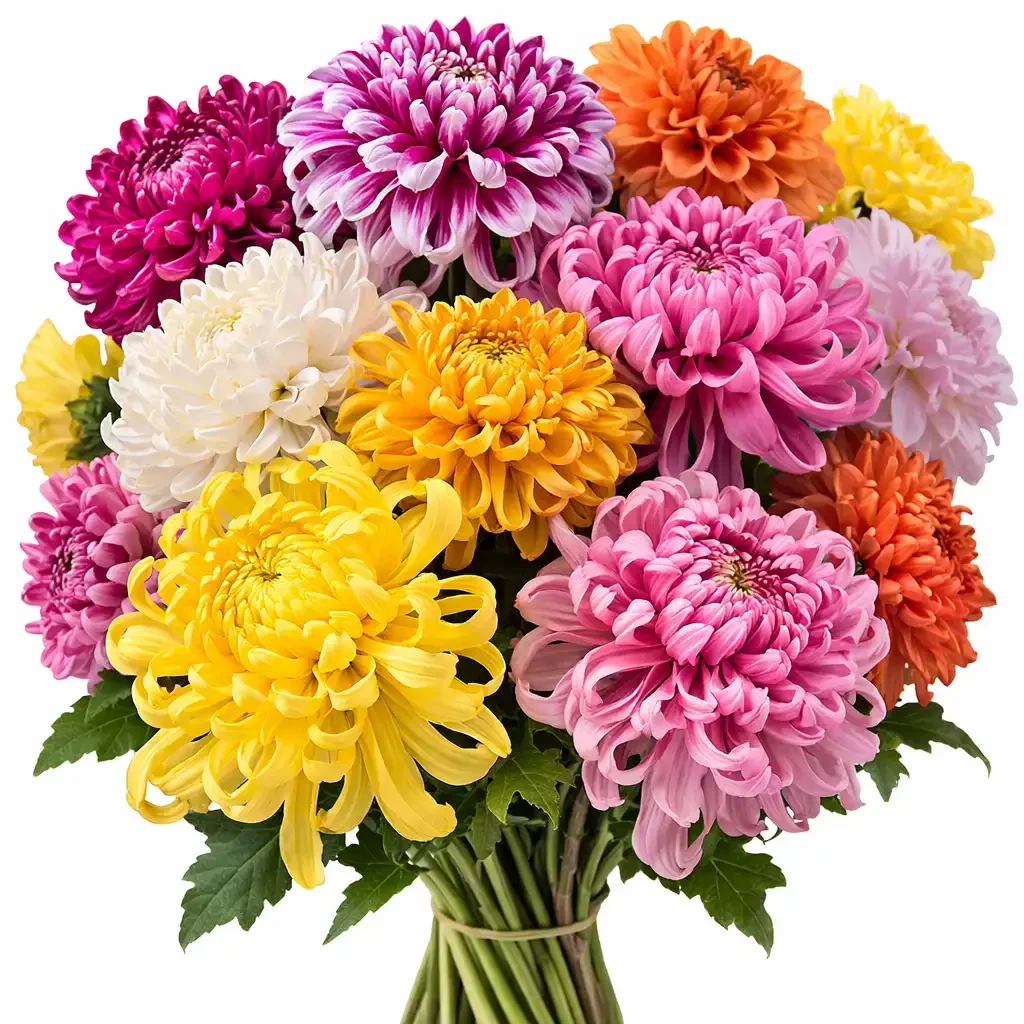
Quick Overview
Common Name: Chrysanthemum, Garden Mum, Hardy Mum, Florist Mum
Scientific Name: Chrysanthemum x morifolium, Chrysanthemum indicum hybrids
Plant Type: Perennial
USDA Zones: 4 to 9 depending on variety
Sun Requirement: Full Sun
Soil Type: Well-drained, moderately fertile
Bloom Season: Late Summer through Fall
Height: 18 to 48 inches depending on variety
Pollinator Friendly: Yes, particularly single-flowered varieties
Edible: Yes, petals used in Asian cuisine and teas
Why Grow Chrysanthemums on a Homestead
Chrysanthemums are among the most commercially important and culturally significant cut flowers in the world, consistently ranking among the top three most sold cut flower species globally alongside roses and carnations. Their extraordinary diversity of form, from the large, formal incurved blooms of exhibition varieties to the delicate, daisy-like single forms, from the pompom types with their perfectly round heads to the spider mums with their dramatically long, tubular petals, combined with a color range spanning pure white through every shade of yellow, orange, bronze, salmon, pink, lavender, red, and deep burgundy, creates a depth of commercial opportunity that few other cut flower genera can match. And unlike most premium cut flowers that bloom in spring or summer, Chrysanthemums peak in late summer and fall precisely when the cut flower market is transitioning to the autumn season that generates some of the most enthusiastic customer response of the entire year.
For homestead growers, Chrysanthemums represent one of the most strategically important fall cut flower investments available. They are the defining flower of the autumn season, the flower that most powerfully signals the arrival of fall with its warm bronzes, rich rusts, deep golds, and sophisticated burgundies. At farmers markets in September and October, a well-managed Chrysanthemum planting is the most powerful commercial driver available for fall market sales, creating the kind of immediate, seasonal excitement that converts casual browsers into enthusiastic buyers. The perennial growing system means that an initial investment in quality cutting types returns year after year with proper management. And the extraordinary diversity of specialty forms available to homestead growers, the spider mums, button mums, anemone types, and quill varieties that commercial operations rarely grow, creates a genuine market differentiation that no wholesale supplier can match.
Here is why Chrysanthemums deserve a prominent spot on your homestead:
They are the defining flower of the autumn cut flower market. No other flower signals the arrival of fall as powerfully and as commercially effectively as Chrysanthemum. At farmers markets and florist supply operations in September and October, quality Chrysanthemum stems are among the most reliably demanded and most consistently purchased products available.
The extraordinary diversity of specialty forms creates genuine premium market differentiation. Spider mums with their dramatic long tubular petals, anemone-centered varieties, quill types, and the full range of button and decorative forms available to homestead specialty growers are genuinely unavailable through most commercial wholesale channels, creating the kind of market exclusivity that supports premium pricing.
They bloom during the most commercially active fall market period when customer purchasing enthusiasm is highest. The autumn farmers market season attracts some of the highest customer traffic and most enthusiastic purchasing of the entire year. Chrysanthemums, as the signature flower of this season, capture maximum commercial benefit from this seasonal purchasing enthusiasm.
The perennial growing system creates an ever-expanding cutting stock from a fixed initial investment. Chrysanthemum cuttings taken from established mother plants each spring produce new blooming plants for the fall season while the original plants remain to produce additional cuttings the following year. This multiplication system allows homestead growers to dramatically expand production each season from a fixed initial investment.
Day-length sensitivity provides an extraordinary level of bloom timing control. Chrysanthemums are short-day plants that initiate blooming when day length decreases below a species-specific threshold. This predictable, calendar-based blooming trigger allows homestead growers to time their Chrysanthemum harvest for the specific fall market weeks when demand and prices are highest.
Growing Conditions
Sunlight
Chrysanthemums require full sun to perform their best as cut flower crops. They need at least 6 to 8 hours of direct sunlight per day for the strongest stems, most vivid colors, and most abundant flowering. In partial shade stems become weak and floppy, bud count per stem decreases, and the rich, saturated colors that make fall Chrysanthemums so commercially powerful become less vivid. Full sun also promotes the vigorous, disease-resistant growth that produces the best quality cut stems. Note that artificial light pollution from street lights or security lighting near Chrysanthemum plantings can disrupt the day-length sensitivity that triggers blooming, preventing timely fall bloom initiation. Ensure that night darkness is complete in the area where Chrysanthemums are grown.
Soil
Chrysanthemums prefer well-drained, moderately fertile soil. Good drainage is critical as they are very susceptible to root rot and crown rot in waterlogged conditions. A loose, well-drained soil with a pH between 6.0 and 7.0 is ideal. Incorporate generous amounts of compost before planting to improve soil structure, fertility, and moisture retention. Unlike Cosmos and some other cut flower crops that perform better in lean conditions, Chrysanthemums benefit from moderately fertile soil that supports the vigorous growth necessary to produce the long, strong stems most valuable for cut flower production.
Water
Chrysanthemums need consistent watering throughout their growing season. Adequate moisture is critical during the bud development and blooming phase when the plant is producing and opening its flowers. Drought stress causes shortened stems, reduced bud count, and premature flower decline. Water deeply at the base of the plant two to three times per week during the growing season. Drip irrigation is strongly preferred as it delivers water to the root zone without wetting the foliage and flowers which significantly reduces the fungal disease pressure that is Chrysanthemum's most serious ongoing management challenge.
Temperature
Chrysanthemums are cool season bloomers that actually prefer moderate to cool temperatures during their blooming period. They perform best when fall temperatures during blooming are consistently below 65 to 70 degrees Fahrenheit, which is why they bloom most abundantly and with the richest colors in the cool autumn weather of late September and October in most cold winter climates. They are cold hardy in USDA zones 4 to 9 depending on variety, returning reliably each spring from established root systems. Light frosts in fall do not significantly damage open Chrysanthemum blooms and can actually enhance the rich, saturated fall colors that make them commercially powerful.
Planting Guide
Chrysanthemums grown for cut flower production are typically propagated from stem cuttings taken in spring from overwintered mother plants. This cutting propagation system produces the most vigorous, disease-free plants with the most predictable blooming performance and is the standard approach for commercial cut flower production.
Step 1: In spring as established Chrysanthemum mother plants produce vigorous new growth, take stem cuttings approximately 4 to 6 inches long with two to three sets of leaves. Remove the lowest set of leaves, dip the cut end in rooting hormone powder, and insert into a well-drained rooting medium such as perlite or a 50/50 mix of perlite and fine bark. Maintain cuttings in a bright, warm location with high humidity until roots develop in approximately two to three weeks.
Step 2: Pot rooted cuttings into individual containers and grow on in a warm, sunny location until they are well established and ready for outdoor planting after the last frost date.
Step 3: Prepare the planting bed by incorporating generous amounts of compost and a balanced fertilizer. Unlike lean-soil-preferring cut flower crops, Chrysanthemums benefit from moderately rich soil that supports vigorous growth.
Step 4: After the last frost date when conditions are reliably frost-free, transplant outdoors to a location with full sun and well-drained, moderately fertile soil. Space plants 12 to 18 inches apart for cut flower production. Proper spacing is critical for air circulation and disease prevention.
Step 5: Install horizontal support netting at 12 to 18 inches above the soil surface at planting time and raise additional layers as plants grow. The tall, heavily budded stems of fall Chrysanthemums are vulnerable to wind and rain damage without support.
Step 6: For gardeners establishing a new Chrysanthemum planting without existing mother plants, purchasing rooted cuttings or small potted plants from specialty nurseries in spring and following the same planting and management approach gives excellent results in the first season.
Seed vs Cutting: Stem cuttings from established mother plants are strongly recommended for commercial cut flower production. Growing from seed produces variable quality and does not reliably produce the specific colors and forms that command premium prices. Reserve seed growing for the standard garden mum types.
Spacing: 12 to 18 inches apart for cut flower production.
Planting Season: After last frost in most climates, typically late spring.
Maintenance
Pinching
Pinching is the single most critical and most commercially important maintenance practice for Chrysanthemum cut flower production. The pinching schedule determines both the timing and the quality of the fall harvest and must be carefully managed for optimal commercial results.
The first pinch is made when plants reach 6 to 8 inches tall, approximately three to four weeks after transplanting. Remove the top one to two inches of the main stem just above a set of leaves. This forces the plant to develop multiple lateral branches.
The second pinch, sometimes called the final pinch, is made approximately one month after the first pinch when the lateral branches have reached 6 to 8 inches. This pinch forces the development of the final set of lateral shoots that will carry the fall blooms. The timing of this final pinch is critical for managing harvest timing. In most climates within USDA zones 5 to 7, the final pinch for standard fall-blooming varieties should be made no later than July 4th to July 15th to allow adequate time for stem and bud development before the natural day-length trigger initiates blooming in late summer.
Disbudding
For the largest individual blooms, particularly for standard and spider mum varieties grown for the florist market, remove the smaller side buds that appear alongside the main terminal bud on each stem, leaving only the single main bud to develop. This disbudding concentrates the plant's energy into a single large bloom rather than several smaller ones. For spray-type Chrysanthemums grown for their abundant clusters of smaller blooms, remove only the central terminal bud from each spray stem, leaving all the side buds to develop simultaneously and produce the characteristic spray form.
Fertilizing
Apply a balanced fertilizer at planting and follow with regular applications every three to four weeks throughout the growing season from transplanting through the appearance of buds. Once buds have formed, switch to a fertilizer lower in nitrogen and higher in potassium and phosphorus to support the strongest flower development and the most vivid colors. High-nitrogen fertilization after bud set can produce lush soft growth at the expense of flower quality and increases disease susceptibility.
Pest Control
Spider mites are the most serious pest problem for Chrysanthemums, thriving in hot, dry conditions and causing bronze stippling of foliage and reduced plant vigor. Maintain adequate moisture and monitor regularly. Treat with neem oil or insecticidal soap at the first sign of spider mite activity. Aphids can appear on young growth and developing buds. Leafminers create distinctive winding trails in leaf tissue. Both are manageable with prompt treatment using neem oil or appropriate organic pesticides.
Disease Prevention
Botrytis gray mold is the most commercially damaging disease of Chrysanthemums, attacking open flowers in cool, humid conditions and reducing their market value rapidly. Good air circulation through proper plant spacing, drip irrigation rather than overhead watering, removing spent and declining flowers promptly, and applying preventive organic fungicide sprays in susceptible climates are the most effective preventive measures. Powdery mildew can affect foliage particularly in late summer and fall. The same preventive practices that reduce botrytis also reduce powdery mildew pressure.
Overwintering
Preparing Plants for Winter
After the fall bloom season has finished and the first significant freezes have killed the top growth, cut stems back to approximately 6 to 8 inches above the ground. Apply a generous layer of straw or shredded leaf mulch over the root zone after the ground has frozen to protect roots from the freeze-thaw cycles that cause most winter injury. In cold climates within USDA zones 4 to 5, potting up some plants and overwintering in a cold but frost-free greenhouse or cold frame provides insurance against winter losses in the main planting.
Spring Emergence and Cutting Collection
In spring as weather warms, remove the protective mulch from around overwintered plants to allow new shoots to emerge. As new shoots reach 4 to 6 inches tall, collect the most vigorous shoots as cuttings for propagating the next season's crop. This spring cutting collection is the most important step in maintaining and expanding the Chrysanthemum production base each season.
Harvesting
When to Harvest
Harvest timing varies by Chrysanthemum type. For standard and spider mum types, harvest when the outer two to three rows of petals have fully reflexed and the central portion of the bloom is just beginning to open, with approximately half the bloom fully developed. For spray types, harvest when the majority of the side buds are showing color and the most advanced buds are fully open. For button mum types, harvest when all or most of the small button heads on each spray stem are fully open and showing vivid color. Harvest in the early morning when stems are fully hydrated and temperatures are cool.
How to Cut
Use clean, sharp pruners. Cut stems as long as possible, cutting low on the plant near a lateral shoot or the main crown to maximize stem length. Remove all foliage from the lower half of the stem immediately after cutting. Place stems immediately into a bucket of cool water with a commercial floral preservative.
Conditioning
After cutting, place stems in deep cool water in a cool, dark location for several hours or overnight before sale or arrangement. Chrysanthemums condition readily and benefit significantly from overnight conditioning before sale. If refrigeration is available, conditioning at 34 to 38 degrees Fahrenheit gives the best results and maximizes vase life.
How Often to Harvest
As individual stems reach the correct harvest stage during the fall blooming period, harvest every two to three days. The compressed fall blooming window means that the bulk of the harvest occurs within a relatively short period of three to four weeks, creating an intensive harvest period that requires daily or near-daily attention.
Vase Life
Chrysanthemums have an exceptional vase life, typically lasting 14 to 21 days or more as fresh cut flowers with proper conditioning and care. This extraordinary longevity is one of their most commercially important qualities and a primary reason florists value them so highly. Strip all foliage below the waterline, recut stems at an angle, and place in fresh water with a floral preservative. Change water every few days to maximize the already excellent longevity.
Uses on a Homestead
Cut Flower Use
Chrysanthemums are grown primarily as fall focal and accent flowers in mixed autumn bouquets and arrangements. Their rich fall colors, extraordinary diversity of forms, and exceptional vase life make them the most commercially powerful single cut flower crop available for the fall market season. They pair beautifully with dahlias, sunflowers, zinnias, ornamental grasses, berried branches, and foliage in autumn arrangements that capture the warmth and abundance of the fall harvest season.
Wedding and Event Flowers
Chrysanthemums are a fall wedding and event floristry staple. The specialty spider mum, quill, and anemone forms available from homestead specialty growers are particularly sought after by wedding florists who want something genuinely different from the standard commercial mum varieties available through wholesale channels. Fall wedding florists consistently seek reliable local sources of specialty Chrysanthemum forms and pay premium prices for them.
Farmers Market
Chrysanthemums are the most commercially powerful fall flower at any farmers market. Their rich autumn colors create an immediate, powerful display that draws customers and captures the seasonal purchasing enthusiasm that makes fall the most financially productive market season for many homestead operations. Single-variety bundles in the richest bronze, rust, and burgundy tones sell particularly strongly at premium prices throughout the fall market season.
Value-Added Products
Chrysanthemum petals, particularly those of yellow and white varieties, have a long history of culinary use in Asian traditions, including use in teas, salads, soups, and as garnishes. Selling culinary Chrysanthemum petals to specialty food markets, restaurants, and directly to customers interested in Asian culinary traditions provides an additional premium income stream from the established planting.
Can You Make Money With Chrysanthemums
Yes, Chrysanthemums are among the most financially rewarding fall cut flower crops available to homestead operations. Their combination of universal market recognition, premium fall season pricing, exceptional vase life, the specialty form differentiation that homestead growers can offer, and the perennial propagation system that expands production capacity each season creates a commercial profile that is genuinely outstanding for the fall market period.
They are the highest-demand flower of the fall market season. The combination of autumn seasonal purchasing enthusiasm and the universal recognition of Chrysanthemum as the defining fall flower creates market conditions where premium pricing is readily accepted and sales are consistently strong throughout the compressed fall bloom window.
Specialty forms command significant premium pricing over commercial alternatives. Spider mums, quill types, anemone-centered varieties, and the full range of specialty forms available to homestead growers are genuinely unavailable through standard commercial wholesale channels. This genuine market differentiation supports premium pricing that standard garden mum varieties cannot command.
Exceptional vase life maximizes florist and customer value. At fourteen to twenty-one days in the vase, Chrysanthemums deliver outstanding value per dollar to florists and customers, making premium pricing easy to justify and creating strong repeat purchasing throughout the fall season.
The perennial propagation system multiplies production capacity each year. Each spring cutting collection from overwintered mother plants provides a free expansion of production capacity that compounds year over year, dramatically increasing the financial return from the initial investment in quality cutting stock.
Farmers Market: Fresh Chrysanthemum bundles sell for 8 to 18 dollars per bunch depending on form, color, stem length, and variety. Spider mum and specialty form bundles command the highest prices at 14 to 25 dollars per bunch. Individual statement stems sell for 3 to 6 dollars each.
Florists and Wedding Designers: Specialty Chrysanthemum forms are in consistent high demand from fall wedding florists. Local supply during the fall market window is rare and valued. Wholesale pricing reflects the premium specialty positioning of locally grown specialty mum forms.
CSA Flower Subscriptions: Chrysanthemums are the most commercially powerful fall addition to any flower subscription box. Their seasonal significance, rich fall colors, and exceptional longevity make them the most eagerly anticipated fall delivery of any subscription season.
Tuber Sales: While technically cuttings rather than tubers, selling rooted Chrysanthemum cuttings and small potted plants of specialty forms to home gardeners and other small farm operations in spring provides an additional income stream from the propagation work that is already a standard part of the production cycle.
Companion Plants
Chrysanthemums grow beautifully alongside many other late summer and fall cut flowers with similar growing requirements and complementary bloom times.
Dahlias: Both reach peak production in late summer through fall and complement each other magnificently in mixed autumn arrangements where Chrysanthemums provide the characteristic fall color palette and dahlias provide spectacular focal blooms.
Ornamental Kale: Both are fall crops that reach peak color as temperatures cool and complement each other beautifully in mixed autumn arrangements where Chrysanthemums provide soft, abundant flower color and Ornamental Kale provides bold structural foliage interest.
Celosia: Both bloom in late summer through fall and complement each other beautifully in bold, warm-toned autumn arrangements with contrasting round and feathery or crested forms.
Rudbeckia: Both bloom in late summer through fall with warm tones that complement each other in mixed autumn arrangements where Chrysanthemums provide the full range of fall colors and rudbeckia provides warm golden accent.
Ornamental Grasses: Provide beautiful movement and a naturalistic quality that complements the bold, structured form of Chrysanthemum blooms in mixed fall arrangements and in the landscape.
Sunflowers: Both reach peak production in late summer and early fall with warm tones that complement each other in bold, abundant fall market bouquets and subscription box offerings.
Common Problems
Failure to Bloom or Late Bloom
The most common and most commercially damaging management problem with Chrysanthemums. Almost always caused by light pollution disrupting the night darkness that triggers blooming or by making the final pinch too late in the season. Ensure complete night darkness in the growing area by eliminating all artificial light sources. Make the final pinch no later than July 4th to July 15th in most USDA zones 5 to 7 climates for standard fall-blooming varieties. If blooming is consistently late, moving the final pinch date earlier by one to two weeks in subsequent seasons typically resolves the timing problem.
Botrytis Gray Mold
The most commercially damaging disease, attacking open flowers particularly in cool, humid conditions. Once established in open flowers it cannot be reversed. Prevention through excellent air circulation from proper spacing, drip irrigation, removing spent flowers promptly, and preventive organic fungicide applications during the critical open flower period is the only effective management approach.
Spider Mites
The most serious pest problem, causing bronze stippling of foliage and reduced plant vigor particularly in hot, dry conditions. Monitor regularly with weekly inspections of leaf undersides. Treat immediately with neem oil or insecticidal soap at the first sign of activity. Maintaining adequate moisture significantly reduces spider mite pressure. Spider mite populations can build very rapidly in hot, dry conditions making early detection and treatment essential.
Powdery Mildew
White powdery coating on foliage particularly in late summer and early fall. Choose mildew-resistant varieties, space plants properly for air circulation, water at the base only, and apply preventive organic fungicide. Late-season mildew rarely significantly impacts flower quality but can reduce the visual appeal of plants at market.
Aphids
Can appear in large numbers on developing buds and new growth particularly in spring and early summer. Treat promptly with neem oil as aphid damage to developing buds can distort flowers and reduce their commercial quality. Beneficial insect populations typically manage aphid populations effectively as the season progresses.
Varieties to Consider
Spray Chrysanthemum Types
Spray Chrysanthemums produce multiple smaller blooms per stem on branching sprays and are one of the most commercially versatile Chrysanthemum types for homestead cut flower production.
Chrysanthemum Chesapeake: A classic spray variety with small, single daisy-like blooms in deep golden-yellow on well-branched stems. Very popular at farmers markets for its warm fall color and prolific production.
Chrysanthemum Salmon Fairweather: A reliable spray variety with soft salmon-pink blooms on strong, well-branched stems. Very popular with florists and wedding designers for its unusual warm salmon tone.
Chrysanthemum White Fairweather: A classic pure white spray variety. One of the most commercially important white Chrysanthemum varieties for wedding work and for adding clean white to mixed fall arrangements.
Button Chrysanthemums
Button mums produce small, perfectly round, densely petaled flower heads on well-branched spray stems. Very popular with florists as a distinctive small-scale accent.
Chrysanthemum Kermit: Small, perfectly round, chartreuse-green button heads on well-branched stems. One of the most commercially distinctive and sought-after button mum varieties. The unusual green color commands premium prices and is genuinely unavailable through most commercial channels.
Chrysanthemum Tedcha: Small deep burgundy to wine-red button heads. Very popular at fall markets for the rich, deep fall color.
Spider Chrysanthemums
Spider mums produce dramatic long, tubular, reflexing petals that create an unusually spiky, exotic appearance. Among the highest-per-stem-value Chrysanthemum forms for specialty markets.
Chrysanthemum Cremon: One of the most widely grown spider mum varieties for cut flower production. Large, dramatically long petaled blooms in soft blush to white tones. Very popular with wedding florists for its dramatic form and soft color. Commands the highest wholesale prices of any commonly grown Chrysanthemum form.
Chrysanthemum Anastasia: Large spider mum blooms in a distinctive dusty lavender-pink to mauve tone. Extremely popular with florists for its unusual color that complements fall and autumn palettes beautifully.
Chrysanthemum Shamrock: Large spider mum blooms in an unusual, distinctive green color. One of the most commercially striking and sought-after Chrysanthemum varieties available. Commands significant premium pricing for its genuinely unusual color.
Decorative and Incurved Types
Large, formal blooms in the classic Chrysanthemum shape with incurved or reflexed petals.
Chrysanthemum Fuji Series: A widely grown decorative mum series with large, refined blooms in a range of colors including white, yellow, bronze, and pink. Strong stems and reliable fall production. Very popular with florists for large-scale event work.
Final Thoughts
Chrysanthemums are the commercial heart of the homestead fall cut flower operation. No other single crop captures the seasonal excitement, the universal market recognition, and the consistent purchasing enthusiasm of the autumn farmers market season as powerfully as a well-managed Chrysanthemum planting in full fall bloom. The combination of the most commercially active fall market timing, the extraordinary vase life that delivers outstanding florist and customer value, the specialty forms that homestead growers can offer that commercial channels cannot provide, and the perennial propagation system that builds production capacity year over year creates a long-term commercial and operational foundation for the fall season that no other crop can replace. Start with quality cutting stock from specialty Chrysanthemum suppliers, manage the pinching schedule carefully to time the harvest for peak fall market weeks, protect plants from the botrytis and spider mites that are the most serious ongoing management challenges, ensure complete night darkness to prevent light pollution from disrupting bloom timing, and Chrysanthemums will reward your homestead with the most commercially powerful, most seasonally appropriate, and most financially productive fall cut flower harvest available from any perennial planting.
FAQ
Why are my Chrysanthemums not blooming in fall? The two most common causes of Chrysanthemum bloom failure or late blooming are artificial light disruption and a final pinch date that was too late in the season. Chrysanthemums are short-day plants that initiate bloom when uninterrupted night length exceeds a species-specific threshold, typically around twelve to thirteen hours of darkness. Any artificial light source including street lights, security lights, or decorative lighting that illuminates the Chrysanthemum planting area even briefly during the night can prevent or delay bloom initiation indefinitely. Ensure complete night darkness in the growing area. The second most common cause is pinching the final set of lateral shoots too late in the season. Make the final pinch no later than July 4th to July 15th in most cold winter climate growing zones for standard fall-blooming varieties.
What is the difference between spray mums, button mums, and spider mums? The terms refer to different forms within the Chrysanthemum genus with distinct commercial characteristics. Spray mums produce multiple smaller blooms per branching stem rather than a single large bloom per stem and are among the most commercially versatile types for mixed bouquets and event work. Button mums produce tiny, perfectly round, densely petaled flower heads similar in scale to large marbles on well-branched spray stems, providing a distinctive small-scale accent particularly valued by florists. Spider mums produce dramatically elongated, tubular petals that reflex outward from the center creating an unusually spiky, exotic appearance that is genuinely unlike any other Chrysanthemum form and commands the highest per-stem prices of any commonly grown type.
How do I propagate Chrysanthemums from cuttings? In spring as overwintered mother plants produce vigorous new growth, select the most vigorous and healthy shoot tips that are four to six inches long with two to three sets of leaves. Using clean scissors or a sharp knife, cut cleanly just below a leaf node. Remove the lower set of leaves to expose the cutting stem. Dip the cut end in rooting hormone powder. Insert cuttings into individual cells or small pots filled with well-drained rooting medium such as perlite or a 50/50 mix of perlite and vermiculite. Maintain high humidity around cuttings by covering with a clear plastic dome or bag and place in a bright, warm location at approximately 65 to 70 degrees Fahrenheit. Roots typically develop within two to three weeks. Once roots are established, transplant into individual pots with standard potting mix and grow on before outdoor transplanting after the last frost.
Can Chrysanthemums be grown as annuals from purchased plants? Yes, in climates where overwintering is not practical or where establishing a cutting propagation program is not yet a priority, purchasing small potted Chrysanthemum plants from nurseries in late spring or early summer and planting them into the cut flower bed gives acceptable first-season results. Follow the same pinching schedule and management practices as for cuttings-grown plants. The primary limitations of purchased annual plants compared to cuttings-grown plants are higher per-plant cost, less control over specific variety selection, and the inability to build a long-term propagation stock that expands production each season.