
Lavender
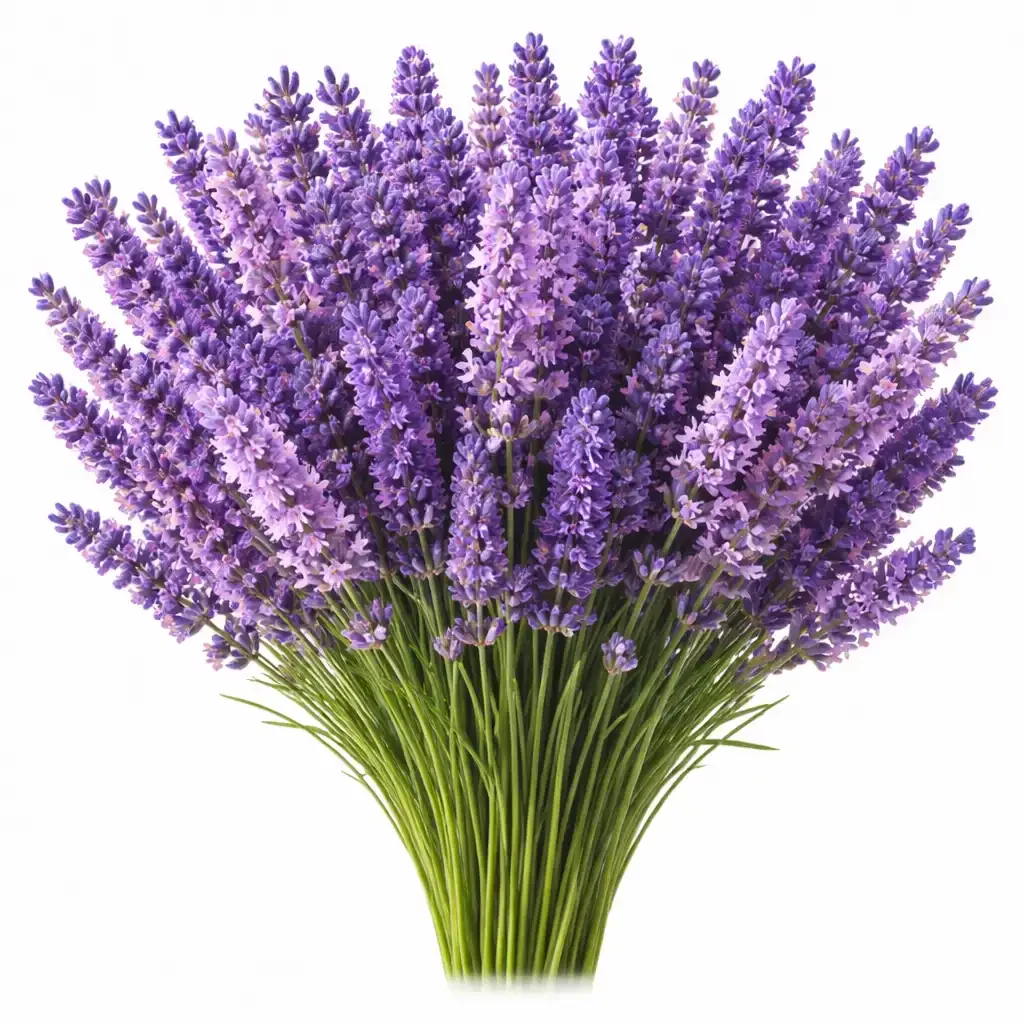
Quick Overview
Common Name: Lavender, English Lavender, French Lavender, Spanish Lavender
Scientific Name: Lavandula spp.
Plant Type: Perennial Shrub
USDA Zones: 5 to 11 depending on species and variety
Sun Requirement: Full Sun
Soil Type: Well-drained, sandy, average to poor fertility
Bloom Season: Late Spring through Summer, varies by species and climate
Height: 12 to 36 inches depending on species and variety
Pollinator Friendly: Yes
Edible: Yes, flowers and leaves are edible and widely used in cooking and herbal products
Why Grow Lavender on a Homestead
Lavender is one of the most commercially powerful and multi-dimensional crops available to homestead growers anywhere in the world. Its extraordinary fragrance, universal recognition, and remarkable versatility across fresh cut flowers, dried bundles, culinary products, essential oils, herbal preparations, and agritourism experiences make it one of the most financially productive plants per square foot available to any small farm operation. Few other plants combine the commercial reach, the ecological value, and the sensory impact of Lavender in ways that translate so directly and so reliably into market income.
For homestead growers, Lavender represents a genuinely strategic long-term investment. As a perennial shrub it returns year after year with minimal care, improving in productivity as plants mature and establish deep root systems. As a cut flower it delivers fragrant, beautiful stems during late spring and early summer when the wedding season is at its peak. As a dried flower it provides one of the most universally popular and longest-lasting dried products available, with demand that extends year-round through every market channel from the farm stand to the online shop. And as the foundation of a diverse range of value-added products including sachets, essential oils, culinary preparations, and herbal teas it provides income opportunities that extend far beyond the cut flower market.
Here is why Lavender deserves a prominent spot on your homestead:
It is one of the most universally recognized and beloved plants in the world. Lavender's combination of extraordinary fragrance and beautiful purple-blue blooms creates an immediate, emotional response in customers that very few other plants can match. It sells itself at every market level simply by being present and fragrant.
It provides multiple income streams from a single planting. Fresh cut stems, dried bundles, culinary lavender, sachets, herbal teas, essential oil, and agritourism experiences all provide viable and complementary income channels from the same permanent planting.
It is a long-lived, low-input perennial. A well-established Lavender planting requires minimal ongoing input and can remain productive for ten to fifteen years or more with appropriate pruning and management, delivering exceptional long-term return on the initial investment.
It is one of the most important pollinator plants available. Lavender is among the most ecologically valuable flowering shrubs a homestead grower can plant. Bees of every species visit Lavender flowers in extraordinary numbers throughout its blooming period.
It thrives in lean, well-drained conditions that challenge many other crops. Lavender performs best in the kind of poor, sandy, well-drained soil that is difficult to use productively for other crops, making it an excellent choice for areas of the homestead with marginal soil conditions.
Growing Conditions
Sunlight
Lavender requires full sun without compromise. It needs at least 6 to 8 hours of direct sunlight per day for the strongest growth, most abundant flowering, and best fragrance intensity. In partial shade it becomes leggy, produces fewer flowers with reduced fragrance, and becomes significantly more susceptible to the fungal diseases that are its most serious threat. Full sun is the single most important growing requirement for productive Lavender.
Soil
Lavender strongly prefers well-drained, sandy or gravelly soil with average to poor fertility. It is a Mediterranean native that has evolved in lean, dry conditions and actually performs significantly better in these conditions than in rich, amended beds. Overly fertile soil produces lush, soft, disease-prone growth and significantly reduces fragrance intensity. Good drainage is the single most critical soil requirement. Lavender does not tolerate waterlogged or consistently moist soil and will decline rapidly in poorly drained conditions. Soil pH between 6.5 and 7.5 is ideal. Slightly alkaline conditions suit Lavender particularly well.
Water
Once established, Lavender is highly drought tolerant and actually performs better in drier conditions than in consistently moist soil. It requires regular watering during its first growing season to establish a strong root system but after that needs only occasional deep watering during extended dry periods. Overwatering is one of the most common and most damaging mistakes with established Lavender. More Lavender plants are lost to overwatering and the root rot it causes than to drought. Once established, water deeply and very infrequently, allowing the soil to dry significantly between waterings.
Temperature
Lavender hardiness varies significantly between species and must be matched carefully to your climate for reliable long-term performance. English Lavender, Lavandula angustifolia, is the hardiest species, performing reliably in USDA zones 5 to 8 and producing the finest fragrance and the best culinary and dried flower quality of any Lavender species. French and Spanish Lavender species including Lavandula stoechas and Lavandula dentata are significantly less cold hardy, performing best in mild winter climates within USDA zones 8 to 11, and offer a longer blooming season in those zones as compensation for their reduced cold hardiness. Lavandin hybrids, crosses between English Lavender and Spike Lavender, offer very strong stems and high essential oil content and are reliably hardy in USDA zones 5 to 9.
Planting Guide
Lavender is best planted from nursery transplants or rooted cuttings. Growing from seed is slow and results are variable, particularly for named varieties that do not come true from seed. Nursery transplants give the fastest and most reliable path to productive plants.
Step 1: Choose a location with full sun and excellent drainage. For sites with heavy or clay soil, build raised beds with a custom mix of native soil, coarse sand, and a small amount of compost. Do not add excessive compost as this promotes lush, soft growth and reduces fragrance. A raised bed of 6 to 8 inches is sufficient to provide the drainage improvement that Lavender needs in most heavy soil situations.
Step 2: Prepare the planting area by incorporating coarse sand or fine gravel into the top 12 inches of soil to improve drainage. Add a small amount of garden lime if your soil is acidic to bring the pH closer to the neutral to slightly alkaline range that Lavender prefers.
Step 3: Plant nursery transplants in spring after the last frost date in cold winter climates. In mild winter climates within USDA zones 8 to 11, fall planting allows roots to establish through the cool season before the dry summer arrives.
Step 4: Space plants 18 to 24 inches apart for English Lavender and Lavandin varieties grown for cut flower and dried flower production. Proper spacing is critical for air circulation and fungal disease prevention.
Step 5: Water thoroughly after planting and keep soil lightly moist during the first few weeks of establishment. After establishment, begin transitioning to the deep, infrequent watering schedule appropriate for established Lavender.
Step 6: Apply a light layer of coarse gravel or decomposed granite mulch around the base of plants to reflect heat, maintain dry conditions at the crown, and prevent the crown rot that occurs when organic mulch retains moisture against the base of the plant. Never use wood chip or bark mulch directly against Lavender stems.
Seed vs Transplant: Always use nursery transplants or rooted cuttings for named varieties. Growing from seed is slow and produces variable results in fragrance quality and plant form.
Spacing: 18 to 24 inches apart for cut flower and dried flower production.
Planting Season: Spring in cold winter climates within USDA zones 5 to 7. Fall or spring in mild winter climates within USDA zones 8 to 11.
Maintenance
Pruning
Pruning is the single most important ongoing maintenance task for keeping Lavender productive and long-lived. Proper annual pruning prevents the woody, unproductive base that develops in unpruned Lavender plants and significantly extends the productive life of each plant.
Prune English Lavender and Lavandin varieties in late summer or early fall immediately after the harvest season is complete. Cut back by approximately one third to one half of the current season's growth, shaping the plant into a neat, rounded mound. Never cut back into the old, bare woody growth at the base of the plant as Lavender does not regenerate readily from completely bare wood.
In cold winter climates a light additional pruning in early spring to remove any winter-damaged tips and tidy the plant shape before new growth begins is beneficial. In mild winter climates the single post-harvest pruning is typically sufficient.
Fertilizing
Lavender does not need fertilizing. It performs best in lean conditions and adding fertilizer, particularly nitrogen-rich fertilizer, produces lush, soft growth that is prone to fungal disease and that significantly reduces the fragrance intensity that makes Lavender commercially valuable. In very poor, sandy soils a very light application of balanced fertilizer at planting is the maximum that should ever be applied.
Weed Management
Weeds compete aggressively with Lavender and must be managed consistently, particularly during the establishment phase when plants are not yet large enough to shade out competing vegetation. Hand weeding is the safest approach as cultivation tools can damage the shallow root system. A coarse gravel mulch around established plants reduces weed pressure significantly while maintaining the dry crown conditions that Lavender requires.
Pest Control
Lavender is highly pest resistant. Its strongly aromatic foliage deters most insects. Lavender is rarely troubled by significant pest problems in appropriate growing conditions.
Disease Prevention
Root rot and crown rot caused by poorly drained or consistently moist soil are the most serious disease threats to Lavender. Excellent drainage, coarse gravel mulch around the crown, avoiding overwatering, and annual pruning that maintains an open, well-ventilated plant structure are the most effective preventive measures. In hot, humid climates good air circulation and avoiding overhead watering are particularly important. Shab disease, caused by the fungus Phoma lavandulae, can affect plants in humid conditions and causes rapid wilting and death of individual stems. Remove affected stems immediately and improve air circulation.
Harvesting
When to Harvest Fresh Cut Flowers
For fresh cut flower use, harvest Lavender stems when approximately one quarter to one half of the individual florets on each spike are open. At this stage the stems are at their most visually impressive and the fragrance is at peak intensity. Lavender harvested at this stage has a vase life of approximately one to two weeks.
When to Harvest for Drying
For dried bundles, which is the most commercially important harvest use for most homestead Lavender operations, harvest stems when the florets are still mostly in bud, showing color but not yet fully open. Stems harvested at this stage dry with the tightest, most attractive bud formation and retain their color and fragrance longest after drying. Stems harvested when florets are fully open produce looser, less attractive dried bundles that shed florets more readily.
How to Cut
Use clean, sharp scissors or pruners. Cut stems as long as possible, cutting down to the first set of leaves on the woody base of the plant. For established Lavender plants with long, strong stems this can produce stems of 12 to 18 inches or more for standard varieties and up to 24 inches for tall Lavandin varieties. Harvest in the early morning before the heat of the day, when fragrance is at its peak and stems are fully hydrated.
Drying
Gather harvested stems into loose bundles of approximately twenty to thirty stems and secure near the base with a rubber band. Hang bundles upside down in a warm, dry, well-ventilated space away from direct sunlight. Drying typically takes two to three weeks depending on temperature and humidity. Properly dried Lavender retains its color and fragrance for one to two years or more when stored away from light and moisture.
How Often to Harvest
Most English Lavender varieties produce a single main flush of bloom per season with a smaller secondary flush possible in mild climates with appropriate post-harvest pruning. Lavandin varieties typically produce a single abundant harvest. French and Spanish Lavender species bloom more continuously in mild winter climates and can be harvested multiple times throughout the year.
Vase Life
Fresh Lavender typically lasts 7 to 14 days as a cut flower with proper care. Strip all foliage from the lower half of the stem, recut at an angle, and place in shallow water as Lavender does not need deep water conditioning. Change water every few days.
Uses on a Homestead
Fresh Cut Flowers
Fresh Lavender bundles are a reliable and universally popular summer cut flower at any farmers market. The combination of beautiful purple-blue bloom spikes and extraordinary fragrance creates an immediate sensory impact that draws customers and generates strong impulse purchasing. Fresh Lavender pairs beautifully with roses, peonies, ranunculus, and other summer cut flowers in romantic mixed bouquets.
Dried Bundles
Dried Lavender bundles are one of the most consistently popular and commercially reliable dried flower products available. Their long shelf life, universal appeal, and practical uses in sachets, potpourri, and home fragrance make them a perennial bestseller at craft markets, gift shops, farm stands, and online stores throughout the year. Dried Lavender bundles tied with ribbon are among the most giftable and marketable products a homestead grower can produce.
Value-Added Products
The extraordinary fragrance of Lavender provides the foundation for a wide range of premium value-added products including sachets, sleep pillows, bath salts, body scrubs, linen spray, beeswax candles, soap, culinary lavender sugar, culinary lavender salt, herbal teas, infused honey, and essential oil. Each of these products commands premium retail pricing and together they represent one of the most financially compelling value-added product ranges available to any homestead operation.
Culinary Use
Culinary Lavender, primarily English Lavender varieties with the sweetest, least camphor-heavy flavor, is used in baked goods, chocolate, ice cream, infused syrups, herbal teas, and savory preparations. The growing culinary Lavender market provides direct access to restaurants, bakeries, food artisans, and direct customers seeking genuinely local, hand-grown culinary herbs.
Agritourism
A mature Lavender planting in full bloom is one of the most visually spectacular and photographically compelling agricultural sights available to any homestead. Lavender agritourism, including u-pick experiences, farm tours, and lavender festival events, is one of the fastest-growing and most profitable agritourism categories available to small farms. The combination of extraordinary beauty, powerful fragrance, and universal appeal creates a visitor experience that generates powerful word-of-mouth marketing and social media engagement.
Pollinator Habitat
Lavender is among the most important flowering plants for bees available to homestead growers. Honeybees, bumblebees, and native bees visit Lavender flowers in extraordinary numbers throughout the blooming period. A mass planting of Lavender provides one of the most ecologically important pollinator resources on any homestead and supports the health and productivity of every other crop through enhanced pollination services.
Can You Make Money With Lavender
Yes, Lavender is one of the most financially productive crops available to homestead growers, particularly because of its unparalleled range of income streams that together can generate exceptional revenue from a relatively modest growing area.
Multiple income streams from a single permanent planting. Fresh cut flowers, dried bundles, culinary lavender, value-added products, and agritourism experiences all provide viable and complementary income channels from the same planting. The total revenue potential from all channels combined makes Lavender one of the highest-earning crops per acre available to small farms.
Year-round income from dried products and value-added items. While fresh Lavender has a defined seasonal harvest window, dried bundles and value-added products generate income throughout the year. An online shop selling dried Lavender bundles, sachets, and culinary products can generate consistent revenue every month regardless of the growing season.
Strong and growing consumer demand. Consumer interest in Lavender products across culinary, wellness, home fragrance, and natural beauty categories continues to grow. This growing demand supports premium pricing and expanding market opportunities for homestead Lavender producers.
Farmers Market: Fresh Lavender bundles sell for 6 to 12 dollars per bunch during the bloom season. Dried Lavender bundles sell for 8 to 18 dollars depending on size and presentation. Value-added products including sachets, culinary lavender, and herbal teas command premium retail prices.
Florists and Wedding Designers: Fresh and dried Lavender is in consistent demand from florists for mixed arrangements and wedding work, particularly for romantic, garden-style, and Provence-inspired designs. A reliable local source of quality Lavender is genuinely valued.
Online Shop: Dried Lavender bundles, sachets, culinary lavender, and lavender-infused products ship extremely well and command premium prices online. An online store is one of the most scalable and financially productive sales channels for homestead Lavender producers.
Agritourism: A u-pick Lavender experience during peak bloom is one of the most premium-priced and high-demand agritourism activities available to small farms. Entry fees, u-pick pricing, and on-site product sales during lavender season events can generate substantial single-day revenue.
Companion Plants
Lavender grows beautifully alongside many other plants from Mediterranean climates and drought-tolerant growing environments.
Roses: The most classic and universally beloved Lavender companion. Lavender planted at the base of rose shrubs repels aphids, attracts beneficial insects, and creates a beautiful fragrant combination. In bouquets the two flowers complement each other magnificently.
Echinacea: Both are drought-tolerant, pollinator-friendly perennials that grow well together in lean, well-drained soil and complement each other in naturalistic mixed arrangements.
Salvia: Shares similar Mediterranean growing requirements and growing conditions. Ornamental salvias planted alongside Lavender create a beautiful complementary fragrant and pollinator-rich planting.
Yarrow: Both prefer lean, well-drained soil and full sun. Yarrow provides complementary flat-topped blooms that pair naturally with the vertical spikes of Lavender in mixed arrangements.
Ornamental Grasses: Drought-tolerant ornamental grasses complement Lavender beautifully in the landscape and in dried arrangements, adding movement and texture that contrasts with the structured spikes of Lavender.
Rosemary: Both are Mediterranean natives with similar growing requirements. Rosemary planted alongside Lavender creates a beautiful aromatic Mediterranean garden planting and provides useful foliage for arrangements and culinary products.
Common Problems
Root Rot and Crown Rot
The most common and most serious problems with Lavender. Both are caused by poorly drained or consistently moist soil. Root rot develops in waterlogged soil conditions. Crown rot develops when moisture is retained against the base of the plant by organic mulch or heavy clay soil. Both are preventable through excellent drainage, coarse gravel mulch around the crown, avoiding overwatering, and choosing appropriate planting sites. Once established, both are difficult to treat and affected plants typically need to be replaced.
Shab Disease
A fungal disease caused by Phoma lavandulae that causes individual stems to suddenly wilt and die. More prevalent in warm, humid conditions. Remove and destroy affected stems immediately. Improve air circulation and avoid overhead watering. Severe infections may require plant removal.
Woody Unproductive Base
Develops in Lavender plants that are not pruned annually. Without regular pruning, Lavender develops an increasingly woody, bare base that produces fewer and fewer productive flowering stems each year. Annual post-harvest pruning that removes one third to one half of the current season's growth is the single most important practice for maintaining long-term productivity. Plants that have become severely woody can sometimes be rejuvenated by hard pruning but this is not always successful. Establishing a consistent annual pruning routine from the first year of planting prevents this problem entirely.
Poor Fragrance
Usually caused by insufficient sun, overly rich soil, or choosing a variety with naturally lower fragrance intensity. Ensure full sun, grow in lean soil without fertilizing, and choose English Lavender or Lavandin varieties for the strongest fragrance. French and Spanish Lavender species tend to have somewhat lower fragrance intensity than English Lavender.
Winter Kill in Cold Climates
Can occur when English Lavender is grown at the limits of its cold hardiness or when plants are exposed to freeze-thaw cycles without adequate snow cover. Choose cold-hardy varieties such as Hidcote and Vera for USDA zones 5 and 6, plant in a sheltered location with good winter drainage, and avoid heavy pruning in fall in the coldest climates as new growth is more vulnerable to winter damage than mature, woody growth.
Varieties to Consider
English Lavender (Lavandula angustifolia) for Cold Winter Climates
Hidcote: The most widely grown English Lavender variety for both cut flower and dried flower production. Compact, uniform habit with very dark purple flower spikes on strong stems. Outstanding fragrance and excellent cold hardiness to USDA zone 5. The standard commercial English Lavender variety and the most reliable choice for cold winter climates.
Vera: A tall, vigorous variety with long stems reaching 24 to 30 inches. Excellent for cut flower production where stem length is important. Strong fragrance and reliable performance in USDA zones 5 to 8. Very popular with florists for its exceptional stem length.
Melissa: Soft pink blooms rather than the standard purple. Very popular at farmers markets and with customers seeking an unusual Lavender color. Commands premium prices for its distinctive pink tone. Good cold hardiness in USDA zones 5 to 8.
Munstead: An early-blooming English Lavender with bright lavender-blue flowers on compact plants. One of the most cold-hardy English Lavender varieties, performing reliably in USDA zones 4 to 8. Popular for both cut flower and dried flower production.
Lavandin Hybrids for Cut Flower and Essential Oil Production
Grosso: The most widely grown Lavandin variety in the world for essential oil and dried flower production. Very large, intensely fragrant flower spikes on tall stems reaching 24 to 30 inches. Outstanding dried flower performance and very high essential oil yield. Reliable performance in USDA zones 5 to 9. The primary commercial variety for large-scale dried Lavender production.
Provence: A classic Lavandin with long, loose flower spikes and a sweet, clean fragrance that is considered among the finest of all Lavandin fragrances. Very popular for culinary use and for dried flower bundles. Strong stems and reliable performance in USDA zones 5 to 9.
Super: A vigorous Lavandin with very long stems and good fragrance intensity. Excellent for cut flower production where maximum stem length is the priority. Reliable performance in USDA zones 5 to 9.
French and Spanish Lavender for Mild Winter Climates
Lavandula stoechas (Spanish Lavender, Butterfly Lavender): Distinctive rabbit-ear bracts that give the flower head an unusual and charming appearance. Very popular at farmers markets for its distinctive form. Blooms earlier and more continuously than English Lavender in mild winter climates. Best suited to USDA zones 8 to 11.
Lavandula dentata (French Lavender, Toothed Lavender): Distinctive toothed foliage and pale purple flower spikes. Blooms almost continuously in mild winter climates, providing a much longer harvest window than English Lavender. Best suited to USDA zones 8 to 11. Very popular in mild climate regions for its nearly year-round bloom.
Phenomenal: A disease-resistant Lavandin hybrid with exceptional heat and humidity tolerance compared to most Lavender varieties. Reliable performance in USDA zones 5 to 9 including in the hot, humid climates of the Southeast where standard English Lavender and Lavandin varieties often struggle. Excellent choice for homestead growers in humid summer climates.
Final Thoughts
Lavender is one of the most strategically powerful and financially rewarding permanent plantings available to any homestead flower grower. Its combination of universal recognition, extraordinary fragrance, multiple income streams, and decade-long productive life creates a financial foundation for a homestead flower operation that few other crops can match. It asks for full sun, excellent drainage, lean soil, and consistent annual pruning. Give it those things and choose varieties appropriate for your climate, and Lavender will reward your homestead with years of spectacular blooms, extraordinary fragrance, and one of the most diverse and financially productive ranges of market opportunities available to any small farm anywhere in the world.
FAQ
What is the difference between English Lavender, French Lavender, and Lavandin? English Lavender, Lavandula angustifolia, is the hardiest, most fragrant, and most commercially versatile Lavender species. It produces the finest quality dried flowers and the highest quality culinary and essential oil products. It is the best choice for cold winter climates within USDA zones 5 to 8. French Lavender, Lavandula dentata, and Spanish Lavender, Lavandula stoechas, are less cold hardy but bloom more continuously in mild winter climates, making them better choices for USDA zones 8 to 11. Lavandin, Lavandula x intermedia, is a hybrid between English Lavender and Spike Lavender that combines the cold hardiness of English Lavender with very tall, strong stems and very high essential oil yield, making it the primary choice for large-scale dried flower and essential oil production.
How do I dry Lavender for the best color and fragrance retention? Harvest stems when the florets are still mostly in bud, showing color but not yet fully open. Bundle loosely in groups of twenty to thirty stems and hang upside down in a warm, dry, well-ventilated space away from direct sunlight. Light destroys the purple color rapidly so keeping drying bundles away from windows is important. Drying takes two to three weeks. Store finished bundles away from light and moisture in a cool location. Properly dried and stored Lavender retains its color and fragrance for one to two years or more.
Can Lavender be grown in hot, humid climates? Most Lavender species struggle in hot, humid climates due to the fungal disease pressure that comes with high humidity. However, several strategies improve success in these conditions. Choose heat and humidity tolerant varieties such as Phenomenal Lavandin which was specifically bred for better performance in humid climates. Ensure excellent drainage and do not overwater. Plant in full sun with generous spacing of 24 to 30 inches for maximum air circulation. Avoid overhead watering entirely. Even with these strategies Lavender is generally less reliable and shorter-lived in hot, humid climates than in drier regions and growers in these areas should plan to replace plants more frequently than growers in Mediterranean or continental climates.
How long do Lavender plants remain productive? With proper annual pruning, appropriate soil conditions, and good drainage, English Lavender and Lavandin plants can remain productive for ten to fifteen years or more. Without consistent annual pruning plants develop an increasingly woody, unproductive base and typically decline significantly within five to seven years. Annual post-harvest pruning that removes one third to one half of the current season's growth is the single practice most responsible for maintaining long-term productivity and the single most important investment a homestead Lavender grower can make in the long-term financial performance of their planting.
What is the best Lavender variety for dried bundles? Grosso Lavandin is the most widely grown variety for dried bundle production worldwide. Its very large, densely packed flower spikes, exceptional fragrance intensity, very high floret density, and outstanding color retention after drying make it the standard commercial dried bundle variety. For homestead growers who want the finest fragrance and culinary quality alongside excellent dried flower performance, Hidcote or Vera English Lavender are better choices. For growers who need both excellent dried flower performance and better heat and humidity tolerance than standard varieties offer, Phenomenal Lavandin is the most reliable choice.