
Marigolds
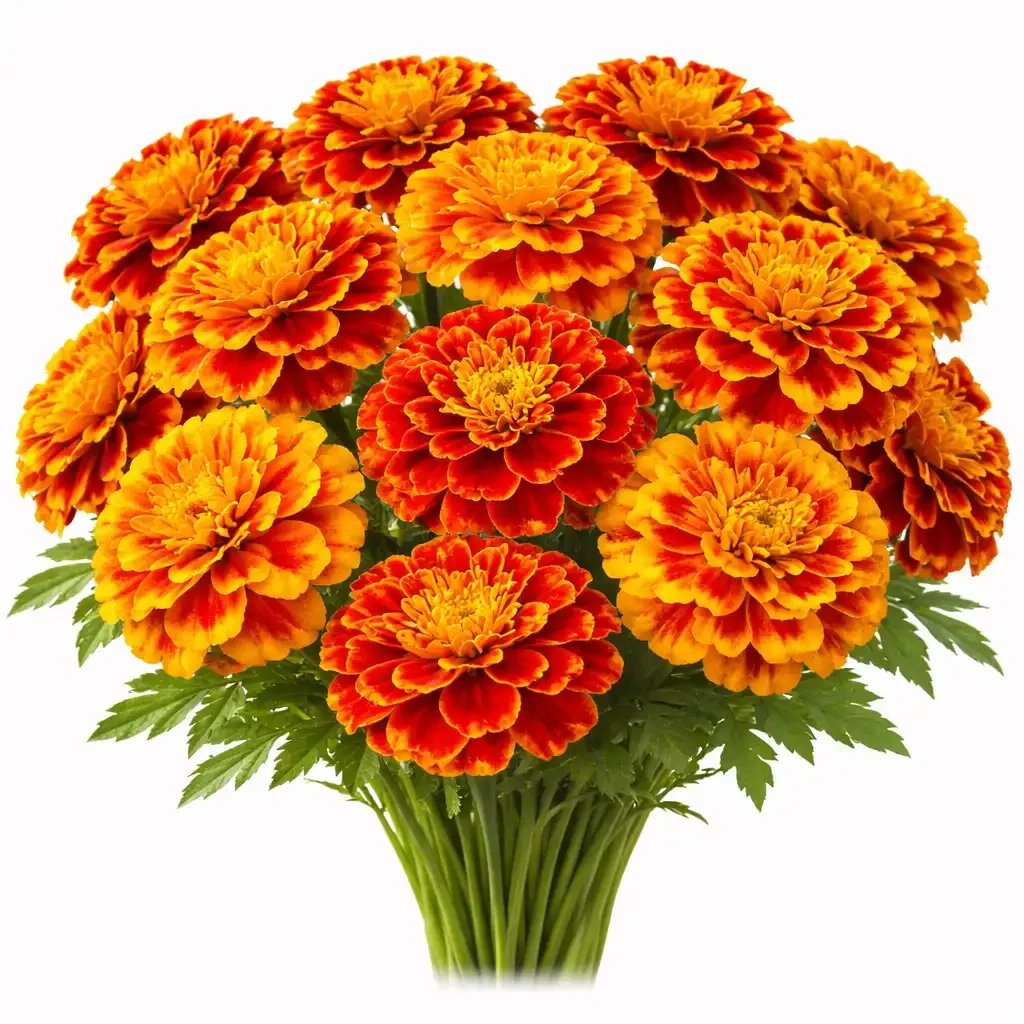
Quick Overview
Common Name: Marigolds, African Marigold, French Marigold
Scientific Name: Tagetes erecta, Tagetes patula
Plant Type: Annual
USDA Zones: 2 to 11
Sun Requirement: Full Sun
Soil Type: Well-drained, average fertility
Bloom Season: Summer through First Frost
Height: 12 to 36 inches depending on species and variety
Pollinator Friendly: Yes
Edible: Yes, petals are edible and used as a culinary garnish
Why Grow Marigolds on a Homestead
Marigolds are one of the most hardworking and commercially reliable flowers a homestead grower can plant. Their bold, warm blooms in shades of pure yellow, golden orange, deep rust, and rich mahogany provide exactly the kind of vibrant, sun-drenched color that customers reach for at farmers markets throughout the summer and fall season. They are virtually unstoppable once established, blooming prolifically from early summer all the way to the first hard frost with minimal input, maximum output, and the kind of cheerful reliability that makes them the backbone of many successful homestead flower operations.
Beyond their obvious visual appeal, Marigolds earn their place on the homestead in multiple ways simultaneously. As a companion plant they are among the most effective natural pest deterrents available, reducing nematode populations in the soil and deterring many insect pests when planted near vegetable crops. As an edible flower their petals provide a distinctive culinary garnish with a peppery flavor that commands premium prices at farmers markets and from restaurants. And as a cut flower their long vase life, bold color, and universal market recognition make them one of the most consistently sellable flowers available to any homestead grower throughout the entire warm season.
Here is why Marigolds deserve a prominent spot on your homestead:
They are one of the most reliable and long-blooming summer annuals available. Marigolds begin blooming in early summer and continue producing new flowers all the way to the first hard frost. Few other annual cut flowers match this combination of reliability and longevity over such an extended season.
They are extremely easy to grow from seed. Marigolds germinate readily in warm soil, establish quickly, and require very little attention once growing strongly. They are an ideal crop for beginning homestead flower growers and continue to reward experienced growers with consistent, high-volume production season after season.
They are powerful companion plants. Marigolds planted throughout the homestead garden deter soil nematodes, repel aphids and whitefly from neighboring crops, and attract beneficial insects. They earn their space in the garden in ways that go far beyond cut flower production.
They attract pollinators. Despite their reputation primarily as ornamental flowers, Marigolds are excellent pollinator plants, particularly for bees and butterflies that visit their blooms constantly throughout the summer season.
They provide edible petals as an additional product. Marigold petals are edible and provide a distinctive, peppery culinary garnish. Selling fresh petals to restaurants and at farmers markets provides an additional income stream beyond cut flower bundles.
Growing Conditions
Sunlight
Marigolds require full sun without compromise. They need at least 6 to 8 hours of direct sunlight per day for the strongest stems, most abundant flowering, and best disease resistance. In partial shade they become leggy, produce fewer flowers, and become more susceptible to powdery mildew. Full sun is the single most important growing requirement for productive Marigold cut flower production.
Soil
Marigolds prefer well-drained soil with average fertility. They are not demanding about soil richness and actually perform better in average conditions than in overly amended, rich beds. Overly fertile soil produces lush, floppy foliage at the expense of flower production and stem strength. Good drainage is essential as Marigolds do not tolerate waterlogged conditions. Soil pH between 6.0 and 7.5 is suitable for most Marigold varieties.
Water
Water consistently throughout the growing season to maintain even soil moisture. Marigolds are moderately drought tolerant once established but produce the best flowers and longest stems with consistent moisture. Water deeply at the base of the plant rather than overhead to reduce the risk of powdery mildew and botrytis on the foliage and flowers. In hot, humid climates overhead watering can accelerate disease problems significantly.
Temperature
Marigolds love heat and perform exceptionally well across a wide range of warm climates. They do not tolerate frost and should not be planted until after the last frost date when soil has warmed to at least 60 degrees Fahrenheit. They thrive in the hot summers found across most of the continental United States from USDA zone 2 to 11 and are one of the most heat-tolerant annual cut flower crops available. In hot, humid climates choose disease-resistant varieties and ensure good air circulation to reduce powdery mildew pressure.
Planting Guide
Marigolds can be started from seed indoors for the earliest blooms or direct sown after the last frost date. Both approaches work well and the best choice depends on your target harvest dates and the length of your growing season.
Step 1: For the earliest blooms, start seeds indoors 4 to 6 weeks before the last frost date. Marigold seeds germinate readily in warm conditions at 70 to 75 degrees Fahrenheit. Germination typically occurs within 5 to 7 days.
Step 2: Once seedlings have developed two to three sets of true leaves, transplant into individual pots and grow on in a warm, sunny location until outdoor planting time after the last frost date.
Step 3: For direct sowing, wait until after the last frost date when soil has warmed to at least 60 degrees Fahrenheit. Sow seeds directly in the ground at a depth of about one quarter inch and water gently after sowing.
Step 4: Choose a location with full sun and well-drained soil with average fertility. Avoid recently amended beds with heavy compost additions.
Step 5: Space plants or thin seedlings to 9 to 12 inches apart for African Marigold varieties grown for cut flower production. Proper spacing encourages strong, upright stems and good air circulation.
Step 6: For a continuous harvest throughout the season, succession plant every three to four weeks from the last frost date through early summer. This maintains a steady supply of fresh blooms throughout the summer and fall selling season.
Seed vs Transplant: Both work well. Starting indoors gives earlier first blooms. Direct sowing is simpler and works well in warm climates with long growing seasons.
Spacing: 9 to 12 inches apart for cut flower production.
Planting Season: After last frost when soil has warmed to at least 60 degrees Fahrenheit.
Maintenance
Deadheading
Regular deadheading of spent blooms is essential for keeping Marigolds productive throughout their long season. Marigolds that are allowed to set seed slow down significantly in flower production. Remove spent blooms by cutting the stem back to just above a set of leaves or a lateral shoot. For cut flower production, regular harvesting replaces deadheading and is the most efficient way to keep plants continuously productive.
Pinching
Pinching the central growing tip of young transplants when they reach 6 to 8 inches tall encourages branching and increases the number of flowering stems per plant. This is particularly important for African Marigold varieties grown for cut flower production where multiple long stems per plant are the goal.
Fertilizing
Marigolds are light feeders. A light application of balanced fertilizer at planting is sufficient for most soils. Avoid high nitrogen fertilizers which promote excessive foliage at the expense of flowers. In very lean soil a midseason application of low nitrogen fertilizer helps maintain productivity through the long growing season.
Pest Control
Marigolds are generally pest resistant and their strong aromatic scent actually deters many insect pests. Spider mites can be a problem in hot, dry conditions. Look for fine webbing and a pale, stippled appearance on foliage. Increase humidity around plants and treat with neem oil if spider mites appear. Aphids can occasionally appear on new growth but are usually managed by the beneficial insects that Marigolds attract.
Disease Prevention
Powdery mildew and botrytis can affect Marigolds in humid conditions or when plants are overcrowded. Space plants properly for good air circulation, avoid overhead watering, remove affected foliage promptly, and choose disease-resistant varieties. In hot, humid climates these preventive measures are particularly important.
Harvesting
When to Harvest
Harvest Marigolds when the bloom is fully open and showing its most vivid color but before the outer petals begin to curl back or fade. The central portion of the bloom should be fully formed and the petals should be flat and fully extended. Harvest in the early morning when stems are fully hydrated and temperatures are cool. African Marigold varieties produce the longest stems most suitable for cut flower use and should be the primary focus for cut flower production.
How to Cut
Use clean, sharp scissors or pruners. Cut stems as long as possible, ideally 12 to 18 inches for African Marigold varieties. Cut just above a set of leaves or a lateral shoot to encourage new stem production from branches below the cut. Remove all foliage from the lower half of the stem immediately after cutting. Note that Marigold foliage has a strong, distinctive aromatic scent that can be transferred to the water and to other flowers. Strip foliage carefully and keep Marigolds separated from strongly scented flowers in mixed arrangements.
Conditioning
After cutting, place stems in deep cool water in a cool, dark location for several hours or overnight before sale or arrangement. This conditioning period allows stems to fully hydrate and significantly improves vase life. Properly conditioned Marigolds hold up well in arrangements and at market displays.
How Often to Harvest
During peak bloom, harvest every two to three days as new flower heads reach the correct stage. Regular cutting is both a harvesting and a maintenance task that keeps plants continuously productive throughout their long season. Do not allow significant numbers of blooms to go to seed as this signals plants to slow down production.
Vase Life
Marigolds typically last 7 to 14 days as a fresh cut flower with proper conditioning and care. Strip all foliage below the waterline, recut stems at an angle, and place in fresh water. Change water every few days to maximize longevity. African Marigold varieties with their longer stems and larger blooms generally have the best vase life of the Marigold types.
Uses on a Homestead
Cut Flower Use
Marigolds are primarily grown as fresh cut flowers. Their bold, warm blooms in yellow, orange, and rust provide the kind of vivid summer color that is always in demand at farmers markets and in mixed summer bouquets. They pair beautifully with zinnias, sunflowers, celosia, rudbeckia, and other warm-toned summer flowers in bold, cheerful arrangements that capture the essence of the summer season.
Edible Flowers
Marigold petals are edible and provide a distinctive, slightly peppery flavor as a culinary garnish. Fresh petals can be scattered over salads, soups, and desserts or used to add color to culinary preparations. Selling fresh edible Marigold petals to local restaurants and at farmers markets provides an additional premium income stream that requires very little additional effort beyond what is already involved in cut flower production.
Companion Planting
Marigolds are among the most effective companion plants available to homestead growers. Planting Tagetes patula, the French Marigold, as a cover crop or interplanting reduces soil nematode populations significantly. Marigolds planted near tomatoes, peppers, and other vegetables deter aphids, whitefly, and other common vegetable pests. A border of Marigolds around vegetable beds provides year-round natural pest management benefits that extend well beyond the flowers themselves.
Dried Petals
Marigold petals can be dried and sold as culinary petals, herbal tea ingredients, natural fabric dye material, or potpourri components. Dried petals retain much of their color and have a reasonably long shelf life, providing an additional value-added product from the same crop.
Pollinator Garden
Marigolds are excellent pollinator plants. Bees and butterflies visit their blooms constantly throughout the summer season, contributing to the overall health and productivity of your homestead garden ecosystem.
Can You Make Money With Marigolds
Yes, Marigolds are a reliably profitable cut flower crop for homestead operations. Their combination of easy production, long selling season, universal market appeal, and multiple income streams makes them one of the most commercially straightforward flowers available to homestead growers.
Long selling season from summer through frost. Marigolds provide a continuous supply of harvestable stems from early summer all the way to the first hard frost, covering one of the longest selling windows of any annual cut flower crop.
Universal market appeal. Marigolds are universally recognized and consistently popular with customers of all ages and demographics. They sell reliably and quickly at every price point throughout their long season.
Low input costs. Seeds are inexpensive, plants need very little fertilizing or pest management, and the return on investment per seed packet is exceptional.
Multiple income streams. Fresh cut flowers, edible petals, dried petals, companion planting transplants, and natural dye material all provide viable income channels from a single Marigold planting.
Farmers Market: Fresh Marigold bundles sell for 6 to 10 dollars per bunch depending on variety, stem length, and bloom quality. African Marigold varieties with large blooms on long stems command the highest prices.
Florists: Marigolds are a useful and popular filler and focal flower for florists working with warm-toned arrangements, particularly in fall when their rich orange and rust tones align perfectly with the seasonal aesthetic.
Edible Petals: Fresh edible Marigold petals sold to restaurants or at the farmers market command 5 to 15 dollars per small container depending on your local market. This premium income stream requires minimal additional effort beyond standard cut flower production.
CSA Flower Subscriptions: Marigolds are a reliable and cheerful addition to summer and fall flower subscription boxes. Their bold color and long vase life make them a practical and visually impactful component of any warm season bouquet.
Companion Plants
Marigolds grow beautifully alongside many other summer cut flowers and vegetable crops where they provide both aesthetic and practical companion planting benefits.
Zinnias: Both are heat-loving summer annuals that grow in similar conditions and complement each other beautifully in warm-toned summer bouquets and market displays.
Sunflowers: Both love heat and full sun and complement each other beautifully in bold, warm-toned summer arrangements.
Celosia: Shares similar heat and sun requirements and pairs naturally with Marigolds in vibrant mixed summer bouquets.
Basil: Both love heat and full sun and grow well together. The combination of Marigolds and basil is one of the most effective companion planting pairs in the vegetable garden, deterring a wide range of insect pests.
Tomatoes: Marigolds planted near tomatoes deter aphids, whitefly, and nematodes and attract beneficial insects that help control common tomato pests.
Rudbeckia: Both are warm-toned summer flowers that complement each other in bold, cheerful late summer and fall bouquets.
Common Problems
Powdery Mildew
Can appear on foliage in humid conditions or when plants are overcrowded. Space plants properly for good air circulation, avoid overhead watering, and remove affected foliage promptly. Choose mildew-resistant varieties where available. In hot, humid climates powdery mildew is the most common disease challenge with Marigolds and preventive management through variety selection and cultural practices is far more effective than reactive treatment.
Botrytis Gray Mold
Can affect flowers and foliage in cool, humid conditions or when plants are overcrowded and air circulation is poor. Improve air circulation, avoid overhead watering, and remove affected material immediately.
Spider Mites
Can be a problem in hot, dry conditions. Look for fine webbing on stems and leaves and a pale, stippled appearance on foliage. Increase humidity around plants and treat with neem oil. Consistent deep watering that prevents drought stress is the best preventive measure.
Aphids
Occasionally appear on new growth. Usually managed naturally by beneficial insects. A strong spray of water dislodges most populations. Neem oil can be used if populations become problematic.
Short Stems
The most common frustration with Marigolds for cut flower production. Most French Marigold varieties produce short stems that are not suitable for cut flower use. For cut flower production, always choose African Marigold varieties, Tagetes erecta, that are specifically bred for tall stems and large blooms. Spacing plants properly at 9 to 12 inches and growing in full sun with adequate moisture also helps maximize stem length.
Varieties to Consider
African Marigolds (Tagetes erecta) for Cut Flower Production
Crackerjack Mix: A classic tall African Marigold mix with very large, fully double blooms in yellow, gold, and orange on strong stems reaching 24 to 36 inches. One of the most widely grown varieties for cut flower production. Very popular at farmers markets for its large, impressive blooms.
Antigua Series: A more compact African Marigold with large blooms on strong stems. Earlier blooming than many tall varieties and very productive throughout the season. Available in yellow, gold, and orange.
Excel Series: A tall, uniform African Marigold series bred specifically for cut flower production. Very strong stems, large blooms, and consistent performance across a wide range of growing conditions.
Vanilla: An unusual creamy white African Marigold. Very popular with florists and customers for its unusual color that is genuinely rare among Marigolds. Commands premium prices for its distinctiveness.
Specialty and Signet Marigolds
Tagetes lemmonii (Mexican Bush Marigold): A perennial species in warm climates with small yellow blooms and extremely strongly aromatic foliage. Grown primarily for its striking fragrance and as a companion plant rather than as a cut flower.
Tagetes tenuifolia (Signet Marigold): Very small single blooms on compact, finely textured plants. Edible flowers with a pleasant citrus flavor. Popular for edible flower use and as a market garden companion plant rather than as a traditional cut flower.
Kilimanjaro White: A large-flowered white African Marigold variety with fully double blooms on tall stems. Very popular with florists for wedding work and with customers seeking a classic large Marigold in an unusual white color.
Final Thoughts
Marigolds are the quintessential homestead flower. They are cheerful, unstoppable, ecologically valuable, and commercially reliable in ways that few other annual flowers can match. They bloom from the first warm days of summer to the last gasp before frost, they deter pests and attract pollinators simultaneously, they produce edible petals and companion planting value alongside their cut flower stems, and they sell themselves at any farmers market with nothing more than their bold, familiar beauty. Growing Marigolds well requires only basic attention to full sun, good drainage, and regular harvesting. Give them those things and Marigolds will become one of the most consistently productive, most commercially reliable, and most genuinely useful annual crops on your entire homestead.
FAQ
What is the difference between African and French Marigolds for cut flower production? African Marigolds, Tagetes erecta, produce large, fully double blooms on tall stems reaching 24 to 36 inches and are the primary Marigold used for cut flower production. Their long stems and large blooms make them suitable for professional floral use and farmers market sales. French Marigolds, Tagetes patula, produce smaller blooms on much shorter stems typically 8 to 12 inches tall. They are excellent companion plants and edible flower crops but their short stems make them poorly suited for traditional cut flower use. For cut flower production, always choose African Marigold varieties specifically.
How do I prevent the strong Marigold scent from transferring to other flowers in mixed arrangements? The strong aromatic scent of Marigold foliage can be transferred to water and to other flowers when combined in mixed arrangements. Minimize this by stripping all foliage from Marigold stems before placing in water, conditioning Marigolds in their own bucket before combining with other flowers, and changing the water regularly in mixed arrangements. Many florists and customers actually enjoy the distinctive Marigold scent as part of the sensory experience, so this is often more of a consideration for delicate fragrant flowers like sweet peas than for bold summer flowers like zinnias and sunflowers.
Can Marigolds really deter garden pests? Yes, Marigolds have genuine and well-documented pest deterrent properties. Tagetes patula, the French Marigold, is the most effective species for soil nematode reduction when planted as a dense cover crop or interplanted with susceptible vegetables. The roots exude compounds that are toxic to root-knot nematodes. Above-ground pest deterrence is somewhat less consistently documented but many experienced growers report that Marigolds planted near tomatoes, peppers, and other vegetables reduce populations of aphids, whitefly, and other common pests. At minimum the flowers attract beneficial insects that provide genuine pest control benefits throughout the homestead garden.
How do I maximize stem length in African Marigolds? Choose tall varieties specifically bred for cut flower production such as the Excel series and Crackerjack mix. Plant in full sun with adequate spacing of 9 to 12 inches. Maintain consistent deep watering throughout the growing season as drought stress significantly reduces stem length. Avoid excessive nitrogen fertilization which produces bushy, compact plants rather than tall, straight stems. Pinch seedlings at 6 to 8 inches to encourage branching while still maintaining adequate stem length for cut flower use.
Are Marigold petals truly edible? Yes, the petals of Tagetes species Marigolds are edible and have a distinctive, slightly peppery flavor with citrus notes that varies somewhat between varieties. They are used as a culinary garnish, added to salads, and used to color rice and other foods. Only the petals should be eaten, not the entire flower head including the bitter green base. Always use petals from plants grown without any chemical sprays for culinary use. Signet Marigold varieties, Tagetes tenuifolia, have the most pleasant flavor for culinary use while African Marigold petals are more commonly used for color than for flavor.