
Lisianthus
Quick Overview
Common Name: Lisianthus, Prairie Gentian, Texas Bluebell
Scientific Name: Eustoma grandiflorum
Plant Type: Tender Perennial grown as Annual
USDA Zones: 8 to 11 as perennial, grown as annual in cooler zones
Sun Requirement: Full Sun
Soil Type: Well-drained, moderately fertile, slightly alkaline
Bloom Season: Summer through Fall
Height: 18 to 36 inches
Pollinator Friendly: Yes
Edible: No
Why Grow Lisianthus on a Homestead
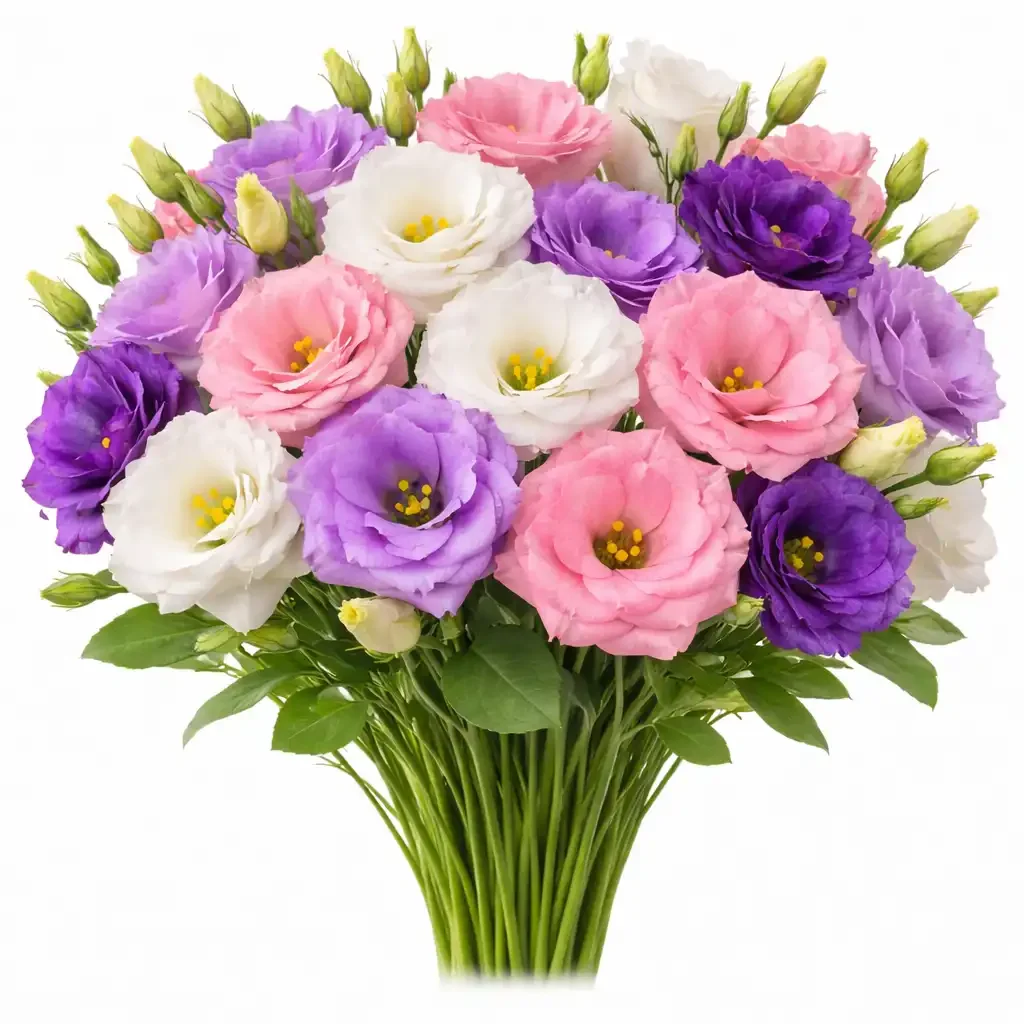
Lisianthus is one of the most beautiful and commercially valuable cut flowers available to homestead growers. Its large, ruffled blooms in shades of pure white, cream, soft lavender, deep purple, dusty pink, rose, and bicolor combinations have a delicate, layered quality that florists compare to a cross between a rose and a peony, and that comparison captures something genuinely true about why Lisianthus is so universally sought after. In the professional floral industry it is considered one of the elite cut flowers, consistently commanding premium prices and appearing in the most refined and expensive wedding and event arrangements around the world.
For homestead growers, Lisianthus represents both a significant commercial opportunity and a genuine growing challenge. It is one of the most demanding cut flower crops to produce successfully, requiring precise growing conditions, a long lead time from seed to bloom, and careful attention to temperature, drainage, and nutrition throughout its production cycle. But for growers who master those requirements, the rewards are exceptional. Lisianthus produces some of the longest-lasting cut flowers available anywhere, typically remaining beautiful in a vase for two to three weeks, which makes it one of the most valued flowers among florists who pay premium prices for its extraordinary longevity.
Here is why Lisianthus deserves a prominent spot on your homestead:
It is one of the most premium-priced cut flowers available. Lisianthus consistently commands wholesale prices among the highest of any cut flower crop. Its combination of extraordinary beauty, elite market positioning, and exceptional vase life justifies premium pricing at every market level.
It has an exceptional vase life. Lisianthus regularly lasts two to three weeks as a fresh cut flower, which is extraordinary for such a delicate-looking bloom. This longevity is one of its most commercially valuable qualities and a primary reason florists pay premium prices for quality stems.
It is in consistent demand from wedding florists. Lisianthus is a wedding florist staple. Its rose-peony-like blooms, wide color range, and exceptional vase life make it one of the most versatile and reliable premium flowers for wedding and event work.
It is not widely grown by small homestead operations. Despite its commercial value, Lisianthus remains underutilized by small farms due to its demanding production requirements. This creates a genuine market opportunity for growers who develop the skills to produce it reliably.
It is one of the few premium flowers that thrives in hot summer conditions. Unlike many premium cut flowers that prefer cool conditions, Lisianthus performs exceptionally well in warm summer climates, making it a valuable warm season premium crop.
Growing Conditions
Sunlight
Lisianthus requires full sun to perform its best. It needs at least 6 to 8 hours of direct sunlight per day for strong stem production and abundant flowering. In partial shade it produces weak, elongated stems with fewer and smaller blooms. Full sun is essential for the long, strong stems that command premium prices from florists and customers.
Soil
Lisianthus prefers well-drained, moderately fertile soil with a slightly alkaline pH. This is one of its more specific requirements and is important for reliable performance. A loose, well-drained soil with a pH between 6.5 and 7.5 is ideal. Unlike many cut flowers that prefer slightly acidic conditions, Lisianthus actually benefits from slightly alkaline soil. If your soil is acidic, adding a light application of garden lime before planting can significantly improve performance. Good drainage is essential as Lisianthus is extremely susceptible to root rot in waterlogged or poorly drained conditions.
Water
Water consistently but carefully throughout the growing season. Lisianthus needs regular moisture during active growth and blooming but is extremely sensitive to overwatering and poor drainage. The key is consistent, even moisture with excellent drainage. Water deeply but infrequently, allowing the top inch of soil to dry slightly between waterings. Drip irrigation is strongly preferred over overhead watering as wet foliage and flowers significantly increase disease pressure.
Temperature
Lisianthus performs best in warm temperatures between 70 and 85 degrees Fahrenheit during the day and 60 to 65 degrees Fahrenheit at night. It does not tolerate frost and should not be planted outdoors until conditions are reliably warm. A critical consideration for Lisianthus production is avoiding temperatures below 60 degrees Fahrenheit during the early seedling stage, which can trigger rosetting, a condition where the plant stops growing vertically and forms a flat, non-productive rosette of leaves instead of developing normally. In mild winter climates within USDA zones 8 to 11, Lisianthus can be grown as a perennial or as a long-season crop. In cold winter climates it is grown as a warm season annual.
Planting Guide
Lisianthus is one of the most challenging cut flowers to grow from seed. The seeds are extremely tiny, germination is slow and requires precise conditions, and seedlings are fragile and slow-growing for the first several weeks. Many homestead growers choose to purchase plugs or transplants from specialist suppliers rather than starting from seed, at least initially, to reduce the complexity of the establishment phase.
Step 1: If starting from seed, begin indoors 20 to 26 weeks before your target outdoor transplanting date. This is a very long lead time and is one of the most important factors in planning a Lisianthus crop. Seeds sown in November through January for spring transplanting and summer blooms is a common production timeline in cold winter climates.
Step 2: Lisianthus seeds are extremely tiny, often sold as pelletized seed to make handling easier. Sow pelletized seeds on the surface of a fine, moist seed starting mix. Do not cover the seeds as they need light to germinate. Maintain seed trays at 70 to 75 degrees Fahrenheit with consistent moisture and high humidity. Germination typically occurs within 10 to 21 days but can be slow and irregular.
Step 3: Once seedlings emerge, provide bright light immediately to prevent etiolation. A grow light positioned close to seedlings is strongly recommended as insufficient light at this stage is one of the most common causes of poor Lisianthus seedling development.
Step 4: Maintain seedling temperatures above 60 degrees Fahrenheit at all times during the early growth phase to prevent rosetting. This is critical. Even brief exposure to temperatures below 60 degrees can trigger rosetting in young seedlings and result in non-productive plants.
Step 5: Seedlings are slow-growing for the first several weeks. Transplant into individual cells or small pots once they have developed four to six true leaves and are large enough to handle carefully. Grow on in a warm, bright location until plants are robust enough for outdoor transplanting.
Step 6: After the last frost date when conditions are reliably warm, transplant outdoors to a location with full sun and well-drained, slightly alkaline soil. Space plants 6 to 9 inches apart for cut flower production.
Seed vs Transplant: Purchasing plugs or transplants from a specialist Lisianthus supplier is strongly recommended for beginning growers. This eliminates the most difficult phase of production and allows growers to focus on the outdoor growing phase where management is more straightforward.
Spacing: 6 to 9 inches apart for cut flower production.
Planting Season: After last frost when conditions are reliably warm. Start seeds indoors 20 to 26 weeks before target transplant date.
Maintenance
Pinching
Pinching the central growing tip when plants reach 6 to 8 inches tall encourages branching and increases the number of flower stems produced per plant. This is particularly important for cut flower production. Some growers pinch twice, once at 6 to 8 inches and again when lateral shoots reach 4 to 6 inches, to further increase branching and stem yield.
Staking
Tall Lisianthus stems can become top-heavy as flowers develop and may need support in exposed locations or when plants are heavily laden with blooms. Install horizontal support netting or individual stakes early in the season before stems reach their full height to prevent wind and rain damage.
Fertilizing
Lisianthus is a moderate feeder that benefits from regular fertilization throughout its growing and blooming season. Apply a balanced fertilizer at planting and follow with regular light applications every two to three weeks throughout the growing season. A fertilizer program that maintains adequate calcium levels is particularly important for Lisianthus as calcium deficiency can cause tipburn on the inner petals of developing buds. Avoid excessive nitrogen which promotes lush foliage at the expense of flower production.
Pest Control
Lisianthus is susceptible to thrips, which damage developing buds and open flowers, causing browning and distortion of petals. Thrips are the most commercially damaging pest for Lisianthus cut flower production. Preventive neem oil applications and yellow sticky trap monitoring help manage thrip pressure. Aphids and botrytis can also affect Lisianthus and should be managed promptly if they appear.
Disease Prevention
Fusarium crown and root rot is the most serious disease threat to Lisianthus and is almost always caused by poor drainage, overwatering, or soil pH that is too acidic. Prevention through excellent drainage, correct soil pH, and careful watering is the most effective management strategy. Botrytis gray mold can affect flowers in cool, humid conditions. Good air circulation, avoiding overhead watering, and removing spent flowers promptly are the most effective preventive measures.
Harvesting
When to Harvest
Harvest Lisianthus when two to three of the individual blooms on the stem are open and the remaining buds are showing color and beginning to swell. The remaining buds will continue to open progressively after cutting, giving the stem a long and evolving display in the vase. Stems harvested at this stage have the maximum vase life. Stems with blooms that are already fully open have a significantly shorter remaining vase life. Harvest in the early morning when stems are fully hydrated and temperatures are cool.
How to Cut
Use clean, sharp scissors or pruners. Cut stems as long as possible, ideally 18 to 24 inches. Cut just above a set of leaves or a lateral shoot to encourage new stem production from branches below the cut. Remove all foliage from the lower two thirds of the stem immediately after cutting. Place stems immediately into a bucket of cool water with a commercial floral preservative.
Conditioning
Lisianthus benefits greatly from thorough conditioning before sale or arrangement. After cutting and stripping lower foliage, place stems in deep cool water in a cool, dark location for several hours or overnight. This conditioning period significantly improves vase life and petal firmness. If refrigeration is available, conditioning at 34 to 38 degrees Fahrenheit gives the best results.
How Often to Harvest
During peak bloom, harvest every three to four days as new stems reach the correct harvest stage. Regular harvesting encourages continued lateral shoot development throughout the blooming season. After the main central stem is harvested, the lateral shoots that develop produce secondary stems that are somewhat shorter but still harvestable and marketable.
Vase Life
Lisianthus has an exceptional vase life, typically lasting two to three weeks as a fresh cut flower with proper conditioning and care. This is among the longest vase lives of any cut flower available and is one of its most commercially valuable qualities. Strip all foliage below the waterline, recut stems at an angle, and place in fresh water with a floral preservative. Change water every few days to maximize longevity.
Uses on a Homestead
Cut Flower Use
Lisianthus is primarily grown as a premium cut flower. Its large, ruffled blooms in soft, sophisticated colors make it one of the most beautiful and versatile flowers available for mixed bouquets, single-variety bundles, and wedding arrangements. It pairs magnificently with garden roses, ranunculus, sweet peas, and other premium flowers in high-end mixed bouquets that command the highest prices at every market level. Even a few stems of Lisianthus elevate the entire perceived value of an arrangement.
Wedding and Event Flowers
Lisianthus is a wedding florist staple. Its rose-peony-like blooms, wide color range, exceptional vase life, and elite market positioning make it one of the most versatile and reliable premium flowers for wedding bouquets, centerpieces, and large event installations. Wedding florists pay premium prices for quality local Lisianthus stems and a reliable supply is among the most valued florist supplier relationships available to a homestead cut flower operation.
Farmers Market
Lisianthus is one of the most instantly compelling and commercially powerful flowers at any farmers market. Customers who recognize it reach for it immediately. Customers who have never seen it stop to ask about it. Its extraordinary beauty, soft sophisticated colors, and premium pricing create an immediate perception of quality and distinctiveness that elevates the entire market stand.
Can You Make Money With Lisianthus
Yes, Lisianthus is one of the most financially rewarding cut flower crops available to homestead growers who develop the skills to produce it reliably. Its combination of premium pricing, exceptional vase life, and consistent florist demand creates a commercial opportunity that few other cut flower crops can match.
Premium per-stem pricing. Lisianthus commands wholesale prices among the highest of any cut flower crop. At retail, quality Lisianthus stems sell for prices that reflect its elite market positioning.
Exceptional vase life increases florist value. At two to three weeks in the vase, Lisianthus delivers more value per dollar to florists than almost any other cut flower available. This outstanding longevity makes florists genuinely willing to pay premium prices.
Consistent wedding market demand. Lisianthus is a consistent staple in the wedding flower market. Establishing supply relationships with local wedding florists creates a reliable and high-value income stream throughout the blooming season.
Not widely grown by small farms. Lisianthus remains underutilized by homestead operations due to its demanding production requirements. Growers who develop the skills to produce it reliably occupy an essentially uncompetitive local market position.
Farmers Market: Fresh Lisianthus bundles sell for 15 to 25 dollars per bunch depending on color, stem quality, and bloom count. Single premium stems can sell for 3 to 6 dollars each.
Florists and Wedding Designers: Lisianthus is among the most sought after premium flowers for wedding work. Wholesale pricing reflects the premium nature of the product. Establishing a supply relationship with local wedding florists is one of the most profitable uses of a Lisianthus crop.
CSA Flower Subscriptions: The inclusion of Lisianthus in a flower subscription box instantly elevates the perceived quality and value of the entire subscription. Subscribers who receive Lisianthus in their box recognize it as a premium product and the value it signals justifies premium subscription pricing.
Companion Plants
Lisianthus grows well alongside other warm season premium cut flowers with similar growing requirements.
Dahlias: Both are warm season premium cut flowers that bloom in summer through fall and complement each other beautifully in high-end mixed arrangements.
Roses: Lisianthus pairs magnificently with garden roses in mixed bouquets. Both are premium cut flowers with similar market positioning and complementary bloom forms.
Zinnias: Both thrive in warm summer conditions and pair beautifully in mixed summer arrangements where Lisianthus provides premium focal interest and zinnias provide volume and color.
Snapdragons: Both produce vertical flowering stems that complement each other in mixed arrangements. Snapdragons provide structural height while Lisianthus provides premium focal blooms.
Celosia: Shares similar warm season growing requirements and complements Lisianthus beautifully in bold, textured mixed summer arrangements.
Scabiosa: Both are delicate, premium cut flowers with a romantic aesthetic that pair beautifully in high-end bouquets and wedding arrangements.
Common Problems
Rosetting
The most common and most frustrating problem with Lisianthus production. Rosetting occurs when young seedlings are exposed to temperatures below 60 degrees Fahrenheit, causing them to stop growing vertically and form a flat, non-productive rosette of leaves. Once a plant has rosetted it will not recover and produce normal flowering stems. Prevention through maintaining seedling temperatures consistently above 60 degrees Fahrenheit throughout the early growth phase is the only effective management strategy.
Fusarium Crown and Root Rot
The most serious disease threat to Lisianthus. Caused by poor drainage, overwatering, or soil pH that is too acidic. Affected plants suddenly wilt and collapse. There is no effective treatment once infection is established. Prevention through excellent drainage, correct soil pH between 6.5 and 7.5, and careful watering is the only effective management strategy. Remove and destroy infected plants immediately.
Thrips
The most commercially damaging pest for Lisianthus cut flower production. Thrips damage developing buds and open flowers, causing browning and distortion of petals that make stems unmarketable. Monitor with yellow sticky traps and apply preventive neem oil sprays before thrip populations build. Remove heavily infested plant material promptly.
Botrytis Gray Mold
Can affect flowers and foliage in cool, humid conditions. Improve air circulation, avoid overhead watering, remove affected plant material immediately, and ensure good drainage. Botrytis is particularly damaging to open Lisianthus flowers and can spread rapidly in favorable conditions.
Slow Growth and Long Production Timeline
Lisianthus has one of the longest seed-to-bloom production timelines of any annual cut flower, typically five to six months from seeding to first harvest. This requires very careful planning and is the primary reason many homestead growers choose to purchase plugs or transplants rather than starting from seed. Building the extended production timeline into your annual planting calendar is essential for reliable Lisianthus production.
Varieties to Consider
Double-Flowered Series for Cut Flower Production
Voyage Series: One of the most widely grown Lisianthus series for commercial cut flower production. Very large, fully double blooms in a wide range of colors including white, cream, lavender, purple, pink, rose, and bicolors. Strong stems, excellent vase life, and reliable performance across a range of growing conditions. The standard for professional cut flower production.
Echo Series: A popular double-flowered series with good stem length and a wide color range. Very reliable performance and consistent quality make this series a favorite among homestead and small farm cut flower producers.
Rosita Series: A series with particularly large, very full double blooms that are extremely popular with wedding florists for their rose-like appearance. Available in a refined color range of white, blush, lavender, and deep purple.
Specialty and Fringed Types
Voyage Fringe Series: A fringed petal variety with dramatically ruffled and scalloped petal edges that create an even more ornate and distinctive appearance than standard double forms. Very popular with florists and wedding designers for its unusual and luxurious appearance. Commands premium prices for its distinctive form.
Advantage Series: A series bred specifically for heat tolerance and reliable performance in warm summer growing conditions. Particularly well suited to climates with hot summers where other series may show heat stress.
Bicolor and Specialty Colors
Arena Rim Series: A series featuring blooms with a contrasting colored rim on each petal. Very popular with florists and customers for the distinctive two-toned appearance that adds visual interest to arrangements and bouquets.
Voyage Deep Blue: A deeply saturated purple-blue variety that is among the most distinctive and sought after Lisianthus colors available. Commands premium prices for its unusual color intensity.
Final Thoughts
Lisianthus is the most demanding and the most rewarding cut flower a homestead grower can choose to master. Its extraordinary beauty, exceptional vase life, elite market positioning, and consistent demand from wedding florists and discerning customers make it one of the most financially rewarding crops in the premium cut flower market. It will challenge you during the seedling phase with its slow growth and precise temperature requirements. It will reward your patience with two to three weeks of stunning blooms per stem that florists and customers recognize immediately as something genuinely special. Invest in quality plugs or transplants until you have mastered the growing conditions, provide excellent drainage and a slightly alkaline soil pH, maintain consistent warm temperatures throughout the production cycle, protect developing buds from thrips, and Lisianthus will become the most distinctive and commercially powerful premium flower in your entire homestead operation.
FAQ
Why is Lisianthus so difficult to grow from seed? Lisianthus seeds are among the smallest and most demanding of any common cut flower crop. They require precise temperature, light, and moisture conditions to germinate and the resulting seedlings are extremely fragile and slow-growing for the first several weeks. The most critical challenge is maintaining consistent temperatures above 60 degrees Fahrenheit throughout the seedling phase to prevent rosetting. Many experienced homestead growers choose to purchase plugs or transplants from specialist Lisianthus suppliers to bypass the most challenging phase of production, particularly in the first years of growing this crop.
What is rosetting in Lisianthus and how do I prevent it? Rosetting is a physiological condition where Lisianthus seedlings stop growing normally and instead form a flat, non-productive rosette of leaves close to the ground. It is triggered by exposure to temperatures below 60 degrees Fahrenheit during the early seedling phase, typically in the first six to eight weeks after germination. Once a plant has rosetted it will not recover and produce a normal flowering stem. Prevention is the only effective management strategy. Maintain seedling temperatures consistently above 60 degrees Fahrenheit at all times during the early growth phase using a heat mat, greenhouse heating, or grow lights that provide supplemental warmth.
How long does Lisianthus take from seed to first bloom? Lisianthus has one of the longest production timelines of any annual cut flower, typically five to six months from seeding to first harvest. This means that seeds sown in November through January in cold winter climates produce plants that bloom in late spring through summer of the following year. This extended timeline requires very careful annual planning and is one of the primary reasons many homestead growers choose to purchase plugs or transplants from specialist suppliers to reduce the overall production timeline.
What soil pH is best for Lisianthus? Lisianthus performs best in slightly alkaline soil with a pH between 6.5 and 7.5. Unlike most cut flowers that prefer slightly acidic conditions, Lisianthus actually benefits from a higher pH. Fusarium crown and root rot, the most serious Lisianthus disease, is significantly more prevalent in acidic soil conditions. If your soil tests acidic, a light application of garden lime worked into the bed before planting can significantly improve plant health, disease resistance, and overall performance.
Is Lisianthus worth the extra effort compared to easier cut flowers? For homestead growers who are willing to invest in developing the skills to produce it reliably, Lisianthus is absolutely worth the additional effort. No other commonly grown cut flower combines its extraordinary beauty, elite market positioning, exceptional vase life, and premium pricing in the same way. In a market where most homestead growers offer the same popular summer annuals, a reliable supply of locally grown Lisianthus places your operation in a premium market category that is essentially uncontested. The key is approaching it systematically, starting with purchased plugs or transplants, ensuring excellent drainage and correct soil pH, and building your production skills season by season until reliable, high-quality production becomes routine.