
Snapdragons
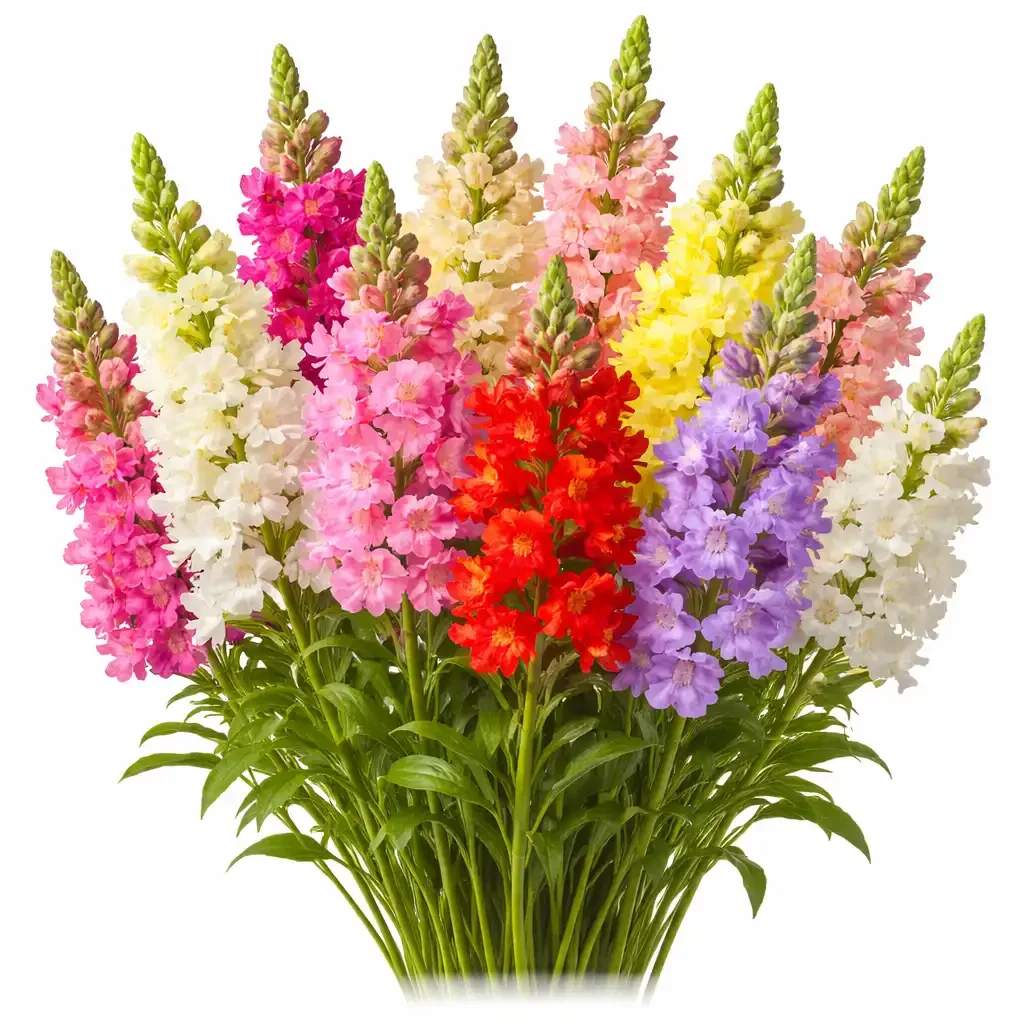
Quick Overview
Common Name: Snapdragons
Scientific Name: Antirrhinum majus
Plant Type: Annual, short-lived perennial in mild climates
USDA Zones: 2 to 11 as annual, 7 to 11 as short-lived perennial
Sun Requirement: Full Sun
Soil Type: Well-drained, moderately fertile
Bloom Season: Spring through Early Summer, Fall through Spring in mild winter climates
Height: 18 to 48 inches depending on variety
Pollinator Friendly: Yes
Edible: No
Why Grow Snapdragons on a Homestead
Snapdragons are one of the most beloved and commercially important cool season cut flowers available to homestead growers. Their tall, densely packed flower spikes in an extraordinary range of colors from pure white through every shade of yellow, orange, pink, red, and deep burgundy produce one of the most visually striking displays in the spring cutting garden. For homestead growers in mild winter climates within USDA zones 8 to 11, Snapdragons are a cornerstone cool season crop that provides abundant, high-quality stems from fall through spring when most summer annuals have finished.
Florists prize Snapdragons for their vertical structure, wide color range, and reasonable vase life. They are a staple in mixed spring bouquets, wedding arrangements, and event installations and are one of the most widely recognized and universally loved flowers at farmers markets. Customers of all ages respond immediately to their cheerful, familiar form and the playful snap of their blooms.
Here is why Snapdragons deserve a prominent spot on your homestead:
They are a florist staple with consistent year-round demand. Snapdragons are used by florists constantly in mixed arrangements and wedding work. Local supply from small farms is rare and highly valued, particularly during the cool season when most cut flower production slows.
They provide income during the cool season gap. In mild winter climates, Snapdragons bloom during fall, winter, and spring when most other cut flowers are not available, filling a critical and profitable gap in the harvest calendar.
They are a cut and come again flower. After the main central spike is harvested, lateral shoots develop and produce additional harvestable spikes throughout the season, dramatically increasing yield per plant.
They come in an extraordinary range of colors and forms. From pure white to deep burgundy, bicolors, and specialty double-flowered forms, Snapdragons offer a range of options that caters to every market preference and price point.
They are universally recognized and loved by customers. Few flowers generate as much immediate customer recognition and enthusiasm at farmers markets as Snapdragons. They are one of the easiest flowers to sell at any market.
Growing Conditions
Sunlight
Snapdragons perform best in full sun. They need at least 6 hours of direct sunlight per day for the strongest stems and most abundant flowering. In partial shade they produce taller, weaker stems with fewer flowers. Full sun combined with cool temperatures produces the ideal growing conditions for Snapdragons.
Soil
Snapdragons prefer well-drained, moderately fertile soil. They perform well in soil amended with compost but do not need overly rich conditions. Waterlogged soil causes root rot quickly. A loose, well-drained soil with a pH between 6.0 and 7.0 is ideal. Good drainage is the single most important soil requirement for Snapdragons.
Water
Water regularly and consistently throughout the growing season. Snapdragons need consistent moisture to produce strong stems and dense flower spikes but do not tolerate waterlogged conditions. Water deeply at the base of the plant rather than overhead to reduce the risk of fungal diseases. Reduce watering as temperatures rise and plants approach the end of their productive life.
Temperature
Snapdragons are cool season plants that perform best in temperatures between 40 and 65 degrees Fahrenheit. They tolerate light frost and actually perform better in cool conditions than in heat. They decline and stop blooming when temperatures consistently exceed 80 degrees Fahrenheit. In mild winter climates within USDA zones 8 to 11, Snapdragons are best grown as a fall through spring crop, taking full advantage of the cool growing season for an exceptionally long and productive blooming period. In cold winter climates within USDA zones 3 to 7, grow as an early spring crop sown as soon as conditions allow and harvested through early summer before heat arrives.
Planting Guide
Snapdragons are best started from seed indoors well ahead of the outdoor planting season. They require a long lead time from seed to transplant-ready seedling and benefit from early establishment in the garden before the coolest weather arrives.
Step 1: In mild winter climates within USDA zones 8 to 11, start seeds indoors in late summer to early fall, typically August through September, for fall transplanting. This timing produces well-established plants that bloom from late fall through spring.
Step 2: In cold winter climates, start seeds indoors 8 to 10 weeks before the last frost date for early spring planting. Snapdragons can tolerate light frost and can be transplanted outdoors earlier than many other annuals.
Step 3: Sow seeds on the surface of moist seed starting mix. Snapdragon seeds are tiny and need light to germinate so do not cover them. Keep seed trays at 65 to 70 degrees Fahrenheit until germination, which typically occurs within 10 to 14 days.
Step 4: Once seedlings have developed two to three sets of true leaves, transplant into individual pots and grow on in a cool, bright location until outdoor planting time.
Step 5: Transplant outdoors to a location with full sun and well-drained soil. Space plants 6 to 9 inches apart for cut flower production. Closer spacing encourages taller, straighter stems.
Step 6: Water thoroughly after transplanting and keep soil consistently moist until plants are well established.
Seed vs Transplant: Both work well. Nursery transplants are convenient and give faster results. Starting from seed gives access to a wider range of varieties and lower per-plant cost for large plantings.
Spacing: 6 to 9 inches apart for cut flower production.
Planting Season: Late summer to early fall in mild winter climates within USDA zones 8 to 11 for winter and spring blooms. Early spring in cold winter climates as soon as soil temperatures allow.
Maintenance
Pinching
Pinching the central growing tip when seedlings reach 4 to 6 inches tall is one of the most important steps for cut flower production. Pinching forces the plant to develop multiple lateral shoots from the base rather than a single central spike, dramatically increasing the total number of harvestable stems per plant over the course of the season. It delays the first bloom by approximately two weeks but the increase in total yield is well worth the wait.
Fertilizing
Apply a balanced fertilizer at planting and follow with regular light applications throughout the growing season to maintain productivity. Avoid excessive nitrogen which promotes lush foliage at the expense of flower spike development. A balanced or slightly phosphorus-rich fertilizer encourages the densest, most fully packed flower spikes with the strongest stems.
Staking
Tall Snapdragon varieties grown for cut flower production may need light staking or horizontal support netting to keep stems upright, particularly in exposed locations or when plants are heavily laden with blooms. Installing support netting at the time of transplanting prevents damage to established plants later in the season.
Pest Control
Snapdragons are generally pest resistant in cool conditions. Aphids can appear on stems and developing spikes and should be treated promptly with a strong spray of water or neem oil. Rust is the most serious disease threat and can spread quickly in affected plantings.
Disease Prevention
Snapdragon rust is the most significant disease problem and can devastate a planting if not caught early. Look for orange-brown powdery pustules on the undersides of leaves. Remove and destroy affected plant material immediately and avoid overhead watering. Choosing rust-resistant varieties is the most effective prevention strategy. Good air circulation through proper plant spacing is also essential.
Harvesting
When to Harvest
Harvest Snapdragons when approximately one quarter to one third of the florets on the spike are open, starting from the bottom of the spike upward. The remaining florets will continue to open progressively up the spike after cutting, giving the stem a long and evolving display in the vase. Harvesting when too few florets are open results in spikes that may not fully develop after cutting. Harvest in the early morning when stems are fully hydrated and temperatures are cool.
How to Cut
Use clean, sharp scissors or pruners. Cut the central spike as long as possible, ideally 18 to 24 inches, cutting just above the lowest set of leaves on the main stem. This encourages the development of lateral shoots that will produce secondary spikes throughout the season. Place cut stems immediately into a bucket of cool water with a floral preservative.
Conditioning
Snapdragons benefit from a conditioning period before use or sale. After cutting, place stems in deep cool water in a cool, dark location for several hours or overnight. Snapdragons are geotropic, meaning their tips curve upward toward light when laid horizontally. Always store and transport Snapdragons vertically to prevent this natural curving from affecting stem straightness.
How Often to Harvest
Harvest every few days as new spikes reach the correct stage. After the central spike is harvested, multiple lateral shoots develop and produce secondary spikes that are somewhat smaller but still harvestable and marketable. Regular harvesting and removal of spent spikes encourages continued lateral shoot development throughout the season.
Vase Life
Snapdragons typically last 7 to 14 days as a fresh cut flower with proper conditioning and care. Strip all foliage below the waterline, recut stems at an angle, and place in fresh water with a floral preservative. Change water every few days and recut stems to maximize vase life.
Uses on a Homestead
Cut Flower Use
Snapdragons are primarily grown as cut flowers. Their tall, densely packed flower spikes add impressive vertical structure, rich color, and a playful personality to mixed bouquets and arrangements. They pair beautifully with ranunculus, sweet peas, stock, and other cool season flowers in romantic spring arrangements, and with dahlias, zinnias, and celosia in summer and fall bouquets.
Wedding and Event Flowers
Snapdragons are a wedding florist favorite, particularly for spring and early summer weddings. Their elegant spikes, wide color range, and ability to add vertical height to arrangements make them extremely versatile in wedding bouquets, centerpieces, altar arrangements, and large event installations. Specialty double-flowered and butterfly varieties are particularly popular for high-end wedding work.
Farmers Market
Snapdragons are one of the easiest and most reliable flowers to sell at the farmers market. Their universal recognition, cheerful colors, and the playful snap of their blooms create immediate customer engagement. Single-variety bundles of specialty colors and forms sell particularly well at premium price points.
Pollinator Support
Snapdragons are an important pollinator plant, particularly for bumblebees which are uniquely adapted to pry open the closed lips of the snapdragon flower and access the nectar inside. They provide a valuable cool season nectar source at a time when many other plants are not yet in bloom.
Can You Make Money With Snapdragons
Yes, Snapdragons are one of the most profitable cool season cut flower crops available to homestead growers, particularly in mild winter climates within USDA zones 8 to 11 where they can be grown over an exceptionally long season.
Cool season market advantage. Snapdragons bloom during fall, winter, and spring in mild winter climates when most other cut flowers are unavailable, allowing you to sell premium-priced stems with very limited competition. In cold winter climates the shorter spring season still delivers strong returns given the consistent florist demand and universal customer appeal.
Cut and come again production. After the central spike is harvested, multiple lateral shoots develop and continue producing harvestable spikes throughout the season, dramatically increasing the total yield per plant and per square foot of growing space.
Strong florist demand. Snapdragons are used by florists constantly and local supply from small farms is rare and highly valued. Establishing a supply relationship with local florists is one of the most reliable income sources for a Snapdragon crop.
Long productive season in mild winter climates. In mild winter climates within USDA zones 8 to 11, a well-timed Snapdragon planting can produce harvestable stems for four to six months, delivering exceptional return on investment from a single planting.
Farmers Market: Fresh Snapdragon bundles sell for 8 to 15 dollars per bunch depending on stem quality, color, and variety. Single premium spikes can sell individually for 2 to 4 dollars each.
Florists and Wedding Designers: Snapdragons are in consistent demand from florists for mixed arrangements and wedding work. Supplying local florists directly is one of the most profitable sales channels for this crop.
CSA Flower Subscriptions: Snapdragons are one of the most impressive and visually striking additions to a cool season flower subscription box. Their inclusion immediately elevates the perceived quality and value of the subscription.
Wedding and Event Flowers: Snapdragons are a natural choice for spring weddings and events. Their range of colors, vertical form, and ease of use in large-scale installations make them a highly requested specialty item for wedding florists.
Companion Plants
Snapdragons grow well alongside other cool season crops and spring blooming flowers with similar growing requirements.
Stock: Both are fragrant cool season crops that bloom at the same time and complement each other beautifully in spring arrangements. Stock adds fragrance while Snapdragons add bold vertical color.
Ranunculus: Both are cool season favorites that bloom at the same time and pair beautifully in romantic spring bouquets.
Sweet Peas: A fragrant cool season companion that pairs naturally with Snapdragons in the spring cutting garden and in mixed bouquets.
Larkspur: Another cool season annual with tall spikes that creates beautiful layered vertical arrangements alongside Snapdragons.
Anemones: A cool season bulb that overlaps with Snapdragon bloom time and creates striking combinations in spring arrangements.
Nigella: A delicate cool season annual that provides a soft, airy contrast to the bold vertical form of Snapdragon spikes in mixed bouquets.
Common Problems
Snapdragon Rust
The most serious disease problem with Snapdragons. Orange-brown powdery pustules appear on the undersides of leaves and spread rapidly in cool, humid conditions. Remove and destroy affected plant material immediately. Avoid overhead watering, space plants properly for air circulation, and choose rust-resistant varieties. Once rust is established in a planting it is very difficult to control. Crop rotation helps prevent rust from building up in the soil.
Botrytis Gray Mold
Can affect flower spikes and foliage in cool, humid, or overcrowded conditions. Improve air circulation, avoid overhead watering, and remove affected material promptly.
Aphids
Can appear in large numbers on stems and developing spikes. Treat promptly with a strong spray of water or neem oil as aphid damage to developing spikes significantly reduces their market value.
Geotropism and Curved Stems
Snapdragons naturally curve upward toward light when laid horizontally, which can make stems appear crooked after harvest or transport. Always store and transport Snapdragons vertically in buckets of water. Conditioning overnight in a cool, dark location before sale helps stems maintain their natural upright form.
Bolting and Decline in Heat
Snapdragons decline and stop blooming when temperatures consistently exceed 80 degrees Fahrenheit. Time plantings carefully to take advantage of the cool season regardless of your climate and plan for plants to decline as summer heat arrives. Replace with heat-tolerant summer crops as Snapdragons fade.
Varieties to Consider
Potomac Series: The gold standard for cut flower Snapdragon production. Tall, uniform spikes on strong stems with excellent heat tolerance relative to other Snapdragon varieties. Available in a wide range of colors including white, cream, yellow, orange, pink, red, burgundy, and bicolors. Rust resistant and bred specifically for commercial cut flower production.
Rocket Series: A classic tall variety bred for cut flower production. Strong stems, good color range, and reliable performance across a range of growing conditions. Very popular with homestead and small farm growers.
Madame Butterfly Series: A unique double-flowered azalea type with open, butterfly-shaped blooms rather than the traditional closed snap. Very popular with florists and wedding designers for its distinctive, airy appearance. Commands premium prices for its unusual form.
Chantilly Series: An open-faced type with delicate, butterfly-shaped flowers on tall, branching stems. Very popular for a softer, more natural aesthetic in mixed bouquets. Excellent for wedding work.
Sonnet Series: A mid-height series with good branching habit and a wide color range. Well suited to both cut flower production and farmers market display.
Opus Series: A tall, strong series with excellent rust resistance and very good stem length. One of the most reliable choices for commercial cut flower production in mild climates.
Costa Series: A series bred specifically for cool season and low light production. Excellent choice for fall and winter growing in mild winter climates within USDA zones 8 to 11 where light levels are lower during the winter months.
Final Thoughts
Snapdragons are one of the most rewarding and commercially important crops in the cool season homestead flower operation. Their extraordinary color range, vertical structure, cut and come again production habit, and universal customer appeal make them one of the most versatile and profitable flowers you can grow. In mild winter climates within USDA zones 8 to 11 where they can be grown through the cool months as a long-season crop producing blooms from late fall through spring, Snapdragons deliver exceptional value and market impact at a time when very few other cut flowers are available. In cold winter climates, the shorter spring blooming window is still one of the most commercially rewarding cool season harvests available. Time your plantings carefully, pinch seedlings early, choose rust-resistant varieties, and harvest at the right stage, and Snapdragons will become one of the most reliable and eagerly anticipated crops on your homestead season after season.
FAQ
Why do Snapdragon stems curve after cutting? Snapdragons are geotropic, meaning their growing tips naturally curve upward toward light and gravity. When stems are laid horizontally after cutting or during transport, the tips curve upward, making stems appear crooked. Always store and transport Snapdragons vertically in buckets of water. Conditioning overnight in a cool, dark location before sale helps stems maintain their natural upright form.
How do I prevent Snapdragon rust? Choose rust-resistant varieties such as the Potomac and Opus series, space plants properly for good air circulation, avoid overhead watering, and practice crop rotation to prevent rust from building up in the soil. Remove and destroy affected plant material immediately at the first sign of rust. Prevention is far more effective than treatment once rust is established.
Can Snapdragons survive frost? Snapdragons tolerate light frost and actually perform better in cool conditions than in heat. Established plants can survive temperatures down to about 25 to 28 degrees Fahrenheit with some protection. In mild winter climates within USDA zones 8 to 11 they can be grown as a winter crop with minimal frost protection needed.
How many times can I harvest from one Snapdragon plant? After the central spike is harvested, multiple lateral shoots develop and produce secondary spikes. A well-pinched, well-maintained Snapdragon plant can produce 10 to 20 or more harvestable spikes over the course of its cool season growing period. Regular harvesting, consistent moisture, and light fertilization are the keys to maximizing the number of harvestable spikes per plant.
What are the best Snapdragon varieties for cool season cut flower production? For cut flower production in mild winter climates within USDA zones 8 to 11, the Potomac series and Costa series are particularly well suited due to their rust resistance, tall stems, and ability to perform well during the winter months when light levels are lower. In cold winter climates, the Potomac and Rocket series are reliable choices for spring production. The Chantilly and Madame Butterfly series are excellent choices for growers targeting the wedding and specialty florist market with something more distinctive than standard Snapdragon forms.