
Scabiosa
Quick Overview
Common Name: Scabiosa, Pincushion Flower, Sweet Scabious
Scientific Name: Scabiosa atropurpurea, Scabiosa caucasica
Plant Type: Annual and Perennial varieties available
USDA Zones: 3 to 10 depending on variety
Sun Requirement: Full Sun
Soil Type: Well-drained, moderately fertile, slightly alkaline
Bloom Season: Late Spring through Fall
Height: 18 to 36 inches depending on variety
Pollinator Friendly: Yes
Edible: No
Why Grow Scabiosa on a Homestead
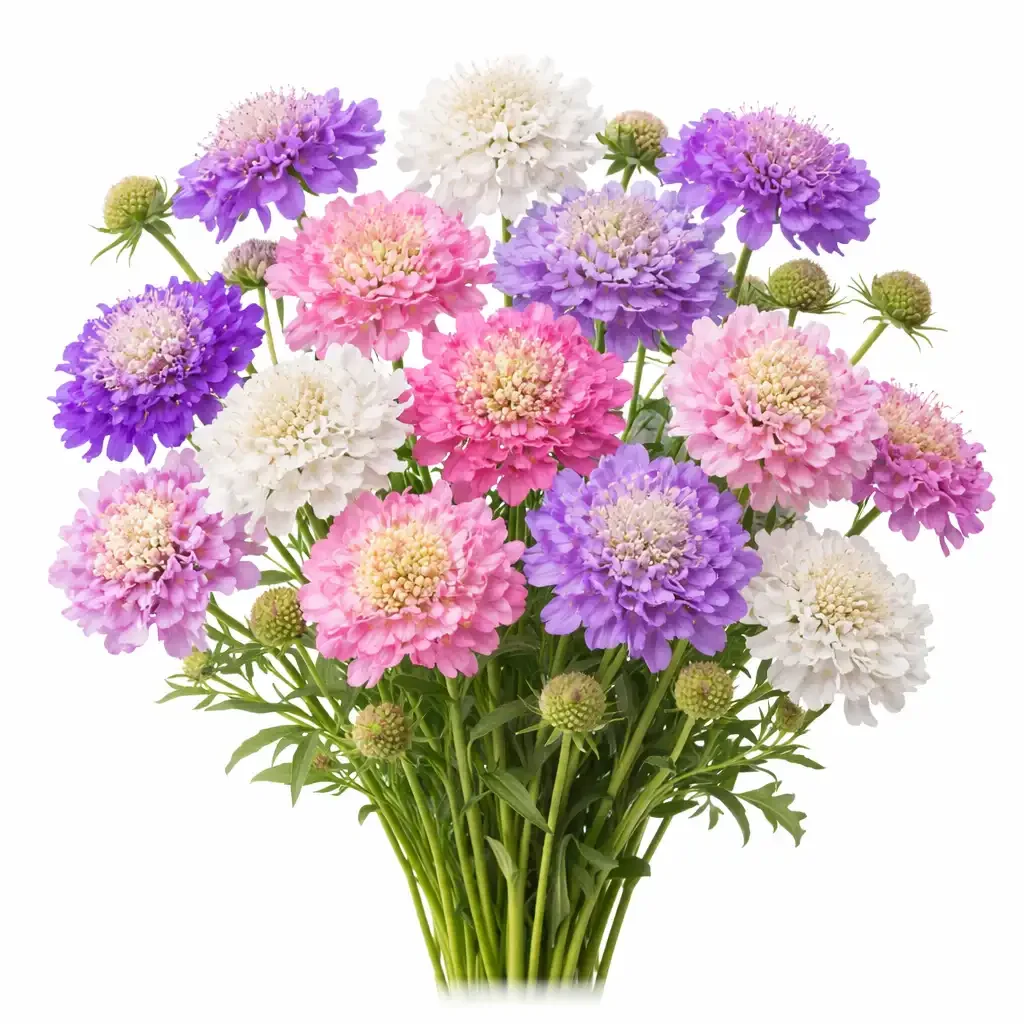
Scabiosa is one of the most elegant and florist-friendly cut flowers available to homestead growers. Its delicate, domed pincushion blooms on long, slender stems have a romantic, garden-style quality that is enormously popular with wedding florists and customers who prefer a softer, more naturalistic aesthetic over bold, structured arrangements. The blooms come in a beautiful range of colors from pure white through soft pink, lavender, deep purple, and burgundy, and they carry a light, sweet fragrance that adds another layer of appeal at the farmers market.
For homestead growers, Scabiosa is a particularly valuable crop because of its exceptionally long blooming season. With the right variety selection and growing conditions, Scabiosa can provide a continuous supply of harvestable stems from late spring through fall, making it one of the longest-producing annual cut flowers in the cutting garden. It is a cut and come again flower that responds enthusiastically to regular harvesting, producing more and more stems the more you pick.
Here is why Scabiosa deserves a prominent spot on your homestead:
It is one of the most popular wedding flowers available. Scabiosa is consistently among the most requested flowers for garden-style and romantic wedding designs. Wedding florists actively seek out local sources and pay premium prices for quality stems.
It has an exceptionally long blooming season. With proper care and regular harvesting, Scabiosa blooms continuously from late spring through fall, providing one of the longest harvest windows of any annual cut flower crop.
It is a cut and come again flower. The more you harvest Scabiosa, the more it produces. Regular cutting is both a harvesting and a maintenance task that keeps the plant productive throughout its long season.
It attracts pollinators in abundance. Scabiosa is one of the top pollinator plants available, attracting butterflies, bees, and beneficial insects in enormous numbers throughout its blooming season.
It has a light, sweet fragrance. The delicate fragrance of Scabiosa adds another dimension of appeal at the farmers market and in wedding bouquets where scent enhances the overall sensory experience.
Growing Conditions
Sunlight
Scabiosa requires full sun to perform its best. It needs at least 6 hours of direct sunlight per day for strong stem production and abundant flowering. In partial shade it produces weak, elongated stems with fewer blooms. Full sun is essential for the long, straight stems that are most desirable for cut flower use.
Soil
Scabiosa prefers well-drained, moderately fertile soil with a slightly alkaline pH. It performs particularly well in soil with a pH between 6.5 and 7.5. Unlike many cut flowers that prefer slightly acidic conditions, Scabiosa actually benefits from a slightly higher pH. If your soil is acidic, adding a light application of garden lime before planting can significantly improve performance. Good drainage is essential as Scabiosa does not tolerate waterlogged conditions.
Water
Water regularly and consistently throughout the growing season. Scabiosa needs consistent moisture to produce the longest, strongest stems but does not tolerate waterlogged conditions. Water deeply at the base of the plant rather than overhead to reduce the risk of fungal diseases on the delicate foliage. During extended dry periods in summer, consistent deep watering is one of the most important factors in maintaining stem length and bloom quality.
Temperature
Scabiosa is a cool to warm season plant that performs best in moderate temperatures between 60 and 75 degrees Fahrenheit. It tolerates light frost and actually benefits from cool growing conditions in spring and fall. In very hot summer temperatures it may slow down or take a brief rest from blooming before resuming production as temperatures moderate. In mild winter climates within USDA zones 8 to 11 the extended cool season suits Scabiosa well, allowing for a very long productive period from late winter through late fall with consistent moisture and care. In cold winter climates within USDA zones 3 to 7, Scabiosa performs reliably as a spring through fall crop with a generous harvest window from late spring through the first frost.
Planting Guide
Scabiosa can be started from seed indoors, direct sown, or planted from nursery transplants. Starting from seed indoors gives the earliest blooms and the widest variety selection for large cut flower plantings.
Step 1: Start seeds indoors 4 to 6 weeks before the last frost date in cold winter climates. In mild winter climates within USDA zones 8 to 11, start seeds indoors in late winter to early spring for spring planting, or in late summer for fall planting to take advantage of the cool growing season.
Step 2: Sow seeds on the surface of moist seed starting mix and cover very lightly with a thin layer of vermiculite. Scabiosa seeds germinate best in cool to moderate temperatures between 65 and 70 degrees Fahrenheit. Germination typically occurs within 10 to 15 days.
Step 3: Once seedlings have developed two to three sets of true leaves, transplant into individual pots and grow on in a bright, cool location until outdoor planting time.
Step 4: Transplant outdoors after the last frost date to a location with full sun and well-drained soil. Space plants 9 to 12 inches apart for cut flower production.
Step 5: Water thoroughly after transplanting and keep soil consistently moist until plants are well established.
Step 6: For perennial varieties, Scabiosa can also be direct sown in the garden in early spring or fall. Direct sown plants may not bloom until the second year in cold climates but will establish quickly in mild climates.
Seed vs Transplant: Starting from seed gives the widest variety selection and lowest cost for large plantings. Nursery transplants are convenient and give faster first blooms.
Spacing: 9 to 12 inches apart for cut flower production.
Planting Season: Spring after last frost in cold winter climates within USDA zones 3 to 7. Late winter to spring, or fall in mild winter climates within USDA zones 8 to 11.
Maintenance
Deadheading and Harvesting
Regular harvesting and deadheading are the most important maintenance tasks for keeping Scabiosa productive throughout its long season. Scabiosa is a true cut and come again flower. Every stem you cut encourages the plant to produce two or more new stems from lateral shoots. Never allow blooms to go to seed on the plant as this signals the plant to slow down production significantly. Keep every bloom picked and Scabiosa will reward you with a continuous supply of fresh stems all season long.
Fertilizing
Apply a balanced fertilizer at planting and follow with light applications every four to six weeks throughout the growing season to maintain productivity over the long blooming period. Avoid excessive nitrogen which promotes lush foliage at the expense of flower stem production. A balanced or slightly phosphorus-rich fertilizer encourages the longest stems and most abundant blooming.
Dividing Perennial Varieties
Perennial Scabiosa varieties benefit from division every two to three years in early spring to maintain vigor and prevent the center of the clump from dying out. Dividing also gives you free new plants to expand your cutting garden.
Pest Control
Scabiosa is generally pest resistant. Aphids can occasionally appear on stems and developing buds. Treat promptly with a strong spray of water or neem oil. Powdery mildew can affect foliage in humid conditions late in the season.
Disease Prevention
Good air circulation and consistent but not excessive moisture are the most important disease prevention measures for Scabiosa. Space plants properly to encourage air movement between them and avoid overhead watering. Powdery mildew late in the season is the most common disease issue and is largely prevented by proper spacing and base watering.
Harvesting
When to Harvest
Harvest Scabiosa when the bloom is about three quarters open and the outer ring of florets is fully extended but the center of the pincushion is still slightly tight. Blooms harvested at this stage have the best vase life and continue to develop fully after cutting. Fully open blooms with extended stamens do not last as long after cutting. Harvest in the early morning when stems are fully hydrated and temperatures are cool.
How to Cut
Use clean, sharp scissors or pruners. Cut stems as long as possible, ideally 14 to 20 inches. Cut just above a set of leaves or a side shoot to encourage new stem production. The long, slender stems of Scabiosa are one of its most valuable qualities for florists, so always cut as deep into the plant as possible while still leaving enough foliage for continued growth. Place cut stems immediately into a bucket of cool water with a floral preservative.
How Often to Harvest
Harvest every two to three days during peak bloom. Regular cutting is essential for keeping Scabiosa productive throughout its long season. During the height of summer, plants may need harvesting every day or two to prevent any blooms from going to seed.
Vase Life
Scabiosa typically lasts 7 to 10 days as a fresh cut flower with proper care. Strip all foliage below the waterline, recut stems at an angle, and place in fresh water with a floral preservative. Change water every few days to maximize longevity.
Uses on a Homestead
Cut Flower Use
Scabiosa is primarily grown as a cut flower. Its delicate, domed pincushion blooms on long, slender stems add a romantic, garden-style quality to mixed bouquets and arrangements that is virtually impossible to replicate with other flowers. It pairs beautifully with roses, sweet peas, lisianthus, and other soft, romantic flowers in spring and summer bouquets.
Wedding and Event Flowers
Scabiosa is one of the most requested flowers for garden-style and romantic wedding designs. Its delicate form, long stems, wide color range, and light fragrance make it a natural choice for bridal bouquets, boutonnieres, centerpieces, and event installations. Wedding florists actively seek out local sources of quality Scabiosa stems and will pay premium prices for reliable supply throughout the wedding season.
Pollinator Garden
Scabiosa is one of the top pollinator plants available to homestead growers. Butterflies in particular are strongly attracted to Scabiosa blooms. Planting it throughout your homestead creates a powerful pollinator corridor that benefits every other crop on your property.
Farmers Market
Scabiosa is a natural conversation starter at the farmers market. Its unusual pincushion form and delicate beauty generate immediate customer interest and it sells particularly well to customers with a taste for romantic and garden-style flowers.
Can You Make Money With Scabiosa
Yes, Scabiosa is a highly profitable cut flower crop for homestead operations, particularly for growers targeting the wedding market and customers who prefer a romantic, garden-style aesthetic.
Exceptionally long blooming season. With proper care, Scabiosa provides a continuous supply of harvestable stems from late spring through fall, giving you one of the longest and most productive seasons of any annual cut flower.
Strong wedding market demand. Scabiosa is consistently among the most requested flowers for garden-style and romantic weddings. Establishing relationships with local wedding florists creates a reliable and high-value income stream throughout the wedding season.
Cut and come again productivity. The more you harvest, the more Scabiosa produces. A well-maintained planting generates an impressive volume of stems from a relatively small growing area.
Premium pricing for specialty color. Deep burgundy, chocolate, and unusual bicolor varieties command premium prices at market and from florists for their distinctive and sought-after appearance.
Farmers Market: Fresh Scabiosa bundles sell for 8 to 15 dollars per bunch depending on stem length, color, and variety. Specialty colors and forms command the highest prices.
Florists and Wedding Designers: Scabiosa is in consistent demand from wedding florists throughout the blooming season. Supplying local florists directly with reliable, quality stems is one of the most profitable sales channels for this crop.
CSA Flower Subscriptions: Scabiosa adds a romantic, garden-style quality to flower subscription boxes that customers love. Its long stems and delicate form elevate the perceived quality of every bouquet it appears in.
Wedding and Event Flowers: Scabiosa is a natural choice for spring and summer weddings. Its combination of delicate beauty, long stems, light fragrance, and wide color range makes it one of the most versatile and requested specialty flowers for wedding work.
Companion Plants
Scabiosa grows well alongside many other cut flowers and pollinator plants with similar growing requirements.
Roses: Scabiosa pairs beautifully with roses in mixed bouquets and in the cutting garden. Both appreciate similar well-drained, moderately fertile conditions. Sweet Peas: Both are romantic, delicate flowers that complement each other naturally in the spring cutting garden and in mixed bouquets. Lisianthus: Both are premium cut flowers with a romantic aesthetic that pair beautifully in high-end bouquets and wedding arrangements. Veronica: Both provide structural and textural elements in arrangements and grow well together in the cutting garden. Echinacea: A natural pollinator garden companion that blooms at overlapping times and pairs well in naturalistic mixed arrangements. Nigella: Both are delicate, airy flowers with a romantic quality that complement each other beautifully in mixed spring and summer bouquets.
Common Problems
Short Stems
The most common complaint with Scabiosa for cut flower production. Short stems are usually caused by insufficient sun, inconsistent watering during stem development, overly rich soil, or plants that are under stress. Ensure full sun, consistent deep watering, and slightly lean to moderately fertile soil. Cutting stems regularly and deeply also encourages the plant to produce progressively longer stems over the course of the season.
Powdery Mildew
Can appear on foliage late in the season, particularly in humid conditions or when plants are overcrowded. Space plants properly for air circulation, avoid overhead watering, and remove affected foliage promptly. A preventive spray of diluted neem oil can help reduce the spread of mildew in susceptible plantings.
Aphids
Occasionally appear on stems and developing buds. Treat promptly as aphid damage to developing buds significantly reduces the number and quality of harvestable stems. A strong spray of water dislodges most aphid populations. Neem oil or insecticidal soap can be used for more persistent infestations.
Failure to Rebloom
Usually caused by allowing blooms to go to seed on the plant. Scabiosa that is not harvested or deadheaded regularly will stop producing new stems as it puts its energy into seed production. Keep every bloom picked without exception and Scabiosa will continue producing new stems throughout its long season.
Root Rot
Caused by poorly drained or waterlogged soil. Scabiosa does not tolerate wet feet. Plant in well-drained soil and avoid overwatering. Raised beds are an excellent option for growers with heavy or poorly drained soil.
Varieties to Consider
Tall Mix or Giant Imperial Mix: Classic tall annual Scabiosa seed mixes that include white, pink, lavender, purple, and burgundy. Strong stems and good color range make these mixes a reliable starting point for cut flower production.
Tall Caucasian Blue: A perennial variety with large, powder-blue blooms on strong stems. Very popular with florists and wedding designers for its unusual cool blue color.
Ace of Spades: Deep burgundy to almost black blooms that are extraordinarily dramatic and highly sought after by florists working with dark, moody color palettes. One of the most distinctive and premium-priced Scabiosa varieties available.
Tall White: Clean white annual Scabiosa with strong stems. Extremely versatile in mixed arrangements and wedding work. A florist favorite for its clean, neutral color and long stems.
Salmon Queen: Warm salmon-pink tones that are popular with florists working with peach and apricot color palettes. Less common than purple and white varieties, giving it a niche market advantage.
Fama Series: A perennial series bred specifically for cut flower production with larger blooms and longer stems than most perennial Scabiosa varieties. Available in blue, white, and deep rose.
Black Knight: Deep maroon to near-black blooms with a velvety appearance. Extremely popular with wedding florists and commands premium prices at market for its dramatic, unusual color.
Final Thoughts
Scabiosa is one of those flowers that makes every bouquet it appears in look more beautiful and more considered. Its delicate pincushion blooms, long slender stems, and romantic color range give it a quality that florists and customers recognize immediately as something special. For homestead growers, its exceptionally long blooming season, cut and come again productivity, and strong wedding market demand make it one of the most strategically valuable crops in the cutting garden. Grow it in full sun with well-drained, slightly alkaline soil, harvest it faithfully every few days throughout its long season, and Scabiosa will reward you with an abundance of beautiful, premium-priced stems from late spring all the way through fall.
FAQ
Is Scabiosa an annual or a perennial? Both annual and perennial Scabiosa varieties are available. Annual varieties such as Scabiosa atropurpurea bloom in their first year and are typically grown for the longest stems and widest color range in cut flower production. Perennial varieties such as Scabiosa caucasica come back year after year but tend to have somewhat shorter stems in their first year. Many homestead growers grow both to combine the productivity of annuals with the low-maintenance longevity of perennials.
How do I get the longest stems from Scabiosa? Cut stems as long as possible every time you harvest, cutting deep into the plant just above a side shoot. Ensure full sun and consistent deep watering throughout the growing season. Avoid excessive nitrogen fertilization which promotes foliage at the expense of stem length. Over the course of the season, plants that are harvested regularly and consistently tend to produce progressively longer stems as they mature.
Can Scabiosa be grown for an extended season in mild climates? In mild winter climates within USDA zones 8 to 11, Scabiosa can be grown for a very long season, typically from late winter or early spring through late fall or even into early winter depending on your specific location and microclimate. It performs best in the cool to warm conditions of spring and fall and may slow down during the hottest summer months before resuming production as temperatures moderate. In cold winter climates within USDA zones 3 to 7, Scabiosa is grown as a spring through fall annual, providing a generous harvest window from late spring through the first frost. With consistent watering and care, it is one of the longest-producing annuals available to homestead flower growers regardless of climate.
What soil pH is best for Scabiosa? Scabiosa performs best in slightly alkaline soil with a pH between 6.5 and 7.5. Unlike many flowers that prefer slightly acidic conditions, Scabiosa benefits from a higher pH. If your soil tests acidic, a light application of garden lime worked into the bed before planting can significantly improve stem length, bloom quality, and overall plant performance.
Does Scabiosa have a fragrance? Yes, Scabiosa has a light, sweet fragrance that is particularly noticeable on warm days and when stems are freshly cut. The fragrance is subtle compared to heavily scented flowers like Sweet Peas or Stock but it adds a pleasant and appealing dimension to bouquets and arrangements that customers and florists appreciate.