
Tweedia
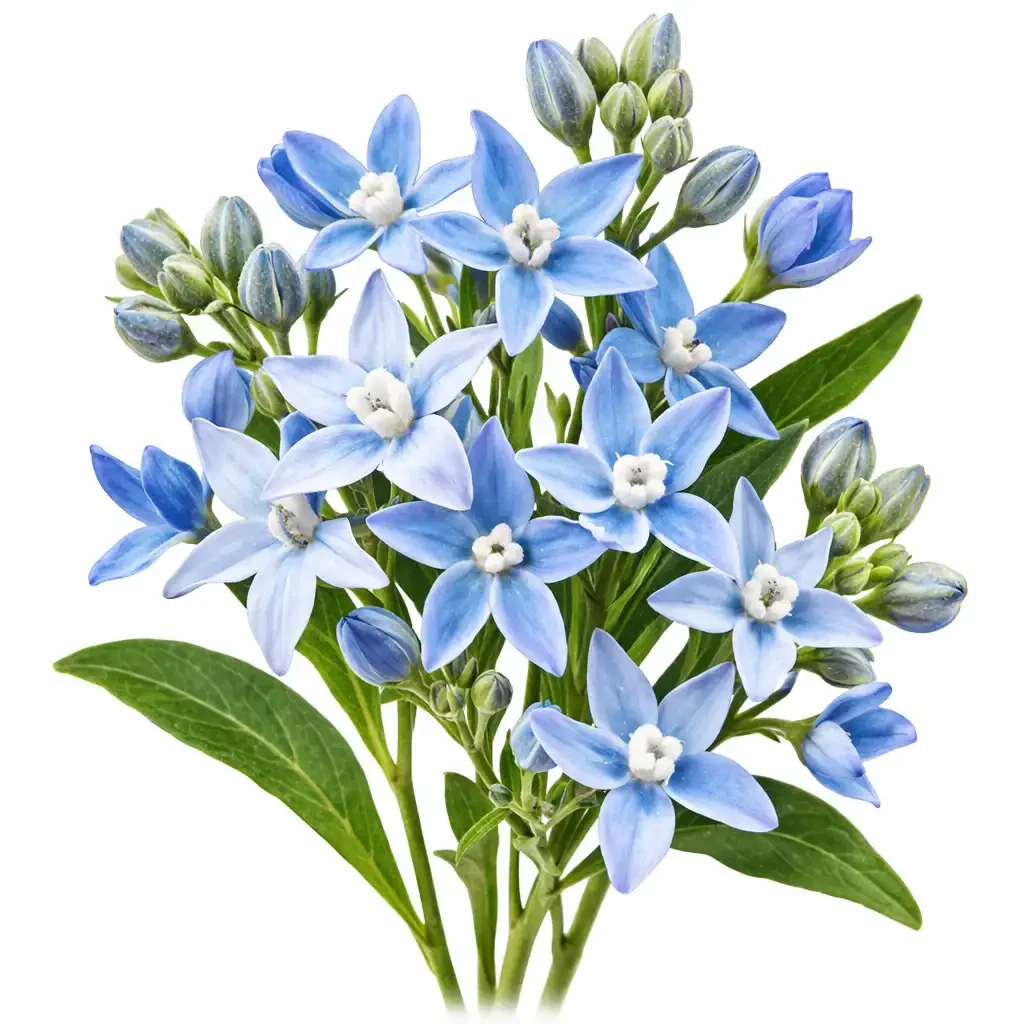
Quick Overview
Common Name: Tweedia, Southern Star, Blue Star Flower
Scientific Name: Tweedia caerulea
Plant Type: Perennial in warm climates, grown as Annual in cooler zones
USDA Zones: 9 to 11 as perennial, 2 to 8 as annual
Sun Requirement: Full Sun
Soil Type: Well-drained, average fertility
Bloom Season: Summer through Fall
Height: 18 to 36 inches
Pollinator Friendly: Yes
Edible: No
Why Grow Tweedia on a Homestead
Tweedia is one of the most sought after and difficult to source cut flowers in the professional floral industry, and that scarcity is exactly what makes it such a valuable crop for homestead growers. Its tiny, star-shaped blooms in a pure, clear sky blue are genuinely rare in the flower world. True blue flowers are notoriously hard to find, and Tweedia delivers that color in a delicate, charming form that florists and wedding designers actively seek out and pay premium prices for.
Beyond its color, Tweedia has a remarkably long vase life for such a small flower, often lasting two weeks or more with proper care. It blooms prolifically throughout the summer and fall, and in warm climates within USDA zones 9 to 11 it can behave as a perennial, coming back year after year from established root systems.
Here is why Tweedia deserves a spot on your homestead:
It is one of the only true blue cut flowers available. Blue is one of the rarest colors in the cut flower world. Tweedia fills that gap with a pure, clear blue that florists and wedding designers cannot easily find elsewhere.
It has an exceptional vase life. Tweedia regularly lasts 2 weeks or more in a vase, making it extremely popular with florists who value longevity.
It is a premium priced specialty flower. Because true blue flowers are so rare and Tweedia is not widely grown by small farms, it commands premium prices at market and from florists.
It behaves as a perennial in warm climates. In USDA zones 9 to 11, Tweedia can overwinter and return each spring, making it a low maintenance long-term crop.
It attracts pollinators. Bees and butterflies are strongly attracted to Tweedia blooms throughout the season.
Growing Conditions
Sunlight
Tweedia requires full sun to perform its best. It needs at least 6 to 8 hours of direct sunlight per day. In partial shade it will produce weak, leggy growth and significantly fewer blooms. Full sun is essential for strong stems and abundant flowering.
Soil
Tweedia prefers well-drained soil with average fertility. It does not perform well in waterlogged or overly rich soil. A loose, well-drained soil with a pH between 6.0 and 7.5 is ideal. Amend heavy clay soils with compost and sand to improve drainage before planting.
Water
Water regularly during the first growing season to establish a strong root system. Once established, Tweedia is moderately drought tolerant. Water deeply once or twice a week during dry periods rather than frequent shallow watering. Avoid waterlogged conditions as Tweedia is susceptible to root rot in wet soil.
Temperature
Tweedia loves heat and performs exceptionally well in warm climates. It does not tolerate frost and should not be planted outdoors until after the last frost date. In USDA zones 9 to 11 it can be grown as a perennial in the ground year round, which gives growers in those zones a significant advantage over growers in colder climates who must replant each season. In climates with hot, humid summers ensure good drainage and air circulation to reduce disease pressure.
Planting Guide
Tweedia can be started from seed or transplants. Starting from seed indoors gives you a head start on the season, particularly in cooler climates where the growing season is shorter.
Step 1: Start seeds indoors 8 to 10 weeks before the last frost date. Sow seeds on the surface of moist seed starting mix and cover very lightly as seeds need some light to germinate.
Step 2: Keep seed trays warm, ideally between 65 and 75 degrees Fahrenheit, until germination occurs. Germination typically takes 14 to 21 days.
Step 3: Once seedlings have two sets of true leaves, transplant into individual pots and grow on in a warm, sunny location until outdoor planting time.
Step 4: After the last frost date when soil has warmed, transplant seedlings outdoors to a location with full sun and well-drained soil.
Step 5: Space plants 12 to 18 inches apart. Water thoroughly after transplanting and keep soil consistently moist until plants are established.
Step 6: In USDA zones 9 to 11, Tweedia can be planted outdoors earlier in the season and may be left in the ground year round as a perennial. In colder climates, treat as an annual and replant each season after the last frost date.
Seed vs Transplant: Both work well. Nursery transplants give faster results. Seeds give more variety options and lower cost per plant.
Spacing: 12 to 18 inches apart.
Planting Season: After last frost in cooler climates. Year round planting possible in USDA zones 9 to 11.
Maintenance
Pinching
Pinch out the central growing tip when seedlings reach 8 to 10 inches tall to encourage branching and increase the number of stems produced per plant. This is especially important for cut flower production where multiple stems per plant dramatically increases yield.
Supporting
Tweedia can become a loosely scrambling plant as it matures. Providing light support with stakes or a low trellis helps keep stems upright and makes harvesting easier. This is particularly important for cut flower production where straight, long stems are most desirable.
Fertilizing
Apply a balanced fertilizer at planting and a light midseason application to maintain productivity. Avoid excessive nitrogen which promotes foliage over flowers. A phosphorus-rich fertilizer can help encourage abundant blooming.
Pest Control
Tweedia is generally pest resistant. Aphids can occasionally appear on new growth and can be treated with a strong spray of water or neem oil. Spider mites can be a problem in hot, dry conditions. Increase humidity around plants and treat with neem oil if spider mites appear.
Disease Prevention
Good drainage and air circulation prevent most disease issues. Avoid overhead watering and do not crowd plants. Root rot is the most serious disease threat and is almost always caused by waterlogged soil.
Harvesting
When to Harvest
Harvest Tweedia when two to three of the tiny star-shaped blooms on each stem cluster are open. The remaining buds will continue to open after cutting, giving the stem a long and varied display in the vase. Harvest in the early morning when stems are fully hydrated and temperatures are cool.
How to Cut
Use clean, sharp scissors or pruners. Cut stems as long as possible, ideally 12 to 18 inches. Cut just above a set of leaves or a side shoot to encourage new branching and continued production. Place cut stems immediately into a bucket of cool water.
How Often to Harvest
Harvest every 3 to 4 days during peak bloom. Regular cutting encourages the plant to continue producing new stems throughout the season. Do not let flower clusters go to seed as this reduces continued blooming.
Vase Life
Tweedia has an exceptional vase life of approximately 14 days or more with proper care. Strip all foliage below the waterline, recut stems at an angle, and place in fresh water with a floral preservative. Change water every few days to maximize longevity.
Uses on a Homestead
Cut Flower Use
Tweedia is primarily valued as a specialty cut flower. Its tiny star-shaped blue blooms add a delicate, airy quality to mixed bouquets and arrangements. It is particularly popular in wedding bouquets and event arrangements where its rare blue color creates a distinctive and memorable effect. Even a few stems of Tweedia can elevate an entire arrangement.
Wedding and Event Flowers
Tweedia is one of the most requested specialty flowers for weddings, particularly for blue and white color schemes or as a complement to lavender, silver, and soft pink palettes. Its long vase life makes it ideal for event work where flowers need to last through setup and a full event day.
Pollinator Garden
Tweedia is an excellent pollinator plant. Bees and butterflies are strongly attracted to its blooms throughout the season, contributing to the overall health and productivity of your homestead garden.
Can You Make Money With Tweedia
Yes, Tweedia is one of the most profitable specialty cut flowers available to homestead growers, particularly because of its rare blue color and premium vase life.
Premium pricing for rare color. True blue flowers are extremely rare in the cut flower world. Tweedia commands premium prices at market and from florists simply because it fills a color gap that few other flowers can.
Strong wedding market demand. Wedding florists actively seek out Tweedia for blue and soft color palette designs and will pay well for a reliable local source.
Exceptional vase life. Florists pay more for flowers with long vase life. Tweedia at 2 weeks in the vase is among the very best available.
Perennial advantage in warm climates. In USDA zones 9 to 11, Tweedia can overwinter and return each spring, reducing replanting costs and giving you an established plant that produces more stems each year. In colder climates where it is grown as an annual, the relatively low cost of seed or transplants combined with premium per-stem pricing still makes it one of the most financially rewarding specialty annuals available.
Farmers Market: Fresh Tweedia bundles can sell for 10 to 18 dollars per bunch due to its rarity and distinctive color.
Florists and Wedding Designers: Tweedia is a specialty item that florists will pay premium prices for, especially for wedding and event work. Establishing a reliable local supply relationship with wedding florists is one of the most profitable uses of a Tweedia crop.
CSA Flower Subscriptions: A few stems of Tweedia added to a weekly flower subscription box make it instantly more special and justify higher subscription pricing.
Companion Plants
Tweedia grows well alongside other warm season flowers with similar growing requirements.
Lavender: Both prefer well-drained soil and full sun. Their colors complement each other beautifully in the garden and in bouquets.
Roses: Tweedia pairs beautifully with roses in mixed bouquets, particularly with soft pink, white, and cream colored varieties.
Veronica: Both produce vertical elements in arrangements and share similar growing conditions.
Scabiosa: Both are delicate, airy flowers that complement each other beautifully in mixed bouquets and have similar growing requirements.
Nigella: Another delicate blue flower that pairs naturally with Tweedia in soft, romantic arrangements.
Gypsophila: Both are airy, delicate flowers used as accent material in mixed bouquets and arrangements.
Common Problems
Root Rot
The most common and serious problem with Tweedia. Caused by poorly drained or consistently wet soil. Plant in well-drained soil, avoid overwatering, and never let water pool around the base of plants.
Spider Mites
Can be a problem in hot, dry conditions. Look for fine webbing on stems and leaves and a stippled, pale appearance on foliage. Increase humidity around plants, remove heavily affected growth, and treat with neem oil.
Aphids
Occasionally appear on new growth. Usually manageable with a strong spray of water. Neem oil can be used if populations become problematic.
Slow Germination
Tweedia seeds can be slow and irregular in germinating. Keep seed trays consistently warm at 65 to 75 degrees Fahrenheit and be patient. Germination can take up to 3 weeks in some cases.
Floppy Stems
Tweedia naturally has a somewhat sprawling growth habit. Provide light support with stakes or a low trellis to keep stems upright for cut flower production. Pinching early in the season also helps develop a stronger, more upright plant structure.
Varieties to Consider
Tweedia caerulea: The standard species. Pure sky blue star-shaped blooms that open pale blue and deepen in color as they age. The most widely grown and commercially available form.
White Tweedia: A white flowered form that is less common but very popular with wedding florists for its delicate appearance and exceptional vase life.
Pink Tweedia: A soft pink form that is occasionally available. Very popular for romantic and feminine floral designs.
Tweedia caerulea Heaven Born: A selected variety with particularly strong blue color and good stem length. A good choice for cut flower production.
Final Thoughts
Tweedia is one of the most valuable specialty crops a homestead flower grower can add to their operation. Its rare true blue color, exceptional vase life, and strong demand from florists and wedding designers make it a premium product that commands prices well above most common cut flowers. In USDA zones 9 to 11 where it can be grown as a perennial, the return on investment improves every year as established plants produce more and more stems. In colder climates where it is grown as an annual, the relatively low cost of seed or transplants combined with premium per-stem pricing still makes it one of the most financially rewarding specialty annuals available. If you are looking for a flower that sets your homestead operation apart from the competition, Tweedia is one of the smartest choices you can make.
FAQ
Is Tweedia a true blue flower? Yes, Tweedia produces one of the clearest and most reliable true blue colors available in the cut flower world. The blooms open as a pure sky blue and may develop slight purple tones as they age, but remain distinctly blue throughout their vase life.
Can Tweedia grow as a perennial? Yes, Tweedia is reliably perennial in USDA zones 9 to 11. In these mild winter climates it can be left in the ground year round and will return each spring from established root systems. In colder climates outside of zones 9 to 11 it is grown as an annual and replanted each season after the last frost date.
How long does Tweedia last in a vase? With proper care, Tweedia typically lasts 14 days or more in a vase, making it one of the longest lasting cut flowers available.
Why is Tweedia so expensive? Tweedia commands premium prices because true blue flowers are extremely rare in the cut flower world, it is not widely grown by small farms, and it has an exceptional vase life that florists value highly.
Can Tweedia be grown in containers? Yes, Tweedia can be grown in large containers. Use a well-draining potting mix and ensure the container has adequate drainage holes. Container grown plants may need more frequent watering than those grown in the ground.