
Tulips
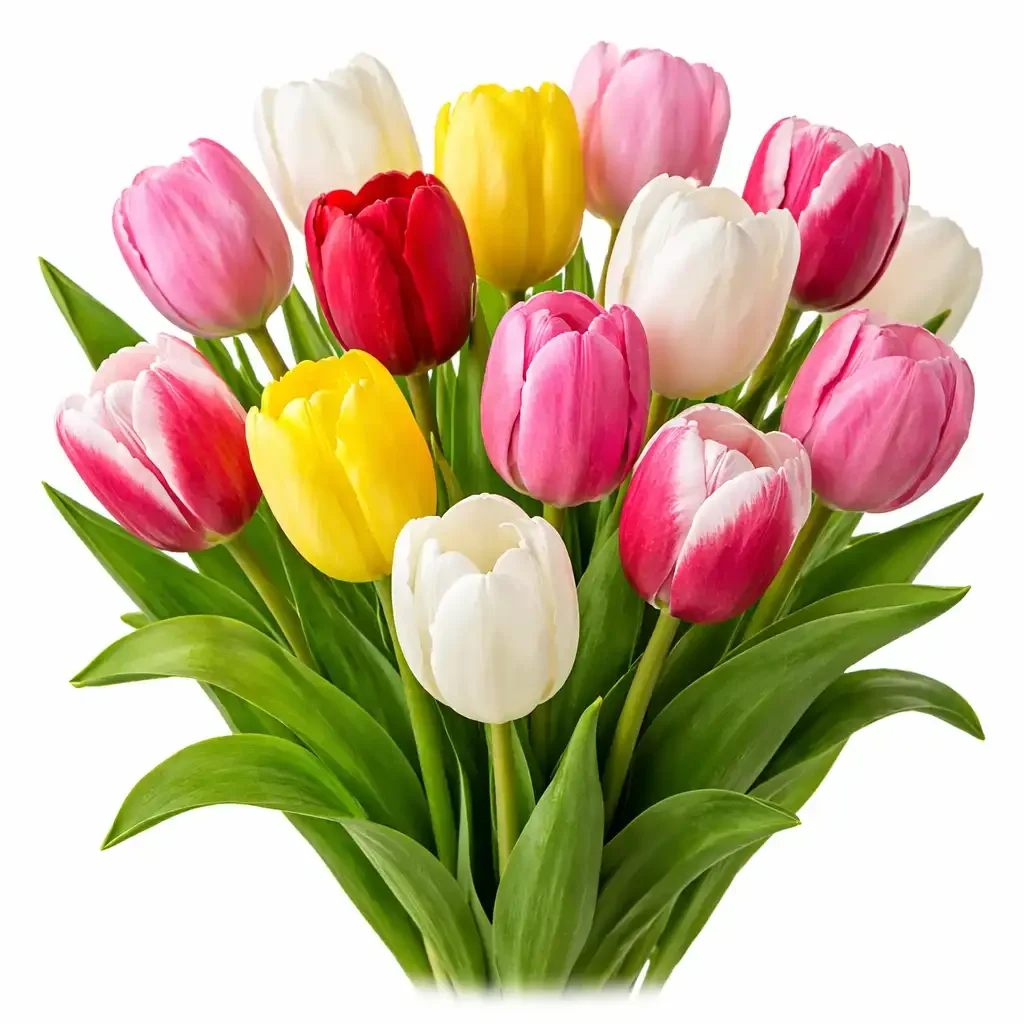
Quick Overview
Common Name: Tulips
Scientific Name: Tulipa spp.
Plant Type: Perennial Bulb
USDA Zones: 3 to 8 as perennial, grown as annual in warmer zones
Sun Requirement: Full Sun
Soil Type: Well-drained, average to moderately fertile
Bloom Season: Early to Late Spring
Height: 12 to 28 inches depending on variety
Pollinator Friendly: Yes
Edible: No, bulbs are toxic
Why Grow Tulips on a Homestead
Tulips are one of the most iconic and beloved cut flowers in the world and for good reason. Their elegant form, wide color range, and early spring bloom time make them one of the most valuable crops a homestead flower grower can produce. At a time of year when very little else is blooming, a bucket of fresh tulips at the farmers market practically sells itself.
For homestead growers, tulips represent an opportunity to generate income in early spring before warm season annuals like zinnias and sunflowers are even in the ground. Specialty varieties such as double, parrot, and fringed tulips command premium prices and offer something genuinely different from the standard tulips found in grocery stores and big box retailers.
Here is why tulips deserve a spot on your homestead:
They bloom in early spring when competition is low. Very few cut flowers are available in early spring. Tulips fill that gap and allow you to generate income at a time of year when most other growers have nothing to sell.
Specialty varieties command premium prices. Double, parrot, fringed, and viridiflora tulips are rarely found outside of specialty flower farms and florist wholesalers. Growing these varieties gives you a significant market advantage.
They are extremely popular with customers and florists. Tulips are universally recognized and loved. They sell quickly and consistently at farmers markets and are in constant demand from florists for spring arrangements and weddings.
They are relatively easy to grow with proper bulb management. Tulips require some planning and cold treatment management in warm climates, but the process is straightforward and the results are highly rewarding.
They work beautifully in mixed spring bouquets. Tulips pair naturally with other spring flowers like ranunculus, anemones, and narcissus to create stunning seasonal bouquets.
Growing Conditions
Sunlight
Tulips need full sun to perform their best. They require at least 6 hours of direct sunlight per day. In partial shade stems become weak and elongated and flower quality decreases significantly.
Soil
Tulips require well-drained soil above all else. Sitting in wet soil causes bulbs to rot quickly. A loose, well-drained soil with a pH between 6.0 and 7.0 is ideal. In heavy clay soils, build raised beds or add significant amounts of coarse sand and compost to improve drainage before planting.
Water
Water bulbs well at planting to initiate root development. During the growing season, tulips need moderate moisture but must never sit in waterlogged soil. Once foliage has died back after blooming, reduce watering significantly as bulbs need a dry summer dormancy period.
Temperature
Tulips require a cold period to bloom properly. Bulbs need 12 to 16 weeks of temperatures below 45 degrees Fahrenheit to break dormancy and produce flowers. In cold climates within USDA zones 3 to 7 this happens naturally in the ground over winter. In mild winter climates within USDA zones 8 to 11 where winters do not provide sufficient chilling, bulbs must be pre-chilled in the refrigerator before planting, a process known as forced chilling or pre-cooling.
Planting Guide
Tulip planting in mild winter climates requires pre-chilling bulbs before planting. This is the most critical step for success in regions where winters do not provide sufficient natural chilling hours.
Step 1: Purchase high quality tulip bulbs in fall, ideally from a specialty bulb supplier that offers a wide range of cut flower varieties.
Step 2: In mild winter climates within USDA zones 8 to 11, place bulbs in a paper bag or mesh bag and refrigerate for 12 to 16 weeks before planting. Keep bulbs away from ripening fruit in the refrigerator as ethylene gas from fruit can damage bulbs.
Step 3: After the chilling period, plant bulbs as soon as possible. In mild winter climates this typically means planting in December through January after the chilling period is complete.
Step 4: Plant bulbs pointed end up, 4 to 6 inches deep, and 4 to 6 inches apart for cut flower production. Closer spacing produces taller, straighter stems.
Step 5: Water thoroughly after planting and keep soil consistently moist during the growing period.
Step 6: Expect blooms approximately 4 to 6 weeks after planting in warm conditions. In cold climates blooms will arrive in spring as temperatures naturally warm.
Seed vs Bulb: Always grow tulips from bulbs. Growing from seed takes 5 to 7 years to produce blooming plants and is not practical for cut flower production.
Spacing: 4 to 6 inches apart for cut flowers. Closer spacing encourages taller stems.
Planting Season: Fall in cold climates within USDA zones 3 to 7. After pre-chilling in December through January in mild winter climates within USDA zones 8 to 11.
Maintenance
Bulb Management in Warm Climates
In cold climates within USDA zones 3 to 7, tulip bulbs can sometimes be left in the ground to naturalize, though performance typically declines after the first year and fresh bulbs are recommended for consistent cut flower production. In mild winter climates within USDA zones 8 to 11, tulips are best treated as annuals. Dig bulbs after foliage has died back, discard them, and purchase fresh bulbs each fall for pre-chilling and replanting. Fresh bulbs produce the strongest, most uniform stems and are worth the annual investment for cut flower production regardless of your climate.
Fertilizing
Apply a bulb fertilizer or bone meal at planting to support root development and flowering. A light application of balanced fertilizer in early spring as shoots emerge helps support stem and flower development. Avoid high nitrogen fertilizers which promote foliage over flowers.
Pest Control
Deer, squirrels, and other rodents are the most common tulip pests. They will dig up and eat bulbs if given the opportunity. Plant bulbs under wire mesh if rodents are a serious problem in your area. Aphids can appear on stems and foliage in spring and can be treated with a strong spray of water or neem oil.
Disease Prevention
Good drainage is the single most important disease prevention measure for tulips. Botrytis tulip fire is the most common fungal disease and can devastate a planting in wet, humid conditions. Plant in well-drained soil, space bulbs properly for air circulation, and avoid overhead watering.
Harvesting
When to Harvest
Harvest tulips when the bud is showing full color but is still closed or just beginning to open. This is known as the pencil stage or color break stage. Tulips harvested at this stage have the longest vase life and travel and handle the best. Fully open blooms do not last nearly as long after cutting.
How to Cut
For cut flower production, tulips can be harvested in two ways. The first method is cutting with scissors or pruners, leaving some foliage on the plant to continue feeding the bulb. The second method is pulling the entire plant from the ground, which produces the longest possible stem. For homestead growers treating bulbs as annuals, pulling the entire plant is often the preferred method as it maximizes stem length and the bulbs will not be kept for replanting.
How Often to Harvest
Tulips have a defined bloom window of approximately 2 to 3 weeks per planting. Harvest daily during this period as blooms reach the correct stage. For a longer overall harvest window, stagger plantings or choose varieties with different bloom times within the same season.
Vase Life
Tulips typically last 7 to 10 days in a vase with proper care. Strip all foliage below the waterline, recut stems at an angle, and place in cool fresh water. Tulips are unique in that they continue to grow and move toward light after cutting. Use a cool room and change water every day or two to maximize vase life.
Uses on a Homestead
Cut Flower Use
Tulips are primarily grown as cut flowers. Their elegant form and wide color range make them one of the most versatile flowers available for mixed spring bouquets, single-variety bundles, and event arrangements. Specialty varieties like double and parrot tulips create truly stunning bouquets that customers immediately recognize as something special.
Wedding and Event Flowers
Spring weddings are one of the strongest markets for tulips. Their availability in early spring, elegant form, and wide color palette make them a natural choice for wedding bouquets, centerpieces, and event installations. Specialty varieties command premium prices for wedding work.
Farmers Market
Tulips are one of the easiest flowers to sell at the farmers market. Their universal recognition and early spring availability mean customers are already looking for them. Single-variety bundles of specialty tulips in unusual colors and forms sell particularly well.
Can You Make Money With Tulips
Yes, tulips are one of the most profitable spring cut flower crops available to homestead growers, particularly when focusing on specialty varieties.
Early spring market advantage. Tulips bloom when very little else is available, allowing you to sell premium-priced stems with minimal competition.
Specialty variety premium. Double, parrot, fringed, and viridiflora tulips are rarely found outside specialty farms and command prices significantly higher than standard tulips.
Strong and consistent demand. Tulips are universally loved and sell quickly at farmers markets, to florists, and for wedding work.
Farmers Market: Single-variety specialty tulip bundles sell for 10 to 20 dollars per bunch depending on variety and quality.
Florists and Wholesalers: Florists pay well for specialty tulip varieties, particularly for spring weddings and events.
Wedding and Event Flowers: Spring weddings are a primary market for tulips. Specialty varieties like Black Parrot, Angelique, and Rococo are extremely popular with wedding florists.
CSA Flower Subscriptions: Tulips are a highly anticipated addition to spring flower subscription boxes and justify premium subscription pricing during their short season.
Companion Plants
Tulips pair beautifully with other spring blooming flowers and bulbs in the cutting garden and in bouquets.
Ranunculus: Both bloom in early to mid spring and complement each other beautifully in romantic spring bouquets. Anemones: Another cool season bulb that blooms alongside tulips and pairs naturally in mixed spring arrangements. Narcissus: Classic spring companion that overlaps with tulip bloom time and creates traditional spring bouquet combinations. Muscari: Small grape hyacinth blooms add delicate blue-purple accents to tulip arrangements and grow well alongside them. Fritillaria: A specialty spring bulb that pairs beautifully with tulips in high-end bouquets and wedding work. Hellebores: Both bloom in early spring and complement each other in soft, romantic seasonal arrangements.
Common Problems
Botrytis Tulip Fire
The most serious tulip disease. A fungal disease that causes distorted, spotted growth and can rapidly destroy an entire planting in wet, humid conditions. Prevent by planting in well-drained soil, spacing bulbs for air circulation, and avoiding overhead watering. Remove and destroy affected plant material immediately.
Bulb Rot
Caused by poorly drained or waterlogged soil. Good drainage is the single most important factor in preventing bulb rot. Build raised beds or amend soil with coarse sand if drainage is a concern.
Failure to Bloom in Warm Climates
The most common problem in mild winter climates within USDA zones 8 to 11 where natural winter temperatures do not provide sufficient chilling hours. Caused by insufficient chilling of bulbs before planting. Ensure bulbs receive a full 12 to 16 weeks of refrigerator chilling before planting and keep them away from ripening fruit during the chilling period. In cold climates within USDA zones 3 to 7 where natural chilling occurs in the ground, failure to bloom is more commonly caused by planting too shallow, waterlogged soil, or rodent damage to bulbs over winter.
Deer and Rodent Damage
Deer, squirrels, and gophers will eat tulip bulbs and emerging growth. Plant bulbs under wire mesh or use physical barriers to protect plantings in areas with high pest pressure.
Stem Topple
Tulip stems can bend and flop after cutting due to their natural tendency to grow toward light. Keep cut tulips in a cool, dark location after harvest and use straight-sided buckets to support stems while conditioning.
Varieties to Consider
Angelique: A classic double tulip with soft pink peony-like blooms. One of the most popular cut flower tulips for weddings and spring markets. Extremely elegant and widely sought after.
Black Parrot: Deep purple-black fringed parrot tulip with dramatic, twisted petals. One of the most striking specialty tulips available and very popular with florists and wedding designers.
Rococo: A classic red parrot tulip with heavily fringed and twisted petals. Bold, dramatic, and eye-catching at farmers markets.
Apricot Parrot: Soft apricot and cream parrot tulip with delicate fringed petals. Very popular for romantic and garden-style wedding designs.
Purple Rain: Deep purple viridiflora tulip with green flames on the petals. Unusual and highly sought after by florists and wedding designers.
Copper Image: Warm copper and orange tones with a classic tulip form. Extremely popular with florists working with warm, earthy color palettes.
Mistress: Soft pink and white bicolor with a classic elegant form. A reliable producer and a farmers market favorite.
Ice Cream: A unique variety with white outer petals and a pink peony-like center that resembles an ice cream cone. Extremely popular and instantly recognizable at market.
Final Thoughts
Tulips are one of the most rewarding and profitable crops a homestead flower grower can produce. Their early spring bloom time, universal appeal, and the premium prices commanded by specialty varieties make them a cornerstone of a successful cut flower operation. In mild winter climates within USDA zones 8 to 11, the pre-chilling requirement adds a step to the process but is entirely manageable and well worth the effort. In cold climates within USDA zones 3 to 7, tulips perform naturally without pre-chilling and reward growers with one of the most eagerly anticipated spring harvests available. Focus on specialty varieties that offer something genuinely different from what customers can find at the grocery store, and tulips will be one of the most anticipated and profitable crops on your homestead every single spring.
FAQ
Do tulips come back every year in mild winter climates? In mild winter climates within USDA zones 8 to 11, tulips do not reliably return and bloom well in subsequent years without re-chilling. They are best treated as annuals, with fresh bulbs purchased, chilled, and planted each fall for the best results. In cold climates within USDA zones 3 to 7, tulips may naturalize and return for several years though performance typically declines after the first season and fresh bulbs are recommended for consistent cut flower production.
How long do tulips need to be chilled before planting in mild winter climates? Tulips need 12 to 16 weeks of chilling at temperatures below 45 degrees Fahrenheit before planting in mild winter climates. Place bulbs in a paper bag in the refrigerator, away from ripening fruit, for the full chilling period before planting.
What are the best tulip varieties for cut flower production? For homestead cut flower production, focus on specialty varieties including double tulips like Angelique, parrot tulips like Black Parrot and Rococo, and viridiflora varieties like Purple Rain. These varieties offer something genuinely different from standard tulips and command premium prices.
Can tulips be grown in containers in mild winter climates? Yes, tulips can be grown in large containers filled with well-draining potting mix. Pre-chill bulbs as normal before planting. Container growing can be a good option in mild winter climates as containers can be moved to cooler spots if needed and drainage is easier to control.
When is the best time to sell tulips at the farmers market? In mild winter climates where pre-chilled bulbs are planted in December through January, tulips typically bloom in February through March, making late winter to early spring the prime selling window. In cold climates where bulbs are planted in fall, blooms arrive naturally in early to mid spring depending on your specific USDA zone and the variety grown.