
Veronica
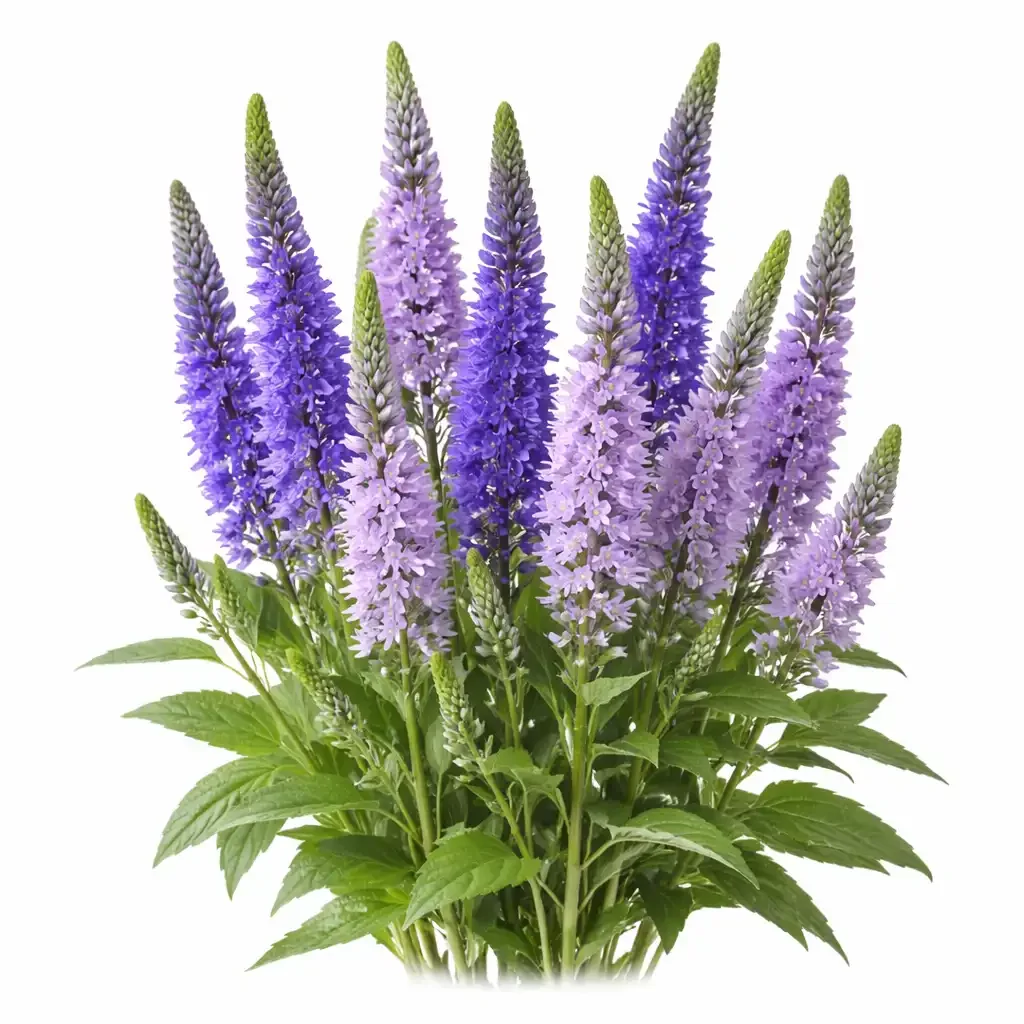
Quick Overview
Common Name: Veronica, Speedwell
Scientific Name: Veronica spicata, Vereronicas longifolia
Plant Type: Perennial
USDA Zones: 3 to 8
Sun Requirement: Full Sun to Partial Shade
Soil Type: Well-drained, average fertility
Bloom Season: Late Spring through Summer
Height: 12 to 36 inches depending on variety
Pollinator Friendly: Yes
Edible: No
Why Grow Veronica on a Homestead
Veronica is one of those quietly indispensable flowers that professional florists rely on constantly but that many homestead growers overlook. Its tall, slender flower spikes add vertical lines and spiky texture to arrangements that round-headed flowers simply cannot provide. In the world of floral design, that kind of structural contrast is extremely valuable and Veronica delivers it reliably season after season.
As a perennial, Veronica comes back every year with minimal effort, making it one of the most cost-efficient crops in a cut flower operation. It blooms prolifically from late spring through summer, attracts a wide range of pollinators, and performs equally well as a fresh cut flower and as a dried flower. For homesteaders looking to add a low maintenance, high-value perennial to their cutting garden, Veronica is an excellent choice.
Here is why Veronica deserves a spot on your homestead:
It provides vertical structure in arrangements. Veronica's tall, spiky flower spikes are one of the most useful design elements a florist can have. They add height, movement, and contrast to bouquets that would otherwise look flat and round.
It is a reliable perennial. Plant it once and it comes back stronger every year, spreading slowly to give you more and more stems over time.
It has a long bloom season. With the right variety selection and deadheading, Veronica can bloom from late spring all the way through late summer.
It is excellent for drying. Veronica holds its color and shape well when dried, adding it to the list of crops that can serve both the fresh and dried flower markets.
It attracts pollinators. Bees and butterflies are strongly attracted to Veronica's nectar-rich flower spikes throughout the blooming season.
Growing Conditions
Sunlight
Veronica performs best in full sun but tolerates partial shade reasonably well. In full sun it produces the strongest stems and most abundant flowering. In partial shade stems may be slightly weaker and flower production reduced, but it remains a viable option for spots with 4 to 6 hours of direct sun.
Soil
Veronica prefers well-drained soil with average fertility. It does not perform well in waterlogged or overly rich soil. Heavy clay soils should be amended with compost and sand to improve drainage. Soil pH between 6.0 and 8.0 is ideal, making Veronica one of the more pH-adaptable perennials available.
Water
Water regularly during the first growing season to establish a strong root system. Once established, Veronica is moderately drought tolerant. During extended dry periods, water deeply once or twice a week. Avoid overhead watering as wet foliage can contribute to powdery mildew.
Temperature
Veronica is a cold hardy perennial suited to USDA zones 3 to 8. It handles cold winters well and emerges reliably in spring. In climates at the warmer end of its range or beyond USDA zone 8, Veronica may struggle with intense summer heat and benefits from afternoon shade, extra watering during the hottest months, and placement in a location with some protection from the most intense afternoon sun. In hot, humid climates choose mildew resistant varieties and ensure good air circulation to reduce disease pressure during the warmest months.
Planting Guide
Veronica can be started from seed, divisions, or transplants. For cut flower production, transplants or divisions give the fastest path to productive plants.
Step 1: Choose a location with full sun and well-drained soil. Prepare the bed by loosening the soil and amending with compost if needed.
Step 2: If starting from seed, sow indoors 10 to 12 weeks before the last frost date. Press seeds lightly onto the soil surface as they need light to germinate.
Step 3: Transplant seedlings or nursery transplants outdoors after the last frost date when soil has warmed.
Step 4: Space plants 12 to 18 inches apart. Veronica spreads slowly over time so give it room to develop.
Step 5: Water thoroughly after planting and keep soil consistently moist until plants are established.
Step 6: For divisions, dig up an established clump in early spring or fall, separate into sections with healthy roots, and replant immediately.
Seed vs Transplant: Transplants and divisions give faster results for cut flower production. Seeds can take one to two years to produce strong blooming plants.
Spacing: 12 to 18 inches apart.
Planting Season: Spring after last frost, or fall in mild climates.
Maintenance
Deadheading and Cutting Back
Deadhead spent flower spikes promptly to encourage new spike production and extend the blooming season. After the main flush of blooms in early summer, cut plants back by about one third to stimulate a second wave of flowering later in the season.
Dividing
Divide Veronica clumps every 2 to 3 years in early spring or fall to keep plants vigorous and prevent the center of the clump from dying out. Dividing also gives you free new plants to expand your cutting garden.
Fertilizing
Apply a balanced slow release fertilizer in early spring as new growth emerges. Avoid excessive nitrogen which promotes lush foliage at the expense of flower spikes. A top dressing of compost in spring is often sufficient for established plants in average soil.
Pest Control
Veronica is generally pest resistant. Slugs and snails can occasionally damage young plants, especially in wet conditions. Use iron phosphate slug bait or diatomaceous earth around plants if slugs are a problem.
Disease Prevention
Powdery mildew is the most common disease issue with Veronica, particularly in humid conditions or when plants are overcrowded. Space plants properly for good air circulation, avoid overhead watering, and choose mildew resistant varieties where available.
Harvesting
When to Harvest
Harvest Veronica spikes when the bottom one third to one half of the florets on the spike are open. The remaining florets will continue to open after cutting. Harvesting too early results in spikes that do not fully open in the vase. Harvest in the early morning when stems are fully hydrated.
How to Cut
Use clean, sharp scissors or pruners. Cut stems as long as possible, ideally 12 to 18 inches. Cut just above a set of leaves or a side shoot to encourage new spike production. Place cut stems immediately into a bucket of cool water.
How Often to Harvest
During peak bloom, harvest every 3 to 4 days. Regular cutting encourages the plant to produce new spikes throughout the season. Do not let spikes go to seed as this signals the plant to slow down production.
Drying
To dry Veronica, gather stems into small bundles and hang upside down in a warm, dry, well-ventilated space away from direct sunlight. Drying takes approximately 2 to 3 weeks. The spikes retain their color reasonably well and maintain their attractive upright form when dried.
Vase Life
Veronica typically lasts 7 to 10 days as a fresh cut flower with proper care. Strip all foliage below the waterline, recut stems at an angle, and place in fresh water with a floral preservative.
Uses on a Homestead
Cut Flower Use
Veronica is primarily used as a vertical accent flower in mixed bouquets and arrangements. Its tall, slender spikes add height and structural contrast that complements round focal flowers like roses, peonies, and dahlias. It is one of the most useful design elements available to a florist or homestead grower.
Dried Flower Use
Veronica dries well and retains its upright spike form, making it useful in dried arrangements and wreaths. Harvest for drying when spikes are about half open for the best color retention.
Pollinator Garden
Veronica is an excellent pollinator plant. Bees and butterflies are strongly attracted to its nectar-rich spikes throughout the blooming season. Planting Veronica throughout your homestead contributes to the health of your entire garden ecosystem.
Landscape Use
Veronica is an attractive perennial in the landscape as well as the cutting garden. Its upright form and colorful spikes add vertical interest to garden beds and borders while providing a steady supply of harvestable stems.
Can You Make Money With Veronica
Yes, Veronica is a profitable perennial crop for homestead flower operations, particularly because of its low ongoing maintenance costs and versatility in both fresh and dried markets.
Low input after establishment. As a perennial, Veronica needs very little attention after the first year and comes back stronger each season.
Strong florist demand. Veronica is a staple in the professional floral industry. Florists use it constantly as a vertical accent in mixed arrangements and rely on a steady supply throughout the growing season.
Long bloom season. With proper deadheading and cutting back, Veronica can provide harvestable stems from late spring through late summer.
Multiple income streams. Fresh bouquets, florist supply, dried arrangements, and pollinator garden products all work well with Veronica.
Farmers Market: Fresh Veronica bundles sell for 6 to 10 dollars per bunch depending on stem length and color.
Florists and Wholesalers: Veronica is in consistent demand from florists as a vertical accent flower. Establishing a reliable local supply relationship is one of the most profitable uses of a Veronica crop.
Dried Flower Market: Dried Veronica bundles sell well at craft markets and through online shops.
Wedding and Event Flowers: Veronica is popular in wedding bouquets and event arrangements for its elegant vertical lines and range of colors from white through pink to deep purple.
Companion Plants
Veronica grows well alongside many other perennials and annuals in the cutting garden.
Roses: Veronica spikes provide vertical contrast that complements the round form of rose blooms beautifully. Peonies: Both bloom in late spring and early summer and create stunning combinations in bouquets and in the garden. Echinacea: Both are pollinator-friendly perennials with similar growing requirements that bloom at overlapping times. Salvia: Similar upright spike form and growing conditions. Together they create a layered vertical effect in the garden and in arrangements. Yarrow: Both are low maintenance perennials that complement each other in mixed bouquets and dried arrangements. Lavender: Similar cultural requirements and a natural pairing in both the garden and the bouquet.
Common Problems
Powdery Mildew
The most common problem with Veronica. White powdery coating appears on leaves, usually in mid to late summer. Prevent by spacing plants properly for air circulation, avoiding overhead watering, and choosing resistant varieties. Remove affected leaves promptly and dispose of them away from the garden.
Root Rot
Caused by poorly drained or consistently wet soil. Veronica does not tolerate waterlogged conditions. Plant in well-drained soil and avoid overwatering.
Slugs and Snails
Can damage young plants and emerging spring growth. Use iron phosphate slug bait or diatomaceous earth around plants. Remove debris and mulch where slugs hide during the day.
Center Die-Out
Established Veronica clumps can develop dead centers over time as the plant ages. Divide clumps every 2 to 3 years in early spring to refresh the planting and maintain vigorous growth.
Flopping Stems
Can occur in overly rich soil, insufficient sun, or when plants are overcrowded. Grow in average soil with full sun and divide regularly to keep plants producing strong upright stems.
Varieties to Consider
Veronica spicata Royal Candles: One of the most popular varieties for cut flower production. Deep violet-blue spikes on strong 18-inch stems. Long blooming and very reliable.
Veronica spicata Red Fox: Deep rose-pink spikes. A warm-toned alternative to the more common blue and purple varieties. Very popular at farmers markets.
Veronica spicata Alba: Clean white spikes that are extremely versatile in mixed bouquets. Pairs beautifully with almost any other flower color.
Veronica longifolia Eveline: Lavender-pink spikes on tall stems up to 36 inches. Excellent stem length for cut flower production.
Veronica gentianoides: Pale blue flowers with a more delicate, airy appearance than the spicata types. Blooms earlier in spring and adds a soft touch to arrangements.
Veronica spicata Icicle: Pure white spikes with excellent stem strength. A reliable performer and a florist favorite for its clean, versatile color.
Final Thoughts
Veronica is one of those flowers that makes every bouquet better. Its tall, elegant spikes bring structure, movement, and vertical contrast to arrangements that would otherwise lack dimension. As a low maintenance perennial that comes back stronger every year, it is one of the smartest long-term investments in a homestead cutting garden. Whether you are supplying local florists, selling at the farmers market, or building a dried flower business, Veronica earns its place in the ground and in the bouquet season after season.
FAQ
Is Veronica the same as Liatris? No, Veronica and Liatris are different plants that are sometimes confused because both produce tall flower spikes. Liatris spikes open from the top down while Veronica spikes open from the bottom up. Both are valuable cut flowers with similar uses in arrangements.
Does Veronica spread aggressively? Veronica spreads slowly through its root system but is not considered aggressive or invasive. Dividing clumps every 2 to 3 years keeps it manageable and vigorous.
Can Veronica grow in hot climates? Veronica can be grown in climates at the warmer end of its range but may struggle with intense summer heat beyond USDA zone 8. Providing afternoon shade, extra watering during the hottest months, and choosing heat-tolerant varieties gives the best results in warm climates. In hot, humid climates ensure good air circulation and avoid overhead watering to reduce the risk of powdery mildew during the warmest part of the growing season.
How do I get Veronica to rebloom? Deadhead spent spikes promptly and cut plants back by about one third after the main flush of blooms fades. This stimulates new growth and a second wave of flower spikes later in the season.
What colors does Veronica come in? Veronica is available in a range of colors including deep violet-blue, lavender, pink, rose, and white. Blue and purple varieties are the most common and widely grown.