
Viburnum
Quick Overview
Common Name: Viburnum
Scientific Name: Viburnum spp.
Plant Type: Perennial Shrub
USDA Zones: 2 to 9 depending on variety
Sun Requirement: Full Sun to Partial Shade
Soil Type: Well-drained, moderately fertile
Bloom Season: Spring to Early Summer
Height: 3 to 15 feet depending on variety
Pollinator Friendly: Yes
Edible: No, some berries are toxic
Why Grow Viburnum on a Homestead
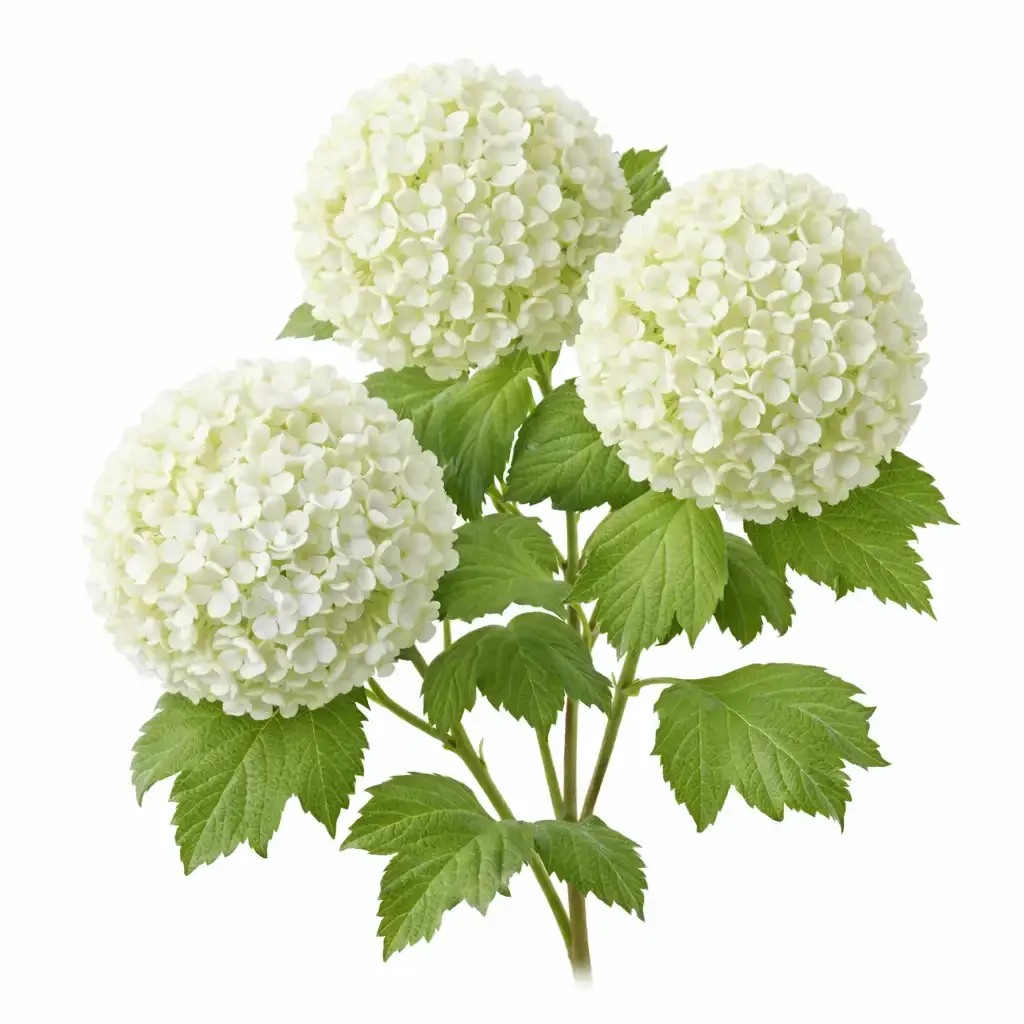
Viburnum is one of the most versatile and underappreciated shrubs in the cut flower world. With hundreds of species and varieties available, there is a Viburnum suited to almost every climate, soil type, and design aesthetic. Florists prize Viburnum for its large, snowball-like flower clusters, its attractive berries, and its beautiful fall foliage, all of which can be harvested and sold at different points throughout the year.
For a homestead flower operation, Viburnum offers something that annual cut flowers cannot: a permanent, multi-season shrub that produces harvestable material from spring blooms through fall berries and winter branches. Once established, a Viburnum hedge or grouping becomes a long-term asset that adds value to your property and your flower business year after year.
Here is why Viburnum deserves a place on your homestead:
It is a multi-season cut flower crop. Spring blooms, summer greenery, fall berries, and winter branches all provide harvestable material throughout the year.
It is highly sought after by florists. Viburnum flower clusters, particularly the large snowball types, are extremely popular with florists and wedding designers for their dramatic, full appearance in arrangements.
It is a perennial shrub investment. Plant it once and harvest from it for decades with minimal ongoing input.
It attracts pollinators and wildlife. Viburnum blooms attract bees and other beneficial insects in spring, while the berries provide food for birds in fall and winter.
It is adaptable to a wide range of conditions. With so many species available, there is a Viburnum suited to almost any homestead environment.
Growing Conditions
Sunlight
Most Viburnum varieties perform best in full sun to partial shade. They are more tolerant of shade than many flowering shrubs, which makes them useful for filling spots on your homestead that receive less than ideal sun. Full sun generally produces the most abundant flowering and the best berry production.
Soil
Viburnum prefers well-drained, moderately fertile soil. It is adaptable to a range of soil types including clay, loam, and sandy soils as long as drainage is adequate. Soil pH between 5.5 and 6.5 is ideal, though most varieties tolerate a broader range. Amend very poor or compacted soils with compost before planting.
Water
Water regularly during the first growing season to help establish a strong root system. Once established, most Viburnum varieties are moderately drought tolerant. During extended dry periods, deep watering once a week is sufficient. Avoid waterlogged conditions as Viburnum does not tolerate wet feet.
Temperature
Viburnum is an extremely cold hardy shrub with varieties available for USDA zones 2 through 9, making it one of the most climatically adaptable flowering shrubs available to homestead growers. In mild winter climates with limited chilling hours, some varieties that require significant winter cold to bloom reliably may not perform as well. Choosing varieties suited to your specific USDA zone gives the best results regardless of whether you are in a cold winter or mild winter climate. In warm, humid climates choose varieties with good disease resistance to manage the increased powdery mildew pressure that comes with higher humidity.
Planting Guide
Viburnum is best planted from nursery transplants. It can be grown from cuttings but this requires more time and skill. Transplants give the fastest path to a productive, blooming shrub.
Step 1: Choose a location with full sun to partial shade and well-drained soil. Consider the mature size of your chosen variety and allow adequate space.
Step 2: Dig a hole twice as wide and as deep as the root ball. Amend the soil with compost if it is very poor or compacted.
Step 3: Plant the shrub at the same depth it was growing in its container. Backfill with soil and water thoroughly.
Step 4: Mulch around the base of the plant with 2 to 3 inches of organic mulch to conserve moisture and suppress weeds. Keep mulch away from the stem.
Step 5: Water regularly during the first growing season. After establishment reduce watering to once a week during dry periods.
Step 6: For cut flower production, plant multiple shrubs to ensure an adequate supply of stems. A grouping of 3 to 5 plants gives a much more harvestable yield than a single specimen.
Seed vs Transplant: Always use transplants for cut flower production. Growing from seed is very slow and results are variable.
Spacing: 4 to 10 feet apart depending on the variety and its mature size.
Planting Season: Spring or fall.
Maintenance
Pruning
Prune Viburnum immediately after flowering in spring to avoid cutting off next year's flower buds, which form on old wood in most varieties. Remove dead, damaged, or crossing branches and shape the shrub as needed. For cut flower production, regular harvesting during bloom season serves as natural pruning and keeps plants producing vigorous new growth.
Fertilizing
Apply a balanced slow release fertilizer in early spring before new growth begins. Avoid over-fertilizing as excessive nitrogen promotes lush foliage at the expense of flowers and berries. A top dressing of compost in spring is often sufficient for established shrubs in moderately fertile soil.
Pest Control
Viburnum leaf beetle is the most serious pest of Viburnum in some regions. It can defoliate plants if populations are high. Monitor plants regularly and treat with neem oil or insecticidal soap at the first sign of infestation. Aphids can also appear on new growth in spring and are usually managed by beneficial insects.
Disease Prevention
Good air circulation and well-drained soil prevent most disease problems. Powdery mildew can occur in humid conditions on some varieties. Choose mildew resistant varieties where possible and avoid overhead watering.
Harvesting
When to Harvest
For cut flowers, harvest Viburnum flower clusters when they are about three quarters open. Fully open clusters do not last as long after cutting. For berries, harvest in fall when they have reached full color. For branches, cut in late fall or winter when the shrub is dormant.
How to Cut
Use clean, sharp pruners. Cut stems 12 to 18 inches long, selecting stems with well-developed flower clusters or berry clusters. Make cuts just above a bud or side branch to encourage new growth. Place cut stems immediately into a bucket of cool water.
Conditioning
Viburnum benefits from conditioning before use. After cutting, place stems in deep cool water in a cool, dark location for several hours or overnight before arranging. This significantly improves vase life.
How Often to Harvest
During the spring bloom period, harvest every few days as new clusters open. Berry stems can be harvested throughout fall as they ripen. Decorative branch material can be cut as needed during the dormant season.
Vase Life
Fresh Viburnum flower clusters typically last 5 to 7 days in a vase with proper conditioning. Berry stems last considerably longer, often 2 to 3 weeks. Strip all foliage below the waterline and recut stems at an angle before placing in fresh water.
Uses on a Homestead
Cut Flower Use
Viburnum flower clusters are stunning focal or accent flowers in mixed spring bouquets and arrangements. The large snowball types in particular create a dramatic, full effect that is extremely popular with florists and wedding designers. Even a few stems can transform an arrangement.
Berry Stems
Viburnum berries in shades of red, pink, yellow, blue, and black are highly valued by florists for fall and winter arrangements. Berry stems are long lasting, distinctive, and add color and texture to seasonal bouquets when fresh flowers are less available.
Foliage and Branch Material
Viburnum branches with their attractive foliage make excellent greenery for mixed arrangements throughout the growing season. In late fall and winter, bare branches with berries create striking minimalist arrangements that are very popular in contemporary floral design.
Pollinator and Wildlife Support
Viburnum blooms are an important spring nectar source for bees and other pollinators. The berries provide critical food for birds and wildlife in fall and winter, making Viburnum one of the most ecologically valuable shrubs you can plant on your homestead.
Can You Make Money With Viburnum
Yes, Viburnum is a profitable multi-season crop for homestead flower operations. Its ability to provide harvestable material across multiple seasons makes it one of the most versatile shrubs in a cut flower operation.
Multi-season income. Spring blooms, fall berries, and winter branches each provide distinct selling opportunities throughout the year.
High florist demand. Viburnum flower clusters and berry stems are consistently sought after by florists, particularly for wedding and event work.
Long-term low input crop. As a perennial shrub, Viburnum requires minimal ongoing input after establishment and continues producing for decades.
Farmers Market: Fresh Viburnum bouquets sell for 10 to 18 dollars per bunch during peak spring bloom. Berry stems sell well in fall for similar prices.
Florists and Wedding Designers: Viburnum is a florist staple, particularly the large snowball flowering varieties and the berry-producing types.
Fall and Winter Market: Berry stems and decorative branches fill a gap in the market when fresh flowers are scarce and command strong prices.
Dried Arrangements: Berry stems and branches can be used in dried and preserved arrangements for an extended selling season.
Companion Plants
Viburnum grows well alongside many other homestead plants and creates beautiful combinations in both the landscape and the bouquet.
Roses: Both bloom in spring and early summer and complement each other beautifully in bouquets and in the garden. Hydrangeas: Similar growing conditions and bloom times. Together they create a powerful spring and summer cut flower combination. Allium: Spring blooming bulbs that overlap with Viburnum bloom time and pair beautifully in arrangements. Hellebores: Both appreciate partial shade and bloom in early spring, making them natural companions. Ferns: Grow well in the partial shade beneath Viburnum shrubs and provide useful foliage for arrangements. Peonies: Both bloom in spring and together create a stunning and highly marketable seasonal offering.
Common Problems
Viburnum Leaf Beetle
The most serious pest in affected regions. Larvae and adults feed on leaves and can completely defoliate plants in severe infestations. Monitor regularly and treat with neem oil or insecticidal soap at first sign. Remove and destroy egg-laying sites on young stems in fall.
Powdery Mildew
Affects some Viburnum varieties in humid conditions. Choose resistant varieties, space plants for good air circulation, and avoid overhead watering. Remove affected leaves promptly.
Aphids
Common on new spring growth. Usually managed naturally by beneficial insects. A strong spray of water dislodges them if numbers become problematic.
Root Rot
Caused by poorly drained or consistently wet soil. Plant in well-drained soil and avoid overwatering. Once established, Viburnum is moderately drought tolerant.
Failure to Berry
Usually caused by planting only one shrub. Most Viburnum varieties need a compatible pollinator variety planted nearby to set fruit. Plant at least two different but compatible varieties for reliable berry production.
Varieties to Consider
Viburnum opulus Roseum (Snowball Bush): The classic large snowball flowering Viburnum. Massive round white flower clusters that are enormously popular with florists. A must-have for cut flower production.
Viburnum plicatum tomentosum (Doublefile Viburnum): Horizontal branching habit with flat-topped white flower clusters along the branches. Stunning in the landscape and in arrangements.
Viburnum carlesii (Korean Spice Viburnum): Extremely fragrant pink to white flowers in spring. One of the most intensely fragrant flowering shrubs available. Very popular at farmers markets.
Viburnum davidii: A compact evergreen variety grown primarily for its attractive turquoise-blue berries. Excellent for fall and winter arrangements.
Viburnum nudum Winterthur: Produces stunning pink to blue berries in fall. Excellent fall color as well. A strong performer in the landscape and for cut berry stems.
Viburnum tinus (Laurustinus): An evergreen variety that blooms in late winter to early spring, filling a gap when few other shrubs are in flower. Well suited to mild winter climates within USDA zones 7 to 10 where it can perform as a reliable evergreen shrub with minimal winter protection.
Final Thoughts
Viburnum is one of the most rewarding long-term investments you can make in your homestead flower operation. Few shrubs offer the combination of spring blooms, summer greenery, fall berries, and winter branch interest that Viburnum provides. It is a plant that keeps giving across every season of the year, supplying your flower business with distinctive, high-value material that florists and customers actively seek out. Plant a diverse selection of varieties to extend your harvest window and maximize the range of products you can offer, and Viburnum will become one of the most productive and profitable permanent plants on your homestead.
FAQ
Do I need two Viburnum plants for berries? Yes, most Viburnum varieties require cross-pollination from a compatible variety to produce berries reliably. Plant at least two different but compatible varieties near each other for the best berry production.
How fast does Viburnum grow? Most Viburnum varieties are moderate growers, adding 1 to 2 feet of growth per year under good conditions. Some varieties are slower. Most reach their mature size within 5 to 10 years.
Can Viburnum grow in shade? Viburnum is more shade tolerant than many flowering shrubs and can perform reasonably well in partial shade. Full sun generally produces more abundant flowering and better berry production.
Is Viburnum deer resistant? Viburnum has moderate deer resistance. It is not a preferred deer food but may be browsed in areas with high deer pressure, particularly in winter when other food sources are scarce.
When is the best time to prune Viburnum? Prune Viburnum immediately after flowering in spring. Most varieties bloom on old wood, so pruning at any other time risks removing next year's flower buds.