
Zinnias
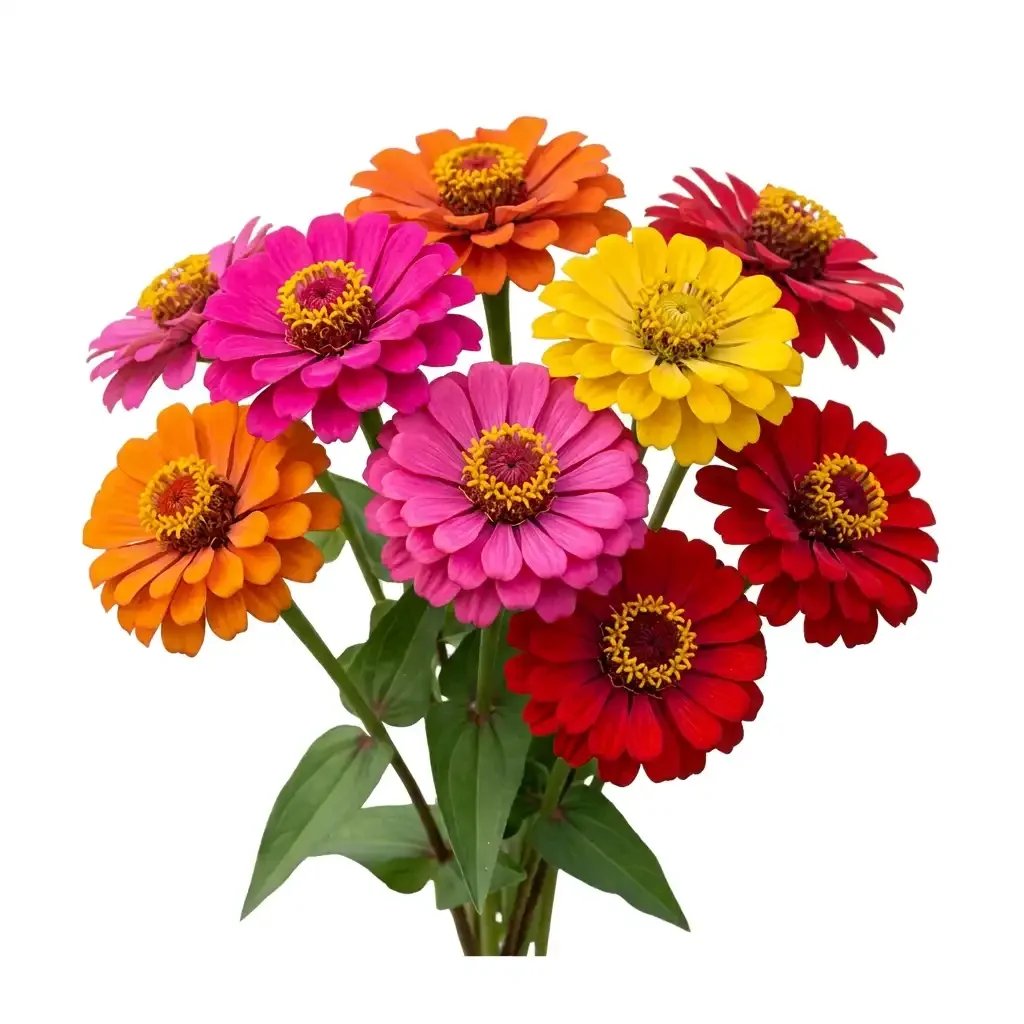
Quick Overview
Common Name: Zinnias
Scientific Name: Zinnia elegans
Plant Type: Annual
USDA Zones: 2 to 11
Sun Requirement: Full Sun
Soil Type: Well-drained, average fertility
Bloom Season: Summer to First Frost
Height: 12 to 48 inches depending on variety
Pollinator Friendly: Yes
Edible: No
Why Grow Zinnias on a Homestead
Zinnias are one of the most rewarding flowers you can grow on a homestead. They are fast, productive, and virtually unstoppable once they get going. If you are looking for a flower that gives back more the more you harvest, zinnias are exactly that.
They are often the first recommendation for anyone starting a cut flower operation, and for good reason. A single planting can produce armloads of blooms from midsummer all the way until the first hard frost. On a homestead, that kind of reliability is invaluable.
Here is why zinnias deserve a spot on your farm:
They attract pollinators in massive numbers. Butterflies, bees, and beneficial insects flock to zinnia blooms all season long, which benefits every other crop on your property.
They are one of the best selling flowers at farmers markets. Their bold colors, long vase life, and familiar look make them easy to sell to customers of all ages.
They require very little input. Zinnias do not need rich soil or heavy fertilizing. They thrive on heat and sunshine, making them ideal for homesteads in warm climates.
They are a cut and come again flower. Every stem you cut encourages the plant to produce two or more new stems. The more you harvest, the more the plant blooms.
They dry reasonably well and can add color to dried arrangements when harvested at the right stage.
Growing Conditions
Sunlight
Zinnias need full sun to perform their best. Aim for at least 6 to 8 hours of direct sunlight per day. Plants grown in partial shade tend to stretch, produce fewer blooms, and become more susceptible to powdery mildew.
Soil
Zinnias are not picky about soil fertility but they do require good drainage. Waterlogged soil leads to root rot and disease. A loose, well-drained soil with a pH between 5.5 and 7.0 is ideal. If your soil is heavy clay, amend it with compost before planting.
Water
Water zinnias at the base of the plant rather than overhead. Wet foliage is one of the leading causes of powdery mildew, which is the most common zinnia problem. Once established, zinnias are fairly drought tolerant but they bloom best with consistent moisture. Water deeply once or twice a week rather than light daily watering.
Temperature
Zinnias love heat. They struggle in cool temperatures and should not be planted until after the last frost date when soil has warmed to at least 60 degrees Fahrenheit. They perform exceptionally well in hot summers, making them a natural fit for warm climates across USDA zones 2 to 11. In hot, humid climates like the mid-South and Southeast, choose mildew-resistant varieties and ensure good air circulation to reduce disease pressure during peak summer heat.
Planting Guide
Zinnias are one of the easiest flowers to start from seed and they do not transplant well due to their sensitive roots. Direct sowing is almost always the preferred method for cut flower production.
Step 1: Wait until after your last frost date and soil temperatures have reached at least 60 degrees Fahrenheit.
Step 2: Choose a location with full sun and well-drained soil. Prepare the bed by loosening the soil and removing weeds.
Step 3: Sow seeds directly into the ground about one quarter inch deep.
Step 4: For cut flower production, space seeds 6 to 9 inches apart in rows. Tighter spacing encourages taller, straighter stems which are more desirable for bouquets.
Step 5: Water gently after planting and keep the soil moist until germination, which typically occurs within 5 to 7 days in warm soil.
Step 6: For a continuous harvest, succession plant every 2 to 3 weeks from late spring through midsummer.
Seed vs Transplant: Direct sowing is strongly preferred. If starting indoors, use biodegradable pots to avoid disturbing roots at transplant time and start no more than 4 weeks before your last frost date.
Spacing: 6 to 9 inches for cut flowers, 12 inches for garden display.
Planting Season: Late spring through midsummer for succession planting.
Maintenance
Pruning and Pinching
One of the most important steps for cut flower production is pinching. When seedlings reach 8 to 12 inches tall, pinch out the central growing tip. This forces the plant to branch out and produce multiple stems instead of one main stem. It delays the first bloom by about a week but dramatically increases overall yield throughout the season.
Fertilizing
Zinnias do not need heavy feeding. Too much nitrogen produces lush foliage at the expense of flowers. A light application of balanced fertilizer at planting and a side dressing of compost midseason is usually sufficient. If your soil is already fertile, you may not need to fertilize at all.
Pest Control
Zinnias are generally pest resistant. Japanese beetles can be a problem in some regions and can be handpicked or treated with neem oil. Aphids occasionally appear but are usually controlled by beneficial insects that zinnias attract.
Disease Prevention
Powdery mildew is the most common problem with zinnias, especially late in the season. Prevent it by watering at the base, spacing plants properly for air circulation, and choosing mildew resistant varieties. Once mildew appears it is difficult to reverse, so prevention is key.
Harvesting
Zinnias are a cut and come again flower, meaning the harvest itself is part of the maintenance. The more you cut, the more the plant produces.
When to Harvest
Harvest zinnias when the bloom is fully open but before the center starts to show pollen. A simple test is the wiggle test: hold the stem near the base and gently shake it. If the stem is stiff and the bloom holds firm, it is ready. If the stem wobbles, give it another day or two.
How to Cut
Use clean, sharp scissors or pruners. Cut stems as long as possible, ideally 12 to 18 inches. Cut just above a set of leaves or a side shoot to encourage new branching. Harvest in the early morning when stems are fully hydrated and temperatures are cool.
How Often to Harvest
During peak season, zinnias may need to be harvested every 2 to 3 days. Do not let blooms go to seed on the plant as this signals the plant to slow down production. Keeping flowers cut is the single best way to maximize yield.
Vase Life
Zinnias typically last 7 to 10 days in a vase with fresh water. Strip all foliage below the waterline and recut stems at an angle before placing in water.
Uses on a Homestead
Cut Flower Use
Zinnias are primarily grown as cut flowers. Their bold colors and long stems make them ideal for mixed bouquets, farmers market bundles, and farm stand displays. They pair beautifully with sunflowers, celosia, and grasses.
Dried Flower Use
Zinnias can be dried by hanging them upside down in a warm, dry, well-ventilated space. They hold their color reasonably well and can be used in dried arrangements and wreaths. Harvest for drying before the bloom is fully open for best results.
Pollinator Gardens
Zinnias are one of the top pollinator plants you can grow. Planting them throughout your homestead improves pollination for vegetable crops, fruit trees, and herb gardens.
Companion Planting
Zinnias attract beneficial insects that prey on common garden pests. Planting them near tomatoes, squash, and cucumbers can help reduce pest pressure naturally.
Can You Make Money With Zinnias
Yes, zinnias are one of the most profitable flowers for small scale cut flower operations. Here is why:
Low input cost. Seeds are inexpensive and a single packet can produce dozens of plants.
High yield. One well-pinched zinnia plant can produce 20 or more stems over a season.
Long selling season. From midsummer to frost, you have a consistent supply of fresh blooms.
Strong market demand. Zinnias are recognizable, colorful, and popular with farmers market shoppers of all ages.
Multiple income streams. Fresh bouquets, dried flowers, mixed arrangements, and u-pick flower experiences all work well with zinnias.
Farmers Market: Sell mixed zinnia bundles for 6 to 10 dollars per bunch.
Florists and Wholesalers: Large volume growers can supply local florists with buckets of stems.
Wedding and Event Flowers: Specialty and double varieties like Benary Giant and Queen Lime are popular with wedding florists.
CSA Flower Subscriptions: Zinnias are a staple in weekly flower subscription boxes.
Dried Flowers: Sell dried zinnia bundles at markets or through an online shop.
Companion Plants
Zinnias grow well alongside many other homestead crops and flowers.
Sunflowers: Similar growing conditions and they complement each other in bouquets.
Celosia: Both love heat and can be harvested together for market bundles.
Basil: Basil and zinnias are good neighbors in the garden and both thrive in summer heat.
Tomatoes: Zinnias attract beneficial insects that help control tomato pests.
Cucumbers and Squash: Zinnias nearby improve pollination and attract pest predators.
Marigolds: Both are heat loving annuals that deter pests and attract pollinators.
Common Problems
Powdery Mildew
The most common zinnia problem. White powdery coating appears on leaves, usually late in the season. Prevent by spacing plants for airflow, watering at the base, and choosing resistant varieties. Remove affected leaves promptly.
Bacterial Leaf Spot
Dark, water-soaked spots on leaves. Caused by overhead watering and wet conditions. Water at the base and avoid working around plants when foliage is wet.
Japanese Beetles
Can skeletonize zinnia leaves and blooms. Handpick in the morning when they are slow, or use neem oil as a deterrent.
Aphids
Clusters of small insects on new growth. Usually managed naturally by ladybugs and other beneficial insects that zinnias attract. A strong spray of water can knock them off if needed.
Alternaria Blight
A fungal disease causing brown spots and stem dieback. Improve air circulation and avoid overhead watering to prevent it.
Varieties to Consider
Benary Giant Series: One of the most popular for cut flower production. Large blooms on strong stems. Available in a wide range of colors.
Queen Series (Queen Lime, Queen Red Lime, Queen Coral): Unusual, sophisticated colors that appeal to florists and wedding clients. High value and very sought after.
Zinderella Series: Double blooms with a dahlia-like appearance. Great for specialty markets.
Oklahoma Series: Smaller blooms on tall stems. Excellent for mixed bouquets and very productive.
Uproar Rose: Large, vivid pink blooms. Strong stems and reliable performance.
Zowie Yellow Flame: Bicolor blooms in yellow and magenta. Eye-catching at farmers markets.
Profusion Series: Smaller plants with prolific blooming. Good for containers and farm stand displays.
Final Thoughts
If you only grow one flower on your homestead, make it zinnias. They are forgiving for beginners, incredibly productive, and genuinely loved by customers. From a small backyard plot to a larger market garden, zinnias deliver color, abundance, and income from midsummer all the way to frost. They embody everything a homestead flower should be: easy to grow, beautiful to look at, and worth every square foot of garden space.
FAQ
How long do zinnias take to bloom from seed? Zinnias typically bloom 60 to 70 days from direct sowing. In warm soil with full sun, some varieties can bloom in as few as 55 days.
Can zinnias grow in pots? Yes, compact varieties like the Profusion series do well in large containers. For cut flower production however, in-ground planting gives far better results.
Do zinnias come back every year? Zinnias are annuals and do not come back on their own. However, they self-seed readily and you may find volunteer seedlings appearing the following spring.
Do zinnias need deadheading? For cut flower production, regular harvesting replaces deadheading. Simply keep cutting stems and the plant will continue producing new blooms all season.
Are zinnias good for bees? Yes, zinnias are excellent for bees, butterflies, and beneficial insects. Single-flowered varieties are especially accessible to pollinators.