
Yarrow
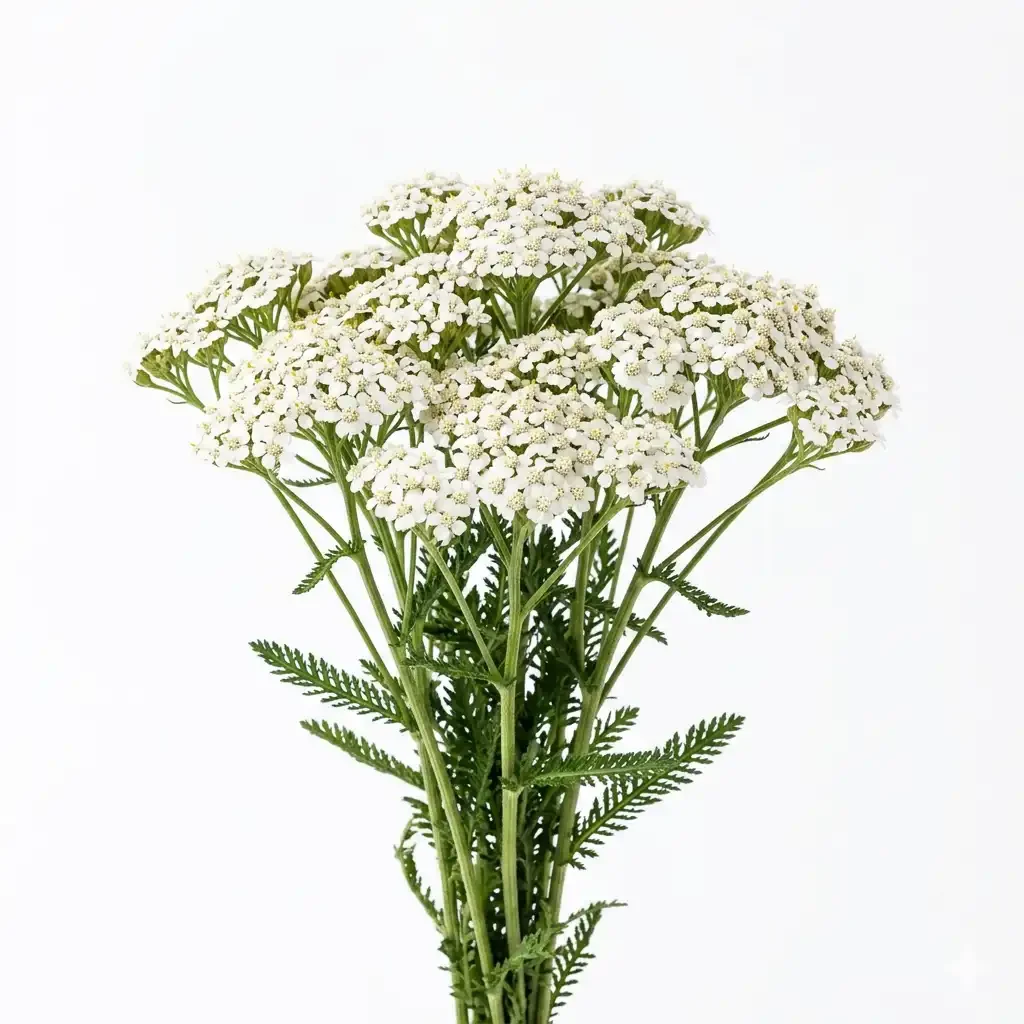
Quick Overview
Common Name: Yarrow
Scientific Name: Achillea millefolium
Plant Type: Perennial
USDA Zones: 3 to 9
Sun Requirement: Full Sun
Soil Type: Well-drained, low to average fertility
Bloom Season: Late Spring through Fall
Height: 18 to 36 inches
Pollinator Friendly: Yes
Edible: Yes, used medicinally and in teas
Why Grow Yarrow on a Homestead
Yarrow is one of the hardest working plants you can grow on a homestead. It is a perennial, which means you plant it once and it comes back year after year with very little effort. For a cut flower operation, that kind of low maintenance reliability is extremely valuable.
It blooms prolifically from late spring all the way through fall, giving you a long harvest window. The flat-topped flower clusters come in a wide range of colors including white, yellow, pink, red, and salmon, making yarrow a versatile addition to mixed bouquets and dried arrangements alike.
Here is why yarrow deserves a spot on your homestead:
It is a perennial workhorse. Once established, yarrow spreads and fills in over time, giving you more and more stems each season without replanting.
It is one of the best flowers for drying. Yarrow holds its color and shape beautifully when dried, making it a top choice for the dried flower market which continues to grow in popularity.
It attracts an enormous number of pollinators. Yarrow is especially beloved by beneficial insects including predatory wasps and ladybugs that help control pest populations throughout your garden.
It has a long history of medicinal use. Homesteaders interested in herbalism will find yarrow to be a valuable plant for the medicine cabinet as well as the flower bed.
It thrives in poor soil. Unlike many flowers that need rich, amended beds, yarrow actually performs better in lean, well-drained soil. It is one of the most drought tolerant flowers you can grow.
Growing Conditions
Sunlight
Yarrow needs full sun to bloom its best. It requires at least 6 hours of direct sunlight per day. In partial shade it will grow but produce fewer blooms and become more prone to flopping over.
Soil
Yarrow prefers well-drained soil with low to average fertility. Rich, heavily amended soil actually causes yarrow to become leggy and floppy. If your soil is poor or sandy, yarrow will thrive where other flowers struggle. Soil pH between 5.5 and 7.0 is ideal.
Water
Once established, yarrow is very drought tolerant. It does not need frequent watering and actually suffers in soggy conditions. Water new plantings regularly until established, then reduce watering significantly. Overwatering is one of the most common mistakes with yarrow.
Temperature
Yarrow is extremely cold hardy and tolerates heat well. It is a tough, adaptable plant that handles a wide range of climates from the cold winters of USDA zones 3 through 4 to the heat and humidity of the mid-South and Southeast. In mild winter climates it may go semi-evergreen and bloom for an extended season due to the lack of hard freezes. In hot, humid regions like Tennessee and Arkansas, choose well-drained soil and ensure good air circulation to reduce the risk of powdery mildew during the warmest months.
Planting Guide
Yarrow can be started from seed, divisions, or transplants. For cut flower production, transplants or divisions are the fastest way to get blooms in the first season.
Step 1: Choose a location with full sun and well-drained soil. Avoid rich, heavily fertilized beds.
Step 2: If starting from seed, sow seeds indoors 6 to 8 weeks before the last frost date. Seeds need light to germinate so press them onto the soil surface without covering them.
Step 3: Transplant seedlings or divisions outdoors after the last frost date when soil has warmed.
Step 4: Space plants 12 to 24 inches apart. Yarrow spreads over time so give it room.
Step 5: Water after planting and keep soil moist until established. After that, reduce watering.
Step 6: For divisions, dig up an established clump in early spring or fall, separate into sections, and replant immediately.
Seed vs Transplant: Transplants and divisions give faster results. Seeds can take two years to produce strong blooming plants.
Spacing: 12 to 24 inches apart.
Planting Season: Spring after last frost, or fall in mild climates.
Maintenance
Pruning and Deadheading
Deadhead spent blooms regularly to encourage new flower production throughout the season. Cut stems back by about one third after the first flush of blooms fades to promote a second wave of flowering. In late fall, cut plants back to a few inches above the ground.
Dividing
Every 2 to 3 years, divide yarrow clumps in early spring or fall to keep plants vigorous and prevent overcrowding. Dividing also gives you free new plants to expand your growing area.
Fertilizing
Yarrow does not need fertilizing. Too much fertilizer, especially nitrogen, causes weak, floppy stems and reduces flowering. Leave yarrow in lean soil and let it do what it does naturally.
Pest Control
Yarrow is largely pest free. Its strong scent deters many insects. Aphids can occasionally appear on new growth but are usually managed by the beneficial insects that yarrow attracts.
Disease Prevention
Good air circulation and well-drained soil prevent most disease issues. Powdery mildew can occur in humid conditions. Space plants properly and avoid overhead watering to keep plants healthy.
Harvesting
When to Harvest
For fresh cut flowers, harvest yarrow when the flower clusters are about three quarters open. Fully open blooms do not last as long in the vase. For drying, harvest when flowers are just fully open for the best color retention.
How to Cut
Use clean, sharp scissors or pruners. Cut stems as long as possible, ideally 12 to 18 inches. Cut just above a set of leaves to encourage new branching and continued production throughout the season.
How Often to Harvest
Harvest every few days during peak bloom. Regular cutting encourages the plant to keep producing new stems. Do not let flower heads go to seed if you want continued blooming.
Vase Life
Yarrow typically lasts 5 to 7 days as a fresh cut flower. Strip foliage below the waterline, recut stems at an angle, and place in fresh water immediately after cutting.
Uses on a Homestead
Cut Flower Use
Yarrow adds flat-topped texture and a soft, natural feel to mixed bouquets. It pairs beautifully with roses, lavender, and grasses. Its wide range of colors makes it easy to work into almost any color palette.
Dried Flower Use
Yarrow is one of the best flowers for drying. Hang bundles upside down in a warm, dry, well-ventilated space. It holds its color and shape exceptionally well and is a staple in dried wreaths, arrangements, and sachets.
Medicinal Use
Yarrow has a long history of use in herbal medicine. It has been used traditionally to support wound healing, reduce fever, and aid digestion. Homesteaders interested in herbalism will find yarrow to be one of the most useful plants in the medicine garden.
Herbal Teas
Yarrow leaves and flowers can be dried and used to make herbal teas. It has a slightly bitter, aromatic flavor and is often blended with other herbs.
Pollinator and Beneficial Insect Support
Yarrow is one of the top plants for attracting beneficial insects. Predatory wasps, ladybugs, lacewings, and hoverflies all visit yarrow regularly, providing natural pest control throughout your homestead.
Can You Make Money With Yarrow
Yes, yarrow is a profitable crop for homestead flower operations, especially because it is a perennial with very low input costs after the first year.
Low maintenance after establishment. Once planted, yarrow needs very little attention and comes back stronger each year.
Strong demand for dried flowers. The dried flower market is growing rapidly and yarrow is one of the most requested dried flowers by florists and craft sellers.
Long harvest season. Yarrow blooms from late spring through fall, giving you months of harvestable stems.
Multiple income streams. Fresh bouquets, dried bundles, herbal products, and wreaths all work well with yarrow.
Farmers Market: Sell fresh or dried yarrow bundles for 6 to 10 dollars per bunch.
Florists and Wholesalers: Yarrow is a popular filler flower for florists, especially in white and yellow.
Dried Flower Market: Dried yarrow bundles sell well at markets, craft fairs, and through online shops.
Herbal Products: Dried yarrow can be sold as loose herbal tea, in herbal blends, or as part of a homestead apothecary product line.
Wreaths and Arrangements: Yarrow is a staple ingredient in dried wreaths and everlasting arrangements.
Companion Plants
Yarrow grows well alongside many homestead plants and is known to improve the health of neighboring plants.
Roses: Yarrow is said to enhance the fragrance and health of nearby roses. Lavender: Both thrive in similar well-drained, low fertility conditions. Echinacea: A natural pairing in both the garden and the bouquet. Vegetables: Yarrow planted near vegetable beds attracts beneficial insects that control pests. Sage and Rosemary: All three prefer lean, well-drained soil and grow well together. Fruit Trees: Planting yarrow beneath fruit trees attracts pollinators and beneficial insects.
Common Problems
Powdery Mildew
Can occur in humid conditions or when plants are overcrowded. Improve air circulation by spacing plants properly and dividing clumps regularly. Avoid overhead watering.
Flopping Stems
Caused by too much fertilizer, too much shade, or overly rich soil. Grow yarrow in lean soil with full sun and avoid feeding it. Staking is rarely needed if growing conditions are correct.
Root Rot
Caused by poorly drained or consistently wet soil. Yarrow does not tolerate soggy conditions. Plant in well-drained soil and avoid overwatering.
Aphids
Occasionally appear on new growth. Usually managed naturally by the beneficial insects that yarrow attracts. A strong spray of water can dislodge them if needed.
Invasive Spreading
Yarrow can spread aggressively through both rhizomes and self-seeding. Divide clumps every few years and deadhead spent blooms before they go to seed to keep it in check.
Varieties to Consider
Coronation Gold: One of the most popular varieties for cut flowers. Large, deep yellow flower heads on strong 24 to 36 inch stems. Excellent for both fresh and dried use.
Cerise Queen: Bright rose-pink blooms. A reliable performer with good stem length for bouquets.
Paprika: Deep red to orange-red blooms that fade to a softer tone as they age, giving an interesting multicolor effect in arrangements.
Terracotta: Warm salmon and orange tones that are very popular with florists and wedding designers.
White Beauty: Clean white blooms that are extremely versatile in mixed bouquets and dry beautifully.
Moonshine: Soft, pale yellow blooms on compact plants. A classic cottage garden variety.
Flowerburst Series: A newer series bred specifically for cut flower production with larger heads and longer stems.
Final Thoughts
Yarrow is the kind of plant that makes a homestead better in every way. It asks for very little and gives back abundantly. Once established it becomes a permanent, self-sustaining part of your flower operation, producing harvestable stems season after season with almost no input. Whether you are selling fresh bouquets at the farmers market, building a dried flower business, or simply growing a more productive and pollinator-friendly homestead, yarrow earns its place every single year.
FAQ
How long does yarrow take to bloom from seed? Yarrow started from seed typically blooms in its second year. For first year blooms, start with transplants or divisions.
Does yarrow spread aggressively? Yarrow can spread through both underground rhizomes and self-seeding. Dividing clumps every 2 to 3 years and deadheading before seeds form keeps it manageable.
Can yarrow grow in poor soil? Yes, yarrow actually prefers lean, well-drained soil. It performs better in poor soil than in rich, heavily amended beds.
Is yarrow deer resistant? Yes, yarrow is considered deer resistant. Its strong scent and bitter taste deter most deer.
Can yarrow be used in cooking? Yarrow has a long history of medicinal use and can be used to make herbal teas. It has a strong, slightly bitter flavor and is not commonly used as a culinary herb in the traditional sense.