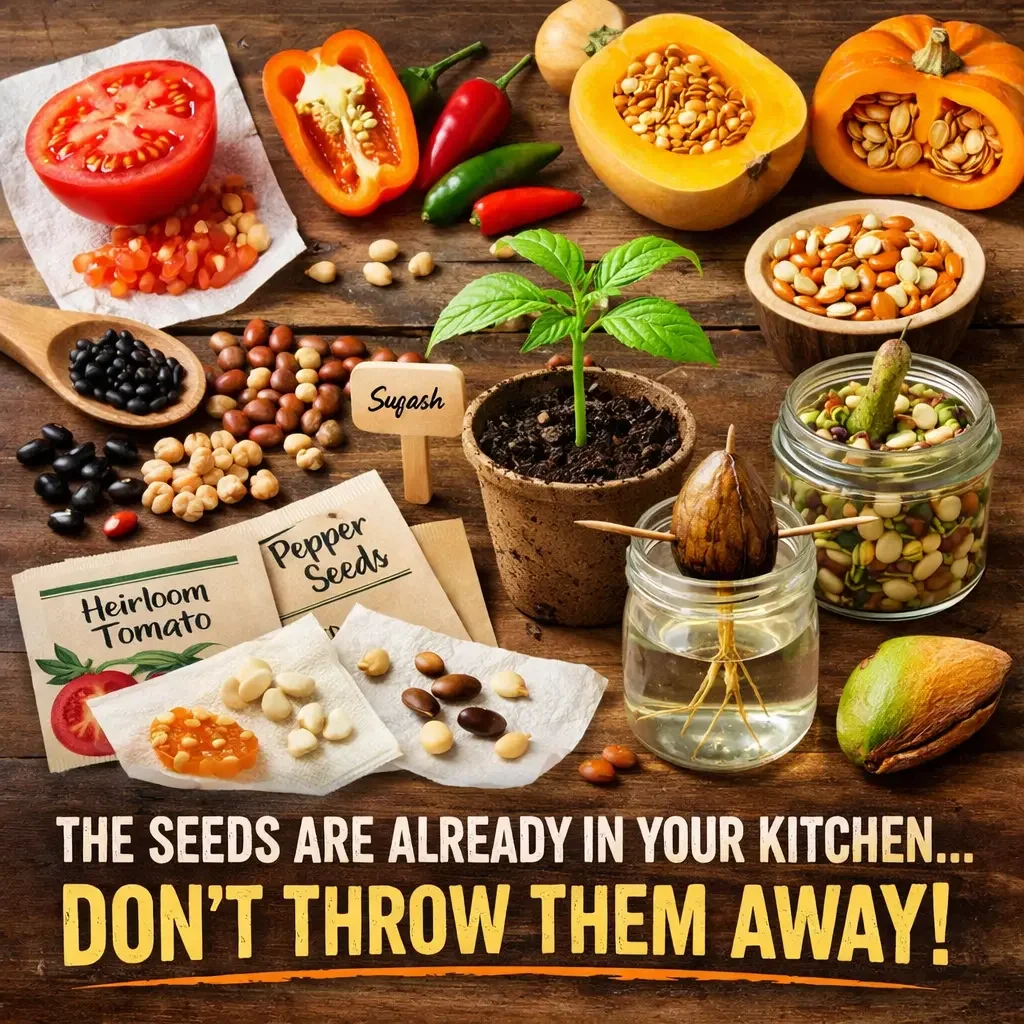
Stop Throwing Away the Best Seeds in Your Kitchen
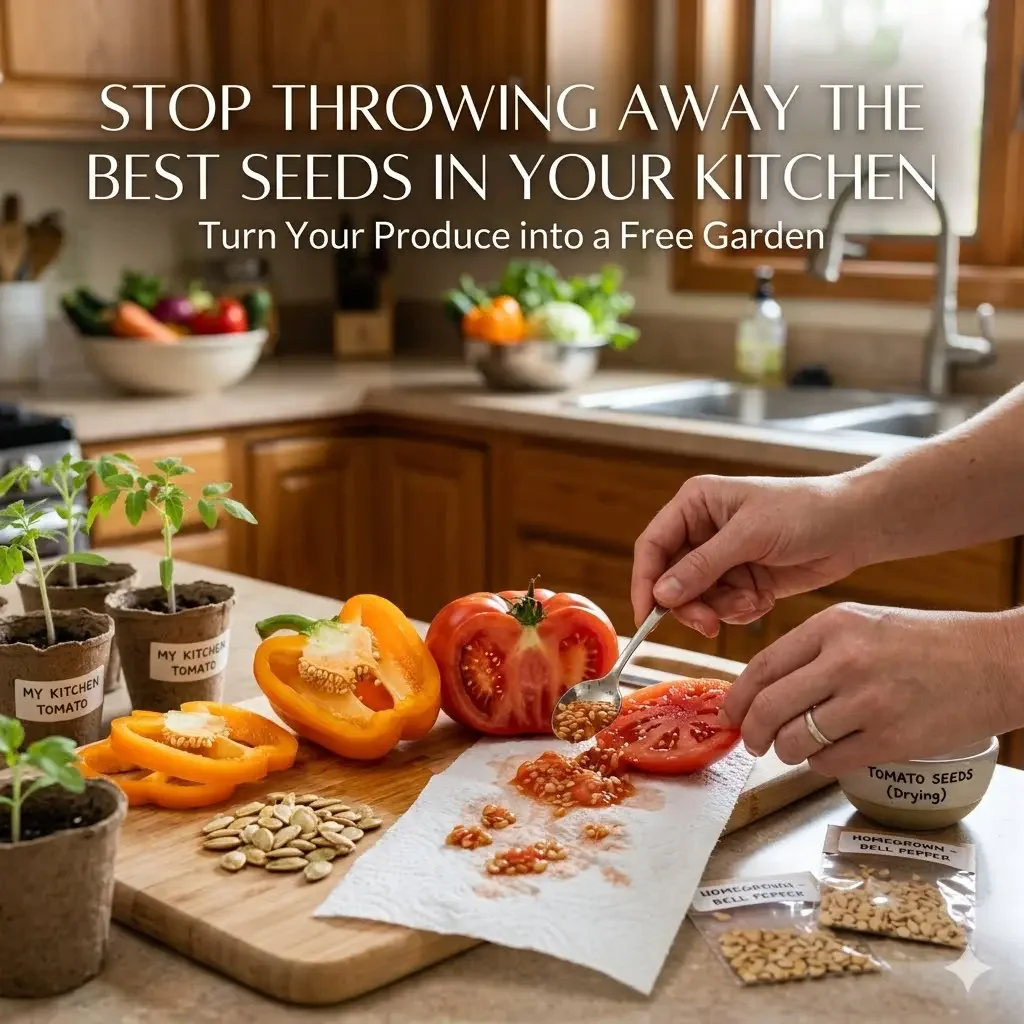
Most people walk through the grocery store like they are buying food. In reality, they are also walking past a seed collection they already paid for.
Every tomato, pepper, squash, pumpkin, bean, and piece of fruit you bring home contains the beginning of another plant. Most of those seeds get scraped into the trash without a second thought. That is the strange part. People spend money ordering seed packets online, then toss perfectly usable seeds from produce they already bought.
The truth is simple. A surprising amount of grocery store produce can be turned into garden plants with almost no effort. In many cases, all it takes is scooping out the seeds, letting them dry, and planting them at the right time.
There are a few things to know before you start, but once you understand the basics, your kitchen starts looking a lot more like a seed shelf.
First, Not Every Seed Will Grow Exactly Like the Fruit You Bought
This is the part that confuses people, so let's make it simple.
Some grocery store produce comes from hybrid varieties. Seeds from hybrids can still grow, but the new plant may not give you fruit that looks or tastes exactly like the original. You might get variation in size, shape, color, or flavor.
Other produce comes from open-pollinated or heirloom varieties. Those are much more likely to grow true, meaning the plant you grow will closely match the one the seeds came from.
That does not mean hybrid seeds are useless. Far from it. They are often productive, fun to grow, and worth experimenting with. It just means you should treat them as a surprise, not a guarantee.
Tomatoes Are One of the Easiest Places to Start
If you slice a tomato and see all those seeds surrounded by gel, you are looking at future tomato plants.
To save them, scoop the seeds and gel onto a paper towel and let them dry fully for about five to seven days. Once dry, plant them about a quarter inch deep in seed-starting mix indoors. Tomatoes are usually started six to eight weeks before your last frost date.
If the tomato was an heirloom or open-pollinated variety, your odds of getting something very similar are much better. If it was a hybrid, you may still get a healthy plant, but the fruit can vary.
Either way, it beats throwing the seeds away.
Bell Peppers Are Basically Handing You Free Seeds
Cut open a ripe bell pepper and you will find a cluster of pale seeds attached to the inner core. Scrape them off, spread them on a paper towel, and let them dry for about a week.
Plant pepper seeds about a quarter inch deep in warm, moist soil. Warmth matters here. Peppers germinate best when the soil stays around 70°F or higher. Start them indoors eight to ten weeks before your last frost.
Fully ripened peppers, especially red, orange, and yellow ones, usually have the most mature seeds. Green peppers can still work, but the seeds are sometimes less developed because the fruit was picked earlier.
Hot Peppers Work the Same Way, Just With More Patience
Jalapenos, serranos, habaneros, Thai chilis, and other hot peppers all contain seeds you can save. Dry the seeds first, then plant them the same way you would bell peppers.
The main difference is time. Hot peppers usually need a longer growing season, so it is smart to start them indoors even earlier, often ten to twelve weeks before the last frost.
If you like growing plants that actually earn their space in the garden, peppers are one of the best categories to experiment with.
Winter Squash Makes Seed Saving Almost Too Easy
Butternut squash, acorn squash, delicata, spaghetti squash, and similar types come packed with large, easy-to-handle seeds.
Scoop them out, rinse off the pulp, and let them dry for about a week. Once planting time arrives, place them about one inch deep in warm soil after the danger of frost has passed.
These seeds tend to germinate well because winter squash is harvested when fully mature. That maturity matters. A mature fruit usually holds mature seeds.
If you are looking for an easy seed-saving win, squash is hard to beat.
Pumpkins Are an Entire Garden Hiding in One Shell
People carve pumpkins every fall and dump hundreds of viable seeds in the trash.
The method is simple. Scoop out the seeds, rinse them clean, dry them for a week, and store them in a paper envelope until spring. When warm weather arrives, plant them the same way you would squash.
One pumpkin can give you more seeds than most home gardeners could ever use in a season.
Dried Beans and Lentils Are Not Just Pantry Staples
This one surprises a lot of people. Many dried beans sold for cooking are still seeds. Black beans, kidney beans, pinto beans, chickpeas, and lentils can sometimes germinate just fine.
There is one catch. Some have been heat-treated or otherwise processed in a way that kills viability. So instead of planting a whole bag, test a small batch first.
Soak them overnight, plant them about one inch deep in warm soil after the last frost, and see what happens. Even if only part of the batch sprouts, you still turned pantry food into a planting experiment for almost nothing.
Popcorn Is Corn Seed, Just Not Sweet Corn
Unpopped popcorn kernels are dried corn seed. Yes, you can plant them.
Put them about one inch deep and roughly six inches apart. Corn needs to be planted in blocks, not in a single row, because it relies on wind pollination. A group of at least four rows gives you a much better chance of proper pollination.
The ears you get will not be sweet corn. They are more like field corn. Still, the plants grow tall, vigorous, and make great seasonal decorations once dried.
So even if you are not planting them for dinner, they are still worth trying.
Citrus Seeds Can Become Beautiful Houseplants
Lemons, oranges, grapefruits, and other citrus fruits contain seeds that can germinate surprisingly well if planted fresh.
Unlike many other seeds, citrus seeds should not be dried out first. Plant them soon after removing them from the fruit, keeping the soil lightly moist. Germination usually happens within two to four weeks.
Will they give you fruit indoors? Usually not. If they do fruit outdoors in a suitable climate, it can take many years. But as indoor plants, they are still worth growing. The glossy leaves, evergreen habit, and fresh look make them great houseplants even without fruit.
Apple and Pear Seeds Are More About the Process Than the Payoff
You can absolutely grow apple and pear trees from seed, but do not expect them to reproduce the exact fruit you bought.
Commercial apples and pears are usually grafted varieties. That means the fruit you love comes from a cloned branch attached to rootstock, not from a seed-grown tree that will repeat perfectly.
On top of that, these seeds need cold stratification before planting. Put them in a damp medium inside a sealed plastic bag and keep them in the refrigerator for about eight to twelve weeks.
What you get is still worthwhile. The trees can be attractive ornamentals, and the process is one of the best hands-on ways to understand how seeds wake up and grow.
Mangoes Are Worth Planting for the Foliage Alone
A mango pit looks intimidating, but inside that fibrous outer husk is the actual seed.
Carefully open the husk, remove the inner seed, and plant it about half an inch deep in warm, moist soil. Mango seeds often germinate fast, sometimes within one to three weeks.
In the right tropical climate, a mango tree can eventually fruit. Indoors, though, most people grow it for the lush tropical leaves and the satisfaction of raising a dramatic plant from kitchen scraps.
And honestly, that is reason enough.
Avocados Are Still Fun, Even If Fruit Is Unlikely
The avocado pit experiment became popular for a reason. It works.
Suspend the pit over water, wait for roots and a shoot to form, then move it into soil once it is established. It grows into a handsome indoor tree with large leaves and a clean, architectural look.
Will it give you avocados in a pot by the window? Probably not. Fruit usually requires more favorable outdoor conditions and often another tree for pollination. But as a plant project, avocados are still one of the most satisfying things you can grow from the kitchen.
A Few Practical Tips Before You Start Saving Everything
Not every grocery store seed is worth keeping. Some produce is picked too early. Some seeds were damaged in processing. Some varieties were bred for commercial production, not home garden performance.
That said, success rates are often better than people think.
A few habits make a big difference.
Dry the Right Seeds Thoroughly
Tomatoes, peppers, squash, and pumpkin seeds usually need drying before storage or planting.
Plant Fresh Seeds When Needed
Citrus is the big example here. Fresh works better than dried.
Test Small Batches First
This is especially smart with dried beans, lentils, and anything from a bulk bin.
Start Warm-Season Crops Indoors If Needed
Tomatoes and peppers usually need a head start in cooler climates.
Label What You Save
A paper towel full of mystery seeds becomes useless fast if you forget what it came from.
The Bigger Point Is Not Just Saving Money
Yes, using grocery store seeds saves money. But that is not even the best reason to do it.
The best reason is that it changes how you look at food.
A pepper stops being just a pepper. A pumpkin stops being decoration. A tomato stops being the end of the story. You start seeing what most people miss, that food is not only something you consume, it is also something that wants to keep growing.
That shift matters, especially for kids, beginner gardeners, or anyone trying to reconnect with how plants actually work.
You do not need a greenhouse, a rare seed collection, or a perfect homestead setup to begin. You just need to stop throwing away the next season's garden.
Final Thought
The most overlooked seed source in most homes is not a catalog, a nursery rack, or an online order.
It is tonight's cutting board.
If you already bought the produce, you already paid for the seeds. The only question is whether they end up in the trash, or in soil.