Why Freshly Harvested Vegetables Last Longer When You Leave Them Alone
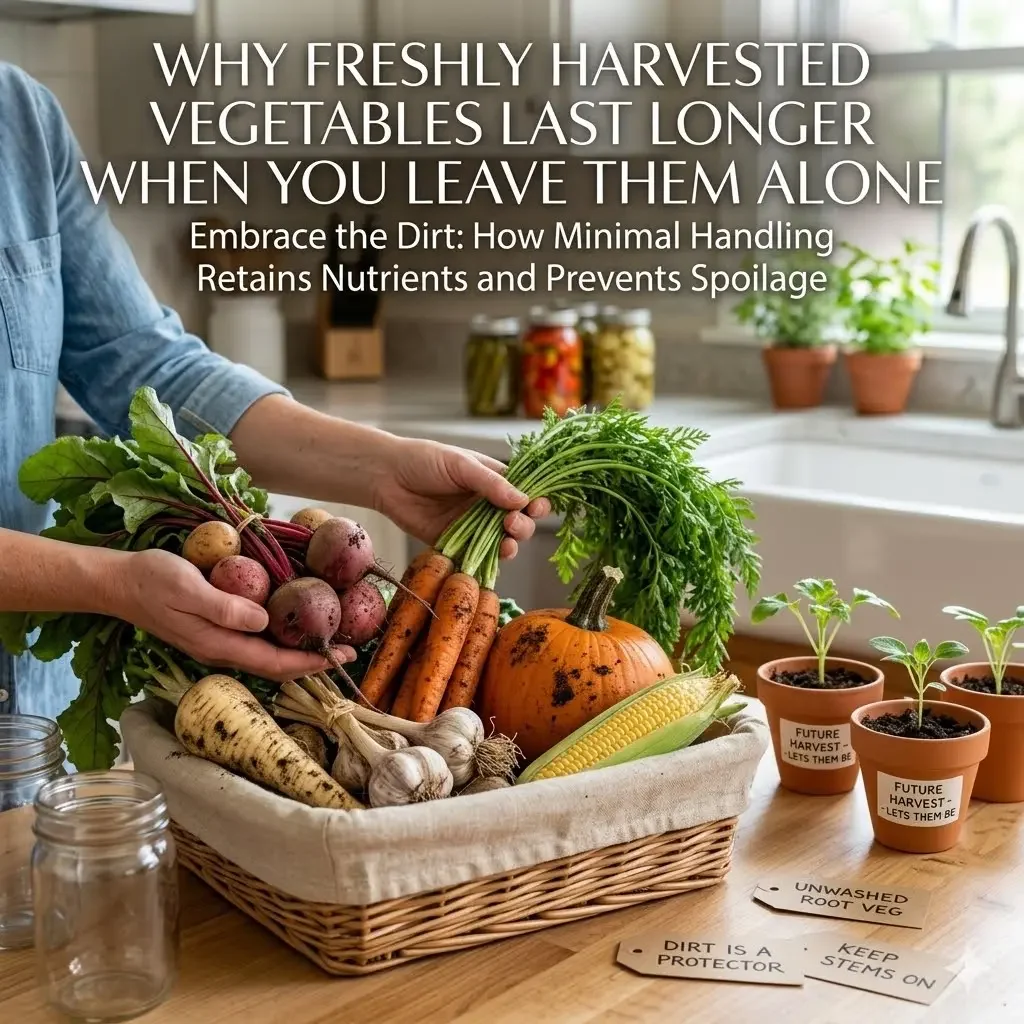
One of the easiest mistakes to make after a good harvest is also one of the most natural. You pull vegetables from the garden, bring them inside, and instinctively want to wash everything clean right away.
That rinse feels productive. It feels sanitary. It feels like the right next step.
For storage, it is often the wrong one.
Freshly harvested vegetables usually keep longer when they go into storage unwashed. The reason is simple. Surface moisture is one of the fastest ways to invite spoilage. Mold, bacteria, and rot organisms do not need much. A damp surface, a small nick in the skin, and a little time are often enough.
Garden produce already comes with its own protection. Some crops have a waxy coating. Some have papery outer layers. Some rely on dry skins, cured surfaces, or a natural bloom that helps defend against moisture loss and decay. Washing too early can strip away that protection and replace it with the one thing storage does not need, extra water.
The better rule is this. Clean vegetables when you are ready to cook them, not when you are putting them away.
Why Unwashed Produce Often Stores Better
The dirt itself is usually not the advantage. The advantage is that the crop stays dry and undisturbed.
When vegetables come straight from the garden, they still carry the protective barrier they developed outdoors. Once you wash them, several things can happen at once. Moisture settles into tiny cracks, stem scars, and creases. Delicate skins get rubbed or scratched. Outer layers soften. Natural coatings are reduced or removed.
That combination shortens storage life fast.
A dry harvest, stored properly, usually outlasts a clean wet one.
Root Crops Are Some of the Best Examples
Carrots
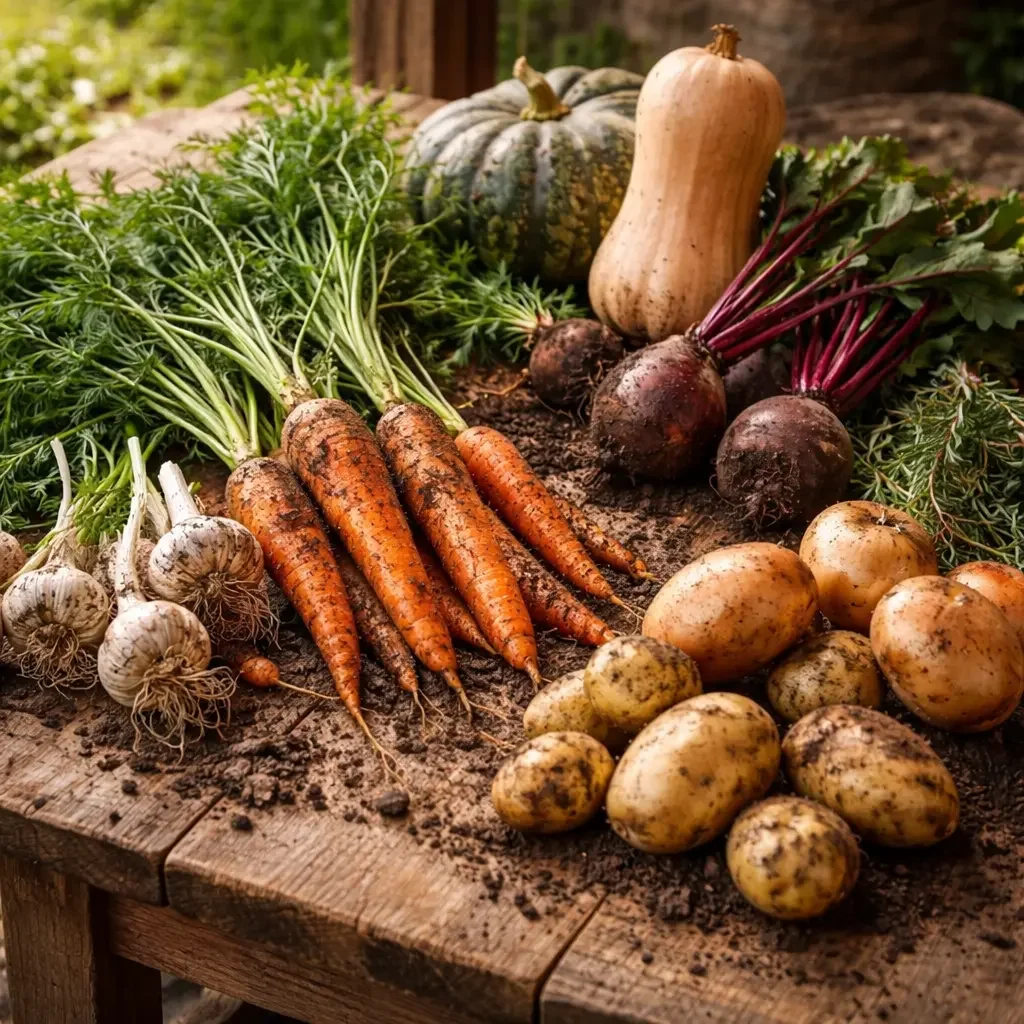
Carrots store best when they are kept cool, slightly humid, and unwashed. A little soil left on the roots is far less harmful than a rinse that leaves surface moisture behind. Once carrots are washed, they tend to lose firmness faster and can develop that pale, dry-looking surface that shows up when they begin to dehydrate.
The first thing to do after harvest is remove the tops. Leaving greens attached pulls moisture out of the root. After that, store the carrots dirty and dry until you are ready to use them.
Beets
Beets behave much like carrots. Their skins are thin, and rough handling during washing can create tiny damage points that speed up water loss and invite spoilage. Trim the tops, leave a short stem, and store them without washing.
When beets are kept cool and left alone, they hold much longer than beets that are scrubbed clean on day one.
Turnips and Rutabagas
These roots also store better with their natural outer coating intact. Washing removes that barrier and speeds up drying. Once that happens, the roots soften sooner and lose quality faster than most gardeners expect.
If they are going into cold storage, keep them unwashed, trim the tops, and let the cleaning wait until kitchen time.
Potatoes Should Stay Dry From the Start
Potatoes are one of the worst crops to wash before storage.
After harvest, potatoes need their outer surface to stay dry so the skin can remain protective. If moisture gets involved too soon, the risk of rot goes up, especially in enclosed storage where one bad potato can affect the whole batch.
Instead of washing, brush off loose soil gently. Keep them in darkness, with good airflow, and at a cool storage temperature. Clean them later, right before cooking.
For potatoes, dry handling is almost always better handling.
Onion-Family Crops Already Come Wrapped for Storage
Garlic
Garlic does not need a rinse. Its papery wrapper exists for a reason. Those dry outer layers help protect the cloves inside from excess moisture and contamination. Water slipping between those layers can create ideal conditions for mold.
If the bulb is dirty, brush off the loose soil. If needed, remove only the outermost dirty layer. That is usually enough.
Onions and Shallots
The same logic applies here. Once cured, onions and shallots depend on those dry skins to stay stable in storage. Washing reintroduces moisture and can undo some of the benefit that curing gave you in the first place.
A dry onion stores. A damp onion spoils.
Winter Squash Lasts Longer When the Rind Stays Dry
Winter squash is built for storage, but only when the rind stays sound and dry.
Water sitting around the stem area or in small cracks can trigger mold and internal breakdown. That is why freshly harvested squash is usually better wiped off with a dry cloth rather than washed. The goal is to preserve the cured outer shell, not polish it.
If you need to clean one, wait until it is heading to the kitchen.
Herbs Are Another Place People Shorten Shelf Life Without Realizing It
Woody herbs like rosemary, thyme, sage, and oregano often last longer in the refrigerator when they go in dry.
If you wash them first and then store them, moisture gets trapped around the leaves and stems. That trapped moisture is what turns herbs dark, limp, and moldy much sooner than expected.
A better approach is to store them unwashed, wrapped loosely in dry paper towel, and rinse only the portion you are about to use.
Even Eggs Follow the Same Principle
For people with backyard chickens, eggs are another good reminder that natural protective layers matter.
Fresh eggs have a coating called the bloom, which helps seal the shell. Once that coating is washed off, the egg becomes more vulnerable and needs refrigeration right away.
That is why freshly laid unwashed eggs behave differently from commercially washed store eggs. One still has its natural barrier. The other does not.
Different product, same lesson. Protection matters more than appearance.
Clean-Looking Is Not the Same as Storage-Ready
This is where many gardeners get tripped up.
Store produce has already been handled for sale. Garden produce has not. That means your harvest still has something the grocery store version often lost a long time ago, its natural storage protection.
Homegrown food often has an advantage before it ever enters the kitchen. Washing it too early throws away part of that advantage.
What looks messy can actually be helping.
The Better Habit After Harvest
Instead of washing everything right away, think in two stages.
First, prepare it for storage. Trim tops where needed. Brush off loose soil. Let curing crops stay dry. Store in the right temperature and humidity.
Then, clean it right before use. Rinse, scrub, peel, and prep for cooking.
That small shift can mean the difference between vegetables lasting weeks and vegetables lasting months.
Final Thought
A harvest can take months to grow and only a few careless minutes to shorten.
The instinct to wash everything immediately makes sense, but storage is not about making produce look clean. It is about keeping it stable, dry, and protected for as long as possible.
In most cases, the best thing you can do for freshly harvested vegetables is surprisingly simple.
Do less.
Let the dirt stay. Let the skins stay dry. Let the plant keep the protection it made for itself.
Then wash it when dinner starts, not before.