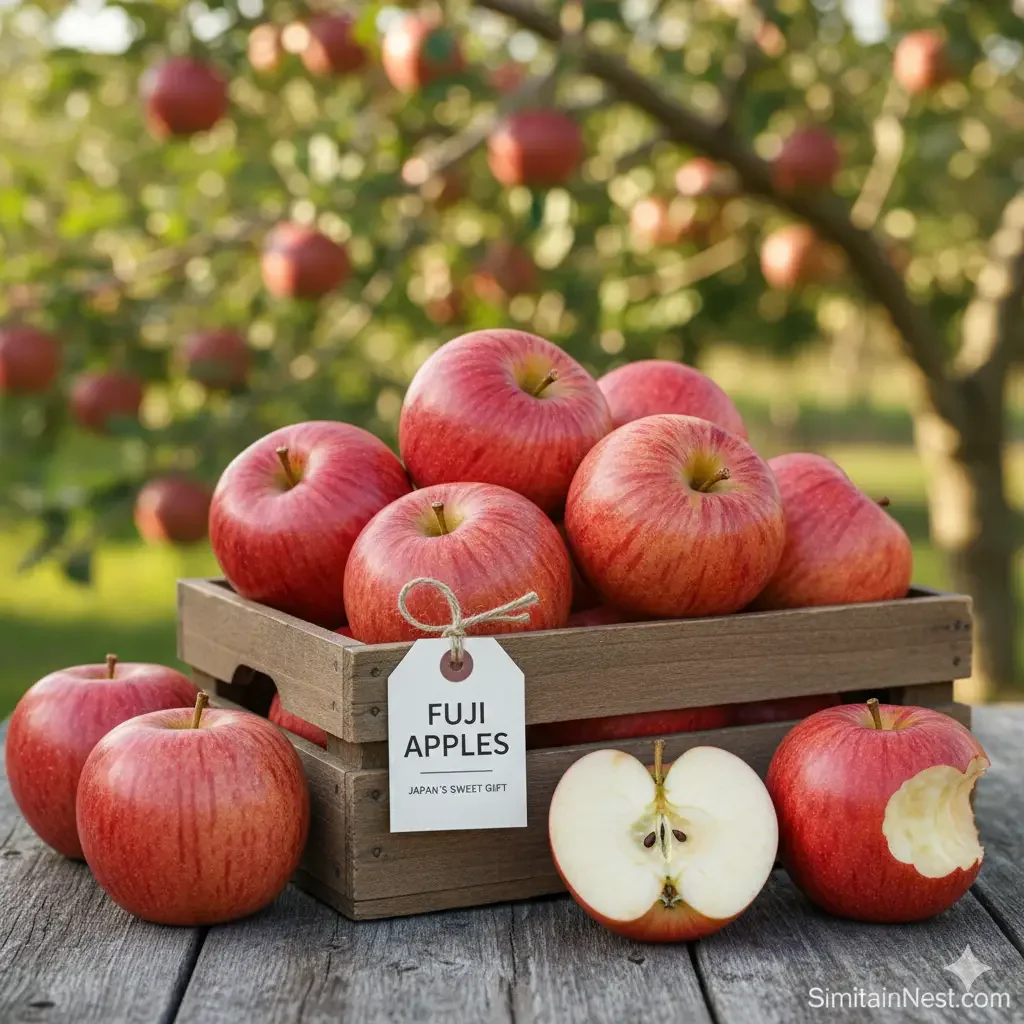
The Fuji Apple: Japan's Sweet Gift to the World
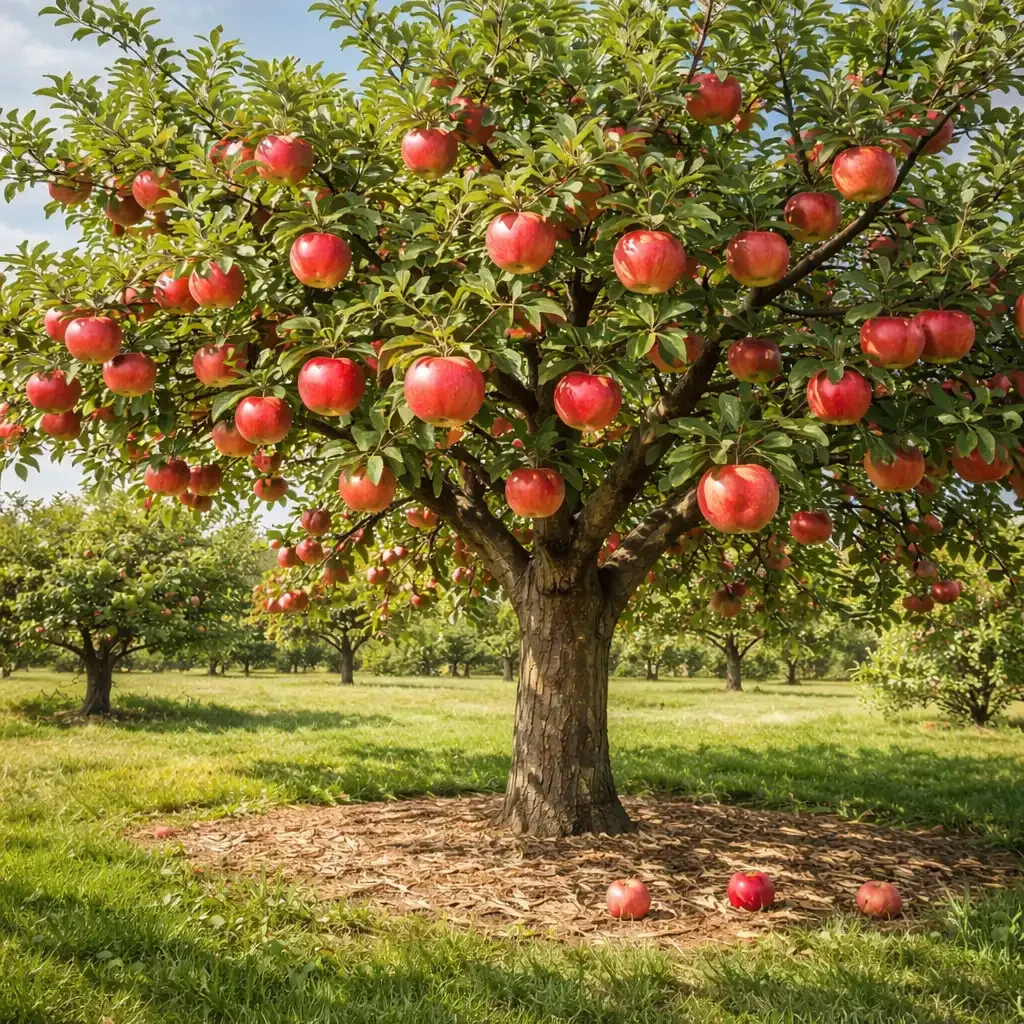
Discover the crisp, sweet favorite that's one of the world's most popular apples
A Japanese Innovation from American Roots
If you've ever bitten into a crisp, incredibly sweet apple that tastes like fresh-pressed apple juice, you've likely enjoyed a Fuji apple. Named after Fujisaki, Japan, where it was developed in the late 1930s, the Fuji apple has become one of the most beloved apple varieties worldwide.
What makes this story even more interesting? The Fuji was created by crossing two American apple varieties-Red Delicious and Ralls Janet-at the Tohoku Research Station in Japan. Introduced to the market in 1962, this Japanese-bred apple with American heritage has taken the world by storm.
Growing Timeline: From Planting to Harvest
Thinking about growing your own Fuji apple tree? Here's what to expect:
🍎 Time to First Fruit
· From grafted nursery tree: 3-5 years to first fruit production
· From dwarf rootstock: 2-4 years (faster!)
· From seed: 6-10 years or more (not recommended for fruit production)
Note: Trees grown from seed won't produce the same quality fruit as the parent tree. Always buy grafted trees from nurseries for best results!
🌳 Tree Growth & Maturity
· Vegetative growth stage: 1-3 years (establishing roots and branches)
· Full maturity: 3-5 years after planting
· Growth rate: Moderate (12-24 inches per year once established)
· Peak production: Typically begins around year 5-8
⏳ Tree Lifespan
Expected productive lifespan: 20-40+ years with proper care
Commercial orchards: Trees often replaced after 15-25 years for maximum productivity
Home gardens: Can live 50+ years with excellent care and produce fruit for decades
📏 Mature Tree Size
· Standard rootstock: 20-25 feet tall and wide
· Semi-dwarf rootstock: 12-16 feet tall and wide (most common)
· Dwarf rootstock: 8-10 feet tall and wide (perfect for small yards)
🍏 Annual Production
· Mature tree yield: 100-200+ apples per year
· Bearing pattern: Biennial (large crop one year, smaller crop the next)
· Growing season needed: At least 160 days for proper ripening
· Harvest time: Mid to late October (late-season variety)
Growing Requirements
· Climate zones: USDA Zones 4-9
· Chill hours needed: 350-400 hours below 45°F
· Sunlight: Full sun (minimum 6-8 hours daily)
· Soil: Well-drained, slightly acidic (pH 6.0-6.5), loamy soil
· Water: 12-15 gallons per week during growing season (May-September)
· Pollination: Requires cross-pollination with another apple variety (Gala, Granny Smith, Red Delicious, Golden Delicious, or Honeycrisp)
· Spacing: 12-16 feet apart for semi-dwarf trees
What Does a Fuji Apple Look Like?
Fuji apples are easy to spot at the grocery store:
· Medium to large size (6-8 cm in diameter)
· Round to slightly oval shape, sometimes a bit lopsided
· Yellow-green base covered with red-pink blush and vertical striping
· Smooth, waxy skin with some color variation between fruits
· Dense, creamy-white to pale ivory flesh
· Fine-grained, crisp, and very juicy texture
The Flavor Profile: Why People Love Fujis
Fuji apples are consistently rated as one of the sweetest apple varieties available. Here's what sets them apart:
Exceptionally Sweet: With sugar levels (Brix) of 15-18, Fujis are sweeter than most other apples.
Low Acidity: Their mild, balanced sweet-tart profile makes them perfect for those who don't like sour apples.
Complex Notes: You'll taste hints of honey and citrus with every bite.
Crispy & Juicy: The texture is incredibly crisp and succulent, resembling the taste of freshly-pressed apple juice.
Nutritional Benefits
A medium Fuji apple (about 200g) contains:
· Calories: 80-120 (low in calories!)
· Dietary Fiber: 4g (promotes digestive health)
· Vitamin C: 8% of daily value (immune system support)
· Natural Sugars: 19g (provides quick energy)
· Antioxidants: Including quercetin and polyphenols
· Zero fat, sodium, and cholesterol
Fuji apples are a heart-healthy snack that supports immune function, digestive health, and provides protection against oxidative stress.
How to Enjoy Fuji Apples
The versatility of Fuji apples makes them perfect for:
Fresh Eating
· Best enjoyed raw as a snack-their sweetness and crunch are unbeatable!
· Slice them for lunchboxes or serve with cheese and crackers
Salads
· Add crispy slices to green salads or Waldorf salad
· Great in chicken or tuna salad for a sweet crunch
Baking
· Perfect for pies, crisps, and tarts
· Makes excellent applesauce with a naturally sweet flavor
· Great in muffins and cakes
Cooking
· Pairs well with pork chops and roasted chicken
· Complements herbs like rosemary, thyme, and sage
· Works with bacon, pancetta, and other savory meats
Storage Tips
One of the best features of Fuji apples is their exceptional storage capability:
· Room temperature: Keep for several weeks
· Refrigerator: Store 4-6 months (up to 1 year with proper refrigeration)
· Best practice: Keep in a plastic bag with holes to maintain humidity
· Fun fact: They don't require refrigeration but will last longer if chilled
Global Popularity
The Fuji apple has become a worldwide phenomenon:
Japan: Remains the unrivaled best-seller, with Aomori Prefecture producing 500,000 tons annually.
China: Accounts for nearly 70% of China's 43 million tons of apples grown (as of 2016-2017).
United States: Ranked 5th most popular variety. Primarily grown in Washington State, Michigan, New York, Pennsylvania, and Oregon.
Canada: One of the top varieties alongside Ambrosia, Gala, and Honeycrisp.
Fuji Apple Varieties
Not all Fuji apples are the same! There are interesting variations:
Sun-Fuji: Allowed to receive direct sunlight while growing, increasing sugar content for extra sweetness.
Moon-Fuji: Bagged and protected from the sun until harvest, resulting in a different flavor profile.
Golden Fuji (Butter Fuji): Same variety as red Fuji but with golden-yellow skin due to sun protection during ripening.
Early Fuji: Ripens 5-6 weeks earlier than standard Fuji but maintains similar characteristics.
Fun Facts About Fuji Apples
1. Named after Fujisaki, not Mount Fuji!
2. The PLU code for Fuji apples in the US and Canada is 4131
3. A mature Fuji tree can produce 100-200 apples per year
4. Some Fuji apples develop "watercore"-a translucent appearance prized in Japan for enhanced sweetness
5. They're biennial bearers: large crop one year, smaller crop the next
6. With proper care, a Fuji apple tree can live and produce fruit for 50+ years
Why Choose Fuji?
Whether you're looking for a healthy snack, a versatile cooking apple, the sweetest apple variety, or want to plant your own backyard orchard, Fuji apples deliver on all fronts. Their incredible crunch, honey-sweet flavor, long shelf life, and relatively quick fruit production (3-5 years) make them a year-round favorite for families worldwide.
A single Fuji apple tree can provide your family with hundreds of delicious apples for decades to come. Plant one today, and in just a few years, you'll be enjoying your own homegrown sweet, crispy apples!
---
SimitianNest.com | Your Complete Guide to Tree Families