
Zucchini: Aristocrat
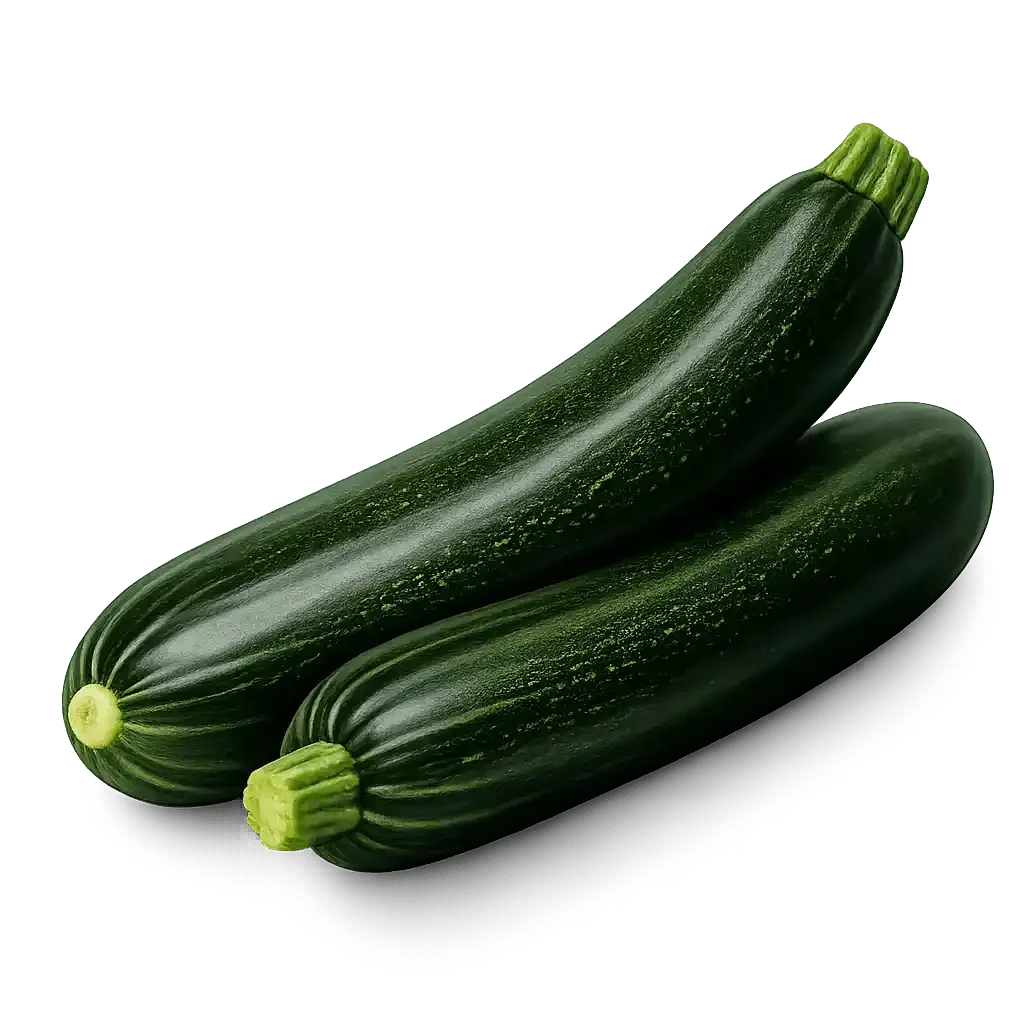
The Award-Winning Hybrid That Raised the Bar for Backyard Zucchini
A Complete Seed-to-Table Guide
Quick Reference
Botanical Name: Cucurbita pepo var. cylindrica
Type: Summer Squash (Zucchini), F1 Hybrid
Growth Habit: Upright open bush, 24 inches tall with a 3-foot spread
Also Known As: Commander Zucchini (current trade name)
Origin: Introduced in the United States in 1973; 1973 All-America Selections winner
Plant In: Late spring to early summer, after all danger of frost has passed
Soil Temperature: 65 to 95 degrees F (18 to 35 degrees C) for best germination
Seed Depth: 1 inch (2.5 cm)
Plant Spacing: 18 to 36 inches (45 to 90 cm) apart
Row Spacing: 3 to 6 feet (1 to 1.8 m)
Sunlight: Full sun (6 to 8 hours daily)
Watering: 1 to 2 inches per week, deep and consistent
Days to Germinate: 5 to 10 days
Days to Harvest: 48 to 53 days from direct sowing
Harvest Size: 6 to 8 inches (15 to 20 cm) for peak quality
Storage (Fresh): Up to 1 to 2 weeks in the refrigerator
Container Friendly: Yes, with a minimum 5-gallon container (10 gallons preferred)
USDA Zones: 3 to 11 (grown as a warm-season annual)
Frost Tolerant: No. Aristocrat is frost-sensitive and requires warm conditions
Introduction
In the world of zucchini, the Aristocrat variety occupies a special place. Introduced in 1973 and immediately awarded the prestigious All-America Selections designation, Aristocrat was one of the first F1 hybrid zucchini to prove that modern plant breeding could take an already productive vegetable and make it even better. Its glossy, dark green fruits are remarkably uniform in shape and color, and its upright, open bush habit makes harvesting a breeze. For over five decades, Aristocrat has remained a top choice for home gardeners and market growers alike.
Whether you are looking for a dependable workhorse that produces straight, beautiful fruit all summer long or a compact plant that fits neatly into a raised bed or container, Aristocrat delivers. This complete seed-to-table guide covers everything you need to know to grow, harvest, store, and enjoy this outstanding hybrid zucchini.
Why Grow Aristocrat Zucchini?
Hybrid Vigor and Consistency
As an F1 hybrid, Aristocrat benefits from what plant breeders call hybrid vigor. This means the plants tend to be more vigorous, more uniform, and more productive than open-pollinated varieties. Every fruit you pick will look nearly identical: straight, cylindrical, and consistently dark green with a smooth, waxy sheen. If you have ever been frustrated by misshapen or uneven zucchini, Aristocrat is the cure. This consistency also makes it a favorite among gardeners who sell at farmers markets, where visual appeal matters.
Stunning Appearance
Aristocrat produces medium to dark green fruits with an attractive glossy, almost waxy finish that catches the light beautifully. The fruits are straight, smooth, and uniformly cylindrical, tapering slightly at the blossom end. Inside, the flesh is creamy white, firm, and finely textured. The plant itself is handsome, too, with an open, upright architecture that shows off its fruit rather than hiding them under a dense canopy of leaves.
Exceptional Flavor
Aristocrat has a clean, mild zucchini flavor with a succulent, tender texture when harvested at 6 to 8 inches. The flesh absorbs marinades and seasonings beautifully, making it equally at home on the grill, in a stir-fry, or sliced raw into a salad. Its waxy skin has a pleasant snap when bitten into fresh, and it holds its shape well during cooking without becoming mushy.
Speed and Productivity
With a maturity of just 48 to 53 days from direct sowing, Aristocrat is one of the faster zucchini varieties to reach harvest. Once production begins, the plants are prolific, generating heavy yields of fruit throughout the summer. The upright, open bush habit means fewer fruits are hidden under leaves, so you are less likely to discover surprise baseball-bat-sized squash that were overlooked during picking.
Easy Harvesting
One of Aristocrat's most practical qualities is its open, upright growth habit. Unlike denser bush varieties where fruit hides beneath a tangled canopy, Aristocrat's architecture exposes the developing fruit, making it quick and easy to spot, reach, and cut. This matters more than most gardeners realize, especially during peak summer production when you may need to harvest every other day.
Nutritional Benefits
Aristocrat shares the excellent nutritional profile common to all zucchini. A one-cup serving of raw zucchini provides just about 20 calories while delivering vitamins A and C, potassium, manganese, folate, and B6. Zucchini is approximately 94 percent water, making it a hydrating and refreshing food during the hottest months of summer. The skin contains significant levels of antioxidants, including lutein, zeaxanthin, and beta-carotene, which support eye health and immune function. Its fiber content supports healthy digestion, and its low carbohydrate count makes it a popular substitute for pasta in low-carb diets.
A Proven Award Winner
The All-America Selections award is not given lightly. Varieties must outperform established standards in trials conducted across the country. Aristocrat earned this distinction in 1973, proving its superiority in yield, uniformity, and garden performance. The variety has since been marketed under the trade name Commander by some seed companies, but it remains the same award-winning hybrid that gardeners have trusted for more than 50 years.
When to Plant
Temperature Requirements
Aristocrat is a warm-season crop that requires soil temperatures of at least 65 degrees F for germination, with an ideal range of 70 to 95 degrees F. The sweet spot for fastest germination is around 85 degrees F. Air temperatures between 70 and 90 degrees F produce the strongest growth and heaviest fruit set. Do not plant until the soil is thoroughly warm, as cold, damp conditions will cause seeds to rot before they can sprout.
Starting Indoors
For an earlier harvest, start seeds indoors 3 to 4 weeks before the last expected frost date. Sow in individual pots or biodegradable cells to minimize root disturbance at transplanting. Maintain soil temperatures of 70 to 85 degrees F and provide strong light from a south-facing window or grow lights. Harden off seedlings for about a week before moving them to the garden, gradually increasing their exposure to outdoor temperatures and sunlight.
Direct Sowing and Succession Planting
Direct sowing after the last frost is the preferred method for most gardeners because zucchini grows so rapidly from seed. Plant seeds 1 inch deep in warm, well-prepared soil. For a continuous supply of tender young zucchini, succession plant every 2 to 3 weeks from late spring through midsummer. A midsummer planting (late June to early July) can also help avoid peak squash vine borer activity in areas east of the Rocky Mountains.
How to Plant and Seed Spacing
Seed Depth and Spacing
Sow Aristocrat seeds 1 inch deep, spacing plants 18 to 36 inches apart in rows 3 to 6 feet apart. The wider spacing is recommended for garden beds where you want maximum air circulation, while the closer spacing works well in raised beds or intensive plantings. If sowing in hills, plant 3 to 4 seeds per mound and thin to the strongest 1 to 2 seedlings once true leaves appear.
Soil Requirements
Aristocrat thrives in rich, well-drained soil with a pH of 6.0 to 6.8. Zucchini are heavy feeders, so work generous amounts of aged compost, well-rotted manure, or a balanced organic fertilizer into the planting area before sowing. Sandy loam is ideal for earlier crops because it warms up faster in spring, but any well-drained soil enriched with organic matter will produce excellent results.
Sunlight and Watering at Planting
Choose a location that receives at least 6 to 8 hours of direct sunlight each day. Water seeds thoroughly at planting and keep the soil evenly moist until germination. Once seedlings are established, transition to deeper, less frequent watering to encourage strong root development. Drip irrigation or soaker hoses are the best options for keeping foliage dry.
Container Growing
Aristocrat's compact, upright bush habit makes it well suited for container growing. Use a pot of at least 5 gallons, though 10 gallons or larger will produce better results. Fill with a high-quality potting mix enriched with compost. Containers dry out quickly in summer heat, so plan on daily watering and consider self-watering pots or saucers to maintain consistent moisture. A layer of mulch on the soil surface helps reduce evaporation.
Companion Planting
Good companions for Aristocrat include nasturtiums and marigolds (which deter squash bugs and attract pollinators), beans and peas (which fix nitrogen), corn and sunflowers (which provide windbreaks and attract beneficial insects), radishes (which repel squash vine borers), and aromatic herbs like dill, basil, oregano, and thyme. Borage and sweet alyssum are also excellent for attracting bees. Avoid planting near potatoes (heavy feeders that compete for nutrients and may spread blight), fennel (which releases compounds that inhibit nearby plant growth), and other cucurbits like pumpkins, melons, and cucumbers (which share pests and diseases).
How to Grow and Care
Watering
Provide Aristocrat with 1 to 2 inches of water per week, delivered at the base of the plant. Avoid overhead watering, which wets the foliage and encourages powdery mildew. Consistent, deep watering prevents blossom end rot and produces the most tender, flavorful fruit. Water in the morning to allow any splash on leaves to dry before evening.
Fertilizing
Apply a balanced fertilizer or a generous side dressing of compost when plants begin to flower. Once fruit production is underway, switch to a fertilizer higher in phosphorus and potassium to encourage continued fruiting rather than excessive leaf growth. Feed every 3 to 4 weeks throughout the growing season. Be cautious with nitrogen-heavy fertilizers, which can promote lush foliage at the expense of fruit.
Mulching and Weeding
Spread 2 to 3 inches of organic mulch (straw, shredded leaves, or wood chips) around the base of plants. Mulch conserves soil moisture, regulates temperature, and suppresses weeds. Keep it a few inches from the stem to avoid moisture-related rot. Weed carefully while plants are young. Once Aristocrat's broad leaves fill in, they will shade out most competing weeds on their own.
Pollination
Like all zucchini, Aristocrat produces separate male and female flowers. Male flowers appear first, often a week or more before female flowers, so do not worry if early blossoms drop without setting fruit. Bees are the primary pollinators. If pollinator activity is low, hand-pollinate by using a small brush or by removing a male flower and dabbing its pollen directly onto the stigma of a female flower. Growing at least two or three plants improves pollination since male and female flowers on the same plant do not always open at the same time.
Pest and Disease Management
The most common pests are squash bugs, squash vine borers, cucumber beetles, and aphids. Floating row covers placed over young plants provide excellent early-season protection (remove them once flowering begins). Inspect plants regularly, especially the undersides of leaves and the base of stems. Handpick squash bugs and destroy their bronze egg clusters. Powdery mildew is the primary disease concern for zucchini. Promote good air circulation with proper spacing, avoid overhead watering, and remove affected leaves promptly. Neem oil or a baking soda solution can help manage mild outbreaks. Aristocrat's open plant architecture naturally promotes better airflow compared to denser bush varieties, which gives it a slight edge against fungal diseases.
Growth Timeline
Days 1 to 10 (Germination): Seeds absorb moisture, crack open, and send a shoot upward. Keep soil consistently moist and warm. Seedlings typically emerge within 5 to 10 days, and often faster in soil temperatures above 80 degrees F.
Days 10 to 20 (Seedling Stage): The first true leaves unfurl. Growth accelerates rapidly in warm conditions. Keep the area weed-free and water gently at the base of each plant.
Days 20 to 35 (Vegetative Growth): The plant develops its distinctive upright, open bush form. Thick stems support large, deeply lobed leaves. Apply mulch and begin a regular fertilizing schedule during this stage.
Days 35 to 45 (Flowering): Male flowers appear first on long, slender stems. Female flowers, recognizable by the tiny bulge at their base, follow within days. Ensure pollinators have access to the blooms.
Days 48 to 53 (Fruit Development and Harvest): Pollinated female flowers develop rapidly into straight, glossy dark green fruits. Growth can be remarkably fast, often an inch or more per day. Begin harvesting when fruits reach 6 to 8 inches.
How to Know It Is Ready
Aristocrat is ready to pick when the fruit is 6 to 8 inches long with a glossy, dark green, waxy skin. The skin should be firm but still tender enough to dent slightly with a thumbnail. At this size, the seeds inside are small and soft and the flesh is at peak tenderness. The distinctive waxy sheen on the skin is a reliable visual cue that the fruit is at its prime.
Keep Picking
Harvest every 1 to 2 days during peak production. Leaving oversized fruit on the plant signals it to slow or stop producing new fruit. Aristocrat's open growth habit makes it easy to spot every developing fruit, so you are less likely to miss one hiding under the foliage. Regular picking is the single most effective strategy for maximizing your total season-long yield.
Harvesting
How to Harvest
Use a sharp knife or pruning shears to cut the fruit from the plant, leaving about 1 inch of stem attached. Never twist or pull the fruit, as this can damage the crown of the plant and create entry points for disease. Harvest in the cool of the morning for the firmest, crispest fruit. Aristocrat's open habit means you can see and reach fruit easily, making harvesting faster and more pleasant than with denser varieties.
Harvesting Blossoms
Aristocrat produces large, golden male blossoms that are perfect for cooking. Pick them in the early morning when they are fully open. Male flowers sit on long, thin stems and lack the swollen base found on female flowers. You can harvest several male blossoms per plant without affecting fruit production, since only one male flower is needed to pollinate multiple female flowers.
Expected Yield
A well-maintained Aristocrat plant can produce heavy yields of fruit throughout the growing season. Under good conditions, each plant will generate dozens of zucchini, with peak production during the warmest months of summer. Two to three plants are typically more than enough to keep a family of four well supplied, with plenty left over for sharing.
How to Store
Refrigerator Storage
Store unwashed, uncut Aristocrat zucchini in a perforated plastic bag or wrapped loosely in a paper towel inside the refrigerator crisper drawer. Whole zucchini will keep for 1 to 2 weeks when stored this way. Once cut, use within 2 to 4 days. Avoid washing until you are ready to use the fruit, as excess moisture speeds up spoilage.
Freezing
Wash, slice or shred, and blanch Aristocrat zucchini for 1 to 2 minutes in boiling water, then immediately plunge into ice water. Drain thoroughly, pack into freezer-safe bags or containers, and freeze for up to 10 to 12 months. Frozen shredded zucchini is ideal for adding directly to batters for bread, muffins, and pancakes without thawing first.
Pickling and Dehydrating
Aristocrat's firm flesh and waxy skin make it a great candidate for refrigerator pickles. Slice thinly, pack into jars with a vinegar brine, garlic, dill, and mustard seed, and refrigerate for at least 24 hours before eating. For dehydrating, slice into thin rounds and dry at 125 degrees F for 8 to 12 hours until crisp. Dehydrated zucchini chips are a healthy, portable snack and can also be ground into powder for adding to soups and sauces.
Signs of Spoilage
Discard zucchini that has become soft, mushy, or wrinkled, or that shows slimy patches, visible mold, or an off odor. If raw zucchini tastes intensely bitter, do not eat it. Bitterness may indicate elevated levels of cucurbitacin, a naturally occurring compound that can cause gastrointestinal distress.
Quick Recipe Ideas
1. Aristocrat Zucchini Ribbons with Lemon and Parmesan: Use a vegetable peeler to shave long ribbons from the fruit. Toss with extra-virgin olive oil, fresh lemon juice, shaved parmesan, cracked pepper, and a handful of toasted pine nuts.
2. Grilled Zucchini with Herb Butter: Slice into thick planks, brush with garlic-herb compound butter, and grill over medium-high heat until charred and tender. Finish with a sprinkle of flaky salt.
3. Crispy Zucchini Fritters: Grate Aristocrat zucchini, squeeze out excess moisture, and mix with egg, flour, scallions, and crumbled feta. Pan-fry in olive oil until golden on both sides. Serve with a cool yogurt-dill dipping sauce.
4. Stuffed Aristocrat Boats: Halve lengthwise, scoop out the center, and fill with a mixture of Italian sausage, sun-dried tomatoes, breadcrumbs, and mozzarella. Bake at 375 degrees F until the filling is bubbly and the shell is tender.
5. Zucchini and Corn Summer Saute: Dice Aristocrat zucchini and combine in a hot skillet with fresh corn kernels, diced red pepper, a touch of cumin, and a squeeze of lime for a vibrant, quick summer side dish.
Bonus Tip: Aristocrat's golden male blossoms are a culinary treasure. Stuff them with a blend of herbed goat cheese and a touch of honey, dip in a light beer batter, and fry until golden and crisp. They make a showstopping appetizer that celebrates every part of the plant.
Final Thoughts
Aristocrat earned its All-America Selections award more than half a century ago, and it continues to prove worthy of that distinction every growing season. Its combination of hybrid vigor, uniform fruit, upright open habit, and fast maturity make it one of the most practical and rewarding zucchini varieties available. Whether you are a first-time gardener planting a single container on a sunny balcony or a seasoned grower managing a full-scale kitchen garden, Aristocrat will deliver a generous, beautiful, and delicious harvest from early summer right through to the first frost. Give it warm soil, consistent water, and plenty of sunshine, and this classic hybrid will not let you down.
Have you grown Aristocrat zucchini? Share your tips, favorite recipes, and harvest photos in the comments below!
Happy Growing!