
Zucchini: Black Beauty
The Iconic Dark-Skinned Heirloom That Defined American Zucchini
A Complete Seed-to-Table Guide
Quick Reference
Botanical Name: Cucurbita pepo
Type: Summer Squash (Zucchini)
Growth Habit: Compact bush, semi-upright, 18 to 24 inches tall with 18 to 20 inch spread
Also Known As: Black Beauty Summer Squash, Black Zucchini
Origin: Developed at the Connecticut Agricultural Experiment Station, Storrs, CT (cross of Salerno and Caserta)
Plant In: Late spring to early summer, after all danger of frost has passed
Soil Temperature: 65 to 95 degrees F (18 to 35 degrees C) for best germination
Seed Depth: 1 inch (2.5 cm)
Plant Spacing: 24 to 36 inches (60 to 90 cm) apart
Row Spacing: 3 to 5 feet (1 to 1.5 m)
Sunlight: Full sun (6 to 8 hours daily)
Watering: 1 to 2 inches per week, deep and consistent
Days to Germinate: 5 to 10 days
Days to Harvest: 45 to 65 days from direct sowing
Harvest Size: 6 to 8 inches (15 to 20 cm) for peak tenderness
Storage (Fresh): Up to 1 to 2 weeks in the refrigerator
Container Friendly: Yes, with a minimum 5-gallon container
USDA Zones: 3 to 11 (grown as a warm-season annual)
Frost Tolerant: No. Black Beauty is frost-sensitive and requires warm conditions
Introduction
If there is one zucchini that needs no introduction, it is Black Beauty. This is the variety that shaped what most Americans picture when they hear the word "zucchini": a glossy, deep green, perfectly cylindrical fruit that seems to grow an inch every time you blink. Introduced in 1957 as an All-America Selections winner, Black Beauty was bred at the Connecticut Agricultural Experiment Station from a cross between the heirloom favorites Salerno and Caserta. It quickly became the most popular zucchini in the country, and for good reason.
Nearly seven decades later, Black Beauty remains a garden staple, beloved for its early production, generous yields, and reliable performance in almost any climate. Whether you are planting your very first vegetable garden or tending a well-established plot, this complete seed-to-table guide will help you get the most out of this legendary summer squash.
Why Grow Black Beauty Zucchini?
Classic Good Looks
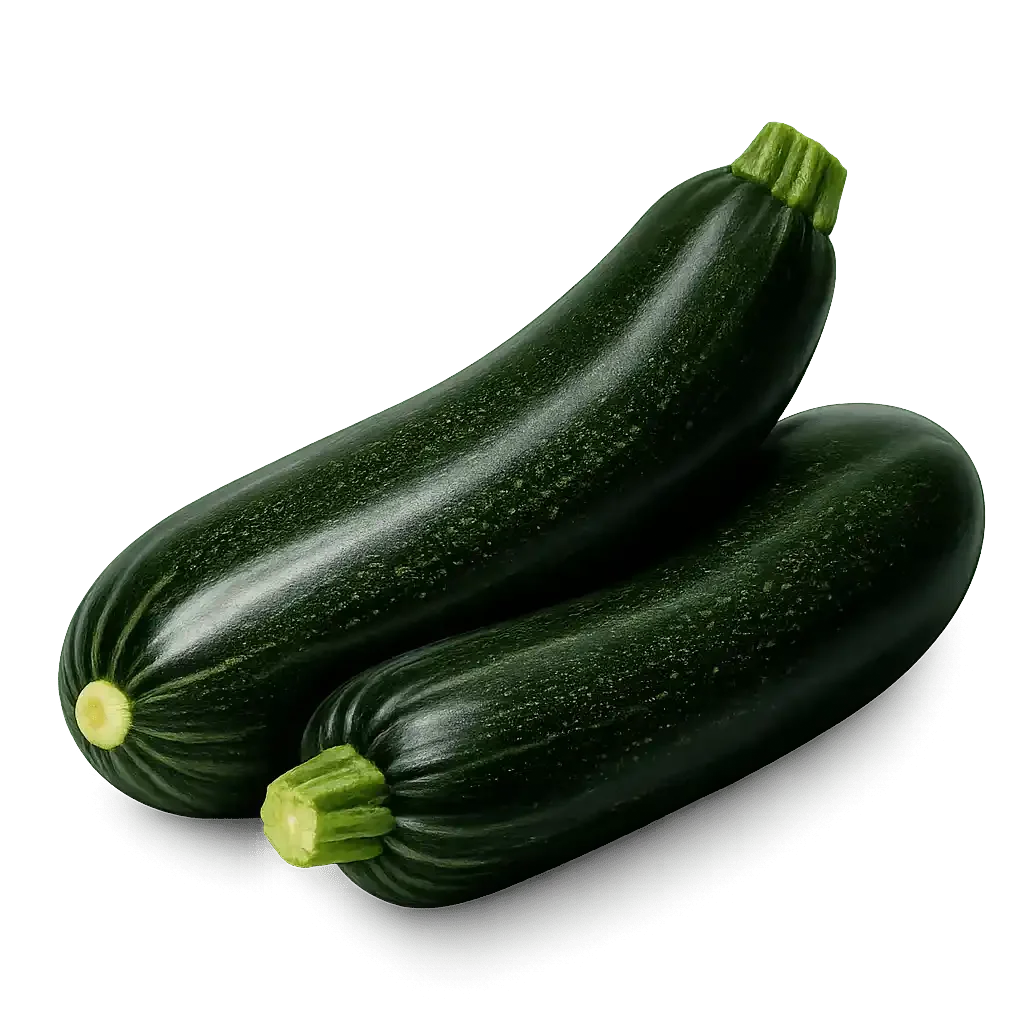
Black Beauty lives up to its name. The fruits are long, straight, and uniformly cylindrical with a stunning deep blackish-green skin that develops a beautiful glossy sheen when the fruit is young and ready to pick. The skin darkens further as the fruit matures, approaching an almost true black. Inside, the flesh is firm, creamy white, and finely textured. It is the kind of vegetable that looks just as good on a cutting board as it does in the garden.
Dependable Flavor
Black Beauty has a mild, clean flavor with a tender texture that absorbs seasonings and sauces beautifully. When harvested young at 6 to 8 inches, the flesh is delicate and slightly sweet, perfect for eating raw or lightly cooked. Even larger fruits maintain surprisingly good flavor and texture, especially when grilled or roasted. Some gardeners who have let Black Beauty grow to full maturity report that the flesh develops a rich, almost buttery quality that is exceptional on the grill.
Exceptional Productivity
Black Beauty is famous for its prolific output. The plants begin producing early, typically within 45 to 50 days of sowing, and continue bearing fruit relentlessly throughout the summer. A single well-maintained plant can yield dozens of fruits over a growing season. During peak production in midsummer, you may need to harvest every other day to keep up. This kind of generosity is part of what makes Black Beauty a favorite among gardeners who share their harvest with neighbors, friends, and local food banks.
Easy to Grow
Black Beauty is one of the most forgiving vegetables in the garden. It thrives in a wide range of soil types, tolerates moderate neglect, and produces reliably even for first-time growers. Its compact bush habit means it takes up less space than vining squash varieties, making it ideal for raised beds, small plots, and urban gardens.
Excellent for Seed Saving
As an open-pollinated heirloom, Black Beauty breeds true to type. Save seeds from your best fruits and you will get the same dependable plants year after year. This makes it a popular choice for seed libraries, community gardens, and gardeners who value self-sufficiency.
Nutritional Benefits
Like all zucchini, Black Beauty is a nutritional standout. One cup of raw zucchini provides just 20 calories while delivering meaningful amounts of vitamins A and C, potassium, manganese, folate, and B6. The dark skin of Black Beauty is especially rich in antioxidants, including lutein, zeaxanthin, and beta-carotene, which support eye health, immune function, and cardiovascular wellness. Its high water content (about 94 percent) makes it an excellent hydrating food, and its fiber supports healthy digestion.
A Living Piece of Garden History
Black Beauty was developed by John Scarchuk at the Connecticut Agricultural Experiment Station in Storrs, Connecticut, from a stabilized cross between the Salerno and Caserta varieties. It won the All-America Selections award in 1957 and rapidly became the benchmark against which all other zucchini are measured. Growing Black Beauty connects you to more than half a century of American gardening tradition and to the Italian immigrants who first brought zucchini culture to the United States.
When to Plant
Temperature Requirements
Black Beauty is a warm-season crop that cannot tolerate frost. Seeds germinate best when soil temperatures are between 70 and 95 degrees F, with the sweet spot around 80 degrees F. Air temperatures between 70 and 90 degrees F support the strongest growth and heaviest fruit set. Do not plant until the soil has thoroughly warmed, as cold, wet soil will cause seeds to rot before they can sprout.
Starting Indoors
For gardeners eager to get a head start, seeds can be sown indoors 3 to 4 weeks before the last expected frost date. Use individual pots or biodegradable cells to minimize root disturbance at transplanting time. Maintain temperatures of 70 to 80 degrees F and provide strong light. Harden off seedlings gradually over about a week before moving them to the garden.
Direct Sowing and Succession Planting
Direct sowing is the preferred method for most gardeners because zucchini grows so quickly from seed. Plant seeds 1 inch deep into warm, prepared soil after the last frost has passed. For an extended harvest, succession plant every 3 to 4 weeks from late spring through midsummer. In areas with long growing seasons, a midsummer planting (late June or early July) can also help you dodge the peak activity period of squash vine borers.
How to Plant and Seed Spacing
Seed Depth and Spacing
Sow Black Beauty seeds 1 inch deep, spacing plants 24 to 36 inches apart in rows 3 to 5 feet apart. If planting in hills, sow 3 to 4 seeds per mound and thin to the 1 or 2 strongest seedlings after the first true leaves appear. Even though Black Beauty has a bush habit, it can spread to 18 to 20 inches wide, so adequate spacing ensures good air circulation and reduces disease pressure.
Soil Requirements
Black Beauty thrives in rich, well-drained soil with a pH of 6.0 to 7.0. Amend your planting area with generous quantities of aged compost or well-rotted manure before planting. Zucchini are heavy feeders, so the richer the soil, the more productive your plants will be. Good drainage is critical because standing water promotes root rot and fungal diseases.
Sunlight and Watering at Planting
Select a site that receives at least 6 to 8 hours of direct sunlight daily. Water seeds in thoroughly at planting and keep the soil evenly moist until germination occurs. Once seedlings are established, shift to deeper, less frequent watering to encourage roots to grow down into the soil.
Container Growing
Black Beauty is an excellent choice for container gardening. Its compact bush form fits well in a container of at least 5 gallons, though a 10-gallon or larger pot will produce even better results. Fill with high-quality potting mix enriched with compost. Containers dry out quickly, especially in summer heat, so plan on daily watering and consider placing a saucer beneath the pot to help retain moisture.
Companion Planting
Good companions for Black Beauty include nasturtiums (which deter squash bugs and attract pollinators), beans and peas (which fix nitrogen in the soil), corn and sunflowers (which provide windbreaks and attract beneficial insects), radishes (which repel squash vine borers), and aromatic herbs like dill, basil, oregano, and thyme. Marigolds, borage, and sweet alyssum are also excellent flower companions that attract bees and predatory insects. Avoid planting near potatoes (which compete for nutrients), fennel (which inhibits growth of nearby plants), and other cucurbits like pumpkins, melons, and cucumbers (which share pests and can cause cross-pollination issues).
How to Grow and Care
Watering
Provide 1 to 2 inches of water per week, applied at the base of the plant. Avoid overhead watering, which wets the foliage and promotes powdery mildew. Consistent moisture is essential for preventing blossom end rot and producing tender, flavorful fruit. Drip irrigation or soaker hoses are ideal. Water in the morning to allow any incidental splash on leaves to dry before evening.
Fertilizing
Apply a balanced fertilizer (such as 10-10-10) or a generous side dressing of compost when plants begin flowering. Once fruit set begins, switch to a fertilizer with higher phosphorus and potassium to encourage continued production rather than excessive leaf growth. A light feeding every 3 to 4 weeks will keep Black Beauty productive all season long.
Mulching and Weeding
Spread 2 to 3 inches of organic mulch (straw, shredded leaves, or wood chips) around the base of plants to conserve soil moisture, moderate temperature, and suppress weeds. Keep mulch a few inches from the stem to prevent moisture-related rot. Weed diligently while plants are young. Once the canopy of large leaves fills in, it will naturally shade out most competing weeds.
Pollination
Black Beauty produces separate male and female flowers on the same plant. Male flowers typically appear first, often a week or more before female flowers, so do not be alarmed if the first round of blossoms drops without producing fruit. Bees are the primary pollinators. If pollinator activity is limited, you can hand-pollinate by using a small paintbrush to transfer pollen from the center of a male flower to the stigma of a female flower. For best pollination results, grow at least two or three plants of the same species.
Pest and Disease Management
The most common pests are squash bugs, squash vine borers, cucumber beetles, and aphids. Floating row covers placed over young plants offer excellent early-season protection (remove them once flowering starts to allow pollinators access). Check plants regularly, especially the undersides of leaves and the base of stems. Handpick squash bugs and crush their bronze-colored egg clusters. Powdery mildew is the primary disease concern for Black Beauty. Promote air circulation with proper spacing, avoid wetting foliage, and remove infected leaves promptly. Neem oil sprays and baking soda solutions can help manage mild outbreaks.
Growth Timeline
Days 1 to 10 (Germination): Seeds absorb moisture, crack open, and send a shoot toward the surface. Keep the soil consistently moist and warm. Seedlings typically emerge within 5 to 10 days.
Days 10 to 20 (Seedling Stage): The first true leaves unfurl, replacing the initial seed leaves. Growth accelerates quickly in warm weather. Keep the area weed-free and water gently.
Days 20 to 35 (Vegetative Growth): The plant develops its sturdy bush form with large, deeply lobed leaves on thick stems. The root system expands rapidly. Apply mulch and begin a regular fertilizing schedule.
Days 35 to 45 (Flowering): Male flowers appear first on long, slender stems. Female flowers, identifiable by the small bulge at their base, follow within a few days. Ensure pollinators have access to the blooms.
Days 45 to 65 (Fruit Development and Harvest): Once pollinated, fruits develop rapidly, often growing 1 to 2 inches per day in warm conditions. Begin harvesting when fruits are 6 to 8 inches long with glossy, dark green skin.
How to Know It Is Ready
Black Beauty is ready to harvest when the fruit is 6 to 8 inches long and the skin has a deep, glossy blackish-green sheen. The skin should be firm enough to resist a light thumbnail press but still feel slightly tender. At this stage, the seeds inside are small and soft and the flesh is at its most delicate and flavorful.
Keep Picking
Harvest every 1 to 2 days during peak production. Leaving oversized fruit on the plant signals it to slow down or stop producing new fruit. Consistent picking is the single most important thing you can do to maximize your total harvest. Do not worry if the occasional fruit slips past you and grows large. Black Beauty holds its quality better than many varieties even at larger sizes.
Harvesting
How to Harvest
Use a sharp knife or pruning shears to cut the fruit from the plant, leaving about 1 inch of stem attached. Never twist or yank the fruit, as this can damage the plant's crown and create entry points for disease. Harvest in the cool of the morning for the firmest, crispest fruit.
Harvesting Blossoms
Black Beauty produces large, golden male blossoms that are a culinary treat. Pick them in the early morning when fully open. Male flowers sit on long, thin stems without a swollen base. You can harvest several male blossoms without affecting fruit production, since only one male flower is needed to pollinate multiple female flowers.
Expected Yield
A single Black Beauty plant, harvested regularly, can produce 20 to 40 or more fruits over the course of a growing season. In optimal conditions with warm temperatures, consistent water, and regular feeding, yields at the higher end of that range are common. It is not unusual for a family of four to be fully supplied by just two or three plants.
How to Store
Refrigerator Storage
Store unwashed, uncut Black Beauty zucchini in a perforated plastic bag or wrapped loosely in a paper towel inside the crisper drawer of your refrigerator. Properly stored, whole zucchini will keep for 1 to 2 weeks. Once cut, use within 2 to 4 days. Avoid washing until you are ready to use the fruit, as excess moisture accelerates spoilage.
Freezing
Black Beauty is considered one of the best zucchini varieties for freezing. Wash, slice or shred, and blanch for 1 to 2 minutes in boiling water, then plunge immediately into ice water. Drain well, pack into freezer bags or containers, and freeze for up to 10 to 12 months. Frozen shredded zucchini can be added directly to batter for breads, muffins, and pancakes.
Pickling and Dehydrating
Thinly sliced Black Beauty makes excellent refrigerator pickles or canned zucchini pickles. Pair with garlic, dill, and mustard seed in a vinegar brine for a tangy summer condiment. For dehydrating, slice into thin rounds and dry at 125 degrees F for 8 to 12 hours until crisp. Dehydrated zucchini chips are a healthy, lightweight snack and can also be rehydrated for soups and stews.
Signs of Spoilage
Discard zucchini that has become soft, mushy, or wrinkled, or that shows slimy patches, visible mold, or an unpleasant odor. If a raw zucchini tastes intensely bitter, do not eat it. Bitterness can indicate high levels of cucurbitacin, a naturally occurring compound that may cause stomach upset.
Quick Recipe Ideas
1. Grilled Black Beauty Planks: Slice lengthwise into thick planks, brush generously with olive oil, and grill over medium-high heat until charred and tender. Finish with a drizzle of balsamic glaze, crumbled feta, and fresh mint.
2. Chocolate Chip Zucchini Bread: Fold shredded Black Beauty into a warmly spiced batter with cinnamon, nutmeg, and dark chocolate chips. The zucchini keeps the loaf incredibly moist for days.
3. Zucchini Parmesan Crisps: Slice into thin rounds, dip in egg wash, coat with a mixture of panko breadcrumbs and grated parmesan, and bake at 425 degrees F until golden and crispy.
4. Stuffed Zucchini Boats: Halve lengthwise, scoop out the seeds, and fill with a savory mixture of Italian sausage, rice, roasted tomatoes, and mozzarella. Bake until the filling is bubbly and the shell is tender.
5. Black Beauty Zoodle Stir-Fry: Spiralize into noodles and toss in a hot wok with sesame oil, garlic, ginger, snap peas, and a splash of soy sauce for a quick, healthy weeknight dinner.
Bonus Tip: Black Beauty's large golden blossoms are a delicacy in Italian cuisine. Stuff them with a blend of ricotta, lemon zest, and fresh herbs, then dip in a light tempura batter and fry until golden. They make a stunning appetizer that celebrates every part of the plant.
Final Thoughts
There is a reason Black Beauty has been the gold standard of American zucchini for nearly seven decades. It is productive, reliable, beautiful, and delicious. Its compact bush habit fits gardens of every size, from sprawling country plots to a single container on a sunny balcony. Whether you are growing your first vegetable or your thousandth, Black Beauty will reward you with one of the most generous and satisfying harvests in the summer garden. Give it warm soil, steady water, and plenty of sunshine, and it will give you more zucchini than you ever imagined possible.
Have you grown Black Beauty zucchini? Share your tips, favorite recipes, and harvest photos in the comments below!
Happy Growing!