
Zucchini: Caserta
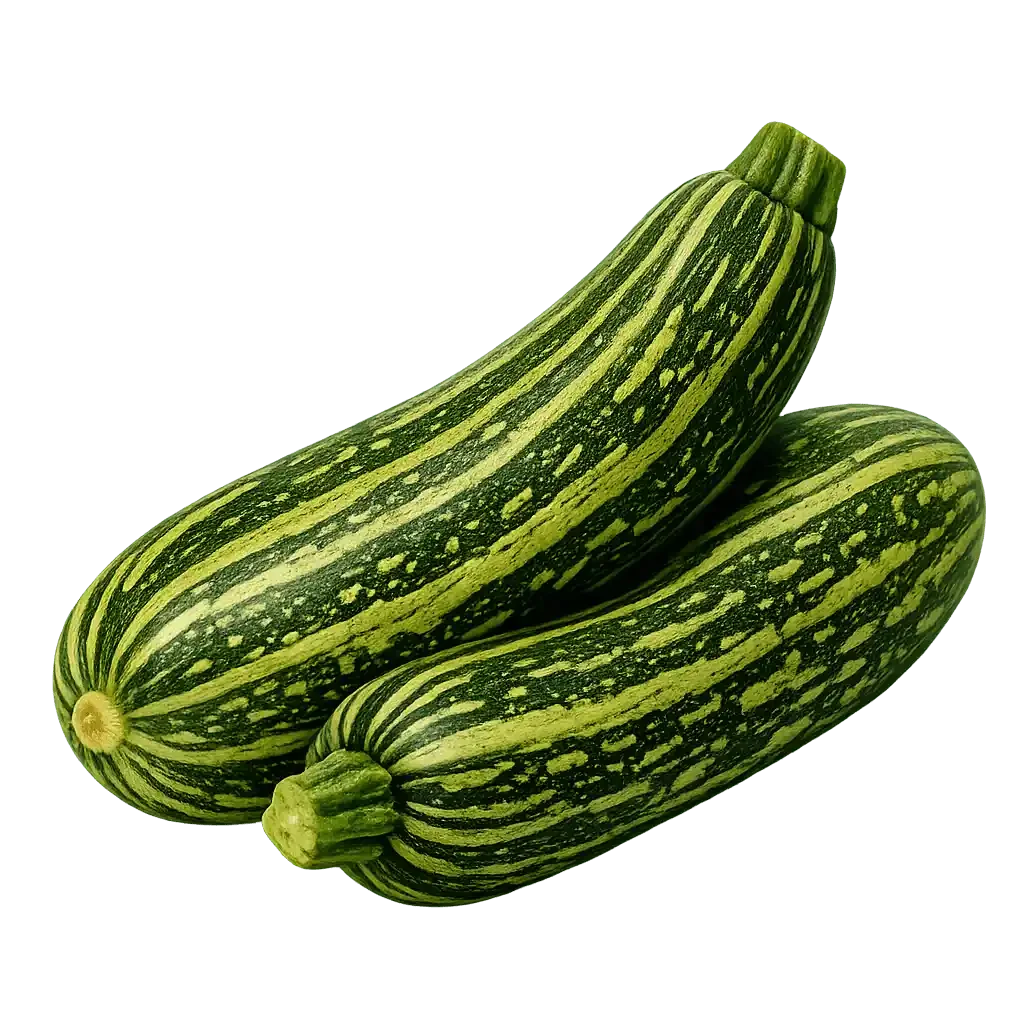
The Award-Winning Italian Heirloom That Started a Zucchini Revolution
A Complete Seed-to-Table Guide
Quick Reference
Botanical Name: Cucurbita pepo
Type: Summer Squash (Cocozelle type)
Growth Habit: Compact bush, semi-open, 12 to 24 inches tall
Also Known As: Caserta Cocozelle, Caserta Summer Squash
Origin: Developed by F.H. Woodruff & Sons, University of Connecticut, USA (1949)
Plant In: Late spring to early summer, after all danger of frost has passed
Soil Temperature: 70 to 95 degrees F (21 to 35 degrees C) for best germination
Seed Depth: 1 inch (2.5 cm)
Plant Spacing: 36 to 48 inches (90 to 120 cm) apart
Row Spacing: 3 to 5 feet (1 to 1.5 m)
Sunlight: Full sun (6 to 8 hours daily)
Watering: 1 to 2 inches per week, consistent and deep
Days to Germinate: 5 to 10 days
Days to Harvest: 41 to 58 days from direct sowing
Harvest Size: 5 to 8 inches (13 to 20 cm) for best flavor
Storage (Fresh): Up to 2 weeks in the refrigerator
Container Friendly: Yes, with a minimum 5-gallon container
USDA Zones: 3 to 11 (grown as a warm-season annual)
Frost Tolerant: No. Caserta is frost-sensitive and requires warm conditions
Introduction
Few summer squash varieties can claim the kind of pedigree that Caserta brings to the garden. Introduced in 1949 as an All-America Selections winner, this Italian-style cocozelle zucchini has earned its place in kitchen gardens across the country for good reason. With its pale green skin adorned by distinctive dark green stripes, Caserta is as beautiful in the garden as it is delicious on the plate. Its sweet, nutty flavor and creamy texture set it apart from the standard dark green zucchini you find at the grocery store.
Whether you are a seasoned gardener looking for a reliable heirloom variety or a beginner hoping for a productive and forgiving first crop, Caserta delivers. This complete seed-to-table guide will walk you through everything you need to know, from planting and growing to harvesting, storing, and cooking this exceptional summer squash.
Why Grow Caserta Zucchini?
Stunning Visual Appeal
Caserta is a showstopper in the garden. Its elongated, slightly tapered fruits feature creamy pale green skin streaked with olive and dark green parallel stripes. The effect is a handsome, almost painterly squash that looks as good on a farmstand display as it does on your dinner plate. The bush-style plant itself is attractive, with large lobed leaves that give the garden a lush, Mediterranean feel.
Exceptional Flavor
Unlike many modern zucchini hybrids that can taste watery or bland, Caserta is celebrated for its rich, sweet flavor with a distinct nutty undertone. The flesh is tender and creamy, particularly when harvested young. Baking or roasting Caserta really brings out its sweetness, making it a favorite for zucchini bread, gratins, and oven-roasted dishes. It also maintains its texture beautifully when grilled or sauteed.
Outstanding Productivity
Caserta is remarkably prolific. A single healthy plant can produce around 30 fruits over the course of a growing season, providing a continuous harvest from midsummer through early fall. The plants begin producing early, often within 45 to 55 days of direct sowing, and they keep going as long as you keep picking.
Easy to Grow and Perfect for Seed Saving
As an open-pollinated heirloom, Caserta is ideal for gardeners who want to save their own seeds. It breeds true to type, meaning the seeds you collect this year will produce plants just like the parent. The compact bush habit makes it well-suited for smaller gardens, raised beds, and even large containers.
Nutritional Benefits
Like all zucchini, Caserta is low in calories (about 20 calories per cup raw) and high in water content, making it a hydrating and weight-friendly vegetable. It is rich in vitamins A and C, potassium, manganese, and B vitamins including B6 and folate. The skin is particularly nutritious, containing high levels of antioxidants such as lutein, zeaxanthin, and beta-carotene, which support eye health, immune function, and heart health.
A Piece of Gardening History
Caserta is not just another zucchini. It was developed by F.H. Woodruff & Sons in partnership with the University of Connecticut and earned the prestigious All-America Selections award in 1949. It later became the parent variety for Black Beauty, one of the most widely grown zucchini cultivars in the world. Growing Caserta connects you to a rich lineage of American and Italian gardening heritage.
When to Plant
Temperature Requirements
Caserta zucchini is a warm-season crop that thrives in heat and cannot tolerate frost. Soil temperature should be at least 70 degrees F before direct sowing for reliable germination. Air temperatures between 70 and 90 degrees F promote the best growth and fruit production. Do not rush planting in spring. Cold, wet soil will rot seeds and stunt seedlings.
Starting Indoors
If you want a head start on the season, sow seeds indoors about 3 to 4 weeks before your last expected frost date. Use individual pots (peat pots or biodegradable cells work well) because zucchini seedlings do not like having their roots disturbed during transplanting. Keep seeds at 70 to 80 degrees F and provide plenty of light. Harden off seedlings for about a week before transplanting outdoors.
Direct Sowing and Succession Planting
For most gardeners, direct sowing after the last frost is the simplest and most successful method. Plant seeds about 1 inch deep in warm, prepared soil. For a continuous harvest that extends well into fall, consider succession planting every 3 to 4 weeks through midsummer. In warmer climates (USDA Zones 8 to 11), a midsummer sowing can also help you avoid the worst of squash vine borer pressure.
How to Plant and Seed Spacing
Seed Depth and Spacing
Plant Caserta seeds 1 inch deep, spacing plants 36 to 48 inches apart in rows that are 3 to 5 feet apart. Although Caserta has a more compact bush habit than many squash varieties, it still needs good air circulation to prevent fungal diseases. If planting in hills (mounds), sow 3 to 4 seeds per hill and thin to the strongest 1 to 2 seedlings once they have their first set of true leaves.
Soil Requirements
Caserta performs best in rich, well-drained soil with a pH between 6.0 and 7.0. Zucchini are heavy feeders, so amend your planting area generously with aged compost or well-rotted manure before planting. Good drainage is essential because waterlogged roots invite rot and disease.
Sunlight and Watering at Planting
Choose a location that receives full sun for at least 6 to 8 hours per day. Water seeds in well at planting and keep the soil consistently moist (but not soggy) until germination occurs. Once seedlings are established, transition to deeper, less frequent watering to encourage strong root development.
Container Growing
Caserta is one of the better zucchini varieties for container gardening thanks to its compact bush habit. Use a container of at least 5 gallons (larger is better), filled with high-quality potting mix amended with compost. Containers dry out faster than garden beds, so plan on watering more frequently, possibly daily in hot weather. A layer of mulch on the soil surface helps retain moisture.
Companion Planting
Good companions for Caserta include nasturtiums (which deter squash bugs), beans (which fix nitrogen in the soil), corn and sunflowers (which can serve as natural trellises and windbreaks), radishes (which repel squash vine borers), marigolds, dill, borage, basil, and oregano. These aromatic herbs and flowers attract pollinators and beneficial insects while repelling common pests. Avoid planting Caserta near potatoes (which compete for nutrients and may spread blight), fennel (which inhibits the growth of most vegetables), and other cucurbits like pumpkins and melons (which attract shared pests and can cause cross-pollination confusion).
How to Grow and Care
Watering
Provide Caserta with 1 to 2 inches of water per week, delivered at the base of the plant rather than overhead. Consistent, deep watering is the key to preventing blossom end rot and producing tender, flavorful fruit. Water in the morning so foliage has time to dry, which helps prevent powdery mildew and other fungal issues.
Fertilizing
Feed Caserta with a balanced fertilizer (such as 10-10-10) or a side dressing of compost when plants begin to flower. Too much nitrogen will produce lush foliage at the expense of fruit, so switch to a fertilizer higher in phosphorus and potassium once flowering begins. A light feeding every 3 to 4 weeks throughout the growing season keeps production steady.
Mulching and Weeding
Apply 2 to 3 inches of organic mulch (straw, shredded leaves, or grass clippings) around the base of plants to conserve moisture, regulate soil temperature, and suppress weeds. Keep mulch a few inches away from the stem to prevent rot. Weed regularly while plants are young; once the large leaves fill in, they will naturally shade out most weeds.
Pollination
Zucchini plants produce separate male and female flowers. Male flowers appear first, so do not be alarmed if the first blooms drop without setting fruit. Bees and other pollinators handle most of the work, but if pollinator activity is low in your garden, you can hand-pollinate by transferring pollen from a male flower to the center of a female flower using a small brush or by removing the male flower and dabbing it directly onto the female.
Pest and Disease Management
Common pests include squash bugs, squash vine borers, cucumber beetles, and aphids. Row covers placed over young plants can exclude many pests early in the season (remove them once flowering starts to allow pollination). Inspect plants regularly, checking the undersides of leaves for squash bug eggs and the base of stems for signs of vine borer damage. Powdery mildew is the most common disease affecting Caserta. Promote good air circulation, avoid overhead watering, and remove affected leaves promptly. Neem oil or a baking soda spray can help manage mild outbreaks.
Growth Timeline
Days 1 to 10 (Germination): Seeds swell, crack open, and push a small sprout above the soil surface. Keep the soil evenly moist and warm during this stage.
Days 10 to 20 (Seedling Stage): The first true leaves appear. Seedlings grow quickly in warm conditions. Begin light watering and keep the area weed-free.
Days 20 to 35 (Vegetative Growth): The plant develops its characteristic bushy form with large, lobed leaves. Stems thicken and the root system expands rapidly. This is the time to apply mulch and begin regular fertilizing.
Days 35 to 45 (Flowering): Male flowers appear first, followed by female flowers a few days later. Female flowers have a small swollen base that will develop into a fruit. Ensure pollinators have access to the plants.
Days 41 to 58 (Fruit Development and Harvest): Fruits grow rapidly, sometimes adding an inch or more per day in warm weather. Begin harvesting when fruits reach 5 to 8 inches for the best flavor and texture.
How to Know It Is Ready
Caserta is ready to pick when fruits are 5 to 8 inches long and the skin is firm and glossy with a healthy sheen. The skin should resist light thumbnail pressure but still feel slightly tender. The stripes should be well-defined, showing a clear contrast between the pale green base and the darker green markings.
Keep Picking
Harvest every 2 to 3 days once production begins. Leaving oversized fruit on the plant signals it to slow down production. Fortunately, even if a Caserta fruit grows larger than intended, it remains more tender and flavorful than most other zucchini varieties at the same size.
Harvesting
How to Harvest
Use a sharp knife or pruning shears to cut the fruit from the plant, leaving about an inch of stem attached. Do not twist or pull the fruit, as this can damage the plant and create openings for disease. Harvest in the morning when temperatures are cool and the fruit is at its crispest.
Harvesting Blossoms
Caserta produces abundant male flowers that are perfect for culinary use. Pick male blossoms in the early morning when they are fully open. Male flowers are the ones on long, thin stems without a swollen base. Harvesting male blossoms will not reduce your fruit yield, since only one male flower is needed to pollinate several female flowers.
Expected Yield
A single Caserta plant can produce approximately 25 to 30 fruits over the course of a growing season when harvested regularly. In ideal conditions with warm weather and consistent care, some gardeners report even higher yields.
How to Store
Refrigerator Storage
Store unwashed, uncut Caserta zucchini in a perforated plastic bag or loosely wrapped in a paper towel inside the crisper drawer of your refrigerator. Properly stored, fresh zucchini will keep for up to 2 weeks. Once cut, use within 2 to 4 days.
Freezing
Wash, slice, or shred zucchini and blanch briefly (1 to 2 minutes) before plunging into ice water. Drain well, pack into freezer-safe bags or containers, and freeze for up to 10 to 12 months. Shredded frozen zucchini is perfect for adding directly to baked goods, soups, and sauces.
Pickling and Dehydrating
Caserta makes excellent zucchini pickles. Slice thinly, pack into jars with a vinegar brine and your favorite pickling spices, and process in a water bath canner. For dehydrating, slice into thin rounds and dry at 125 degrees F until crisp (8 to 12 hours). Dehydrated zucchini chips make a healthy, crunchy snack.
Signs of Spoilage
Discard zucchini that feels mushy, shows wrinkled or slimy skin, has visible mold, or has developed an off or bitter smell. If raw zucchini tastes extremely bitter, do not eat it, as this may indicate elevated levels of cucurbitacin, which can cause gastrointestinal distress.
Quick Recipe Ideas
1. Caserta Zucchini Fritters: Grate zucchini, mix with egg, flour, parmesan, and fresh herbs. Pan-fry in olive oil until golden and crispy on both sides. Serve with a dollop of sour cream or yogurt.
2. Grilled Caserta with Lemon and Herbs: Slice lengthwise into thick planks, brush with olive oil, and grill over medium-high heat. Finish with a squeeze of lemon, flaky sea salt, and torn fresh basil.
3. Caserta Zucchini Noodles (Zoodles): Spiralize Caserta into noodles and toss with garlic, cherry tomatoes, and a drizzle of good olive oil for a light, low-carb meal.
4. Stuffed Caserta Boats: Halve lengthwise, scoop out the center, and fill with a mixture of seasoned ground meat, rice, tomatoes, and mozzarella. Bake until bubbly and golden.
5. Classic Caserta Zucchini Bread: Fold grated zucchini into a spiced batter with cinnamon, nutmeg, and walnuts. Bake into a moist, fragrant loaf that highlights Caserta's natural sweetness.
Bonus Tip: Do not overlook the blossoms! Caserta's abundant male flowers are a delicacy. Stuff them with ricotta and herbs, dip in a light tempura batter, and fry until golden for a classic Italian appetizer.
Final Thoughts
Caserta is more than just a zucchini. It is a piece of American gardening history, a variety with Italian soul, and a plant that rewards even beginner gardeners with abundant, flavorful harvests. Its compact growth habit, heirloom reliability, and superior taste make it one of the best summer squash varieties you can grow. Whether you have a sprawling vegetable garden or a single large container on a sunny patio, Caserta deserves a spot in your growing plan this season.
Have you grown Caserta zucchini? Share your tips, favorite recipes, and harvest photos in the comments below!
Happy Growing!