
Zucchini: Raven
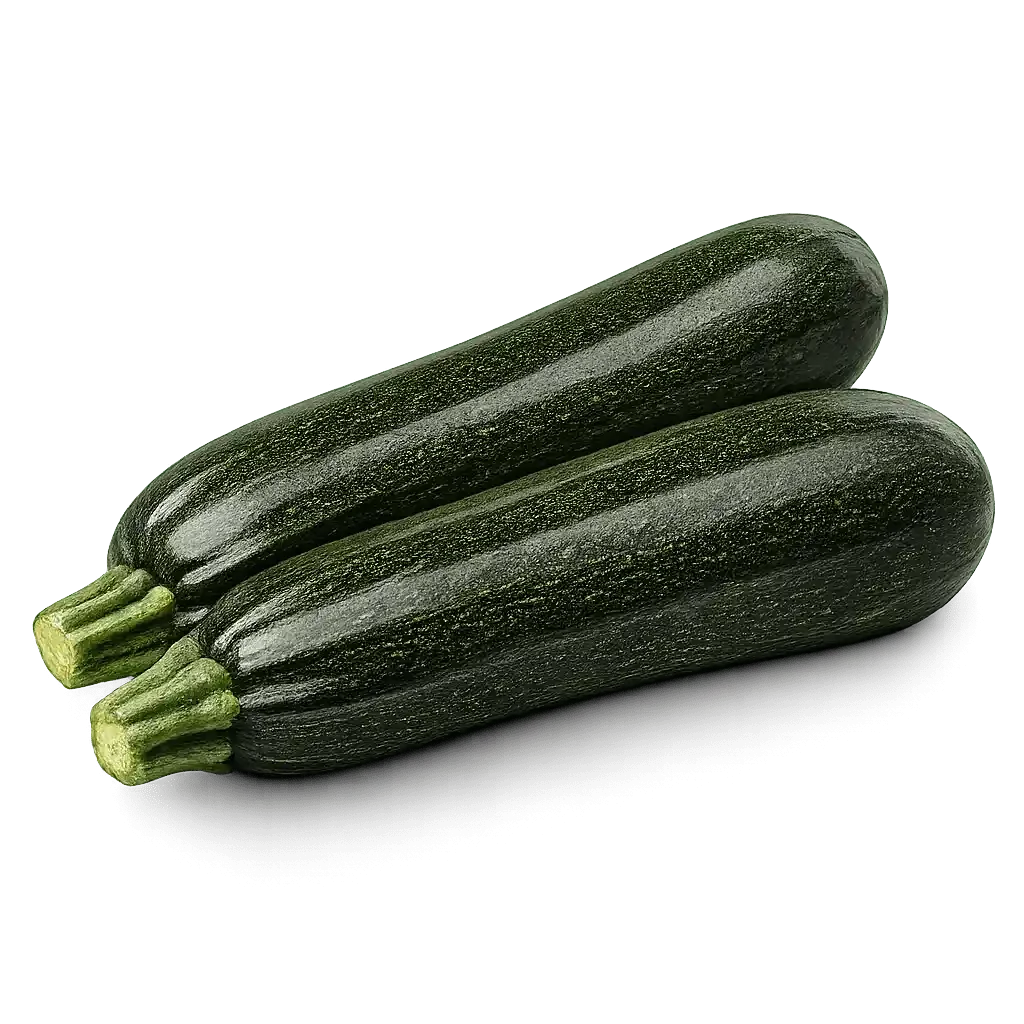
The Compact, Fast-Growing Zucchini That Delivers Big Harvests in Small Spaces
A Complete Seed-to-Table Guide for Growing, Harvesting & Storing
QUICK REFERENCE
Botanical Name: Cucurbita pepo
Type: F1 Hybrid Summer Squash
Growth Habit: Compact bush (non-vining)
Plant In: Spring, after last frost
Soil Temperature: 70°F+ (21°C+)
Seed Depth: 1 inch (2.5 cm)
Plant Spacing: 18 to 24 inches apart
Row Spacing: 4 to 6 feet apart
Sunlight: Full sun (6 to 8 hours)
Watering: 1 to 2 inches per week
Days to Germinate: 7 to 14 days
Days to Harvest: 42 to 48 days from transplant
Harvest Size: 6 to 8 inches long
Storage (Fresh): Fridge, up to 1 to 2 weeks
Container Friendly: Yes (12 inch+ depth)
Frost Tolerant: No
Introduction
If you have ever grown zucchini, you know two things: they produce like crazy, and they take up an enormous amount of garden space. The sprawling vines, the giant prickly leaves, and the scratched-up forearms every time you reach in to harvest. But what if you could get all the productivity of a traditional zucchini plant without any of the sprawl, the spines, or the hassle?
That is exactly what Raven Zucchini delivers. Raven is a compact, bush-type F1 hybrid zucchini that was developed with French courgette parentage, and it has quickly become one of the most popular varieties among home gardeners, allotment growers, and market farmers alike. Its dark green, glossy fruits are smooth-skinned, tender-fleshed, and consistently delicious whether you pick them as tiny babies with the blossoms still attached or let them size up to a full six to eight inches.
What makes Raven truly stand out is its combination of speed, compactness, and ease of harvest. The plants mature in as little as 42 to 48 days from transplant, the fruit is born high up on the plant (making it easy to spot and pick), and the leaves have very few of the prickly spines that make harvesting other zucchini varieties such an unpleasant chore. In this guide, I will walk you through everything you need to know to grow Raven from seed, care for it through the season, harvest at the right time, and store your bounty for maximum freshness.
Why Grow Raven Zucchini?
Compact, Space-Saving Plants
Unlike traditional zucchini varieties that send sprawling vines in every direction, Raven grows as a tidy, upright bush. This makes it perfect for smaller gardens, raised beds, and even large containers. You get full-size harvests from a plant that takes up a fraction of the space. If garden real estate is at a premium for you, Raven is an outstanding choice.
Incredibly Fast to Mature
Raven is one of the fastest-maturing zucchini varieties available. From transplant, you can expect to be picking your first fruit in as little as 42 to 48 days. From direct seeding, it takes roughly 48 to 60 days. This fast turnaround means you can enjoy an earlier harvest, and because the season starts sooner, you also have a wider window for succession planting to keep the zucchini coming all summer long.
Easy, Pain-Free Harvesting
Anyone who has grown zucchini knows the irritation of reaching through spiny leaves and stems to find the fruit. Raven was bred to solve this problem. The plants have an open habit with greatly reduced spines, which means less skin irritation, less fruit scarring, and much easier harvesting. The fruit also sits high up on the plant rather than hiding on the ground, so you can spot it quickly without bending and searching.
Outstanding Flavour and Texture
Thanks to its French courgette parentage, Raven produces fruit with consistently delicate, tender flesh and a rich, meaty flavour that is noticeably better than many older zucchini varieties. The smooth, glossy dark green skin is thin and completely edible. Whether eaten raw, lightly steamed, or grilled, Raven holds its structure well and does not turn watery or mushy. It is firm and versatile enough for virtually any cooking technique.
Nutritional Benefits
Raven zucchini is a nutritional standout. One standout feature is that the very dark green skin contains especially high levels of lutein, a powerful antioxidant that supports eye health and may reduce the risk of age-related macular degeneration and cataracts. Beyond lutein, zucchini is rich in vitamins A, C, K, and B6, along with folate, potassium, magnesium, and manganese. It is extremely low in calories (roughly 30 to 35 per cup), high in water content (about 95%), and provides a good amount of dietary fibre. It is also naturally low-carb, making it a favourite among people following keto, paleo, and other low-carbohydrate eating plans.
High Yielding and Reliable
Raven is widely praised for its heavy, concentrated fruit set. A single well-grown plant can produce enough zucchini for an average family. In fact, most seed suppliers recommend not over-planting, because just one or two plants will keep you well supplied. The plants are vigorous, germinate quickly, bear heavily, and do not get woody or tough with age. They are also widely adaptable across a range of climates and growing conditions.
When to Plant
Raven is a warm-season crop that cannot tolerate frost or cold temperatures. Getting the timing right is essential for a successful harvest.
Temperature Requirements
Do not plant Raven outdoors until all danger of frost has passed and both day and night temperatures stay consistently above 50°F (10°C). For seed germination, the optimal soil temperature is between 68 to 95°F (20 to 35°C). Planting in cold, wet soil will cause seeds to rot rather than germinate.
Starting Indoors
You can start Raven seeds indoors two to four weeks before your last frost date to get a jump on the season. Sow seeds in individual peat pots or biodegradable containers to minimise root disturbance at transplanting time, as zucchini seedlings are sensitive to having their roots disturbed. Keep seedlings on a warm, sunny windowsill or under grow lights. Seedlings should be transplanted outdoors only after all frost danger has passed and they have been hardened off for a few days. Important: do not start seedlings too early. Zucchini transplants should ideally be only 10 to 14 days old with just one or two true leaves. Larger transplants will suffer from transplant shock.
Direct Sowing Outdoors
Direct sowing works very well for Raven, especially in areas with long, warm growing seasons. Sow seeds directly into the garden in late May or early June (or whenever your soil has warmed to at least 70°F). Because Raven matures so quickly (48 days from direct seeding), you can even do a second planting in mid to late July for a fall harvest before the first frost arrives.
Succession Planting
Raven has a concentrated fruit set, meaning it tends to produce a flush of fruit and then slow down. For a continuous supply of fresh zucchini all season, plan to make succession plantings every two to three weeks. This keeps fresh, young, productive plants coming along as older ones begin to wind down.
How to Plant and Seed Spacing
Seed Depth and Spacing
Plant seeds one inch (2.5 cm) deep. Sow two to three seeds per spot, then thin to the single strongest seedling after germination (cut the weaker ones with scissors rather than pulling, to avoid disturbing the roots of the keeper). Space plants 18 to 24 inches apart. If planting in rows, leave 4 to 6 feet between rows to allow for good air circulation and easy access for harvesting. If planting in hills, space hills 3 to 4 feet apart and thin to one or two plants per hill.
Soil Requirements
Raven thrives in rich, fertile, well-drained soil. Before planting, dig in plenty of finished compost or well-rotted manure. The ideal soil pH is between 5.8 and 6.8. These are big, fast-growing, hungry plants and they will reward you handsomely for generous soil preparation. Dig in one cup of complete organic fertiliser beneath each transplant or planting spot.
Sunlight
Choose a location that receives full sun, at least six to eight hours of direct sunlight per day. Eight to ten hours is even better. Zucchini plants that do not get enough sun will produce fewer fruit and be more susceptible to disease.
Watering at Planting
Water seeds or transplants in thoroughly at planting time. Keep the soil consistently moist (but not waterlogged) until seedlings are well established. Once growing strongly, provide one to two inches of water per week. Always water at the base of the plant and avoid overhead watering, as wet leaves encourage powdery mildew and other fungal diseases.
Container Growing
Raven's compact bush habit makes it one of the best zucchini varieties for container growing. Use a pot at least 12 inches deep with good drainage. Fill with quality potting mix and provide regular fertiliser such as compost tea, since container plants cannot search for their own nutrients. Water more frequently than in-ground plants, as containers dry out fast, especially in hot weather.
Companion Planting
Good companions: radish, beans (scarlet runner, edamame, lima), peanuts, cowpeas, corn, onions, nasturtiums, marigolds, and borage. Nasturtiums and marigolds help repel common pests, while beans fix nitrogen in the soil to feed your hungry plants.
Avoid planting near: potatoes (compete for nutrients and share similar pests), other cucurbits planted too closely (increases disease pressure), and fennel.
How to Grow and Care for Your Plants
Watering
Consistent, deep watering is critical for zucchini production. Provide one to two inches of water per week, more during hot, dry weather. Water deeply at the base of the plant, ideally using soaker hoses or drip irrigation. Overhead watering wets the leaves and creates ideal conditions for powdery mildew, which is the single most common disease problem with zucchini. Water early in the day if you must water from above, so the leaves have time to dry.
Fertilising
Zucchini plants are heavy feeders and benefit from regular feeding throughout the season. Side-dress with compost or a 5-10-10 fertiliser when plants are about six inches tall, and again when they begin to bloom. Liquid compost tea every week or two is also excellent. Avoid over-fertilising with nitrogen late in the season, which can encourage lots of leafy growth at the expense of fruit production.
Mulching and Weeding
Mulch around your plants to keep the soil evenly moist, regulate soil temperature, and suppress weeds. Straw, shredded leaves, or compost all work well. Keep the area around the base of the stem clear to prevent moisture-related rot. Remove weeds regularly, especially when plants are young and still establishing.
Pollination
Like all squash, Raven produces separate male and female flowers and relies on insect pollinators (especially bees) to transfer pollen. Male flowers appear first, often one to two weeks before female flowers, which is completely normal. If your early fruit shrivels, blackens, or falls off, it is almost certainly a pollination issue that resolves itself once more male flowers appear. If pollination remains poor (perhaps due to lack of bees), hand-pollinate by picking a male flower and brushing the pollen onto the centre of the female flower. The female flower is easy to identify by the small, immature fruit at its base.
Pest and Disease Management
The most common disease affecting Raven is powdery mildew, which shows up as grey or white patches on the leaves, usually in mid to late summer. Prevent it by avoiding overhead watering, ensuring good air circulation (do not overcrowd plants), and removing badly affected leaves promptly. Throw affected leaves in the rubbish, not the compost.
Common pests include cucumber beetles, squash bugs, and squash vine borers. Use floating row covers on young plants to exclude insects during the seedling stage, but remove the covers once flowering begins so pollinators can do their work. Inspect the undersides of leaves regularly for pest eggs and remove them by hand. Crop rotation is also important: avoid planting squash, pumpkins, melons, or cucumbers in the same spot for at least three years to reduce soil-borne diseases.
Removing Misshapen Fruit
Misshapen, withered, or blackened fruit is a sign of incomplete pollination. Remove these from the plant as soon as you notice them, before they begin to rot. Leaving them drains energy from the plant and can attract pests and disease. Pop them straight into the compost.
Growth Timeline
Raven is one of the fastest zucchini varieties from seed to harvest. Here is what to expect at each stage:
Germination: 7 to 14 days (as fast as 5 to 7 days in warm soil around 80°F)
Seedling Stage: 1 to 2 weeks after germination
Rapid Growth and Flowering: 3 to 4 weeks after germination
First Harvest: 42 to 48 days from transplant, or about 48 to 60 days from direct seeding
Ongoing Harvest: Continues for several weeks if fruit is picked regularly
How to Know It Is Ready to Pick
Harvest Raven zucchini when the fruit is 6 to 8 inches long for general use, or even smaller (3 to 5 inches) for the most tender, delicate flavour. All zucchini loses flavour and quality with size, so do not wait for giant fruit. The skin should be glossy, dark green, and smooth. If you can still see the blossom on the end, that is perfectly fine to harvest. For baby zucchini, pick when the blossom is still attached at around 3 inches long.
Keep Picking to Keep Producing
This is the golden rule of zucchini growing: harvest frequently. Pick two to three times per week once the plants begin to produce. Regular harvesting encourages the plant to keep flowering and setting new fruit. If you let fruit grow too large on the vine, the plant will slow down or stop producing altogether. Check plants daily during peak season because zucchini can grow several inches in just a day or two.
Harvesting
How to Harvest
Use a sharp knife or pruning shears to cut the fruit from the stem. Leave about one inch of stem attached. Never pull or twist the fruit off, as this can damage the plant and reduce future production. Handle harvested zucchini carefully because the skin is delicate and scratches easily, which shortens storage life.
Best Time to Harvest
Harvest in the early morning when temperatures are cool and the fruit is at its firmest. This gives you the best quality and longest storage life.
Harvesting the Blossoms
Raven produces abundant, beautiful flowers that are completely edible and a real delicacy. Harvest blossoms in mid to late morning when they are fully open. Clip them one to two inches below the flower base. If you still want the plant to produce fruit, harvest only the male blossoms (the ones on thin stems with no swelling at the base) and leave a few to pollinate the female flowers. Stuffed and fried squash blossoms are a classic treat.
Expected Yield
A single well-grown Raven plant can produce a generous amount of fruit, easily enough for an average family. Most experts recommend not over-planting: one or two well-spaced plants will keep you well supplied. Rather than planting several zucchini plants, use the extra space for other vegetables.
How to Store Your Harvest
Short-Term Refrigerator Storage
Place unwashed zucchini in a perforated plastic bag or loosely wrapped in a paper towel inside the vegetable crisper drawer of your refrigerator. Keep at a temperature of 40 to 50°F (5 to 10°C) with high humidity. Raven zucchini will keep for up to one to two weeks under these conditions, though it is best used as soon as possible for peak flavour and texture. Do not wash before storing because moisture promotes spoilage.
Freezing
For longer storage, slice or dice the zucchini, blanch briefly in boiling water (one to two minutes), cool immediately in ice water, drain well, and pack into freezer bags. Frozen zucchini keeps for up to three months and works well in soups, stews, casseroles, and baked goods. You can also grate the zucchini, squeeze out excess moisture, and freeze in measured portions for later use in fritters, zucchini bread, and muffins.
Pickling
Thinly sliced young zucchini pickles beautifully in a vinegar brine with garlic, dill, and peppercorns. Refrigerator pickles last for weeks and make a tangy, crunchy condiment.
Dehydrating
Slice very thin and dehydrate at a low temperature for crispy zucchini chips. Season with salt, garlic powder, or nutritional yeast before dehydrating for a healthy, portable snack.
Signs of Spoilage
Discard zucchini that has become soft, mushy, or slimy, or that shows visible mould. Wrinkling skin and a rubbery texture are early signs that freshness is declining. If any zucchini tastes unusually bitter, do not continue eating it, as bitterness can indicate elevated levels of cucurbitacin, which may cause digestive upset.
Quick Recipe Ideas
Raven's firm, meaty texture and rich flavour make it incredibly versatile in the kitchen. Here are five easy ways to enjoy your harvest:
1. Grilled Zucchini Planks Slice lengthwise into thick planks, brush with olive oil, and grill over medium-high heat until charred and tender. Season with flaky salt, cracked pepper, and a drizzle of balsamic glaze. Raven's firm flesh holds up beautifully on the grill without falling apart.
2. Zucchini Noodles (Zoodles) Spiralise the fruit into noodles for a low-carb, low-calorie pasta alternative. Toss with your favourite sauce, from marinara to pesto to a simple garlic and olive oil. At roughly 30 to 40 calories per cup, zoodles let you eat a generous portion without the calorie load of traditional pasta.
3. Classic Zucchini Fritters Grate the zucchini, squeeze out excess moisture, and combine with egg, flour, fresh herbs (dill and mint are wonderful), and crumbled feta. Pan-fry in olive oil until golden and crispy on both sides. Serve with a dollop of yoghurt.
4. Stuffed Squash Blossoms Fill freshly picked Raven blossoms with a mixture of ricotta, lemon zest, and fresh herbs. Dip in a light batter and fry until golden. A classic Italian delicacy and one of the finest rewards of growing your own zucchini.
5. Zucchini Bread or Muffins Grate Raven zucchini into your favourite quick bread or muffin recipe. The high moisture content keeps baked goods incredibly moist, while the mild flavour disappears into the batter. A brilliant way to use up a bumper harvest. If you end up with any oversized fruit (10 to 12 inches), the flesh works perfectly for baking, though you will want to remove the tough seeds first.
Final Thoughts
Raven Zucchini is, quite simply, one of the best all-round zucchini varieties you can grow. It is fast, compact, high-yielding, easy to harvest, and produces fruit with genuinely excellent flavour and texture. Whether you are working with a large garden, a small raised bed, or just a big pot on a sunny patio, Raven will deliver a generous harvest without taking over your space or scratching up your arms.
The key to getting the most out of Raven is simple: give it warm soil, full sun, consistent water, and rich soil, then pick the fruit young and often. Do not over-plant (one or two plants is plenty for most families), and consider succession planting every two to three weeks to keep fresh zucchini coming all season long.
With its extra-dark skin loaded with the antioxidant lutein, Raven is not only a pleasure to grow and eat but a genuinely healthy addition to your diet. From the grill to the spiraliser to the bread pan, this is a zucchini that earns its place in any garden and any kitchen.
Have you grown Raven Zucchini? Share your tips, harvest photos, and favourite recipes in the comments below!
Happy Growing!