
Zucchini: Tromboncino
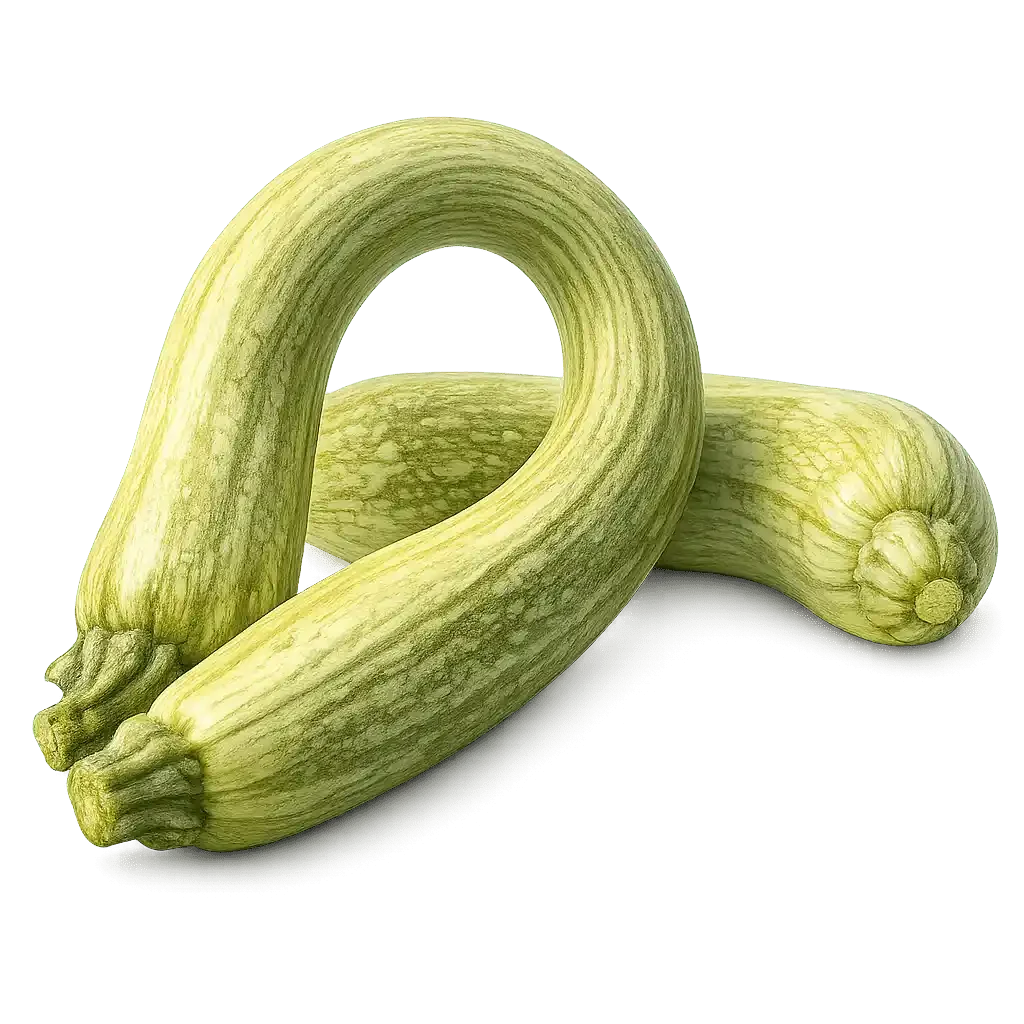
The Italian Heirloom Squash That Outgrows, Outlasts & Outshines Regular Zucchini
A Complete Seed-to-Table Guide for Growing, Harvesting & Storing
QUICK REFERENCE
Botanical Name: Cucurbita moschata
Origin: Liguria, Italy
Plant In: Spring, after last frost
Soil Temperature: 70°F+ (20°C+)
Seed Depth: 1 inch (2.5 cm)
Plant Spacing: 36 to 48 inches apart
Row Spacing: 4 to 6 feet apart
Sunlight: Full sun (6 to 8 hours)
Watering: 1+ inch per week
Days to Germinate: 5 to 10 days
Days to Harvest (Summer): 60 to 80 days
Days to Harvest (Winter): 80 to 100+ days
Yield Per Plant: 6 to 24 fruits
Storage (Fresh): Fridge, up to 1 week
Storage (Cured): Cool/dry place, 1 to 3 months
Vine Length: Up to 15 feet
Frost Tolerant: No
Introduction
If you have ever watched your zucchini plants thrive in early summer only to see them wilt and die by July, you are not alone. Squash vine borers are the nightmare of home gardeners everywhere, wiping out entire crops of summer squash before the season is halfway done. But what if there was an Italian heirloom variety that laughs in the face of vine borers, produces more fruit than you know what to do with, and tastes even sweeter and nuttier than regular zucchini?
Meet the Tromboncino, a remarkable squash that has been a staple in Italian gardens for generations. Originating in Liguria, the stunning coastal region of northwest Italy, this heirloom variety goes by many names: Zucchetta Rampicante, Tromba d'Albenga, Trumpet Zucchini, Serpentine Squash, and Climbing Zucchini. Despite often being called a zucchini, it is botanically classified as Cucurbita moschata, the same species as the butternut squash, not a true zucchini (Cucurbita pepo).
What makes Tromboncino truly special is its dual-purpose nature. Harvest it young and tender for a sweet, firm summer squash that works in every recipe where you would use zucchini. Or let it mature on the vine until the skin turns golden-tan, and you have a winter squash that stores for months. In this guide, I will walk you through everything you need to know, from when to plant and how far apart to space your seeds, to how long it takes to grow and the best ways to store your harvest.
Why Grow Tromboncino?
Taste and Texture
Tromboncino has a noticeably sweeter, nuttier flavour compared to regular zucchini. The flesh is firmer and contains much less water, which means it will not turn into a mushy, soggy mess when you cook it. This makes it ideal for sautéing, grilling, roasting, and frying, as it holds its shape beautifully. One of its best features is that the seeds are concentrated in the small bulb at the end of the fruit, leaving the entire long neck completely seedless and usable. That means more edible squash per fruit and much easier prep in the kitchen.
Natural Pest Resistance
Here is where Tromboncino really shines for gardeners. Because it belongs to the Cucurbita moschata species rather than Cucurbita pepo, it is significantly more resistant to the dreaded squash vine borer, squash bugs, and powdery mildew, the three biggest killers of regular zucchini. Many gardeners report that while their standard zucchini plants are dead and gone by midsummer, their Tromboncino vines are still going strong and producing fruit well into autumn.
Dual Harvest Flexibility
Unlike most squash that is either summer or winter, Tromboncino gives you both options from the same plant. Pick the fruit young at 8 to 18 inches long and use it exactly like summer squash. Or, if you have more than you can eat, simply leave the extras on the vine. They will mature into golden-skinned winter squash that stores for one to three months. This flexibility means nothing goes to waste and you are never stuck with a mountain of zucchini going bad on your counter.
Nutritional Benefits
Tromboncino is a nutritional powerhouse. It is rich in vitamins A, C, and K, and is an excellent source of potassium. One cup of cooked Tromboncino provides more potassium than a banana. It also contains calcium, iron, zinc, and omega-3 fatty acids, along with high levels of beta-carotene and antioxidants. It is low in calories, low on the glycemic index, and high in dietary fibre, making it a fantastic choice for virtually any eating plan.
Prolific Producer
A single Tromboncino plant can produce an impressive amount of fruit. The average yield is around six fruits per plant, but with consistent watering, good pollination, and warm weather, some gardeners report harvesting up to two dozen squash from a single vine. One plant is typically enough to supply two people with fresh squash all summer long.
When to Plant
Tromboncino is a warm-season crop that is not frost tolerant. Timing your planting correctly is one of the most important steps to a successful harvest.
Temperature Requirements
Do not plant Tromboncino outdoors until all danger of frost has passed and the soil temperature has reached at least 70°F (20°C). The ideal germination temperature is between 70 and 85°F (20 to 30°C). Planting in cold soil will result in poor germination or rotting seeds.
Starting Indoors
To get a head start on the growing season, you can start seeds indoors three to four weeks before your last frost date. Sow two to three seeds per pot using biodegradable peat pots or soil blocks. This minimises root disturbance when transplanting, which squash plants are sensitive to. Keep the pots on a sunny windowsill or in a heated propagator. Seeds should germinate within seven to ten days if kept between 70 and 85°F.
Direct Sowing Outdoors
If you prefer to sow directly into the garden, wait until after your last frost date and the soil is consistently warm. In most US zones, this means late May to early June. In warmer climates (zones 9 to 10), you can sow as early as March or April. A helpful tip: sow the seeds on their edge rather than flat. This aids germination and helps prevent the seed from sitting in moisture and rotting.
Climate Zone Considerations
Tromboncino grows well across USDA zones 3 through 10 with appropriate timing. If you are in a short-season climate, starting indoors is strongly recommended to give the vines enough time to produce. In very hot climates, the plants benefit from afternoon shade and consistent, deep watering to prevent stress.
How to Plant and Seed Spacing
Seed Depth and Spacing
Plant seeds one inch (2.5 cm) deep. Sow two to three seeds per hole or mound, and after germination, thin to the single strongest seedling. Space plants 36 to 48 inches (90 to 120 cm) apart. These are vigorous vines and they need room to grow. If you are planting in rows, leave four to six feet (120 to 180 cm) between rows for ground-growing vines. If trellising, rows can be somewhat closer together.
Soil Requirements
Tromboncino thrives in rich, well-draining soil that has been generously amended with compost. The preferred soil pH is between 6.0 and 6.8, slightly acidic to neutral. Before planting, work in several inches of compost or well-rotted manure to give the vines the nutrient-rich foundation they crave.
Sunlight and Water
Choose a spot that receives full sun, at least six to eight hours of direct sunlight per day. Water thoroughly at planting and keep the soil consistently moist during the germination period. Once established, aim for at least one inch of water per week, delivered at the base of the plant rather than overhead to reduce the risk of mildew.
Trellis vs. Ground Growing
Trellising is highly recommended for Tromboncino, and it is one of the best things about this variety. Unlike bush-type zucchini, it is a natural climber. Growing on a trellis produces straighter fruit, saves significant garden space, keeps the squash off the soil (reducing rot and pest damage), and makes harvesting much easier. If grown on the ground, the vines can sprawl fifteen feet or more and the fruit will curl into amusing, twisted shapes. Just make sure your trellis is sturdy. Mature fruit can weigh 800 grams to one kilogram each.
Container Growing
Growing Tromboncino in containers is possible but challenging due to the vigorous vine size. Use a very large container of at least 20 to 25 gallons, provide a strong trellis, and be prepared to water more frequently than you would in-ground plants, as containers dry out faster.
Companion Planting
Good companions: corn, beans, nasturtium, marigolds, radish, lettuce, peas, spinach, borage, cucumbers, and peppers. Nasturtiums and marigolds are especially valuable as they help repel aphids and squash bugs naturally. Beans fix nitrogen in the soil, boosting fertility for your hungry vines.
Avoid planting near: potatoes (compete aggressively for nutrients and share similar pests), sage (can inhibit squash growth), fennel (allelopathic properties hinder nearby plants), and brassicas such as cabbage and broccoli.
How to Grow and Care for Your Plants
Watering
Watering is the single most important factor for prolific Tromboncino production. Provide at least one inch of water per week, and more during hot spells. Water deeply and consistently. Inconsistent watering can lead to blossom-end rot and reduced fruit set. Always water at the base of the plant, not overhead, to reduce the risk of fungal diseases like powdery mildew.
Fertilising
Squash plants are heavy feeders. Start with a nitrogen-rich fertiliser at planting time to promote strong early vine growth. Once the plant begins flowering, switch to a balanced fertiliser or top-dress with compost. You can apply a liquid fertiliser every few weeks or use slow-release granules. Organic options like fish emulsion, worm castings, and compost tea work beautifully.
Mulching
Apply a thick layer of mulch around the base of your plants to retain soil moisture, regulate soil temperature, and suppress weeds. Straw, wood chips, or shredded leaves all work well. Keep the mulch a few inches away from the stem itself to prevent moisture buildup that can lead to rot.
Pollination
Tromboncino produces separate male and female flowers on the same plant and relies on bees and other pollinators to transfer pollen. If you notice plenty of flowers but no fruit forming, pollination may be the issue. You can easily hand-pollinate by picking a male flower (the one without a small swelling at its base), removing the petals, and gently rubbing the pollen-covered stamen inside the female flower (identified by the tiny baby squash at its base). Planting pollinator-friendly flowers like borage and marigolds nearby will also help attract bees to your garden.
Pest and Disease Management
One of Tromboncino's greatest advantages is its natural resistance to squash vine borers and powdery mildew, the two most common destroyers of regular zucchini. However, it is not completely immune. Keep an eye out for aphids, cucumber beetles, squash bugs, slugs, and spider mites. Use floating row cover on young plants and remove it once flowering starts so pollinators can access the blooms. At the end of the growing season, remove all plant debris to break pest life cycles for the following year.
Signs of Healthy vs. Unhealthy Growth
Healthy: deep green leaves, vigorous vine growth, regular flowering, and steady fruit production.
Watch for: wilting leaves (could indicate vine borer or underwatering), yellowing leaves (nutrient deficiency or overwatering), and white powdery coating on leaves (powdery mildew, so improve air circulation and reduce overhead watering).
Growth Timeline
Understanding the growth timeline helps you plan your garden and know exactly when to expect results. Here is what to expect from seed to harvest:
Germination: 5 to 10 days (5 days at 80°F is optimal)
Seedling Stage: 2 to 3 weeks after germination
Vine Growth and Flowering: 4 to 6 weeks after germination
First Harvest (Summer Squash): 60 to 80 days from planting (around 70 days on average)
Mature Harvest (Winter Squash): 80 to 100+ days, when the skin turns tan or orange
How to Know It Is Ready (Summer Squash)
Harvest when the neck is about the thickness of a banana (roughly one inch in diameter) and the fruit is 8 to 18 inches long. The skin should be pale green and still tender enough to pierce easily with a fingernail. Even if the blossom is still attached, the squash can be harvested. Picking the fruit young and often is the key to the best flavour and to encouraging the plant to keep producing more.
How to Know It Is Ready (Winter Squash)
If you want winter squash for storage, leave the fruit on the vine until the skin has turned from green to a tan or golden-orange colour. The skin should be hard and impossible to pierce with a fingernail. Ideally, wait until the vine attached to the fruit begins to brown and die back. If an early frost threatens, harvest immediately and bring the squash inside to finish curing.
Harvesting
Proper harvesting technique ensures you get the best quality squash and protects the plant for continued production.
How to Harvest
Always use a sharp knife or pruning shears to cut the stem. Never pull or twist the fruit, as this can damage the vine and reduce future yields. Leave about one to two inches of stem attached to the fruit, which significantly improves storage life. Handle the squash gently to avoid bruising, especially if you plan to store it.
Best Time to Harvest
The ideal time to harvest is in the morning after the dew has dried. The fruit is firmest and coolest at this time of day, which helps it stay fresh longer.
Expected Yield
Expect an average of about six fruits per plant, though with excellent watering and care, you may get far more. Up to two dozen fruits per plant is possible. One healthy plant can supply enough squash for two people throughout the summer. If you are letting fruit mature for winter storage, the fruit can grow impressively large, up to three feet (one metre) long.
How to Store Your Harvest
Storing as Summer Squash (Harvested Young)
Place the unwashed squash in a perforated plastic bag or in the vegetable crisper drawer of your refrigerator. It will keep for up to one week at peak freshness. Do not wash the squash before storing. Added moisture promotes spoilage. Wait to wash until you are ready to cook.
Storing as Winter Squash (Harvested Mature)
Mature Tromboncino must be cured before long-term storage. Place the harvested squash in a warm, dry spot out of direct sunlight for about two weeks. This hardens the skin and extends shelf life. After curing, move the squash to a cool, dry, dark location with good ventilation. The ideal storage temperature is 50 to 55°F (10 to 13°C). Properly cured Tromboncino can last one to three months. Check the squash regularly for any signs of mould and use those with the thinnest stems first, as they tend to deteriorate fastest. Always leave the stem intact because broken stems invite rot.
Long-Term Preservation Methods
Freezing: Blanch sliced squash briefly in boiling water, cool immediately in ice water, pat dry, and store in freezer bags. Frozen Tromboncino will keep for up to three months and works well in soups, stews, and baked dishes.
Shredding and Freezing: Grate the squash and freeze in measured portions. This is perfect for later use in fritters, zucchini bread, and cakes.
Pickling: Slice the young squash thin and pickle with your favourite vinegar brine for a tangy condiment that lasts for weeks in the fridge or months if properly canned.
Dehydrating: Slice very thin and dehydrate for crispy squash chips that make a healthy, portable snack.
Signs of Spoilage
Discard any squash that shows soft spots, visible mould, a mushy texture, or an off smell. With summer squash, wrinkling skin is an early sign that freshness is declining.
Quick Recipe Ideas
Tromboncino's firm texture and subtle sweetness make it incredibly versatile in the kitchen. Here are five easy ways to enjoy your harvest:
1. Simple Garlic Sauté Slice the squash into half-inch rounds and sauté in olive oil with minced garlic, salt, and freshly cracked pepper. The firm flesh holds its shape and develops beautiful golden edges. Finish with a squeeze of lemon and a sprinkle of fresh basil.
2. Tromboncino Fritters Grate the squash, squeeze out excess moisture, and mix with egg, flour (or almond flour for low-carb), fresh herbs, and a pinch of salt. Pan-fry until golden and crispy. Tromboncino's natural stickiness helps fritters hold together better than regular zucchini fritters, and the firmer texture gives a satisfying bite reminiscent of potato.
3. Spiralised Squash Pasta Run the long, seedless neck through a spiraliser for zucchini noodles that actually hold up. Toss with pesto, marinara, or a simple garlic and olive oil dressing. Because Tromboncino is less watery than zucchini, the noodles stay firm and do not turn into a soggy puddle on your plate.
4. Stuffed Tromboncino Cut the mature bulb ends in half, scoop out the seeds, and fill with a mixture of quinoa, sautéed mushrooms, spinach, and crumbled feta. Bake at 375°F (190°C) for 30 to 35 minutes until tender and golden. A hearty, satisfying vegetarian dinner.
5. Roasted Tromboncino Chips Slice the mature neck into large, thin coins. Toss with olive oil, salt, and pepper, then roast at high heat until crispy around the edges. These make an addictive snack and a wonderful sandwich topper.
Bonus: Do not forget the flowers! Tromboncino blossoms are edible and absolutely delicious stuffed with ricotta and lemon zest, then lightly fried. They are a classic Italian delicacy and one of the real treats of growing your own plants.
Final Thoughts
Tromboncino is, quite simply, one of the most rewarding vegetables you can grow in your garden. It resists the pests that destroy regular zucchini. It produces abundantly. It gives you both summer and winter squash from a single plant. It tastes better. It stores longer. And with its dramatic, curling fruit and vigorous climbing vines, it is a genuine showpiece in any garden.
Whether you are a seasoned gardener looking for a vine borer-resistant alternative to standard summer squash, or a beginner looking for a productive and forgiving plant to start with, Tromboncino deserves a spot in your garden. Give it sun, water, something to climb, and a little patience, and it will reward you generously from midsummer all the way to the first frost.
Because it is an open-pollinated heirloom variety, you can save seeds from mature fruit and grow it again year after year, a living connection to generations of Italian gardeners who have treasured this remarkable squash for centuries.
Have you grown Tromboncino? Share your tips, photos, and favourite recipes in the comments below!
Happy Growing!