
Chokecherry
Complete Homestead Growing Guide
The chokecherry (Prunus virginiana) is one of North America's most widespread and historically significant native fruit-bearing shrubs. Found growing wild from Newfoundland to British Columbia and as far south as North Carolina and New Mexico, this tough, adaptable plant has fed Indigenous peoples, early settlers, and wildlife for thousands of years. On the modern homestead, it deserves serious consideration.
Chokecherry grows as a large, multi-stemmed shrub or small tree, typically reaching 6 to 20 feet in height with a spreading habit of 10 to 15 feet. Its bark is grayish-brown, and its oval, finely serrated leaves turn attractive shades of yellow, orange, and red in fall. The plant is hardy in USDA Zones 2 through 7, making it one of the cold-hardiest fruit-producing plants available to northern homesteaders. It thrives in conditions where many other fruit crops simply will not survive, including short growing seasons, harsh winters, and poor soils.
For homesteaders, chokecherry matters because it fills a niche that few other plants can. It produces reliable fruit crops in cold climates, requires minimal care once established, provides excellent wildlife habitat, serves as a windbreak or hedgerow component, and yields fruit with outstanding preservation qualities. If you are looking for a low-input, high-reward addition to your food forest or perennial landscape, chokecherry belongs on your list.
How Long Does It Take to Grow?
Chokecherry is not an overnight producer, but it rewards patience with decades of reliable harvests. Here is what to expect on a realistic year-by-year timeline.
Year 1: Whether planted from bare-root stock or container-grown transplants, chokecherry spends its first year establishing roots. You will see moderate top growth of 12 to 18 inches. Do not expect any fruit. Focus on watering and weed suppression during this period.
Year 2: Root systems are now well established, and you will see vigorous new shoot growth. Some plants may produce a handful of small flower clusters, but fruit set will be minimal. Allow the plant to put its energy into structural growth.
Year 3: Most chokecherry plants will produce their first light crop in year three. Expect a few handfuls of fruit per plant. The berries will be fully usable but quantities will be modest.
Years 4 to 5: Production increases significantly. Plants are now 6 to 10 feet tall and beginning to fill out. You can reasonably expect 2 to 5 pounds of fruit per plant by year five, depending on variety, growing conditions, and pollination.
Years 6 to 8: This is when chokecherry hits its stride. Mature plants produce heavy crops annually, and the shrubs are now full-sized. Plants in this age range can yield 10 to 30 pounds of fruit per plant under good conditions.
Years 10 and beyond: Chokecherry is a long-lived plant, with productive lifespans of 20 to 40 years. Established specimens with ample sunlight and decent soil will produce abundantly year after year with very little intervention.
Berry Shelf Life
Chokecherries are not a fruit you eat by the handful fresh off the bush, which actually works in your favor when it comes to storage and processing. The berries are almost always processed, and they preserve exceptionally well in multiple forms.
Fresh: Raw chokecherries will keep in the refrigerator for 5 to 7 days when stored in a breathable container at 34 to 38 degrees Fahrenheit. They should be spread in shallow layers to prevent crushing. Avoid washing until ready to use.
Frozen: Chokecherries freeze beautifully. Spread washed, de-stemmed berries in a single layer on a sheet pan and freeze solid before transferring to freezer bags. Properly frozen chokecherries maintain quality for 12 to 18 months at 0 degrees Fahrenheit. This is the preferred method for most homesteaders because it allows you to process large batches at your convenience later in the season.
Dried: Chokecherries have a long tradition of being dried, a practice dating back centuries among Plains Indigenous peoples. Dehydrate at 135 degrees Fahrenheit for 12 to 18 hours until fully dry and leathery. Dried chokecherries stored in airtight containers in a cool, dark location will keep for 1 to 2 years.
Jams and Jellies: Properly canned chokecherry jelly or jam, processed in a boiling water bath, has a shelf life of 12 to 18 months. Chokecherry jelly is arguably the most popular use for the fruit, and a well-made batch is a homestead treasure.
Homestead Storage Tip: Process chokecherries into juice first, then freeze the juice in measured quantities. This gives you a versatile base product that can be turned into jelly, syrup, or wine at any point during the winter months without needing the raw fruit on hand.
Berry Color and Appearance
Chokecherry is a visually appealing plant through multiple seasons. In late spring, typically May to early June depending on your zone, the plant produces dense, elongated clusters (racemes) of small white flowers, each about 3/8 inch across. These fragrant flower clusters are 3 to 6 inches long and are attractive to pollinators.
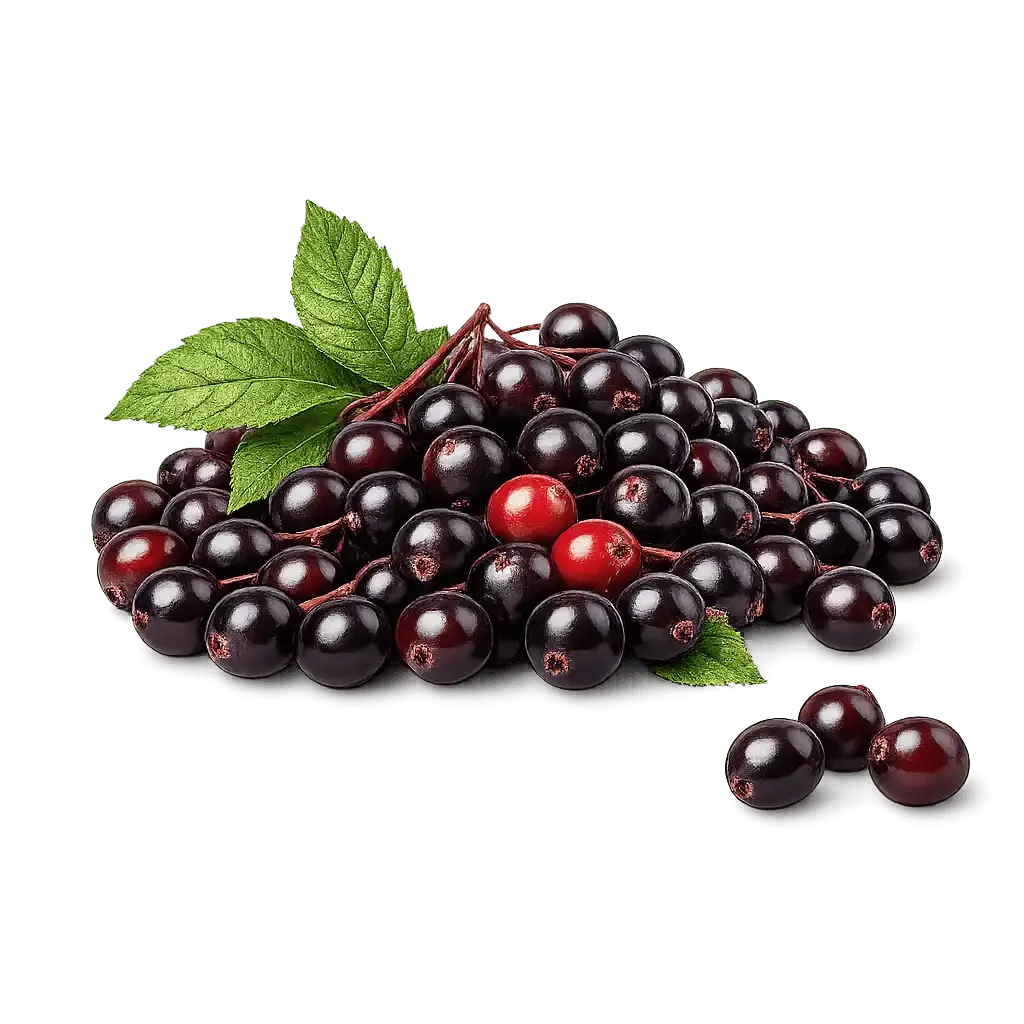
Unripe berries appear as tight, small green clusters in early to mid-summer. As they develop, they transition through shades of red and eventually to a deep, glossy purplish-black when fully ripe. This color progression takes roughly 8 to 10 weeks from fruit set.
Ripe berries are round, approximately 1/4 to 3/8 inch in diameter, and hang in drooping clusters of 20 to 30 berries per raceme. Each berry contains a single large stone (pit) relative to its size, which accounts for a significant portion of the fruit's volume. The skin is smooth, shiny, and dark purple to nearly black when fully mature. The flesh is dark red with deeply pigmented juice that stains everything it touches.
Ripening time varies by region but generally occurs from late July through September. Berries within a single cluster ripen somewhat unevenly, with those at the base of the raceme maturing first. The visual contrast between the dark ripe berries, reddish transitioning fruit, and green stragglers on the same cluster is quite striking. Plan to harvest when approximately 80 to 90 percent of the berries in a cluster have turned dark.
How Much Berry Can You Collect?
Yield from chokecherry depends heavily on the plant's age, sun exposure, moisture availability, and whether it has been improved through variety selection or is wild-harvested.
Young plants (years 3 to 5): Expect 1 to 5 pounds per plant. These early harvests are great for small-batch experimentation with recipes.
Mature plants (years 6 and beyond): A healthy, well-sited mature chokecherry can produce 10 to 30 pounds of fruit per season. Exceptional specimens in ideal conditions have been reported to yield up to 40 pounds. Improved cultivars like 'Garrington' or 'Boughen's Chokeless' tend toward the higher end.
Per-row and larger plantings: Chokecherries planted as a hedgerow at 8 to 10 foot spacing will yield approximately 50 to 150 pounds per 100 linear feet once fully established. In an orchard-style planting at 12 to 15 foot spacing, you can expect roughly 2,000 to 5,000 pounds per acre from mature plants.
Harvest season runs from late July through September, depending on your zone and the specific cultivar. The window for any individual plant is typically 2 to 3 weeks from first ripe to last ripe berries.
Ease of harvest is moderate. The hanging racemes make picking relatively straightforward. Many homesteaders strip entire clusters by hand or use a wide-mouthed bucket beneath the branch and rake the berries off with their fingers. A single person can harvest 5 to 10 pounds per hour from productive mature plants.
Homestead reality: Even two or three mature chokecherry bushes will produce more fruit than a typical family can eat fresh (not that you would want to, given the astringency). The real value is in processing. Twenty pounds of chokecherries will yield roughly 8 to 10 pints of jelly, making just a few plants more than sufficient for a family's annual supply.
Why Chokecherry Berries Are Good for You
Chokecherries pack a surprising nutritional punch for such a small fruit, and modern research is beginning to confirm what traditional users have known for generations.
Key vitamins and minerals: Chokecherries are a solid source of vitamin C, providing roughly 15 to 20 milligrams per 100 grams of fresh fruit. They also contain meaningful amounts of vitamin A, potassium, manganese, and iron. The mineral content is particularly notable in dried chokecherries, where concentrations increase significantly.
Antioxidants: This is where chokecherry truly shines. The deep purple pigmentation signals exceptionally high levels of anthocyanins, the same class of powerful antioxidants found in blueberries and acai. Research published in the Journal of Agricultural and Food Chemistry has documented chokecherry's high total phenolic content and strong free-radical scavenging activity. The anthocyanin concentration in chokecherry rivals or exceeds that of many commercially popular "superfruits."
Research-backed health benefits: Studies have shown that chokecherry extracts demonstrate anti-inflammatory properties and may support cardiovascular health through their effects on oxidative stress. Preliminary research suggests potential benefits for blood sugar regulation as well, though more study is needed in this area.
Traditional medicinal uses: Indigenous peoples across North America used chokecherry extensively in traditional medicine. The bark was prepared as a tea for coughs, colds, and digestive complaints. The berries, particularly when dried and mixed into pemmican, served as both a nutritional staple and a food preservation aid, as the fruit's natural compounds helped inhibit spoilage. The Cheyenne, Blackfoot, Cree, and many other nations considered chokecherry one of their most important plant resources.
Important safety note: Chokecherry leaves, bark, stems, and pits contain cyanogenic glycosides (compounds that release hydrogen cyanide). The ripe fruit flesh and juice are safe when properly prepared, but pits should never be crushed and consumed. Cooking and processing neutralize any trace compounds in the juice.
What You Can Make with Chokecherry Berries
Chokecherries are a processing berry, and their culinary versatility is outstanding. Here is what you can create from your harvest.
Chokecherry Jelly: The classic and most popular use. The fruit's natural tartness and pectin content make it ideal for jelly-making. The result is a gorgeous, ruby-colored spread with a complex, slightly tart, slightly sweet flavor unlike any commercial product.
Chokecherry Syrup: Rich, dark, and deeply flavored, chokecherry syrup is extraordinary on pancakes, waffles, and ice cream. It is essentially a thinner version of the jelly process and stores well when canned in a water bath.
Chokecherry Wine: A homestead favorite across the northern plains and prairies. Chokecherry wine ranges from dry to sweet and has a deep garnet color. Fermentation eliminates any astringency, and the finished product has a unique, full-bodied character.
Pies and Cobblers: While chokecherries require more sugar than standard pie cherries, the resulting baked goods have a distinctive, wild-cherry flavor that is deeply satisfying. Combine with a bit of lemon juice to balance sweetness.
Chokecherry Sauce: A savory preparation that pairs beautifully with game meats, pork, and poultry. Reduce chokecherry juice with a touch of vinegar, sugar, and spices for a sauce that rivals high-end restaurant condiments.
Fruit Leather: Puree the cooked and strained juice with a sweetener and dehydrate at 135 degrees Fahrenheit for a chewy, portable snack.
Pemmican: Following the traditional method, mix dried chokecherries (pounded to a coarse meal, pits removed) with dried meat and rendered fat. This was one of the original high-energy survival foods.
Homestead tip: Always cook chokecherries and strain them through cheesecloth or a jelly bag before using. This removes the pits and skins and gives you a clean juice or puree as your base. Never crush or grind the pits into your preparation.
Best Ways to Store, Can, or Make Jam
Proper preservation is where chokecherries really earn their keep on the homestead. Here are the best methods.
Freezing: The simplest preservation method. Wash and de-stem berries, spread on sheet pans to freeze individually, then transfer to freezer bags. Remove as much air as possible. Label with the date. Keeps 12 to 18 months at 0 degrees Fahrenheit.
Canning Chokecherry Jelly (Recipe):
Ingredients: 3 1/2 cups chokecherry juice (from approximately 4 pounds fresh berries) 1 package (1.75 ounces) powdered pectin 4 1/2 cups granulated sugar 2 tablespoons lemon juice
Method:
Wash and crush berries in a large pot. Add 1 cup water and bring to a boil. Simmer 15 minutes.
Strain through a damp jelly bag or several layers of cheesecloth for at least 2 hours. Do not squeeze the bag if you want clear jelly.
Measure 3 1/2 cups juice into a large pot. Stir in pectin and lemon juice. Bring to a full rolling boil over high heat, stirring constantly.
Add sugar all at once. Return to a full rolling boil and boil exactly 1 minute, stirring constantly.
Remove from heat, skim foam, and ladle into hot, sterilized half-pint jars, leaving 1/4 inch headspace.
Wipe rims, apply lids and bands, and process in a boiling water bath for 10 minutes (adjust for altitude: add 5 minutes above 6,000 feet).
Yield: approximately 5 to 6 half-pint jars.
Chokecherry Syrup: Follow the jelly recipe but reduce sugar to 2 cups and omit pectin. Simmer juice and sugar together until slightly thickened, about 10 minutes. Process in a boiling water bath for 10 minutes in half-pint or pint jars.
Drying: Use a food dehydrator set to 135 degrees Fahrenheit. Spread cooked, strained chokecherry pulp on lined dehydrator trays for leather, or dry whole berries for 12 to 18 hours until fully dehydrated. Store in vacuum-sealed bags or airtight glass jars.
Juice concentrate: Reduce strained chokecherry juice by half over medium heat, then freeze in ice cube trays. Transfer frozen cubes to freezer bags. Each cube reconstitutes into a measured amount of juice for future recipes.
Pros of Growing Chokecherry
Extreme cold hardiness. Chokecherry thrives in USDA Zones 2 through 7, surviving winter temperatures down to minus 40 degrees Fahrenheit or colder. Few other fruit-bearing plants can match this level of cold tolerance.
Low maintenance requirements. Once established, chokecherry needs almost no supplemental irrigation, fertilization, or spraying in most regions. It is one of the most hands-off fruit producers a homesteader can grow.
Native plant benefits. As a North American native, chokecherry supports local pollinators, songbirds, and wildlife. It integrates naturally into permaculture and food forest systems without disrupting the local ecology.
Multi-use plant. Beyond fruit production, chokecherry functions as a windbreak, hedgerow, erosion control planting, and wildlife habitat. It provides screening and privacy while producing food.
Excellent preservation qualities. Chokecherries are purpose-built for long-term storage. The fruit makes outstanding jelly, syrup, wine, and dried products that retain quality for a year or more.
Adaptable to poor soils. Chokecherry tolerates a wide range of soil types, including clay, sandy, rocky, and moderately alkaline soils. It is not fussy about fertility and performs reasonably well even in marginal ground.
Long productive lifespan. With a productive life of 20 to 40 years, a chokecherry planting is a long-term investment that pays dividends for decades.
Cons of Growing Chokecherry
Astringent when raw. The name says it all. Fresh chokecherries are mouth-puckeringly astringent and are not enjoyable eaten raw. All fruit must be processed before it is palatable, which adds labor and time to the harvest.
Suckering habit. Chokecherry spreads aggressively via root suckers. Without regular management, a single plant can colonize a significant area. This is useful in hedgerow plantings but problematic in tidy garden settings. Mow or dig suckers regularly to keep plants contained.
Cyanide compounds in non-fruit parts. Leaves, bark, stems, and especially crushed pits contain cyanogenic glycosides. While the ripe fruit is safe when properly prepared, livestock owners need to be aware that wilted chokecherry leaves are toxic to cattle and horses. Keep animals away from pruning debris.
Large pit-to-fruit ratio. The single stone inside each berry is disproportionately large relative to the fruit size. This means less usable flesh per pound of harvested berries compared to other fruit crops. Plan for roughly 50 to 60 percent waste by weight when processing.
Susceptibility to X-disease. Chokecherry can be a host for X-disease phytoplasma, which also affects commercial stone fruits like peaches and cherries. In areas near commercial orchards, this can be a concern, and some agricultural extension offices discourage planting chokecherry near stone fruit production.
Tent caterpillars and other pests. Eastern tent caterpillars and Western tent caterpillars are particularly attracted to chokecherry. Infestations can defoliate plants, though healthy specimens typically recover. Black knot fungus can also be an issue in humid regions.
Staining. Chokecherry juice stains clothing, countertops, cutting boards, and hands a deep, persistent purple. Work in old clothes and use stainless steel or glass equipment when processing.
Growing Tips for Homesteaders
Site selection: Plant chokecherry in full sun for maximum fruit production. It will tolerate partial shade but yields will be significantly reduced. Choose a location with well-drained soil. Chokecherry tolerates a wide pH range (5.0 to 8.0) but performs best in slightly acidic to neutral soils. Avoid low-lying areas where late spring frosts might damage blossoms. South-facing slopes in northern zones are ideal.
Planting: Plant bare-root stock in early spring while still dormant, or container-grown plants from spring through early fall. Space plants 8 to 10 feet apart for a hedgerow, or 12 to 15 feet apart for individual specimen growth. Dig a hole twice the width of the root ball and the same depth. Backfill with native soil (no amendments needed), water thoroughly, and apply 3 to 4 inches of wood chip mulch in a 3-foot circle around the base, keeping mulch a few inches away from the trunk.
Maintenance: Water newly planted chokecherries weekly during the first growing season if rainfall is less than 1 inch per week. After the first year, supplemental watering is rarely needed except during extended drought. Prune in late winter to remove dead, damaged, or crossing branches. Thin interior growth to improve air circulation and light penetration. Remove suckers as they appear if you want to keep the planting contained. Fertilization is generally unnecessary, but a light application of balanced organic fertilizer (such as compost or aged manure) in early spring can boost production on poor soils.
Variety selection: If available, choose improved cultivars for better fruit quality and higher yields. 'Garrington' produces larger, less astringent berries. 'Boughen's Chokeless' is another improved selection with reduced astringency. 'Robert' and 'Lee' were developed in Canada specifically for fruit production. Wild chokecherry seedlings are perfectly productive but will have more variable fruit quality.
Companion planting and integration: Chokecherry works well in mixed hedgerows alongside other native shrubs like elderberry, serviceberry, and hazelnut. In permaculture systems, plant it on the northern edge of food forest guilds where it will not shade lower-growing plants. Its early bloom time provides critical pollinator forage, benefiting nearby fruit trees and garden crops. Avoid planting directly adjacent to commercial stone fruit trees (peaches, cherries, plums) due to X-disease concerns.
Conclusion
Chokecherry is not a glamorous fruit. It will never win beauty contests at the farmers' market, and nobody is going to reach for a handful of raw berries as a snack. But for the homesteader looking to build a resilient, productive, and low-maintenance perennial food system, it is one of the smartest plants you can put in the ground.
Its ability to produce reliable harvests in climates that break most other fruit crops is remarkable. The preservation possibilities are extensive, from jelly and syrup to wine and dried fruit, and the products you make from chokecherry will rival anything you can buy. Add in the windbreak potential, wildlife value, and the sheer toughness of this native shrub, and you have a plant that earns its space on any homestead from Zone 2 to Zone 7.
If you have a sunny spot with decent drainage and the willingness to put in a few hours of processing each August, plant some chokecherries. In three to five years, you will have a productive fruit source that will keep producing for the rest of your life on the land. That is the kind of investment that makes homesteading work.
Explore more guides on different types of berries