
Huckleberry
Complete Homestead Growing Guide
Botanical Name: Vaccinium spp. (most commonly Vaccinium membranaceum, Vaccinium ovatum, and Vaccinium parvifolium)
Origin: Huckleberries are native to North America, with the greatest diversity of species found across the Pacific Northwest, Northern Rockies, and Appalachian regions. Indigenous peoples have harvested wild huckleberries for thousands of years, and the berry remains deeply tied to the cultural and culinary traditions of the American West.
Description: Huckleberries are small, round, wild berries that belong to the heath family (Ericaceae), closely related to blueberries and cranberries. Unlike blueberries, huckleberries contain 10 hard, small seeds and have not been widely domesticated for commercial agriculture. The plants range from low, spreading groundcovers to upright shrubs depending on species. The berries themselves are intensely flavored, far more complex and aromatic than their cultivated blueberry cousins, with a balance of sweetness and tartness that makes them one of the most prized wild fruits on the continent.
Size: Depending on the species, huckleberry bushes range from 1 to 6 feet tall. Vaccinium membranaceum (thin leaf or black huckleberry) typically grows 2 to 4 feet tall. Vaccinium ovatum (evergreen huckleberry) can reach 4 to 6 feet in ideal conditions. The compact size of most species makes them well suited to hedgerows, understory plantings, and border rows on a homestead.
Why It Matters for Homesteaders: Huckleberries fill a niche that few other plants can. They thrive in acidic, woodland soils where many food crops struggle. They produce reliable harvests with minimal inputs once established. They store beautifully by freezing, drying, or canning. And the market value of huckleberries is extraordinary, often fetching $30 to $60 per pound at farmers markets and specialty retailers because they remain largely uncultivated. For the homesteader willing to invest patience, huckleberries offer a low maintenance, high value perennial food source that can produce for 30 years or more.
How Long Does It Take to Grow?
Huckleberries demand patience. This is not a crop you plant and harvest the same season. Understanding the timeline will save you frustration and help you plan accordingly.
Year 1: Focus entirely on root establishment. Whether you start from transplants, cuttings, or seed, first year plants are putting all their energy underground. You may see a handful of flowers, but you should pinch them off to direct energy into root growth. Expect plants to reach 6 to 12 inches tall.
Year 2: Moderate top growth begins. Plants start filling out and may produce a small number of berries, roughly a handful per plant. Resist the urge to harvest heavily. Let the plant continue building structure.
Year 3: Noticeable berry production begins. You can expect a light harvest of about 1/4 to 1/2 pound per plant depending on species and growing conditions. The bush is now visibly established and putting on healthy new growth each season.
Years 4 to 6: Production steadily increases. Plants are reaching mature size and producing 1 to 2 pounds per bush annually. This is when your huckleberry patch starts becoming genuinely productive.
Years 7 and Beyond: Full production. Mature, well sited huckleberry bushes can produce 2 to 5 pounds per plant per year, with some exceptional specimens producing more. Plants in favorable conditions will continue producing for 30 to 50 years with minimal care.
Starting from Seed: Add 1 to 2 extra years to this timeline. Huckleberry seeds require 60 to 90 days of cold stratification and germination rates are often below 50%. Most homesteaders prefer starting from transplants or divisions of established wild plants.
Berry Shelf Life
Fresh: Huckleberries are more perishable than blueberries due to their thinner skin. Expect 3 to 5 days at room temperature and 7 to 10 days refrigerated at 34 to 38 degrees Fahrenheit. Do not wash berries until ready to use, as moisture accelerates spoilage.
Frozen: Huckleberries freeze exceptionally well and retain nearly all their flavor and nutritional value. Spread berries in a single layer on a baking sheet, freeze solid (about 2 hours), then transfer to freezer bags or vacuum sealed pouches. Properly frozen huckleberries will keep 12 to 18 months at 0 degrees Fahrenheit.
Dried: Dehydrated huckleberries keep 6 to 12 months stored in airtight containers in a cool, dark location. Dry at 135 degrees Fahrenheit for 10 to 16 hours until leathery but not brittle. Dried huckleberries make excellent trail mix additions and baking ingredients.
Jams and Preserves: Properly canned huckleberry jam or preserves have a shelf life of 12 to 18 months stored in a cool pantry. Once opened, refrigerate and use within 3 to 4 weeks.
Homestead Storage Tip: Vacuum sealing is the single best investment for huckleberry storage. It extends freezer life, prevents freezer burn, and allows you to portion berries into exact amounts for recipes throughout the year. A $40 vacuum sealer will pay for itself in preserved berries within the first season.
Berry Color and Appearance
Flowers: Huckleberry blossoms are small, urn shaped, and appear in late spring to early summer (May through June in most zones). Colors range from pinkish white to pale cream. They hang in delicate clusters and are highly attractive to native pollinators, especially bumblebees.
Unripe Berries: Young huckleberries start as small, hard, green spheres. As they develop, they transition through shades of pale green, light pink, and reddish purple before reaching full ripeness.
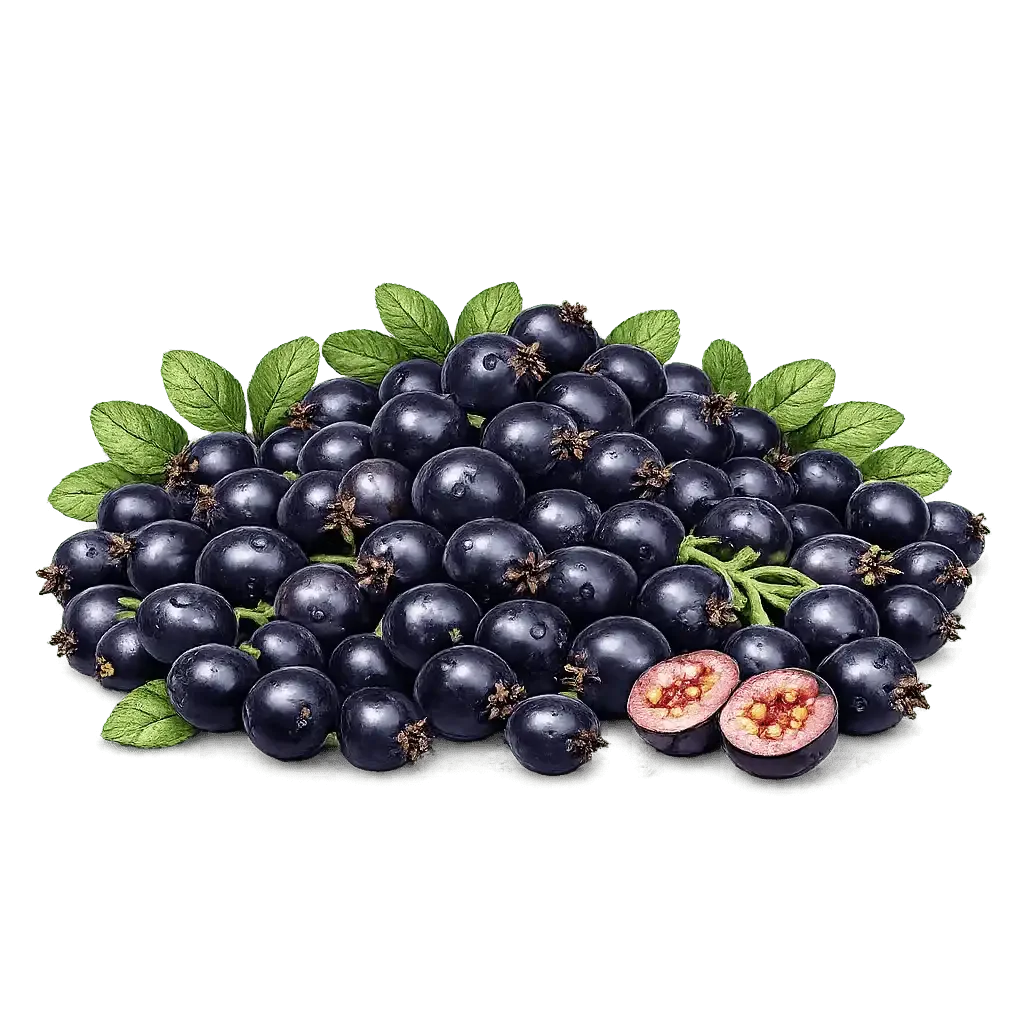
Ripe Berries: Depending on species, ripe huckleberries range from deep blue black (V. membranaceum) to bright red (V. parvifolium) to dark purple (V. ovatum). The most commonly harvested species produce dark purple to black berries with a slight waxy bloom, similar to blueberries but typically smaller.
Size: Individual berries measure 1/4 to 1/2 inch in diameter. They are generally smaller than cultivated blueberries but larger than wild lowbush blueberries.
Cluster Pattern: Unlike blueberries, which tend to form tight clusters, huckleberries often grow individually or in loose, scattered groups along the branch. This makes hand picking slower but also means berries ripen more evenly across the bush.
Seeds: Each huckleberry contains 10 small, hard, somewhat crunchy seeds. This is the key botanical distinction from blueberries, which contain many tiny, soft, almost unnoticeable seeds. The seeds in huckleberries are mildly crunchy but do not detract from the eating experience.
Ripening Time: Most species ripen mid July through September, with peak harvest in August for most USDA zones (4 through 8). Elevation significantly affects timing, with higher altitude patches ripening 2 to 4 weeks later than lowland plants.
Visual Appeal: Huckleberry bushes are genuinely beautiful plants. The foliage turns brilliant shades of orange, red, and burgundy in autumn, making them valuable ornamental and edible landscape plants for the homestead.
How Much Berry Can You Collect?
Young Plants (Years 1 to 3): Expect minimal to no harvest in years 1 and 2. By year 3, you may collect 1/4 to 1/2 pound per plant.
Mature Plants (Years 5 and Up): A well established huckleberry bush produces 2 to 5 pounds per plant annually. This varies significantly with species, site conditions, and weather during pollination.
Per Row Estimate: A 100 foot row of huckleberries planted at 4 foot spacing (25 plants) should produce 50 to 125 pounds of berries per year once mature.
Per Acre Estimate: At a planting density of approximately 2,700 plants per acre (4 by 4 foot spacing), a mature planting could theoretically yield 5,400 to 13,500 pounds per acre. Realistically, with access paths and variable plant performance, expect 3,000 to 8,000 pounds per acre.
Harvest Season: Typically 4 to 6 weeks, beginning mid July and extending into September depending on location and species. Higher elevation patches extend the season as berries ripen progressively later.
Ease of Harvest: This is where homestead reality sets in. Huckleberries are hand picked. There is no mechanical harvester for these berries. Expect to pick 1 to 3 pounds per hour depending on bush density and berry size. This is slow, meditative work. A family of four can reasonably pick 10 to 20 pounds on a good weekend outing.
Homestead Reality: Huckleberries are not a volume crop for most homesteads. They are a high value, low volume harvest. Plan your patch size around your family's consumption needs. For a family of four, 20 to 30 mature plants will produce enough berries for fresh eating, a year's worth of jam, and a healthy freezer stash.
Why Huckleberries Are Good for You
Key Vitamins and Minerals: Huckleberries are an excellent source of vitamin C (providing roughly 15% of the daily value per cup), vitamin A, potassium, manganese, and iron. They also supply meaningful amounts of B vitamins and dietary fiber (approximately 3 to 4 grams per cup).
Antioxidants: Huckleberries are loaded with anthocyanins, the same class of powerful antioxidants found in blueberries but often in higher concentrations. The deep pigment of the berry skin is directly correlated with antioxidant content. Research published in the Journal of Agricultural and Food Chemistry has shown that wild huckleberries can contain significantly higher levels of phenolic compounds and antioxidant activity compared to cultivated blueberries.
Heart Health: The anthocyanins in huckleberries have been associated with improved cardiovascular function, reduced inflammation, and lower blood pressure in multiple peer reviewed studies.
Blood Sugar Regulation: Historically, huckleberry leaf tea was used by indigenous communities and early settlers to help manage blood sugar levels. Modern research has found that certain compounds in Vaccinium species may improve insulin sensitivity, though more human clinical trials are needed.
Eye Health: The high anthocyanin content supports visual acuity and may help protect against age related macular degeneration. This is consistent with the broader body of research on dark pigmented berries and eye health.
Traditional Medicinal Uses: Native American tribes across the Pacific Northwest used huckleberries as both food and medicine. The berries were eaten fresh and dried for winter stores. Leaf infusions were used for pain relief, inflammation, and digestive complaints. The roots were sometimes used in poultices for sore joints. While modern medicine has not validated all traditional uses, the nutritional density of the berry is well established.
What You Can Make with Huckleberries
Jam and Preserves: Huckleberry jam is the gold standard of wild berry preserves. The intense flavor holds up beautifully to sugar and pectin, producing a jam that is far more complex than standard blueberry or grape. Spread it on sourdough, biscuits, or use it as a glaze for roasted meats.
Pies and Cobblers: Huckleberry pie is a regional legend in the Pacific Northwest and Northern Rockies for good reason. The firm seeds give a pleasant textural contrast, and the flavor deepens with baking. Use any standard blueberry pie recipe and substitute huckleberries one to one.
Syrup: Huckleberry syrup is a breakfast table staple on many homesteads. Simmer 4 cups berries with 2 cups sugar and 1 cup water for 15 minutes, strain, and bottle. It keeps refrigerated for 3 to 4 weeks or can be water bath canned for shelf stable storage.
Wine and Mead: Huckleberries produce a rich, deeply colored wine with excellent body and complex fruit character. Use 4 to 5 pounds of berries per gallon of wine. Huckleberry mead (using honey as the fermentable sugar) is another outstanding option for homesteaders who keep bees.
Baked Goods: Muffins, scones, pancakes, and quick breads all benefit from huckleberries. The berries hold their shape better than blueberries during baking due to their firmer structure.
Sauces and Reductions: A huckleberry reduction sauce pairs exceptionally well with venison, elk, duck, and pork. Simmer berries with a splash of red wine, a bit of sugar, and fresh thyme until thickened. This is a homestead dinner party showstopper.
Leather and Fruit Rolls: Puree huckleberries, spread thin on dehydrator sheets, and dry at 135 degrees Fahrenheit for 8 to 12 hours. The result is a nutrient dense, shelf stable snack that kids love.
Homestead Tip: Freeze berries in pre measured portions (2 cup bags for pies, 4 cup bags for jam batches). This makes midwinter baking and preserving fast and eliminates guesswork.
Best Ways to Store, Can, or Make Jam
Freezing (Recommended Primary Method): Rinse berries gently, pat dry, and spread on a parchment lined baking sheet in a single layer. Freeze for 2 hours, then transfer to vacuum sealed bags or heavy duty freezer bags with air pressed out. Label with date and quantity. Keeps 12 to 18 months at 0 degrees Fahrenheit.
Canning Huckleberry Jam
Ingredients: 4 cups crushed huckleberries (about 2.5 pounds whole berries), 3 cups granulated sugar, 1 package (1.75 ounces) powdered pectin, 2 tablespoons lemon juice
Method:
Wash and crush berries in a large, heavy bottomed pot.
Stir in powdered pectin and lemon juice. Bring to a full rolling boil over high heat, stirring constantly.
Add sugar all at once. Return to a full rolling boil and boil exactly 1 minute, stirring constantly.
Remove from heat. Skim any foam.
Ladle hot jam into sterilized half pint jars, leaving 1/4 inch headspace.
Wipe rims, apply lids and bands finger tight.
Process in a boiling water bath for 10 minutes (adjust for altitude: add 5 minutes above 6,000 feet).
Remove jars and cool undisturbed for 12 to 24 hours. Check seals before storing.
Yield: Approximately 5 to 6 half pint jars.
Huckleberry Syrup: Follow the recipe in the previous section. For shelf stable storage, process in a boiling water bath for 10 minutes in sterilized half pint or pint jars.
Drying: Spread clean berries on dehydrator trays in a single layer. Dry at 135 degrees Fahrenheit for 10 to 16 hours, checking periodically. Berries should be leathery and pliable, not hard or brittle. Condition dried berries by placing them in a sealed glass jar for 5 to 7 days, shaking daily. If moisture appears on the jar walls, return berries to the dehydrator. Store in airtight containers for up to 12 months.
Other Preservation Methods: Huckleberries can also be preserved in a light sugar syrup (2 cups sugar to 4 cups water) and water bath canned in pint jars for 15 minutes. This method retains whole berry texture and is ideal for winter dessert toppings. Huckleberry vinegar (berries steeped in white wine vinegar for 2 to 4 weeks, then strained) makes an excellent salad dressing base.
Pros of Growing Huckleberries
Exceptional Flavor and Market Value: Huckleberries command premium prices ($30 to $60 per pound) because they cannot be commercially farmed at scale. Even small homestead harvests translate into significant value, whether sold, traded, or gifted.
Extreme Longevity: A well sited huckleberry patch will produce berries for 30 to 50 years with minimal intervention. This is a true perennial investment that rewards patience with decades of harvests.
Low Input Requirements: Once established, huckleberries need almost no fertilizer, minimal pruning, and no pesticides. They are adapted to lean, acidic soils and thrive on neglect compared to most fruit crops.
Wildlife and Pollinator Habitat: Huckleberry plantings support native pollinators, songbirds, and other wildlife. They integrate beautifully into permaculture designs and food forest systems.
Cold Hardiness: Most huckleberry species are hardy to USDA Zone 3 or 4, making them viable across the vast majority of the northern United States and southern Canada.
Ornamental Value: Huckleberries are attractive landscape plants with spring flowers, summer berries, and brilliant fall foliage. They serve double duty as both food producers and beautiful hedgerows or border plantings.
Shade Tolerance: Unlike most fruit bearing plants, huckleberries tolerate and often prefer partial shade. They thrive in woodland edges and understory conditions where other food crops fail.
Cons of Growing Huckleberries
Slow Establishment: The 3 to 5 year wait for meaningful production is the biggest drawback. Homesteaders accustomed to annual vegetable crops or fast producing fruits like strawberries may find the timeline frustrating.
Low Yield Per Plant: Even mature plants produce only 2 to 5 pounds annually. This is a fraction of what a blueberry bush or bramble can produce. You need more plants to achieve equivalent volume.
Labor Intensive Harvest: Hand picking is the only option. At 1 to 3 pounds per hour, harvesting is slow and physically demanding, especially on slopes or in dense brush.
Difficulty Sourcing Plants: Huckleberry transplants are not widely available at standard nurseries. You may need to order from specialty native plant nurseries, propagate from cuttings, or transplant wild specimens (where legal and ethical).
Specific Soil Requirements: Huckleberries demand acidic soil (pH 4.5 to 5.5) with high organic matter. If your homestead has alkaline or clay heavy soil, significant amendment will be needed, and ongoing pH management may be required.
Wildlife Competition: Bears, birds, deer, and rodents all love huckleberries. Netting is often necessary to protect your harvest, and bear encounters are a genuine consideration in some regions.
Resistance to Domestication: Huckleberries have largely resisted commercial cultivation. They do not transplant as reliably as blueberries, and propagation success rates from seed or cutting can be inconsistent.
Growing Tips for Homesteaders
Site Selection: Choose a location that mimics the huckleberry's natural habitat: dappled shade or morning sun with afternoon shade, well drained acidic soil, and protection from drying winds. North facing slopes or the east side of buildings and tree lines are ideal. Avoid full, all day sun in hot climates (Zone 7 and above), as leaf scorch and moisture stress become problems.
Soil Preparation: Test your soil pH before planting. Huckleberries need a pH of 4.5 to 5.5. Amend with elemental sulfur (1 to 2 pounds per 100 square feet) to lower pH if needed, and incorporate generous amounts of acidic organic matter such as pine needle mulch, composted pine bark, or peat moss. Avoid lime, wood ash, and mushroom compost, as these raise pH.
Planting: Space plants 3 to 5 feet apart depending on species. Plant at the same depth they were growing in the pot or the wild. Water deeply at planting and mulch heavily (3 to 4 inches) with pine needles, wood chips, or shredded bark to retain moisture and suppress weeds. Fall planting (September through October) is preferred in most regions, as it allows root establishment before winter dormancy.
Watering: Huckleberries need consistent moisture, especially during the first 2 to 3 years. Provide 1 inch of water per week during dry periods. Drip irrigation on a timer is the most efficient approach. Avoid overhead watering during fruiting, as it can promote mold and premature fruit drop.
Mulching and Fertilizing: Maintain a 3 to 4 inch mulch layer year round. Feed sparingly with an acidifying fertilizer formulated for azaleas or blueberries (such as a 10-5-4 with sulfur) in early spring. Over fertilizing huckleberries is worse than under fertilizing. These are adapted to lean soils and excessive nitrogen will produce leafy growth at the expense of fruit.
Pruning: Huckleberries need minimal pruning. Remove dead, damaged, or crossing branches in late winter. After year 5, you can selectively remove the oldest canes to encourage new productive growth from the base. Never remove more than one third of the plant in a single season.
Companion Planting: Huckleberries grow naturally alongside conifers, rhododendrons, salal, Oregon grape, and ferns. On the homestead, they pair well with blueberries, lingonberries, and other acid loving plants. Avoid planting near walnut trees (juglone toxicity) or plants that prefer alkaline soil. Underplant with native ground covers like bunchberry (Cornus canadensis) or wild ginger to suppress weeds and maintain soil moisture.
Variety and Species Selection: For most homesteaders in USDA Zones 4 through 7, Vaccinium membranaceum (black huckleberry) is the best choice for fruit production. In milder, coastal climates (Zones 7 through 9), Vaccinium ovatum(evergreen huckleberry) is an excellent dual purpose edible and ornamental. Vaccinium parvifolium (red huckleberry) is best suited to Pacific Northwest conditions and produces tart, bright red berries favored for jams and sauces. Source plants from reputable native plant nurseries and, when possible, select stock grown from seed collected near your region for best adaptation.
Conclusion
Huckleberries are not the easiest crop on the homestead, and they are certainly not the fastest. They ask for patience, acidic soil, and the willingness to hand pick every single berry. But what they give back is extraordinary: decades of reliable production, berries with a depth of flavor that no cultivated fruit can match, and a harvest so valuable that a small patch can supply your family with premium preserves, baked goods, and bartering leverage for years to come.
For the homesteader who thinks in terms of perennial systems and long term investment, huckleberries are one of the smartest plantings you can make. They thrive in conditions where other crops struggle, they build habitat for pollinators and wildlife, and they slot naturally into food forests, hedgerows, and woodland edges without demanding constant attention. Twenty mature bushes tucked along a tree line will quietly outperform many higher maintenance crops in terms of value per square foot over a 20 year window.
Start small, be patient, and give your huckleberries the acidic, shaded, well mulched conditions they evolved in. In a few years, when you are pulling pints of dark, jewel toned berries off bushes that ask almost nothing of you, the wait will have been more than worth it.
Explore more guides on different types of berries