
Black Currants
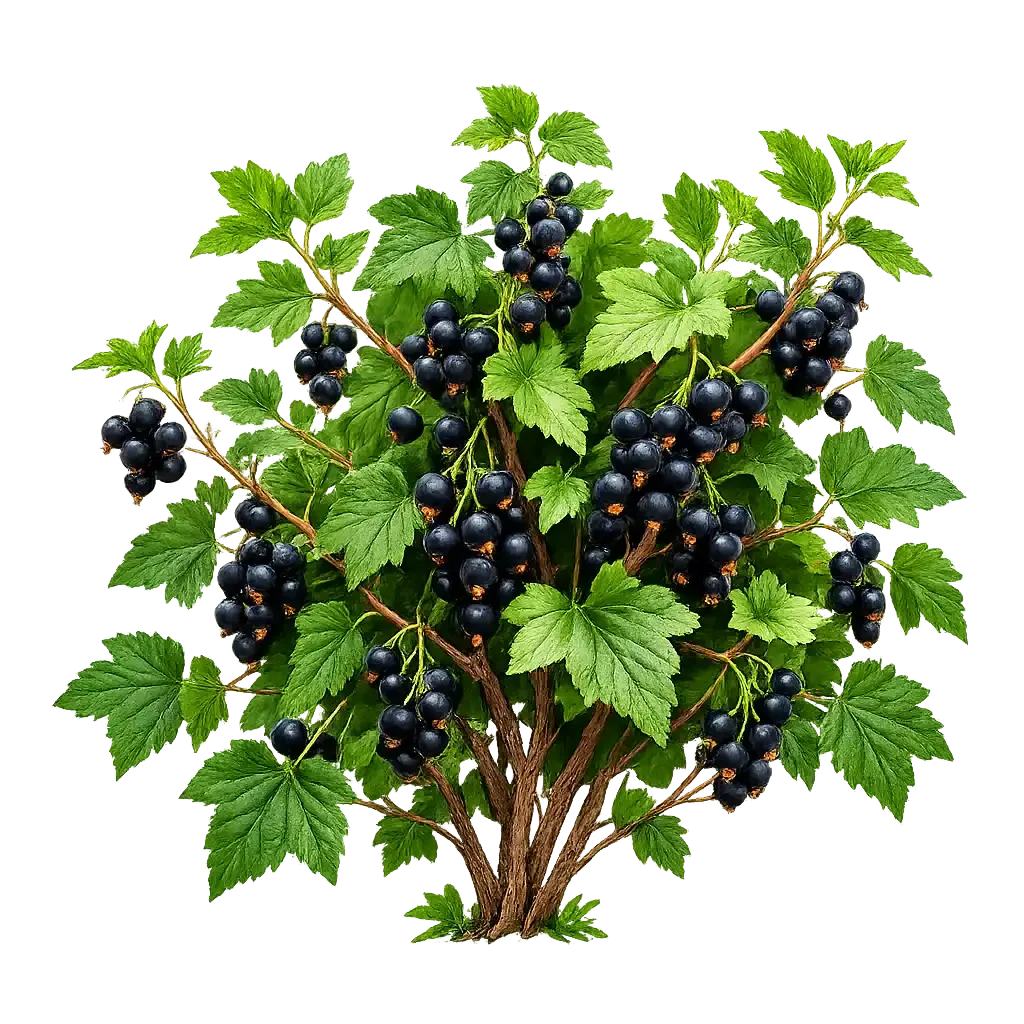
Black currants are one of the most nutrient dense and productive berry bushes available to home gardeners and homesteaders. While they remain less common than red currants in North America, they have been cultivated for centuries across Europe and Asia for their intense flavor, medicinal value, and exceptional productivity in cold climates.
Black currants reward growers who are willing to plan for long term harvests, regular pruning, and thoughtful placement in the landscape. This guide covers black currants in depth, including spacing, planting timelines, first harvest expectations, lifespan, pruning strategy, advantages, limitations, and practical uses for the fruit.
What Are Black Currants
Black currants are deciduous shrubs in the Ribes genus. They produce dark purple to nearly black berries that grow in hanging clusters called strigs. Each bush forms a compact but vigorous structure with multiple canes emerging from the base.
The berries are small but intensely flavored. Unlike red currants, which have a sharp acidity, black currants have a deep, aromatic profile that is often described as earthy, musky, or wine like. This strong flavor makes them better suited for processing rather than casual fresh eating.
Black currants have long been valued not only as a food crop but also for medicinal use. Historically, their leaves, buds, and fruit were used in traditional remedies across Europe.
Why Grow Black Currants
Black currants offer a combination of traits that make them especially valuable in a homestead or food security focused garden.
They are among the highest natural sources of vitamin C found in fruit. They also contain high levels of anthocyanins and antioxidants that support immune health and reduce oxidative stress.
Black currants are extremely cold hardy and capable of surviving winters that damage or kill less resilient fruit crops. They are well suited for northern climates and high elevation regions.
They are also highly productive. When properly pruned and cared for, a single bush can produce a substantial amount of fruit year after year.
For growers focused on preservation, nutrition, and long term yield rather than convenience store sweetness, black currants are an outstanding choice.
Climate and Growing Zones
Black currants grow best in USDA hardiness zones 3 through 7.
They thrive in regions with cold winters and mild to moderate summers. Prolonged heat can reduce fruit quality and stress the plant, so black currants are not ideal for consistently hot climates unless shade and irrigation are carefully managed.
In colder zones, black currants benefit from their ability to withstand late frosts and fluctuating spring temperatures.
Sunlight Requirements
Black currants grow well in full sun to partial shade.
In cooler climates, full sun encourages maximum fruit production and strong cane growth.
In warmer climates, partial shade is beneficial. Afternoon shade helps reduce heat stress, prevents leaf scorch, and improves fruit retention.
An ideal site receives morning sun and filtered or indirect light during the hottest part of the day.
Soil Requirements
Black currants prefer fertile, well drained soil rich in organic matter.
Slightly acidic soil is ideal, but they tolerate near neutral conditions without issue.
They are more tolerant of heavier soils than many berries, but poor drainage can lead to root problems and reduced longevity.
Soil preparation before planting is important. Incorporating compost improves both drainage and nutrient availability.
How Far Apart to Plant Black Currants
Black currant bushes are more vigorous than red currants and require additional space.
Recommended spacing:
4 to 5 feet between plants
6 feet between rows
This spacing allows adequate airflow, reduces disease pressure, and makes pruning and harvesting easier.
Planting black currants too closely together often leads to dense interior growth, increased fungal issues, and reduced fruit size over time.
When to Plant Black Currants
The best time to plant black currants is early spring while plants are dormant.
Fall planting can be successful in mild climates if roots have sufficient time to establish before winter.
Bare root plants are commonly available and establish quickly when planted at the correct time.
Avoid planting during hot or dry periods, as young plants are sensitive to stress during establishment.
Planting Process
To plant black currants successfully:
Dig a hole twice as wide as the root system and slightly deeper.
Set the plant so the crown is level with the soil surface.
Spread roots gently and backfill with soil.
Water thoroughly to eliminate air pockets.
Apply mulch around the base to conserve moisture and suppress weeds.
Planting too deeply can delay growth and reduce vigor.
Watering Needs
Black currants require consistent moisture throughout the growing season.
They are especially sensitive to drought stress during flowering and fruit development.
Deep watering once or twice per week is preferable to frequent shallow watering.
Mulching plays a critical role in maintaining even soil moisture and protecting the root zone from temperature extremes.
Fertilization Strategy
Black currants respond well to organic matter.
In early spring, apply compost or a balanced fertilizer to support new growth.
Avoid excessive nitrogen, particularly later in the season, as it promotes leafy growth at the expense of fruit production and can reduce winter hardiness.
If growth appears weak, additional compost is usually sufficient.
Pruning Black Currants
Pruning is one of the most important aspects of black currant care.
Black currants fruit primarily on one year old wood. This differs from red currants and makes annual pruning essential.
Pruning should be done in late winter or early spring while the plant is dormant.
Each year, remove:
Old wood older than three years
Weak or damaged canes
Crowded interior growth
A productive bush should maintain a constant supply of young, vigorous shoots. Removing older wood encourages strong new growth that will bear fruit the following season.
Neglecting pruning leads to reduced yields and increased disease risk.
When to Expect First Fruit
Black currants typically produce a small crop in their second year after planting.
Meaningful harvests begin in the third year.
Peak production usually occurs between years four and eight, depending on care and growing conditions.
Patience during the establishment years is rewarded with heavy crops later.
Harvest Timing and Yield
Black currants ripen in mid summer.
Berries should be harvested when fully black and slightly soft.
Harvest entire clusters rather than individual berries to minimize damage.
A mature black currant bush can produce 6 to 12 pounds of fruit per season under good conditions.
Harvesting promptly improves fruit quality and reduces loss to birds.
How Long Black Currant Bushes Live
With proper care, black currant bushes typically live 12 to 15 years.
Regular pruning is essential for longevity. Bushes that are not pruned often decline earlier due to overcrowding and disease.
Well maintained plants can remain productive for most of their lifespan.
Pests and Diseases
Black currants are generally resilient, but they can be affected by several common issues.
Aphids can cause curled leaves and reduced vigor.
Spider mites may appear during hot, dry periods.
Powdery mildew and leaf spot are the most common fungal diseases.
Good airflow, proper spacing, resistant varieties, and sanitation significantly reduce disease pressure.
Birds are also attracted to ripening fruit and may require netting in some areas.
Uses of Black Currants
Black currants are rarely eaten fresh due to their strong flavor.
They are commonly used for:
Syrups and cordials
Juice
Jams and preserves
Wine and liqueurs
Medicinal preparations
Baking and sauces
Their flavor remains strong after cooking and processing, making them ideal for preservation.
Black currant leaves are also used in teas and traditional remedies.
Nutritional Value
Black currants are exceptionally high in vitamin C, often exceeding citrus fruits by weight.
They are also rich in anthocyanins, flavonoids, potassium, and fiber.
These compounds support immune health, cardiovascular function, and overall wellness.
For homesteads focused on nutrient dense food production, black currants are a valuable crop.
Companion Planting
Black currants grow well alongside herbs, flowering plants, and other berry bushes.
Good companions include chives, mint grown in containers, and pollinator friendly flowers.
Avoid planting near crops with shared disease susceptibility.
Pros of Planting Black Currants
Extremely high nutritional value
Very cold hardy
High yield per bush
Excellent for preservation and processing
Long history of cultivation
Improved disease resistant varieties available
Cons of Planting Black Currants
Strong flavor not suitable for all tastes
Require regular pruning
Less tolerant of prolonged heat
Limited nursery availability in some regions
Not ideal for fresh eating
Long Term Planning Considerations
Black currants are best suited for growers thinking long term.
They require patience during establishment and consistent annual care.
In return, they provide reliable harvests, exceptional nutrition, and versatility in the kitchen.
For food security focused gardens, black currants offer value that far exceeds their modest footprint.
Final Thoughts
Black currants are a serious plant for serious gardeners. They are not trendy, sweet, or convenient, but they are productive, resilient, and deeply rewarding.
For homesteaders interested in preservation, nutrition, and dependable perennial crops, black currants deserve a place in the landscape.
With proper spacing, regular pruning, and thoughtful site selection, black currant bushes can provide years of reliable harvests and become a cornerstone of a resilient food system.