
Red Currants
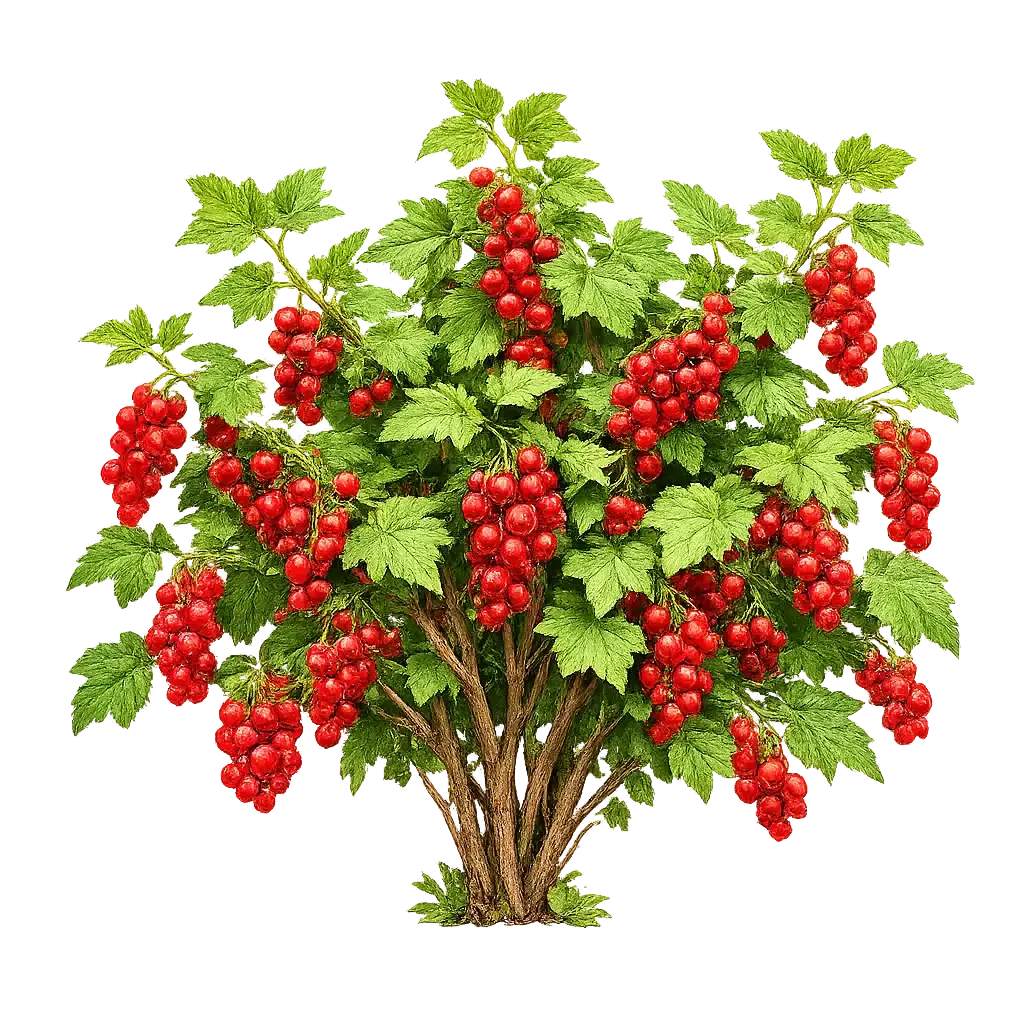
Red currants are one of the most reliable and rewarding berry bushes for temperate climates. Known for their bright translucent fruit and sharp, refreshing flavor, red currants excel in home gardens, food forests, and small homestead plantings. They are productive, cold hardy, and long lived, making them an excellent investment for growers who value consistent harvests over many years.
This guide covers everything you need to know about red currants, from planting and spacing to pruning, harvest timelines, lifespan, advantages, and potential drawbacks.
What Are Red Currants
Red currants are deciduous fruiting shrubs in the Ribes genus. They produce small, round berries that grow in hanging clusters called strigs. The fruit is typically bright red when ripe, with a glossy, jewel like appearance.
Red currants are known for their tart flavor rather than sweetness. While some people enjoy eating them fresh, they are more commonly used in cooking, preserving, and processing.
They are closely related to white currants, which are essentially a color variation with a milder taste.
Why Grow Red Currants
Red currants offer several advantages that make them especially attractive for homesteads and long term gardens.
They are extremely cold hardy and perform well in regions where many other fruits struggle. They tolerate frost, late springs, and cold winters better than many berries.
Red currants are also compact plants that do not require trellising. This makes them easy to fit into mixed plantings, orchard edges, or dedicated berry rows.
Once established, they are dependable producers with relatively low maintenance requirements.
Climate and Growing Zones
Red currants grow best in USDA zones 3 through 7.
They prefer cooler summers and cold winters. In hotter climates, they can still be grown successfully if given afternoon shade and adequate moisture.
Excessive heat can reduce fruit quality and stress the plants, so site selection becomes especially important in warmer regions.
Sunlight Requirements
Red currants grow well in full sun to partial shade.
In cooler climates, full sun encourages strong growth and better fruit production.
In warmer climates, partial shade during the hottest part of the day helps prevent leaf scorch and fruit drop.
A location with morning sun and afternoon shade is often ideal.
Soil Requirements
Red currants prefer well drained soil rich in organic matter.
The ideal soil pH ranges from slightly acidic to neutral, approximately 5.5 to 7.0.
Heavy clay soils should be amended with compost to improve drainage. Sandy soils benefit from added organic material to retain moisture.
Consistent soil moisture is important, but red currants do not tolerate standing water.
How Far Apart to Plant Red Currants
Proper spacing is essential for plant health, airflow, and long term productivity.
Red currant bushes should be planted:
3 to 4 feet apart within a row
5 to 6 feet between rows
This spacing allows sufficient airflow, which helps reduce disease pressure and makes pruning and harvesting easier.
When planted too closely together, red currants are more susceptible to fungal diseases and reduced yields.
When to Plant Red Currants
The best time to plant red currants is early spring, while the plants are still dormant.
In regions with mild winters, fall planting is also an option, provided the plants have enough time to establish roots before freezing temperatures.
Bare root plants are commonly used and establish quickly when planted at the correct time.
Planting Process
To plant a red currant bush:
Dig a hole twice as wide as the root system and slightly deeper.
Set the plant so the crown is level with the soil surface.
Spread roots gently and backfill with soil.
Water thoroughly to eliminate air pockets.
Apply mulch around the base to conserve moisture and suppress weeds.
Avoid planting too deeply, as this can slow establishment.
Watering Needs
Red currants require consistent moisture, especially during flowering and fruit development.
Deep watering once or twice per week is preferable to frequent shallow watering.
Mulching helps maintain soil moisture and reduces temperature fluctuations around the root zone.
Fertilization
Red currants are not heavy feeders.
In early spring, apply compost or a balanced fertilizer.
Avoid excessive nitrogen, which promotes leafy growth at the expense of fruit production.
If plants appear weak or growth is poor, a light compost application mid season is usually sufficient.
Pruning Red Currants
Red currants fruit primarily on two and three year old wood.
Pruning should be done during late winter or early spring while the plant is dormant.
The goal is to maintain an open bush with a mix of young and mature canes.
Each year, remove:
Dead or damaged branches
Weak or crossing stems
The oldest wood once it exceeds three or four years
A mature bush should have approximately 8 to 12 healthy canes.
When to Expect First Fruit
Red currants typically begin producing fruit in their second year after planting.
Light harvests can be expected in year two.
Full production usually begins in year three or four, depending on growing conditions and care.
Harvest Timing and Yield
Red currants ripen in early to mid summer.
Berries should be harvested when fully red and slightly soft.
Fruit should be harvested in clusters rather than individual berries.
A mature red currant bush can produce 4 to 10 pounds of fruit per season under good conditions.
How Long Red Currant Bushes Live
With proper care, red currant bushes can live and remain productive for 15 to 20 years.
Regular pruning is essential for longevity.
Neglected plants often decline earlier due to overcrowding and disease.
Pests and Diseases
Common issues include aphids, leaf spot, and powdery mildew.
Good airflow, proper spacing, and regular pruning significantly reduce disease risk.
Birds may target ripening fruit, and netting may be required in some locations.
Uses of Red Currants
Red currants are rarely eaten in large quantities fresh due to their tartness.
They are excellent for:
Jams and jellies
Syrups
Sauces for meats
Baking
Juice and wine
Their high pectin content makes them especially valuable for preserves.
Pros of Planting Red Currants
Cold hardy and reliable
Long lived perennial bush
Compact growth habit
High yield relative to size
Excellent for preserving
Attractive ornamental value
Cons of Planting Red Currants
Tart flavor limits fresh eating
Birds often target fruit
Require annual pruning
Sensitive to extreme heat
Limited availability in some regions
Final Thoughts on Red Currants
Red currants are a classic homestead fruit that reward patience and good care. They are dependable, productive, and adaptable to many growing conditions. For gardeners who enjoy preserving and cooking, red currants offer exceptional value and longevity.
Black Currants
Black currants are bold, powerful berries prized for their intense flavor and exceptional nutritional value. While less commonly grown than red currants in North America, they are among the most productive and useful berry bushes for serious gardeners and homesteaders.
This guide explores black currants in depth, including planting distances, fruiting timelines, lifespan, benefits, challenges, and long term care.
What Are Black Currants
Black currants are deciduous shrubs in the Ribes genus, producing dark purple to nearly black berries in hanging clusters.
They have a strong, distinctive flavor that is often described as earthy, rich, and aromatic. This flavor makes them especially well suited for processing rather than fresh eating.
Black currants are widely cultivated in Europe and valued for both culinary and medicinal purposes.
Why Grow Black Currants
Black currants are one of the most nutrient dense berries available to home growers.
They contain exceptionally high levels of vitamin C, antioxidants, and anthocyanins.
They are extremely cold hardy and capable of thriving in harsh climates.
Black currants are also highly productive, often yielding more fruit per bush than red currants.
Climate and Growing Zones
Black currants grow best in USDA zones 3 through 7.
They prefer cool summers and cold winters.
Excessive heat can reduce fruit quality, so shade and moisture management are important in warmer regions.
Sunlight Requirements
Black currants grow well in full sun to partial shade.
In cooler climates, full sun maximizes yield.
In warmer climates, partial shade improves plant health and fruit retention.
Soil Requirements
Black currants prefer rich, well drained soil with high organic matter.
Slightly acidic soil is ideal.
They are more tolerant of heavier soils than many berries but still require good drainage.
How Far Apart to Plant Black Currants
Black currant bushes are slightly more vigorous than red currants.
Recommended spacing:
4 to 5 feet between plants
6 feet between rows
This spacing accommodates their growth habit and allows adequate airflow.
When to Plant Black Currants
Plant black currants in early spring while dormant.
Fall planting is possible in mild climates.
Bare root plants establish quickly when planted at the correct time.
Watering and Mulching
Black currants require consistent moisture throughout the growing season.
Mulching is especially important to regulate soil temperature and moisture.
Drought stress can significantly reduce yield and berry size.
Fertilization
Apply compost or balanced fertilizer in early spring.
Black currants respond well to organic matter.
Avoid excessive nitrogen late in the season.
Pruning Black Currants
Black currants fruit primarily on one year old wood.
This makes pruning especially important.
Each year, remove:
Old wood over three years
Weak or damaged stems
Crowded interior growth
A well pruned bush encourages strong new shoots, which produce the best fruit.
When to Expect First Fruit
Black currants usually produce a small crop in their second year.
Significant harvests begin in year three.
Peak production typically occurs between years four and eight.
Harvest Timing and Yield
Black currants ripen in mid summer.
Harvest when berries are fully black and slightly soft.
A mature bush can produce 6 to 12 pounds of fruit per season under ideal conditions.
How Long Black Currant Bushes Live
Black currant bushes typically live 12 to 15 years with proper care.
Consistent pruning extends their productive lifespan.
Pests and Diseases
Black currants can be affected by aphids, mites, and fungal diseases.
Planting resistant varieties and maintaining airflow reduces issues.
Regular monitoring is important due to their dense growth habit.
Uses of Black Currants
Black currants are rarely eaten fresh.
They are commonly used for:
Syrups and cordials
Juice
Jams and preserves
Wine
Medicinal preparations
Their intense flavor holds up well to cooking and processing.
Pros of Planting Black Currants
Extremely high nutritional value
Very cold hardy
High yield per bush
Excellent for processing
Strong disease resistant cultivars available
Cons of Planting Black Currants
Strong flavor not suited to all tastes
Require regular pruning
Less tolerant of heat
Limited nursery availability in some regions
Final Thoughts on Black Currants
Black currants are a powerhouse fruit for gardeners focused on nutrition, preservation, and long term productivity. While their flavor is not for everyone, their value in syrups, preserves, and health focused uses makes them an outstanding addition to the serious homestead garden.