
Gooseberry
Written By Arthur Simitian
Gooseberries are one of the most underrated and rewarding fruit bushes a home gardener or homesteader can grow. Hardy, productive, and deeply versatile, they have been cultivated in European kitchen gardens for centuries and are now enjoying a quiet revival among growers focused on perennial food systems and self-sufficient homesteads.
Unlike many trendy superfoods, gooseberries have genuine staying power. They thrive in cold climates, tolerate partial shade, and produce reliable harvests year after year with relatively modest care. This guide covers gooseberries in full, including varieties, spacing, planting timelines, pruning strategy, first harvest expectations, lifespan, pests, uses, and the honest pros and cons of adding them to your garden.
What Are Gooseberries
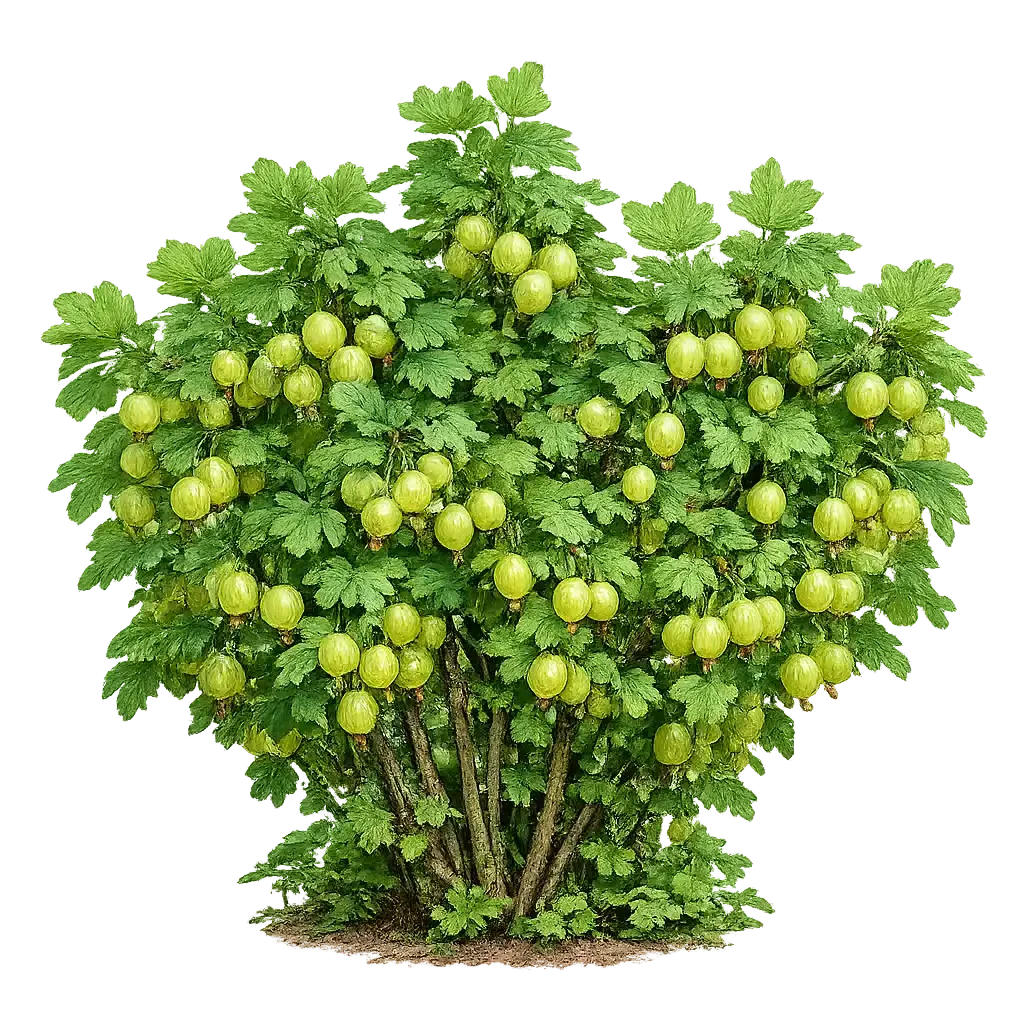
Gooseberries are deciduous fruiting shrubs in the Ribes genus, making them close relatives of red, white, and black currants. The two most commonly grown species are Ribes uva-crispa, the European gooseberry, and Ribes hirtellum, the American gooseberry. Many modern cultivars are hybrids of these two species, bred to combine the larger fruit size of European varieties with the disease resistance of American ones.
The berries are larger than currants and grow singly or in pairs along thorny canes. Depending on the variety, fruit can be green, yellow, red, or nearly purple when fully ripe. Flavor ranges from quite tart when underripe to pleasantly sweet with complex acidity at full ripeness.
Gooseberry bushes are compact, multi-stemmed shrubs that typically reach three to five feet in height and width at maturity. Their thorny canes make them a natural deterrent for wildlife and can serve double duty as a productive boundary hedge.
Why Grow Gooseberries
Gooseberries offer a rare combination of hardiness, productivity, and culinary value that few other fruiting shrubs can match.
They are extremely cold tolerant, capable of surviving harsh winters in zones as cold as zone 3. They also tolerate partial shade better than most fruit crops, making them useful in spots where other plants would underperform.
A mature gooseberry bush produces generous yields of fruit that can be harvested over several weeks. The fruit is rich in vitamin C, fiber, and antioxidants, and holds up well to both fresh eating and preservation.
For homesteaders and food gardeners, gooseberries deliver long term returns on a modest investment of space and effort. Once established, they ask for little more than annual pruning and basic maintenance.
Climate and Growing Zones
Gooseberries grow best in USDA hardiness zones 3 through 8, with some varieties performing well at the edges of that range.
They prefer cool to temperate climates with cold winters and mild summers. Like currants, they are not well suited to regions with prolonged summer heat, though American and hybrid varieties handle warmer conditions better than pure European types.
Gooseberries bloom early in spring, which can make them vulnerable to late frosts in some regions. Selecting late-blooming varieties or planting in a sheltered site can help avoid frost damage to the flowers.
Sunlight Requirements
Gooseberries are one of the most shade-tolerant fruiting shrubs available. They grow and produce well in full sun and will still yield a respectable harvest in partial shade.
In cooler climates, full sun promotes maximum fruit production and better ripening. In warmer regions, afternoon shade reduces heat stress, helps prevent powdery mildew, and extends the productive lifespan of the bush.
A site with morning sun and light afternoon shade is often the best balance, particularly in zones 6 and warmer.
Soil Requirements
Gooseberries prefer fertile, well-drained soil with a slightly acidic to neutral pH, ideally between 6.0 and 7.0.
They tolerate a range of soil types but perform best in loamy soil rich in organic matter. Heavy clay should be amended with compost to improve drainage, as gooseberries do not tolerate waterlogged roots.
Incorporating compost before planting gives the bush a strong nutritional start and improves long-term soil structure. A well-prepared site reduces the need for fertilization in subsequent years.
How Far Apart to Plant Gooseberries
Gooseberries need adequate space to develop their full structure and to allow for good airflow, which is important for disease management.
Recommended spacing:
• 4 to 5 feet between plants
• 6 feet between rows
Tighter planting is possible in small gardens but increases disease risk, particularly powdery mildew, and makes harvesting more difficult given the thorny nature of the canes.
When to Plant Gooseberries
The best time to plant gooseberries is early spring while the plants are still dormant. Fall planting is also successful in mild climates where roots have time to establish before the ground freezes.
Bare root plants are widely available and establish quickly when planted at the right time. Container-grown plants can be planted throughout the season but require more attention to watering during dry spells.
Planting Process
To plant gooseberries successfully:
1. Dig a hole twice as wide as the root system and slightly deeper than the root ball.
2. Set the plant so the crown sits just below the soil surface, encouraging additional shoot development from the base.
3. Spread roots gently and backfill with soil mixed with compost.
4. Water thoroughly to eliminate air pockets around the roots.
5. Apply a two to three inch layer of mulch around the base, keeping it away from the crown.
Watering Needs
Gooseberries require consistent moisture throughout the growing season, particularly during fruit development. Drought stress during this period can cause fruit to drop prematurely or fail to size up properly.
Deep watering once or twice per week is preferable to frequent shallow watering. Mulching helps maintain even soil moisture and reduces the frequency of irrigation needed.
Fertilization Strategy
Gooseberries are moderate feeders that respond well to organic matter. An annual application of compost in early spring is generally sufficient to support healthy growth and consistent yields.
Avoid excess nitrogen, which promotes dense leafy growth that increases disease pressure and reduces fruit production. If growth appears weak or leaves are pale, a light compost top dressing mid-season is usually all that is needed.
Pruning Gooseberries
Pruning is one of the most important practices for maintaining a productive gooseberry bush. Gooseberries fruit on one, two, and three year old wood, with the best yields typically coming from two and three year old canes.
Pruning should be done in late winter or early spring while the plant is fully dormant. The goal is to maintain an open, goblet-shaped bush with a clear center that allows good airflow and light penetration.
Each year, remove:
• Canes older than three to four years
• Weak, damaged, or crossing stems
• Low-hanging branches that touch the ground
A well-pruned bush should have eight to twelve healthy canes in a mix of ages. Keeping the center open reduces fungal disease risk, which is the most common serious problem in gooseberries. Pruning also makes harvesting considerably easier given the thorny nature of the plant.
When to Expect First Fruit
Gooseberries are among the faster fruiting berry bushes. Most plants produce a light crop in their second year after planting, with meaningful harvests beginning in year three.
Peak production typically occurs between years three and eight. With consistent annual pruning and good care, a productive bush can deliver strong yields well beyond that range.
Harvest Timing and Yield
Gooseberries ripen in early to mid summer, typically from late June through July depending on the variety and location. One of their advantages over many berries is a relatively long harvest window, as fruit can be picked at different stages of ripeness for different purposes.
Underripe green gooseberries picked in early summer are excellent for cooking, jams, and preserves. Fully ripe fruit, which softens and sweetens considerably, is better suited for fresh eating and desserts.
A mature gooseberry bush can produce 8 to 15 pounds of fruit per season under good conditions. Harvesting with gloves is recommended due to the thorny canes.
How Long Gooseberry Bushes Live
With proper care, gooseberry bushes typically live 15 to 20 years and sometimes longer. Regular pruning is the single most important factor in maintaining long-term productivity.
Neglected bushes decline faster due to overcrowded canes, reduced airflow, and increased disease susceptibility. A well-maintained bush, by contrast, can remain a productive part of the garden for two decades or more.
Pests and Diseases
Powdery mildew is the most significant disease concern for gooseberries, particularly European varieties. It appears as a white powdery coating on young leaves and fruit. Choosing mildew-resistant varieties and maintaining an open bush structure through pruning are the most effective preventive measures.
Gooseberry sawfly is another common pest. The larvae can defoliate a bush rapidly if not caught early. Regular inspection from late spring onward allows for quick intervention before populations become serious.
Aphids, leaf spot, and birds rounding out the list of typical concerns. Netting during the ripening period protects fruit from birds, which are strongly attracted to gooseberries.
Uses of Gooseberries
Gooseberries are one of the most versatile fruits in the kitchen. Their dual nature, tart when underripe and sweet when fully ripe, makes them useful across a wide range of applications.
Common uses include:
• Jams and preserves
• Pies, crumbles, and tarts
• Sauces for fish and pork
• Chutneys and relishes
• Wine and cordials
• Fresh eating when fully ripe
Their high natural pectin content makes them especially valuable for jams and preserves, often requiring less added pectin than lower-pectin fruits.
Nutritional Value
Gooseberries are a good source of vitamin C, vitamin B6, potassium, and dietary fiber. They also contain antioxidants including flavonoids and phenolic acids that support overall health.
Their relatively low sugar content compared to many cultivated fruits makes them a useful crop for homesteads focused on whole food nutrition and preservation without excessive sweetness.
Companion Planting
Gooseberries grow well alongside herbs and flowering plants that attract beneficial insects. Good companions include chives, which may help deter aphids, and pollinator-friendly flowers such as borage and phacelia.
Avoid planting gooseberries near pine trees in areas where white pine blister rust is a concern, as Ribes species are an alternate host for this fungal disease.
Pros of Planting Gooseberries
• Extremely cold hardy, suitable for zones 3 through 8
• Tolerates partial shade better than most fruiting plants
• High yields relative to the space required
• Long harvest window with fruit usable at multiple stages
• Excellent for preserving, baking, and cooking
• Can double as a productive thorny hedge
• Long productive lifespan of 15 to 20 years
Cons of Planting Gooseberries
• Thorny canes make pruning and harvesting more difficult
• Susceptible to powdery mildew without good airflow and resistant varieties
• Sawfly larvae can cause rapid defoliation if not monitored
• Not well suited to hot, dry climates without shade and irrigation
• Tart flavor requires sweetening for most culinary uses
Long Term Planning Considerations
Gooseberries are a long-term investment that pays off consistently once established. They require patience during the first two years and a commitment to annual pruning, but in return they deliver reliable harvests for well over a decade.
Their tolerance for shade and cold makes them adaptable to a wider range of garden situations than most fruiting plants. They fit naturally into food forests, orchard edges, shaded borders, and dedicated berry rows alike.
Planting a mix of early, mid, and late-season varieties extends the harvest window and reduces the risk of a single late frost wiping out an entire crop.
Final Thoughts
Gooseberries are a serious and seriously overlooked fruit bush. They lack the marketing of blueberries and the novelty of goji berries, but they outperform both in cold hardiness, shade tolerance, and culinary range.
For homesteaders and home gardeners focused on perennial food production, low-input management, and versatile kitchen harvests, gooseberries offer genuine long-term value.
With proper spacing, consistent annual pruning, and a well-chosen site, a gooseberry bush can become one of the most productive and dependable plants in the landscape, quietly delivering harvests year after year for two decades or more.