
White Currants
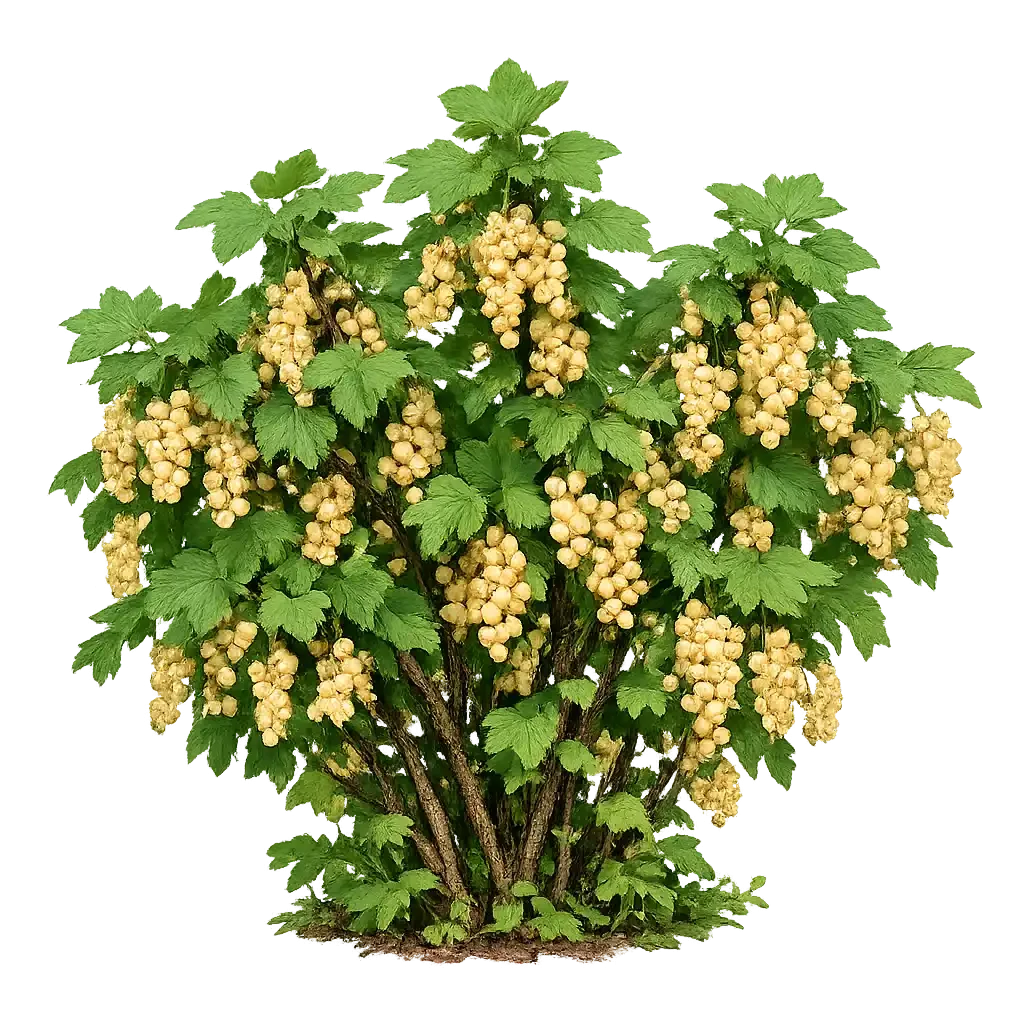
White currants are an elegant and often overlooked edible berry bush that deserves far more attention in home gardens and homesteads. While they are technically a color variation of red currants, white currants offer a noticeably milder flavor, lighter acidity, and greater appeal for fresh eating.
For gardeners interested in reliable perennial food production, attractive fruit, and versatile culinary uses, white currants provide an excellent balance between productivity and approachability. This guide covers white currants in depth, including planting distance, care requirements, first harvest expectations, lifespan, advantages, and potential drawbacks.
What Are White Currants
White currants are deciduous fruiting shrubs in the Ribes genus. Botanically, they are the same species as red currants, but they lack the red pigmentation, resulting in pale white to light yellow translucent berries.
The berries grow in hanging clusters called strigs and have a glossy, pearl like appearance. When ripe, the fruit ranges from creamy white to light champagne in color.
Compared to red currants, white currants have lower acidity and a gentler flavor. This makes them more enjoyable for fresh eating while still retaining enough tartness for preserves and cooking.
Why Grow White Currants
White currants are especially appealing for gardeners who want an edible berry that can be eaten fresh without overwhelming tartness.
They are productive, cold hardy, and long lived, similar to red currants, but their flavor profile is more accessible to a wider range of palates.
White currants also add visual interest to the garden. Their pale berries stand out against green foliage and are often used as ornamental accents in edible landscapes.
Because they ripen in clusters and are easy to harvest, they are well suited for families, homesteads, and gardeners focused on fresh fruit consumption.
Climate and Growing Zones
White currants grow best in USDA hardiness zones 3 through 7.
They prefer regions with cold winters and mild to moderate summers. They tolerate frost well and are less affected by late spring freezes than many fruiting plants.
In warmer climates, white currants benefit from afternoon shade and consistent soil moisture to prevent heat stress and reduced fruit quality.
Sunlight Requirements
White currants perform best in full sun to partial shade.
In cooler climates, full sun promotes strong growth and better fruit production.
In warmer regions, partial shade during the hottest part of the day helps prevent leaf scorch and maintains berry quality.
An ideal planting site receives morning sun and protection from intense afternoon heat.
Soil Requirements
White currants prefer fertile, well drained soil with high organic matter.
Slightly acidic to neutral soil is ideal, with a pH range of approximately 5.5 to 7.0.
Heavy clay soils should be amended with compost to improve drainage, while sandy soils benefit from added organic matter to retain moisture.
Consistent soil moisture is important, but standing water should be avoided.
How Far Apart to Plant White Currants
White currants have a growth habit similar to red currants and require moderate spacing.
Recommended spacing:
3 to 4 feet between plants
5 to 6 feet between rows
This spacing allows good airflow, reduces disease risk, and provides room for mature bush development.
Overcrowding leads to poor air circulation, increased disease pressure, and reduced yields over time.
When to Plant White Currants
The best time to plant white currants is early spring while plants are dormant.
Fall planting can be successful in mild climates if plants have time to establish roots before winter.
Bare root plants are commonly available and establish quickly when planted at the correct time.
Avoid planting during periods of extreme heat or drought.
Planting Process
To plant white currants:
Dig a hole twice as wide as the root system.
Set the plant so the crown is level with the soil surface.
Spread roots gently and backfill with soil.
Water thoroughly to settle the soil.
Apply mulch around the base to retain moisture and suppress weeds.
Planting too deeply can slow establishment and reduce vigor.
Watering Needs
White currants require consistent moisture throughout the growing season.
They are especially sensitive to drought stress during flowering and fruit development.
Deep watering once or twice per week is preferable to frequent shallow watering.
Mulching plays a key role in maintaining even soil moisture and protecting the root zone from temperature extremes.
Fertilization
White currants are moderate feeders.
Apply compost or a balanced fertilizer in early spring to support new growth.
Avoid excessive nitrogen, as it promotes leaf growth at the expense of fruit production.
If plants appear weak, a light mid season compost application is usually sufficient.
Pruning White Currants
White currants fruit primarily on two and three year old wood, similar to red currants.
Pruning should be done in late winter or early spring while plants are dormant.
Each year, remove:
Dead or damaged branches
Weak or crossing stems
The oldest wood once it exceeds three to four years
A mature bush should maintain a balanced mix of young and mature canes, typically eight to twelve total.
Regular pruning improves airflow, fruit size, and long term productivity.
When to Expect First Fruit
White currants usually begin producing fruit in their second year after planting.
Light harvests can be expected in year two.
Full production typically begins in the third or fourth year, depending on growing conditions and care.
Patience during the establishment period leads to more consistent harvests later.
Harvest Timing and Yield
White currants ripen in early to mid summer, often slightly earlier than red currants.
Harvest berries when they are fully translucent and slightly soft.
Fruit should be harvested in entire clusters rather than individual berries.
A mature white currant bush can produce 4 to 8 pounds of fruit per season under good conditions.
How Long White Currant Bushes Live
With proper care and regular pruning, white currant bushes can live and remain productive for 15 to 20 years.
Neglected plants may decline sooner due to overcrowding and disease.
Annual maintenance significantly extends productive lifespan.
Pests and Diseases
White currants are generally resilient but can be affected by common currant issues.
Aphids may cause leaf curling and reduced vigor.
Powdery mildew and leaf spot can occur in humid conditions.
Good spacing, proper pruning, and sanitation reduce disease risk.
Birds are often attracted to the pale berries and may require netting in some locations.
Uses of White Currants
White currants are more suitable for fresh eating than red or black currants due to their milder flavor.
They are commonly used for:
Fresh snacking
Fruit salads
Jams and jellies
Desserts
Garnishes
Light sauces
Their lower acidity makes them appealing for raw consumption while still working well in preserves.
Nutritional Value
White currants provide vitamin C, dietary fiber, potassium, and antioxidants.
While they contain fewer anthocyanins than black currants, they still contribute valuable micronutrients to the diet.
Their lower acidity makes them easier to enjoy in larger quantities.
Companion Planting
White currants grow well alongside herbs, flowers, and other berry bushes.
Good companions include chives, parsley, and pollinator friendly flowers.
Avoid planting near crops that share similar disease risks.
Pros of Planting White Currants
Milder flavor suitable for fresh eating
Cold hardy and reliable
Long lived perennial bush
Attractive fruit for edible landscapes
Compact growth habit
Easier to enjoy raw than red or black currants
Cons of Planting White Currants
Less intense flavor for preserving
Birds may target pale fruit
Require regular pruning
Less common in nurseries than red currants
Slightly lower yields than black currants
Long Term Planning Considerations
White currants are an excellent choice for gardeners focused on fresh fruit and long term production.
They require patience during establishment and consistent annual care.
Their long lifespan and dependable yields make them well suited for permanent garden plantings.
Final Thoughts
White currants offer a refined alternative to more tart currant varieties. They combine productivity, beauty, and approachability in a bush that fits naturally into edible landscapes and homestead gardens.
For growers who want a perennial berry that can be enjoyed fresh while still supporting preservation and cooking, white currants are an excellent and often underappreciated choice.
With proper spacing, pruning, and care, white currant bushes can provide years of reliable harvests and become a quiet cornerstone of a productive food garden.