
Nanking Cherry
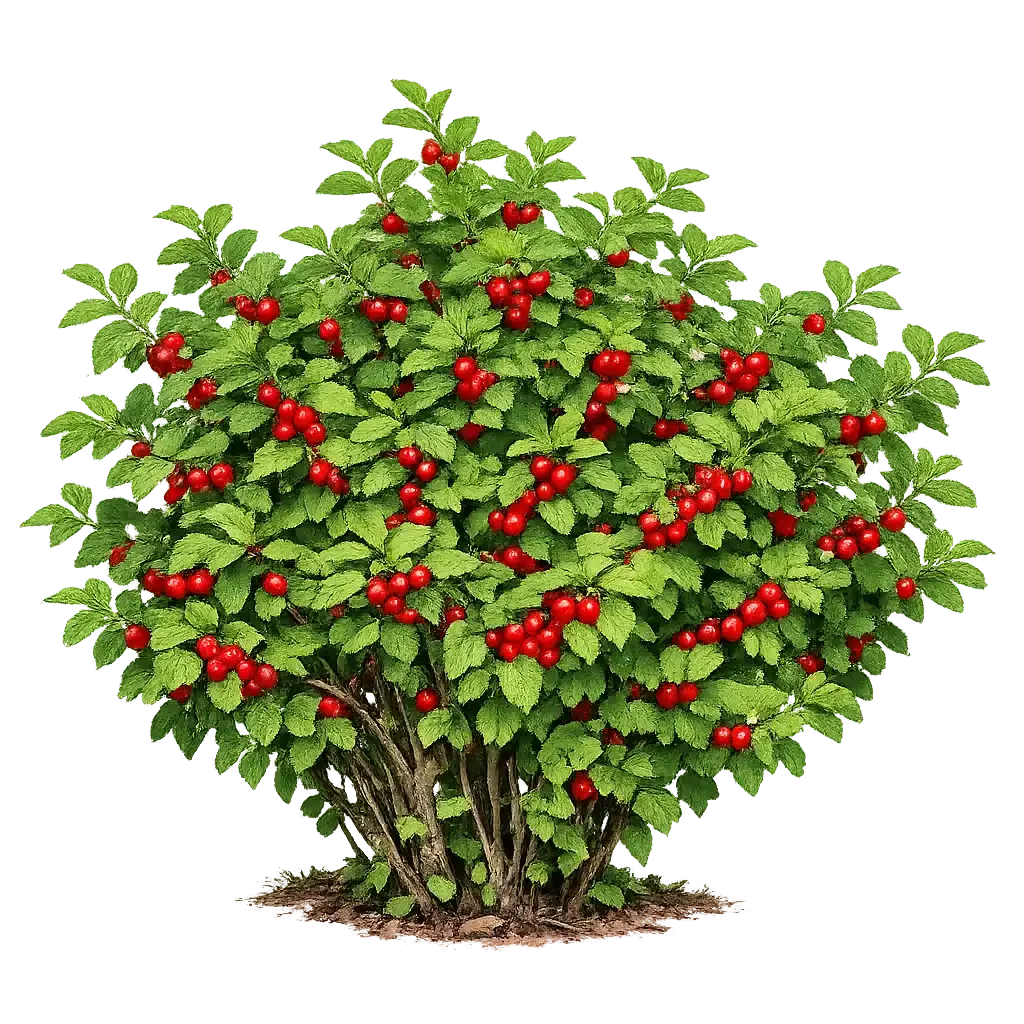
Nanking cherry is one of the most underappreciated fruiting shrubs in the edible landscape. Hardy, prolific, and strikingly ornamental, it produces an abundance of small bright-red cherries with genuine flavor and nutritional value, and it does all of this with minimal input, in climates that would challenge most other fruiting plants. For homesteaders and food gardeners seeking productive plants that earn their keep, Nanking cherry deserves far more attention than it typically receives.
This guide covers everything you need to know about growing Nanking cherry, from what it is and why it belongs in cold-climate food gardens, to planting, pruning, harvest timing, lifespan, culinary uses, and an honest assessment of its advantages and limitations.
What Is Nanking Cherry
Nanking cherry, Prunus tomentosa, is a deciduous flowering shrub native to central and northern China, Tibet, and surrounding regions of Asia. It has been cultivated in its native range for centuries and was introduced to North American horticulture in the late 1800s, where it has since become valued both as an ornamental and a fruiting plant.
The plant grows as a large, dense, multi-stemmed shrub, typically reaching six to ten feet in height and a similar spread at maturity. In early spring it covers itself in a profusion of small pink to white blossoms before the leaves emerge, making it one of the most visually spectacular shrubs in the spring garden. The flowers are followed by a heavy crop of small red cherries, roughly the size of a large pea, that ripen in midsummer.
The fruit is tart, pleasantly flavored, and contains a proportionally large pit relative to its size. Fresh eating requires patience, but the flavor is genuinely good and the cherries are excellent processed into jams, jellies, juices, and syrups.
Why Grow Nanking Cherry
Nanking cherry offers a compelling combination of qualities that is difficult to find in a single plant: extreme cold hardiness, exceptional ornamental value, consistent and heavy fruiting, drought tolerance, and low maintenance requirements once established.
In cold climates where fruiting trees and shrubs are limited, Nanking cherry is one of the most reliable producers available. Unlike pie cherries or sweet cherries, which are susceptible to late spring frosts and various diseases, Nanking cherry is remarkably tough. It rarely fails to fruit, and in a good year a mature plant can produce an overwhelming harvest from a relatively small footprint.
It is also one of the earliest flowering plants in the landscape, providing valuable forage for early pollinators and a dramatic show of blossoms that few other shrubs can match. For homesteads where beauty and function are both valued, Nanking cherry checks both boxes emphatically.
Pollination Requirements
Unlike some fruiting shrubs, Nanking cherry is largely self-fertile, meaning a single plant can produce fruit without a second pollinator variety nearby. This is a practical advantage for gardeners with limited space.
However, yields improve noticeably when two or more plants are grown in proximity. Cross-pollination from a second plant increases fruit set and generally produces heavier crops. If space allows, planting two or three Nanking cherry shrubs together is the recommended approach. Because the plants flower abundantly and relatively early in spring, bees and other early pollinators are essential partners in the process.
Climate and Growing Zones
Nanking cherry is exceptionally cold-hardy and grows reliably in USDA hardiness zones 2 through 6, with some success in zone 7. Established plants can survive temperatures as low as minus forty to fifty degrees Fahrenheit, placing them among the hardiest fruiting shrubs available to northern growers.
They perform best in regions with distinct cold winters and warm summers. The plant requires a chilling period to flower and fruit properly, and in climates without reliable winter cold it may struggle or fail to produce. Heat and humidity in summer can increase susceptibility to fungal issues, so good air circulation becomes more important in warmer zones.
Zone guidance: Nanking cherry is reliably productive in zones 2 to 6. It is one of the only cherry-type fruits available to growers in zones 2 and 3, where standard cherry trees cannot survive.
Sunlight Requirements
Nanking cherry performs best in full sun, requiring at least six hours of direct sunlight daily. Full sun promotes the most abundant flowering, the heaviest fruit set, and the best flavor development in the fruit.
The plant will tolerate partial shade and can produce a reasonable crop with four to five hours of sun, but flowering will be less dense and yields will be reduced. In northern climates where summer warmth is limited, full sun exposure is particularly important for ripening the fruit fully.
Soil Requirements
Nanking cherry is tolerant of a wide range of soil types and is notably more adaptable than most fruiting plants in this regard. It grows well in sandy soils, loamy soils, and moderately clay soils, provided drainage is adequate.
It prefers a soil pH between 6.0 and 7.0 and does not require the strongly acidic conditions needed by blueberries or some other berries. Good drainage is essential. Nanking cherry does not tolerate wet feet and will decline in waterlogged conditions. Amending planting sites with compost improves drainage and provides a good foundation for establishment.
One of the practical advantages of this shrub is its tolerance of poor, dry, and even somewhat compacted soils. Once established, it is among the most drought-resistant fruiting shrubs available, making it a valuable plant for dry sites or regions with unreliable summer rainfall.
How Far Apart to Plant Nanking Cherry
Nanking cherry grows into a large, spreading shrub that needs room to develop fully. Proper spacing ensures good air circulation, reduces disease pressure, and allows each plant to reach its productive potential.
4 to 6 feet between plants when planting in a hedge or row
8 to 10 feet between plants for specimen plantings
10 to 12 feet between rows
At least 5 feet from structures or fences
When planted in rows or as a productive hedge, closer spacing of four to six feet creates a dense, bird-deterring thicket that also serves as a windbreak or privacy screen. When grown as a specimen plant, wider spacing allows the natural graceful form to develop fully.
When to Plant Nanking Cherry
The best time to plant Nanking cherry is early spring while the plant is still dormant, or in early fall after the summer heat has passed. Spring planting allows the roots to establish through the growing season before the plant faces its first winter in a new location.
Because Nanking cherry breaks dormancy and flowers very early in spring, often before the leaves have fully emerged, and should be planted as early as the ground can be worked. Container-grown plants are widely available and can be planted at any point in the growing season with attentive watering, though spring and fall planting are still preferred.
Planting Process
Choose a site with full sun and well-drained soil. Avoid low spots where water collects.
Dig a hole two to three times the width of the root ball and equal in depth.
Set the plant so the crown sits at or slightly above the surrounding soil surface.
Backfill with native soil, incorporating compost at a ratio of roughly one part compost to three parts soil.
Firm the soil gently around the roots to eliminate air pockets and water thoroughly.
Apply two to four inches of organic mulch around the base, keeping it several inches away from the main stems to prevent rot.
Watering Needs
Nanking cherry is drought tolerant once established but benefits from consistent moisture during its first two to three years in the ground. Regular watering in the establishment period helps the root system develop deeply, which supports the plant's long-term drought resilience.
During fruit development, adequate moisture helps the berries size up and reduces fruit drop. Deep watering once or twice per week during dry spells is preferable to frequent shallow watering. Once a plant is fully established, typically after year three, it requires supplemental watering only during extended droughts.
Fertilization Strategy
Nanking cherry is not a heavy feeder and performs well with modest annual fertilization. An application of compost worked lightly into the soil around the drip line in early spring is generally sufficient to maintain healthy growth and consistent yields.
Avoid high-nitrogen fertilizers, which can stimulate excessive vegetative growth at the expense of flowering and fruiting. If the plant shows strong healthy growth and fruits reliably, no additional fertilization is necessary. On poor soils, a balanced organic fertilizer applied once annually in spring will support consistent performance.
Pruning Nanking Cherry
Nanking cherry fruits on one and two year old wood, which means annual pruning helps maintain a steady supply of productive younger growth while preventing the shrub from becoming an impenetrable thicket of old, less productive wood.
In the first three years, minimal pruning is needed. Focus on allowing the plant to build its framework and establish its natural form. Lightly remove any dead, damaged, or crossing branches each year.
On mature plants, annual maintenance pruning involves:
Removing dead, diseased, or damaged canes at the base
Cutting out the oldest, thickest canes, typically those more than four to five years old, to make room for new productive growth
Thinning crowded interior branches to improve airflow and light penetration
Removing any suckers that emerge from the base if you want to maintain a contained form
The best time to prune is late winter or early spring while the plant is still dormant. Because Nanking cherry flowers very early, timing is important: prune before the buds begin to swell to avoid sacrificing the spring bloom.
When to Expect First Fruit
Nanking cherry is relatively fast to bear fruit compared to many other fruiting shrubs. Most plants produce a small crop in their second year and a more meaningful harvest by year three. By year four or five a well-established plant enters full production and can become an extremely generous bearer.
The early bearing habit of Nanking cherry is one of its genuine advantages over longer-to-establish options like elderberry or gooseberry, which often take longer to reach meaningful productivity.
Harvest Timing and Yield
Nanking cherries typically ripen in midsummer, generally from late June through July depending on climate and location. The fruit ripens earlier than most standard cherry varieties and before many other summer fruits are ready, making it a valuable addition to an early harvest rotation.
Ripe Nanking cherries are bright to deep red and detach easily from the stem with a gentle tug. Flavor at peak ripeness is tart-sweet with genuine cherry character. The fruit does not store well fresh and should be processed within a day or two of harvest for best results.
A mature Nanking cherry shrub can yield an impressive four to eight pounds of fruit per season, and in exceptional years with heavy flowering and good pollination, yields can be even higher. The fruit is small relative to standard cherries, but it sets in such profusion that total harvest weight is substantial.
How Long Nanking Cherry Bushes Live
Nanking cherry is moderately long-lived as fruiting shrubs go, with a productive lifespan of roughly 15 to 25 years under good conditions. It is not as exceptionally long-lived as honeyberry or gooseberry, but it establishes quickly and begins bearing early, which offsets the shorter productive lifespan relative to some alternatives.
With regular renewal pruning, which means removing old, exhausted canes and encouraging fresh growth from the base, the effective productive lifespan can be extended considerably. Plants that are neglected and allowed to become overcrowded and woody tend to decline more rapidly than those given annual attention.
Pests and Diseases
Nanking cherry is reasonably resistant to the serious diseases that plague standard cherry trees, including many of the fungal diseases that cause significant problems in humid climates. However, it is not entirely immune to problems and a few considerations apply.
Black knot fungus, a disease that affects plants in the Prunus family, can occasionally appear on Nanking cherry in humid climates. Infected branches develop dark, warty growths and should be pruned out well below the affected area and destroyed. Good air circulation through proper spacing and pruning significantly reduces the risk.
Aphids may colonize young growth in spring but rarely cause serious damage to established plants. Spider mites can occasionally be a problem in hot, dry conditions.
The most consistent challenge for most growers is competition from birds. Nanking cherry ripens its fruit quickly and the bright red color attracts birds aggressively. Netting is the most effective protection for growers who want to retain their full harvest.
Uses of Nanking Cherry
Nanking cherries are versatile in the kitchen, though the relatively large pit and small fruit size make fresh eating somewhat tedious compared to standard cherries. Their real strength lies in processing, where they reward the effort with excellent flavor and color.
Jams and jellies, where the natural pectin content makes for excellent set and the flavor is outstanding
Syrups and fruit concentrates
Juices and fruit wines
Dried fruit (pitted, for use in baking and trail mixes)
Cherry vinegar and shrubs for cocktails and cooking
Baking in muffins, crumbles, and cakes
Fresh eating directly from the bush when fully ripe
The fruit freezes well. A simple method is to spread ripe cherries on a sheet pan, freeze until solid, then transfer to freezer bags for storage. They can be thawed and pressed for juice or used directly in cooking throughout the year.
Ornamental Value
One quality that distinguishes Nanking cherry from many other productive fruiting shrubs is its outstanding ornamental value across multiple seasons. In early spring the plant erupts with small pink to white flowers, densely covering the branches before the leaves fully emerge, creating one of the most spectacular floral displays of any hardy shrub.
In summer, the bright red fruit contrasting against the dark green foliage is visually striking. In fall, the foliage often turns attractive shades of orange and red before dropping. In winter, the attractive bark texture and dense branching structure provide interest in the dormant landscape.
This multi-season ornamental value makes Nanking cherry an exceptional choice for planting where a shrub must justify its space visually as well as productively. It earns its place in any landscape far more than most strictly utilitarian fruiting plants.
Nutritional Value
Nanking cherries share the nutritional profile of other cherry species, providing meaningful amounts of vitamin C, potassium, and antioxidant compounds including anthocyanins, the pigments responsible for their deep red color. Like other dark-colored fruits, they are a worthwhile contribution to a diet focused on whole, nutrient-dense foods.
Their tart flavor reflects a good balance of natural sugars and organic acids, and the fruit retains its nutritional value well when frozen or processed into jams and syrups.
Companion Planting
Nanking cherry integrates well into mixed food forest plantings and productive hedgerows. It grows well alongside other Prunus species and is compatible with a wide range of cold-hardy fruit shrubs and trees. Planting early-flowering companions such as chives, borage, and flowering herbs nearby supports the pollinators needed during the early spring bloom period.
Because it grows into a large, dense shrub, Nanking cherry can serve as a windbreak or shelter plant for more tender species planted on its lee side. It is also an excellent choice for the edges of food forest systems, where its dense growth provides habitat and its flowers support early pollinators that also benefit neighboring plants.
Pros and Cons of Planting Nanking Cherry
Advantages
Exceptionally cold-hardy, to zone 2
Bears fruit relatively quickly, often by year 2 or 3
Self-fertile; a single plant can produce fruit
Outstanding spring ornamental value
Drought tolerant once established
Tolerates poor soils and difficult sites
Reliable and abundant fruiting
Excellent for jams, jellies, and preserves
Valuable early pollinator habitat
Adaptable as hedge, specimen, or windbreak
Limitations
Small fruit size with a proportionally large pit
Fresh eating is less convenient than standard cherries
Short fruit shelf life and must be processed quickly
Birds compete aggressively for ripe fruit
Susceptible to black knot in humid climates
Productive lifespan shorter than some alternatives
Can become invasive by bird-spread seeds in some regions
Not suited to warm climates below zone 6
Long-Term Planning Considerations
Nanking cherry is best understood as a medium-term productive investment with exceptional returns in the early years. Unlike honeyberry or gooseberry, which ask for patience in the establishment phase, Nanking cherry starts producing meaningfully in its second or third year and reaches peak productivity relatively quickly.
Its one genuine caution for long-term planning is its invasive potential in some North American regions. Birds consume the fruit and deposit seeds widely, and the plants can naturalize and spread in areas with suitable conditions. Growers in regions where this is a concern should research local guidance and consider whether the location and context are appropriate.
For cold-climate homesteads seeking a plant that earns its place ornamentally, ecologically, and productively from early in its life, Nanking cherry is one of the most satisfying shrubs available. Few plants deliver spring beauty, summer fruit, early pollinator support, and practical food value in a package this cold-hardy and low-maintenance.
Final Thoughts
Nanking cherry is a plant that consistently exceeds expectations. Its spring bloom is among the finest of any cold-hardy shrub. Its fruit, though small, comes in such abundance and processes so well that a single mature plant can supply a household with cherry preserves for the year. And it accomplishes all of this in climates where standard cherry trees cannot survive, on soils that would challenge most fruiting plants.
For homesteaders and food gardeners in zones 2 through 6 who want a productive, beautiful, and reliably low-maintenance shrub, Nanking cherry should be near the top of any planting list. It asks very little and gives generously in return.