
Rosemary
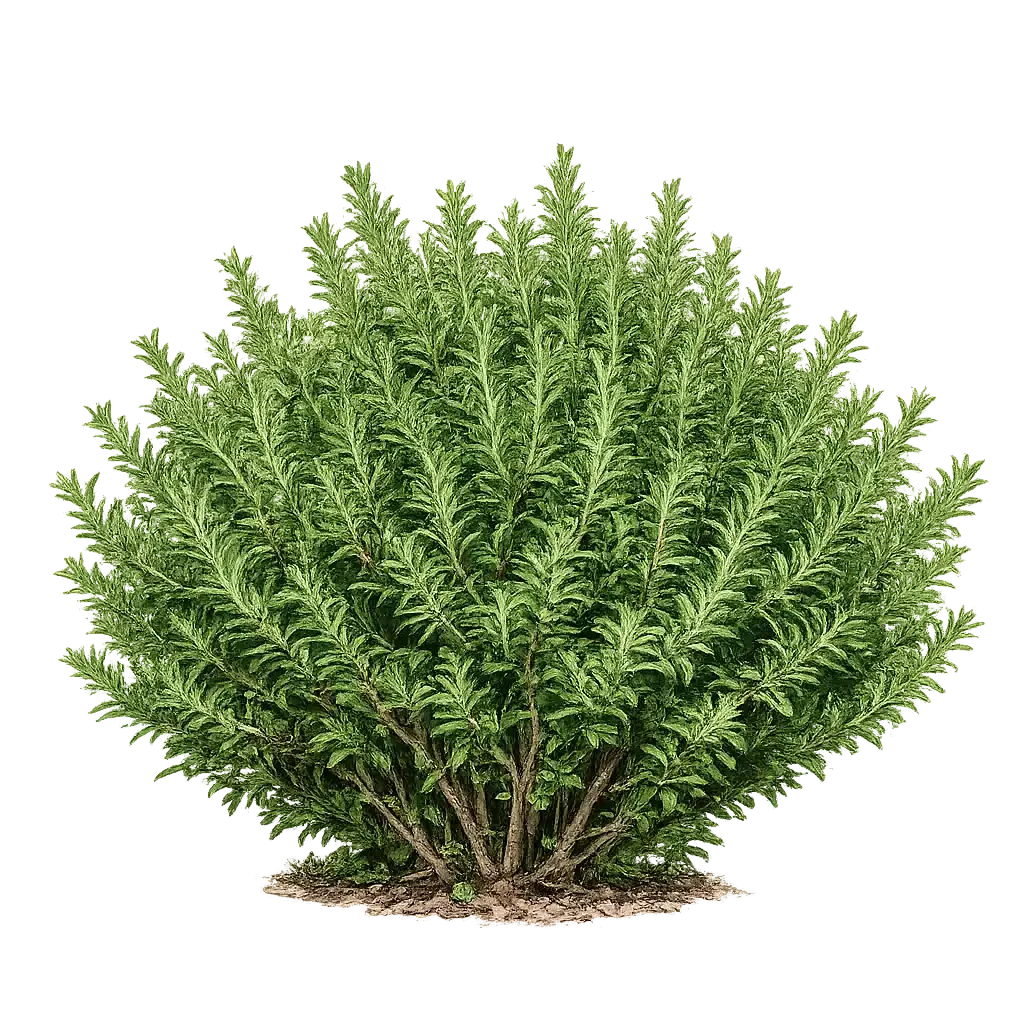
Rosemary is one of the most rewarding herbs a homesteader or food gardener can grow. Intensely aromatic, strikingly beautiful in flower, and useful in the kitchen, the medicine cabinet, and the garden, it repays good siting and basic care with years or even decades of reliable harvest. For anyone serious about growing their own food and herbs, rosemary earns a permanent place in the planting plan.
This guide covers rosemary in full: what it is, why it belongs in any serious herb garden, how to plant and care for it, how to prune and harvest effectively, its culinary and medicinal uses, overwintering in cold climates, and an honest accounting of where it thrives and where it struggles.
What Is Rosemary
Rosemary, Salvia rosmarinus (formerly Rosmarinus officinalis), is a woody perennial herb native to the Mediterranean region, where it grows wild on rocky hillsides and coastal cliffs in thin, dry, alkaline soils and full sun. It belongs to the mint family, Lamiaceae, and is closely related to sage, thyme, and lavender, all of which share similar growing preferences.
The plant produces stiff, needle-like leaves that are dark green on the upper surface and silvery-white on the underside, with a powerfully resinous fragrance. In late winter through spring, and often again in fall, it produces small flowers ranging from pale blue to deep violet, pink, or white depending on the variety. These flowers are attractive to bees and other pollinators and are themselves edible.
Rosemary grows as an upright, semi-woody shrub in warmer climates, reaching three to six feet in height and spread at maturity. In colder zones it is often grown as a container plant that overwinters indoors, or as a short-lived perennial that is replanted periodically. In favorable conditions it is exceptionally long-lived and can persist for twenty years or more.
Why Grow Rosemary
The case for rosemary begins with its usefulness. Few herbs contribute as much to the kitchen over as long a season, and the flavor of freshly cut rosemary from a living plant is markedly better than anything available dried or from a supermarket. For households that cook regularly with herbs, a well-established rosemary plant provides essentially unlimited fresh supply for most of the year.
Beyond cooking, rosemary has a long history of medicinal and household use. It has demonstrated antimicrobial properties, supports circulation, and has been used in traditional herbal practice for memory, digestion, and headache relief. It also functions as a natural moth and pest deterrent when dried and placed in drawers or closets.
Ornamentally, rosemary is one of the most attractive herbs available. Its silver-green foliage, delicate flowers, and aromatic presence make it a valuable landscape plant as well as a productive one. It can be grown as a specimen, a low hedge, a container planting, or a sprawling ground cover depending on the variety and the setting.
Climate and Growing Zones
Rosemary is reliably hardy as a perennial outdoor plant in USDA hardiness zones 7 through 11. In these zones it can be treated as a permanent shrub that requires no winter protection and will grow larger and more productive each year.
In zones 5 and 6, rosemary can survive outdoors in protected microclimates, against south-facing walls, or under the shelter of overhanging eaves, but it is not reliably winter hardy and losses are common. Growers in these zones often treat it as an annual or overwinter plants in containers indoors.
In zones 4 and colder, rosemary is best grown as a container plant that spends summer outdoors and overwinters in a cool, bright indoor space such as an unheated garage with a south-facing window or a greenhouse. It will not survive outdoor winters in these zones.
Zone note: The single biggest factor in rosemary's winter survival in marginal zones is drainage. A plant in well-drained soil on a south-facing slope will often survive where a plant in heavier, wetter soil in the same zone will not. Cold and wet together are far more damaging than cold alone.
Sunlight Requirements
Rosemary requires full sun and performs best with six to eight hours of direct sunlight daily. In its native Mediterranean habitat it grows in open, exposed conditions with intense sun for most of the year, and it reflects this origin in its needs.
Insufficient sun produces weak, leggy growth, reduced fragrance and flavor in the foliage, and increased susceptibility to fungal diseases. Rosemary planted in partial shade will survive but will never thrive. For both flavor quality and plant health, the sunniest available site is always the right choice.
Soil Requirements
Rosemary's soil requirements are among the most important things to understand about this plant. It demands excellent drainage above all else. In waterlogged or consistently moist soil it will decline and die, often fairly quickly, regardless of how good other conditions are.
It prefers lean, sandy or gravelly soil with a pH between 6.0 and 8.0, tolerating slightly alkaline conditions that would trouble many other herbs. Rich, heavily amended soils actually produce inferior plants: too much fertility results in soft, lush growth with reduced essential oil content and weaker flavor and fragrance.
If your soil is heavy clay or poorly drained, the most effective approach is to plant rosemary in a raised bed or container filled with a gritty, fast-draining mix, or to create a mounded planting area with coarse grit incorporated deeply. Improving drainage is worth more investment than improving fertility when it comes to rosemary.
How Far Apart to Plant Rosemary
Spacing depends on the intended use and the variety selected, as rosemary varies considerably in growth habit from compact mounding forms to tall upright varieties to prostrate trailing types.
18 to 24 inches apart for compact or container varieties
3 to 4 feet apart for standard upright varieties grown as specimens
2 to 3 feet apart when planting as a low hedge or edging
4 to 5 feet apart for large, mature upright varieties in warmer climates
Adequate spacing improves air circulation around the plant, which is important for reducing humidity at the base of the stems and preventing the root and crown rot that excess moisture can cause. Crowded rosemary tends to be weaker and shorter-lived.
When to Plant Rosemary
In zones 7 and warmer, rosemary can be planted in spring after the last frost or in fall. Fall planting gives the roots time to establish during the mild, moist conditions of autumn before winter, and plants set out in fall often establish more vigorously than those planted in spring into dry summer conditions.
In colder zones, spring planting after all frost risk has passed gives the plant the maximum growing season to develop strong roots and woody stems before its first winter challenge.
Rosemary is almost always available as container-grown transplants, which can technically be planted any time during the growing season with attentive watering. Starting from seed is possible but slow and often inconsistent, and purchasing established transplants from a reputable nursery is the most practical approach for most growers.
Planting Process
Select the sunniest, best-drained site available. If drainage is poor, build up the planting area or use a raised bed.
Prepare the planting hole two to three times the width of the root ball. Incorporate coarse grit or perlite into heavy soils to improve drainage.
Set the plant at the same depth it was growing in its container. Avoid planting too deeply, as burying the crown encourages rot.
Backfill with native soil, avoiding heavy amendments. Rosemary does better in lean soil than in heavily enriched soil.
Water in thoroughly to settle the soil around the roots.
Apply a light layer of gravel or coarse grit mulch around the base rather than organic mulch, which holds moisture against the stems.
Watering Needs
Rosemary is drought tolerant and one of the most important things new growers learn is that overwatering is far more dangerous to this plant than underwatering. Once established, rosemary in the ground requires very little supplemental irrigation and in many climates can survive entirely on rainfall.
During establishment, typically the first season after planting, water deeply but infrequently, allowing the soil to dry out almost completely between waterings. This encourages deep root development and trains the plant toward drought resilience. Once established, water only during extended dry spells.
Container-grown rosemary requires more attention to watering than in-ground plants, as pots dry out more quickly but can also become waterlogged if drainage is poor. Always use containers with drainage holes and allow the growing medium to dry noticeably between waterings.
Fertilization Strategy
Rosemary requires minimal fertilization and performs best in lean conditions. Feeding it heavily, particularly with nitrogen-rich fertilizers, produces soft, rank growth with poor flavor and reduced essential oil production. This is the opposite of what a herb grower wants.
A light application of a balanced, low-nitrogen organic fertilizer in early spring is sufficient for most in-ground plants. Container plants benefit from a modest feeding two or three times during the growing season, as nutrients are leached from the growing medium over time. Beyond this, the best fertilization strategy for rosemary is restraint.
Pruning Rosemary
Regular pruning keeps rosemary bushy, productive, and healthy. Left unpruned, rosemary tends to become woody and leggy at the base, with productive growth concentrated at the tips and little foliage lower down. Once rosemary becomes heavily woody it is difficult to rejuvenate, as it does not reliably regrow from old wood.
The most effective approach is light, frequent pruning rather than hard occasional cutting. Each time you harvest, trim the stems back by a third to encourage branching and fresh growth. This routine harvest-pruning is sufficient for most kitchen garden plants.
For shaping and annual maintenance, prune after flowering in spring, removing approximately one third of the current season's growth. Never cut back into bare, woody stems with no green foliage present. If a plant has become very woody and open at the base, it is generally better to replace it than to attempt a hard renovation.
In cold climates, avoid heavy pruning in late summer or fall. Late pruning stimulates tender new growth that may not harden off before winter, increasing cold damage.
Harvesting Rosemary
Rosemary can be harvested lightly from young plants in their first season, but more substantial harvesting should wait until the plant is well established, typically from the second year onward.
For fresh use, cut stems of four to six inches from the tips of actively growing branches. The youngest tip growth has the most intense flavor and the most tender texture for cooking. Harvest in the morning after any dew has dried and before the heat of the day reduces volatile oil content.
Rosemary dries exceptionally well. Tie small bundles and hang them upside down in a warm, dry, well-ventilated space out of direct light. Dried rosemary retains its flavor far better than most herbs and can be stored in airtight containers for up to a year.
In zones 7 and warmer, rosemary provides fresh harvest year-round. In colder zones where plants are brought indoors for winter, modest harvesting from container plants can continue through the cold months, though growth slows considerably.
Overwintering in Cold Climates
Overwintering rosemary is one of the more challenging aspects of growing it in zones 6 and colder, and it is where many growers experience losses. Understanding what the plant needs during this period makes successful overwintering much more achievable.
For container plants being moved indoors, timing matters. Bring plants inside before the first hard frost but after temperatures have been consistently cool for several weeks. This acclimatization period helps the plant adjust to the transition.
Indoors, rosemary needs the brightest possible light, cool temperatures between 45 and 60 degrees Fahrenheit, and excellent air circulation. A cool, bright windowsill or an unheated sunroom is better than a warm, dark interior space. The combination of warm temperatures and low light that many homes provide in winter is difficult for rosemary to tolerate.
Watering should be reduced significantly during the indoor period. The plant is essentially resting and its water requirements drop. The most common cause of indoor rosemary death is overwatering in winter, followed by powdery mildew caused by poor air circulation.
Overwintering tip: A small fan running nearby at low speed dramatically reduces the risk of powdery mildew on indoor rosemary by improving air movement around the foliage. Even a few hours of daily air circulation makes a meaningful difference.
How Long Rosemary Lives
In favorable climates, zones 7 and warmer with good drainage and full sun, rosemary is remarkably long-lived. Well-sited plants can persist for 15 to 20 years or more, growing into large, semi-woody shrubs that become genuine landscape features. There are documented specimens in Mediterranean climates that have survived for decades.
In marginal zones where plants are regularly stressed by cold, or where overwintering indoors is necessary, the practical lifespan is shorter. Indoor-overwintered plants often decline after three to five years as the annual stress of the transition takes its toll. In these climates, treating rosemary as a medium-term plant to be periodically replaced, rather than a permanent fixture, is a more realistic expectation.
Pests and Diseases
Rosemary is notably resistant to most pests and diseases when grown in good conditions. Its aromatic oils deter many insects, and in an outdoor setting with good air circulation it is rarely troubled.
Powdery mildew is the most common problem, almost always appearing on plants grown indoors in winter or in humid, poorly ventilated outdoor sites. It presents as a white powdery coating on the foliage and can spread rapidly. Improving air circulation and reducing humidity are the most effective responses. Affected growth should be removed and the plant moved to a better-ventilated location.
Root rot is the other significant concern, arising from excess moisture at the roots. It is usually fatal once established and is almost entirely preventable through good drainage and appropriate watering.
Spittlebug, aphids, and spider mites can occasionally appear but rarely cause serious damage to healthy, well-established outdoor plants. A strong blast of water from a hose is usually sufficient to address minor infestations.
Culinary Uses
Rosemary is one of the most versatile culinary herbs available, with an intense, resinous flavor that holds up exceptionally well to heat and long cooking times. Unlike more delicate herbs that must be added at the end of cooking, rosemary can be added early and benefits from being given time to infuse into a dish.
Roasted meats, particularly lamb, pork, and chicken, where it pairs with garlic and olive oil
Roasted root vegetables and potatoes
Focaccia and savory breads
Infused oils and vinegars for cooking and dressings
Herb butters and compound butters for finishing meats
Soups, stews, and braises
Rosemary simple syrup for cocktails, lemonades, and desserts
Grilling: fresh branches used as skewers or laid on coals for smoke flavor
Dried and ground as a seasoning for rubs and spice blends
Rosemary salt: blended with coarse sea salt and dried for a long-lasting pantry staple
Medicinal and Household Uses
Rosemary has a long history of use in traditional herbal medicine, and modern research has begun to substantiate several of its traditional applications. It contains rosmarinic acid and carnosic acid, both of which have demonstrated antioxidant and anti-inflammatory properties.
Rosemary tea, made by steeping fresh or dried sprigs in hot water, has traditionally been used to support digestion, relieve headaches, and stimulate circulation. Rosemary essential oil is widely used in aromatherapy for mental clarity and focus, and there is some research support for its effect on alertness and memory performance.
In the household, dried rosemary sachets placed among linens and in drawers act as a natural moth deterrent. Rosemary water, made by simmering fresh sprigs and allowing the liquid to cool, has traditionally been used as a hair rinse believed to support scalp health and hair strength.
Ornamental Value
Rosemary is among the most ornamentally valuable herbs available, and it is genuinely beautiful in the landscape rather than merely tolerated. Its silver-green needle foliage provides year-round texture and color in climates where it is evergreen, contrasting effectively with both dark-foliaged plants and light stone or gravel.
The flowers, produced abundantly in late winter and spring and often again in fall, attract bees and pollinators at a time when little else is in bloom. In warm climates a large, well-established rosemary in full flower is a striking feature. Prostrate varieties work well cascading over walls or as a ground cover on dry slopes. Upright varieties can be lightly sheared into informal hedges or geometric shapes and hold their form well.
Companion Planting
Rosemary is an excellent companion plant in the herb and kitchen garden. Its aromatic oils are believed to deter certain pests, and planting it near brassicas, beans, and carrots is a traditional practice in companion planting systems.
It grows well alongside other Mediterranean herbs including thyme, sage, lavender, and oregano, all of which share its preference for lean, dry, well-drained conditions and full sun. Grouping these together in a dedicated Mediterranean herb bed creates an environment well matched to all of their needs.
Avoid planting rosemary near moisture-loving herbs such as mint, basil, or parsley, as the watering requirements of these plants conflict directly with what rosemary needs to thrive.
Variety Selection
Rosemary varieties vary considerably in growth habit, cold hardiness, flower color, and flavor intensity. Selecting the right variety for your climate and intended use is worth careful thought.
Arp is one of the hardiest varieties available, reliably surviving zone 6 winters and sometimes zone 5 in protected sites, with good culinary quality and an upright habit. Tuscan Blue is a large, vigorous upright variety favored for culinary use and striking blue flowers, best suited to zones 7 and warmer. Prostratus is a trailing variety excellent for containers, retaining walls, and ground cover applications in warm climates. Salem is another cold-hardy variety with good flavor, often recommended for growers at the northern edge of rosemary's range.
For cold-climate growers, hardiness should be the primary selection criterion. For warm-climate growers with more flexibility, flavor profile and growth habit can take precedence.
Pros and Cons of Growing Rosemary
Advantages
Exceptionally long-lived in warm climates
Provides fresh harvest year-round in zones 7 and warmer
Highly drought tolerant once established
Culinary, medicinal, and ornamental value in one plant
Requires minimal fertilization or soil improvement
Resists most pests and diseases when well sited
Attractive to bees and pollinators in flower
Dries and stores exceptionally well
Highly versatile in the kitchen
Outstanding ornamental presence in the landscape
Limitations
Not reliably hardy below zone 7 without protection
Highly susceptible to root rot in poor drainage
Difficult to overwinter indoors without sufficient light
Does not recover well from hard pruning into old wood
Prone to powdery mildew in humid or poorly ventilated sites
Slow to establish from seed
Rich soil and overfeeding reduce flavor quality
Container plants require more attentive management
Long-Term Planning Considerations
In warm climates, rosemary is genuinely one of the best long-term investments in the herb garden. A plant that is well sited from the beginning, given excellent drainage, full sun, and lean soil, will grow steadily into a substantial, productive shrub that requires very little ongoing attention and provides reliable harvest for many years.
The most important decision is siting. Rosemary planted in the wrong location, whether that means insufficient sun, heavy or wet soil, or a frost pocket in a marginal climate, will struggle regardless of how well it is otherwise managed. Getting the site right at the outset is the single most significant factor in long-term success.
In cold climates, the most realistic long-term approach is to treat rosemary as a container plant that spends summers outdoors and winters in a cool, bright indoor space. This involves some annual effort but allows growers in zones 4 through 6 to enjoy the benefits of rosemary reliably, replacing plants every few years as needed.
Final Thoughts
Rosemary is one of the most complete plants available to a homesteader or kitchen gardener. It is beautiful, fragrant, productive, medicinal, and deeply practical, all in a plant that asks primarily for sun, lean soil, and good drainage. In the right climate and the right site, it is among the lowest-maintenance herbs you can grow, demanding almost nothing once established while providing fresh culinary herbs, ornamental interest, and pollinator support across most of the year.
The key is understanding what it needs and providing those conditions from the start. Growers who respect its Mediterranean origins, resist the urge to overwater and overfeed it, and give it the sunniest, best-drained spot available will be rewarded with a plant that gives generously for many years to come.