
Serviceberry (Juneberry)
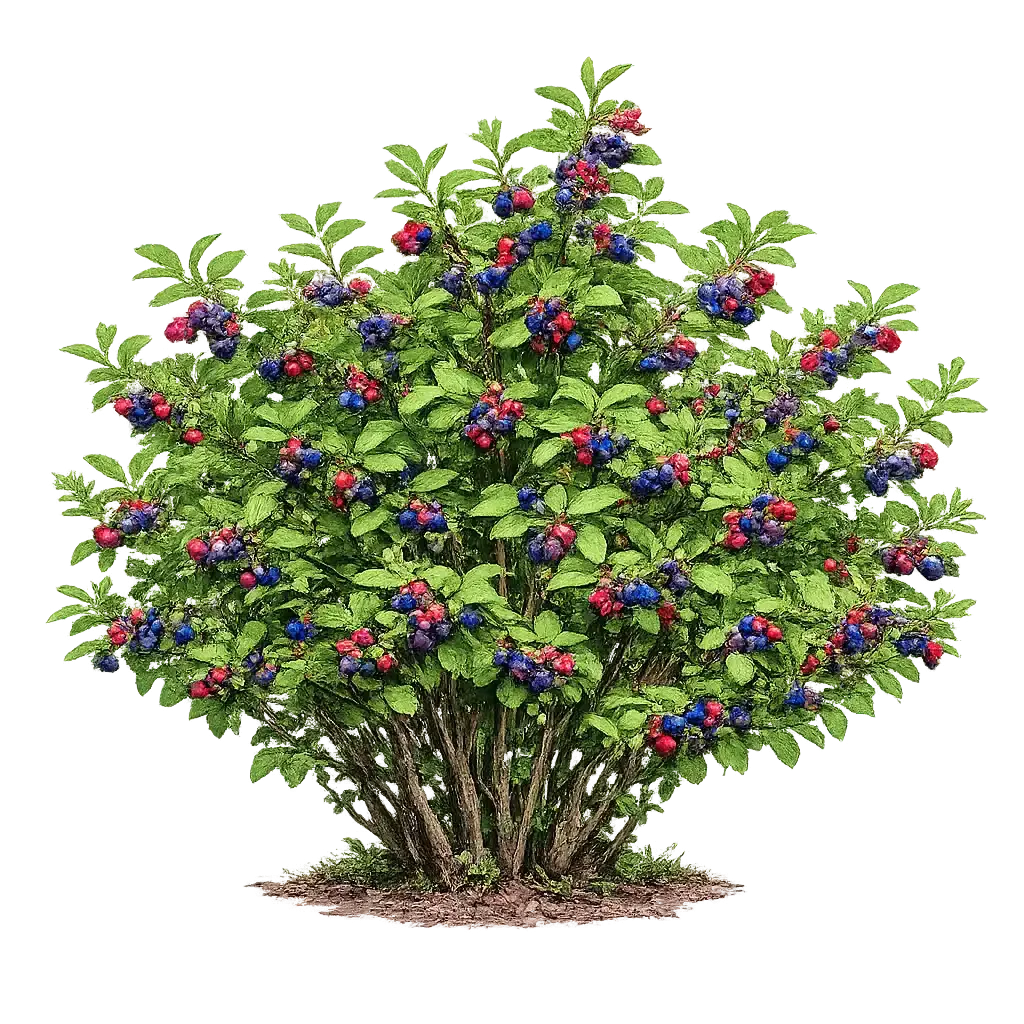
Serviceberry is one of North America's finest native fruiting plants, and one of the most overlooked. Across its wide natural range it goes by a dozen names, Juneberry, saskatoon, shadbush, shadblow, and amelanchier among them, but whatever you call it, the plant itself is extraordinary: spectacularly beautiful in spring, generous in fruit, wildlife-sustaining, cold-hardy to the limits of what most plants can survive, and long-lived in the landscape. For homesteaders and food gardeners in cold climates, it belongs near the top of any serious planting list.
This guide covers serviceberry in full, from what it is and why it deserves a place in the food garden, to planting, care, pruning, harvest, culinary uses, and an honest assessment of its strengths and limitations.
What Is Serviceberry
Serviceberry is the common name for plants in the genus Amelanchier, a group of deciduous shrubs and small trees native to North America, with several species also found in Europe and Asia. The genus includes roughly twenty species, and several of them produce edible fruit of genuine quality. The most commonly cultivated for fruit production are Amelanchier alnifolia, the saskatoon serviceberry native to western North America, and Amelanchier canadensis and Amelanchier laevis, the eastern North American species.
The fruit resembles a blueberry in size and color, ripening from red through deep purple to nearly black, and is borne in clusters that can be quite heavy on a productive plant. The flavor is sweet and mild with a faint almond note from the small seeds, and it is widely regarded as one of the better-tasting native fruits on the continent. Indigenous peoples throughout North America used serviceberries extensively as a food source, both fresh and dried, and the fruit formed an important ingredient in pemmican.
In form, serviceberry ranges from a multi-stemmed suckering shrub of four to eight feet to a graceful small tree reaching fifteen to twenty-five feet depending on species, variety, and pruning. All forms are ornamentally outstanding, producing masses of white flowers in early spring before or alongside the emerging foliage, followed by colorful fruit, and brilliant orange to red fall color.
Why Grow Serviceberry
The case for serviceberry rests on an unusually strong combination of qualities that few other plants can match simultaneously. It is native to much of North America, meaning it has deep ecological relationships with local wildlife, insects, and soil. Its flowers support native bees and early pollinators at a critical time in spring. Its fruit feeds birds and mammals across a broad range. It tolerates difficult soils, cold winters, and exposed sites. And it produces genuinely delicious fruit that is versatile in the kitchen.
For the food-focused homestead, serviceberry fills the early summer fruit window with a productive and flavorful harvest that arrives just ahead of or alongside strawberries, well before most other tree fruits are ready. A mature plant or small grove of serviceberries can supply a significant quantity of fruit each season with relatively modest inputs.
It is also one of the best choices available for integrating food production into an ornamental landscape. Unlike some purely utilitarian fruiting shrubs, serviceberry is beautiful enough to earn its place in any setting, from the formal garden to the naturalized hedgerow to the food forest understory.
Pollination Requirements
Most serviceberry species and varieties are self-fertile to a meaningful degree, and a single plant will produce fruit on its own. This is a practical advantage for growers with limited space.
However, as with most fruiting plants, yields improve with cross-pollination from a second compatible variety or species. Planting two or more serviceberries in proximity is always the better approach if space allows, both for heavier fruit set and for the extended harvest that different ripening times across varieties can provide. Bees and other early pollinators are the primary agents of pollination, and the early flowering time of serviceberry means supporting early pollinator populations through companion planting and habitat is genuinely beneficial.
Climate and Growing Zones
Serviceberry is among the most cold-hardy fruiting plants available to northern growers. Depending on species, it is hardy from USDA zones 2 through 8, with most commonly cultivated varieties reliably productive in zones 3 through 7.
Amelanchier alnifolia and its selected cultivars are among the hardiest, surviving the extreme winters of the Canadian prairies and the northern plains states without difficulty. Eastern species like Amelanchier canadensis and Amelanchier laevis are similarly cold-hardy and also tolerate the humid summers of the eastern seaboard better than some western species.
At the warmer end of its range, serviceberry can struggle in the heat and humidity of zones 8 and 9, where fungal diseases become more problematic and the plant may not accumulate sufficient chilling hours for reliable flowering and fruiting. For warm-climate growers, serviceberry is not the ideal choice.
Native range advantage: Because serviceberry is native to much of North America, locally sourced plants or varieties selected for regional conditions will almost always outperform generic nursery stock. Seeking out regionally appropriate cultivars is worth the additional effort.
Sunlight Requirements
Serviceberry is one of the more shade-tolerant fruiting plants available, which gives it a practical advantage in sites where full sun is not guaranteed. It will produce its best fruit yields in full sun, with six or more hours of direct sunlight daily, but it will grow and fruit usefully in partial shade with three to five hours of sun.
This shade tolerance makes it an excellent candidate for woodland edges, the understory of a food forest system, or spots in the landscape where taller trees or structures limit direct sun. Fruit quality and quantity will be highest in full sun, but the plant remains genuinely productive in conditions that would reduce most fruiting shrubs to ornamental status only.
Soil Requirements
Serviceberry is adaptable to a wide range of soil types and is far less demanding than many fruiting plants in this regard. It grows well in loamy, sandy, or moderately clay soils provided drainage is adequate, and it tolerates both slightly acidic and slightly alkaline conditions across a pH range of roughly 5.5 to 7.5.
It does not tolerate prolonged waterlogging, though it handles periods of seasonal moisture better than most fruiting shrubs. In the wild it is frequently found along stream banks, forest edges, and rocky hillsides, reflecting its adaptability to varied moisture regimes.
Incorporating compost before planting improves both the soil structure and the nutrient availability during establishment, but serviceberry does not require heavily amended soil to perform well. It is genuinely suited to average garden soils without elaborate preparation.
How Far Apart to Plant Serviceberry
Spacing depends significantly on the growth form of the variety selected, as serviceberry ranges from compact multi-stemmed shrubs to upright small trees.
6 to 8 feet apart for shrubby varieties in a productive planting or hedgerow
10 to 15 feet apart for tree-form varieties grown as specimens
4 to 6 feet apart for a dense, informal fruiting hedge
15 to 20 feet from structures or other large trees for full tree-form varieties at maturity
Multi-stemmed shrub forms spread over time by suckering, so allow for this lateral expansion when siting them. Tree forms are more contained but grow taller and need adequate overhead clearance as they mature.
When to Plant Serviceberry
Serviceberry is best planted in early spring while still dormant, or in fall after the heat of summer has passed. Spring planting is preferred in colder zones, giving the roots a full growing season to establish before facing winter. Fall planting works well in zones 5 and warmer, where the mild autumn conditions favor root establishment without the stress of summer heat.
Bare-root plants, available in early spring from specialty nurseries, are an economical and effective way to establish serviceberry and often establish quickly despite their modest size at planting. Container-grown plants can be planted throughout the growing season with attentive watering but are most reliably established in spring or fall.
Planting Process
Choose a site with adequate sun and good drainage. Note whether you want a shrub form for a hedgerow or fruiting planting, or a tree form for a specimen or shade element.
Dig a hole two to three times as wide as the root ball and no deeper than the root ball itself. Serviceberry should be planted at the same depth it was growing, not deeper.
For bare-root plants, spread the roots evenly in the hole and position the crown at or just slightly above the surrounding soil surface.
Backfill with native soil amended with compost. Avoid heavily enriching the planting hole, as this can discourage roots from venturing into the surrounding native soil.
Water thoroughly to settle the soil around the roots and eliminate air pockets.
Apply two to four inches of organic mulch around the base, keeping it several inches away from the main stems or trunk.
Watering Needs
Serviceberry is moderately drought tolerant once established but benefits from consistent moisture during the first two to three years after planting. Deep, infrequent watering during establishment encourages the deep root development that supports the plant's long-term drought resilience.
During fruit development, consistent moisture improves berry size and reduces the risk of premature fruit drop. Once fully established, serviceberry growing in average soils typically requires supplemental watering only during extended dry spells. Mulching around the base significantly reduces moisture loss and is particularly useful during the establishment years.
Fertilization Strategy
Serviceberry is not a heavy feeder and performs well with modest annual nutrition. An application of compost worked lightly into the soil around the drip line in early spring is the most practical and effective approach for most growers.
Avoid high-nitrogen fertilizers, which tend to promote excessive leafy growth at the expense of fruiting and can make the plant more susceptible to certain fungal diseases. On poor or sandy soils where growth is visibly weak, a balanced organic fertilizer applied once annually in spring will provide meaningful support. On average garden soils, compost alone is sufficient.
Pruning Serviceberry
Pruning requirements differ somewhat depending on whether you are growing serviceberry as a shrub or a tree form, but the underlying goals are the same in both cases: maintain good structure, encourage productive younger wood, ensure adequate light penetration and air circulation, and manage the overall size to suit the space.
For shrub forms, annual pruning in late winter or early spring involves removing dead or damaged canes, cutting out the oldest and most congested stems at the base to encourage fresh growth from the crown, and thinning any crossing or inward-facing branches that reduce airflow through the canopy. Serviceberry fruits on spurs from wood that is two years old and older, so the goal is not to remove all older wood, but to maintain a balanced framework of young, mid-age, and mature wood.
For tree forms being trained to a single or multi-leader structure, formative pruning in the early years focuses on establishing a clear framework of well-spaced scaffold branches. Once the basic structure is set, annual maintenance pruning is light, removing deadwood, crossing branches, and any suckers or watersprouts that detract from the form.
Serviceberry tolerates pruning well and recovers readily from moderate cutting. It does not need to be pruned hard to remain productive, and light annual attention is far preferable to infrequent heavy renovation.
When to Expect First Fruit
Serviceberry begins to fruit relatively early compared to many fruiting trees. Container-grown transplants often produce a small crop in their second or third year after planting. Bare-root plants may take a season longer to establish before fruiting begins, but meaningful harvests typically arrive by year three or four.
Peak production develops gradually as the plant matures. By years five through eight a well-established serviceberry is producing a genuinely useful harvest, and production continues to improve with age on plants that are given adequate space and reasonable annual care.
Harvest Timing and Yield
The common name Juneberry reflects the typical ripening window in much of the plant's range, with fruit ready to harvest from late June through July depending on climate, species, and variety. In warmer parts of its range fruit may ripen in late May, while in the northernmost zones harvest may extend into early August.
Ripe serviceberries shift from red through deep purple to nearly black and soften slightly to the touch. They have a sweet, mild flavor with a faint almond undertone from the seeds, which are small and entirely edible. The entire cluster ripens over a period of days to a week or two, and multiple pickings from a single plant extend the harvest window.
A mature serviceberry shrub can yield eight to fifteen pounds of fruit per season in good conditions, with larger tree-form specimens producing considerably more. Yields vary considerably with sun exposure, pollination, and seasonal weather conditions. A late spring frost after flowering can significantly reduce the crop in a given year.
How Long Serviceberry Lives
Serviceberry is genuinely long-lived. Shrub forms in good conditions remain productive for twenty to thirty years or more with regular renewal pruning. Tree forms live longer still, with some specimens recorded at fifty years or beyond in favorable sites.
The suckering habit of shrub-form serviceberry means the plant can in a sense renew itself over time, with younger growth from the base replacing older canes as they decline. This growth pattern, combined with appropriate annual pruning, contributes to the plant's longevity as a productive element in the landscape.
Pests and Diseases
Serviceberry is relatively resistant to serious pest and disease problems, particularly when grown in good conditions with adequate air circulation and appropriate spacing. There are, however, a few issues worth knowing about before planting.
Fire blight is the most significant disease concern for serviceberry, particularly in humid climates or during wet spring weather. It is caused by a bacterial pathogen and enters the plant through the flowers, causing blossoms, shoots, and branches to blacken and die back in a characteristic shepherd's crook pattern. Infected wood should be pruned out well below the visibly affected area, with tools disinfected between cuts. Choosing fire-blight-resistant varieties significantly reduces this risk.
Cedar-apple rust and related rust diseases can affect serviceberry in regions where eastern red cedar is present, causing orange spots on the foliage. It is rarely fatal but can weaken the plant over time. Rust-resistant varieties are available and recommended for affected regions.
Birds are the most consistent practical challenge for fruit harvest. Serviceberries are intensely attractive to birds and the fruit is taken quickly once ripe. Netting is the most reliable protection for growers who want to retain their harvest. Many growers accept sharing a portion of the crop with birds as a worthwhile trade-off given the plant's ecological value.
Culinary Uses
Serviceberries are genuinely excellent fruit, with a flavor that is sweet and mild enough for fresh eating and versatile enough for a wide range of kitchen applications. Their flavor is often compared to a blueberry with a hint of almond, and the comparison is apt if slightly limiting: serviceberries have their own distinct character that rewards direct experience more than description.
Fresh eating directly from the plant, which is one of their best uses given the quality of ripe fruit
Jams, jellies, and preserves, where their natural sweetness and good pectin content produce excellent results
Pies and cobblers, used alone or combined with other summer fruits
Muffins, pancakes, and quick breads
Syrups and fruit concentrates for drinks and desserts
Dried fruit, which concentrates the flavor and resembles a raisin in texture, excellent in granola, baking, and trail mixes
Fruit wines and meads
Smoothies and juices
Ice cream, sorbet, and frozen desserts
Serviceberries freeze exceptionally well. Spread ripe fruit in a single layer on a sheet pan, freeze until solid, then transfer to freezer bags. Frozen serviceberries retain their flavor and nutritional value well and can be used in cooking and baking throughout the year.
Nutritional Value
Serviceberries are nutritionally dense relative to their small size. They provide meaningful quantities of vitamin C, iron, calcium, and manganese, as well as dietary fiber and a range of antioxidant compounds including anthocyanins, the pigments responsible for their deep color. Their iron content in particular is notably high among fruits, which contributed to their importance as a food source in Indigenous diets and in the diets of early settlers and traders.
The fruit is relatively low in sugar compared to some other berries, with a good balance of natural sugars and organic acids that makes it pleasant for fresh eating without the cloying sweetness of some cultivated fruits.
Ornamental Value
Serviceberry earns its place in the landscape across all four seasons. In early spring, often before the leaves have fully opened, it produces a dense covering of delicate white flowers that is among the finest displays of any hardy native plant. The timing of this bloom, frequently coinciding with the runs of shad in eastern rivers, gives the plant the folk names shadbush and shadblow in parts of North America.
In early summer the clusters of ripening fruit progress through red and purple to deep blue-black, providing striking color and attracting wildlife. In fall, the foliage turns brilliant shades of orange, red, and gold. In winter, the smooth gray bark and graceful branching structure of tree forms provide elegant presence in the dormant landscape.
Few fruiting plants offer this level of multi-season ornamental interest. Serviceberry can be used as a specimen tree, a woodland edge planting, a naturalized hedgerow, a garden border shrub, or a food forest canopy element, and it performs admirably in all of these roles.
Ecological Value
As a native plant across much of its range, serviceberry has deep ecological relationships that make it one of the most valuable plants a homesteader can add to the landscape from a biodiversity perspective. Its early flowers are a critical resource for native bees, mining bees, and other early-emerging pollinators at a time when very little else is in bloom.
The fruit supports a wide range of bird species during the early summer period before most other fruits are available, including waxwings, robins, thrushes, orioles, and many others. The plant also provides nesting habitat and shelter for birds and small mammals throughout the year.
For homesteads pursuing integrated land management that supports biodiversity alongside food production, serviceberry is one of the clearest wins available. It produces food for the household and for the ecosystem simultaneously, without requiring inputs or management that would compromise either function.
Companion Planting
Serviceberry integrates naturally into a wide range of planting contexts. It works well alongside other cold-hardy native fruiting plants including elderberry, wild plum, hawthorn, and chokecherry in productive hedgerows that support both food production and wildlife habitat.
In food forest systems, serviceberry occupies the small tree or large shrub layer and works well with understory plants such as currants, gooseberries, and shade-tolerant herbs. Its relatively open canopy allows reasonable light to reach plants growing beneath or around it.
Planting early-blooming companions such as chives, borage, and spring bulbs nearby supports the pollinators that visit serviceberry flowers and benefits neighboring fruit plants that also rely on early pollinator activity.
Variety Selection
Selecting the right variety is important and varies by region and intended use. For western North America, cultivated saskatoon varieties such as Thiessen, Smoky, and Northline have been selected specifically for large fruit size, heavy yields, and cold hardiness, and are the standard choices for productive plantings in that region. Thiessen is widely regarded as producing the largest and best-flavored fruit among saskatoon cultivars.
For eastern North America, Amelanchier laevis and its cultivars including Regent and Autumn Brilliance offer excellent fruit quality combined with outstanding ornamental characteristics and good disease resistance. Regent is a compact shrub form well suited to smaller gardens and container growing. Autumn Brilliance is a larger tree form prized for both fruit and exceptional fall color.
For growers primarily interested in fire blight and rust resistance, selecting named cultivars with documented disease resistance for their region is worth the research investment before purchasing.
Pros and Cons of Planting Serviceberry
Advantages
Exceptionally cold-hardy, reliable from zone 2 to 7
Native to North America with strong ecological relationships
Outstanding ornamental value across all four seasons
Genuinely excellent fruit flavor for fresh eating and processing
More shade tolerant than most fruiting plants
Adapts to a wide range of soil types
Self-fertile, with improved yields from cross-pollination
Long-lived, productive for 20 to 30 years or more
Significant nutritional value, especially iron content
Supports bees, birds, and wildlife throughout the year
Limitations
Birds take fruit aggressively once ripe
Susceptible to fire blight in humid climates
Cedar-apple rust can be problematic in affected regions
Suckering habit of shrub forms requires management
Fruit window is relatively short, requiring timely harvest
Not well suited to zones 8 and warmer
Flavor varies between species and varieties, requiring careful selection
Quality nursery stock can be harder to source than common fruit plants
Long-Term Planning Considerations
Serviceberry is one of the most genuinely rewarding long-term investments available to a cold-climate homestead or food garden. It begins producing meaningful harvests sooner than many fruiting trees, delivers multi-season ornamental value from its first year in the ground, and improves steadily with age over a productive lifespan of several decades.
The most important planning decisions are species and variety selection for your specific region, and siting the plant where it can develop fully without being constrained by structures, competing root systems, or insufficient light. Serviceberry given adequate space and reasonable annual care will become one of the most valuable and enduring elements in the landscape.
For homesteads committed to ecological land management alongside food production, serviceberry occupies a unique position. Few plants contribute as much to both goals simultaneously. Planted as part of a productive hedgerow, a food forest system, or simply as a well-sited specimen in the kitchen garden, it returns value in fruit, beauty, and ecological function year after year for decades.
Final Thoughts
Serviceberry is a plant that deserves far wider recognition than it currently receives in most food gardens and homestead landscapes. Its combination of cold hardiness, native ecological value, multi-season beauty, genuine fruit quality, and long productive lifespan is difficult to match in a single plant. It asks for a good site, appropriate variety selection, and light annual attention, and it gives back generously across every season for many years.
For growers in zones 3 through 7 who want a plant that is simultaneously productive, beautiful, and ecologically meaningful, serviceberry is one of the most complete choices available. It is a plant worth knowing well, worth planting thoughtfully, and worth tending with long-term intention.