
American Wirehair
Overview
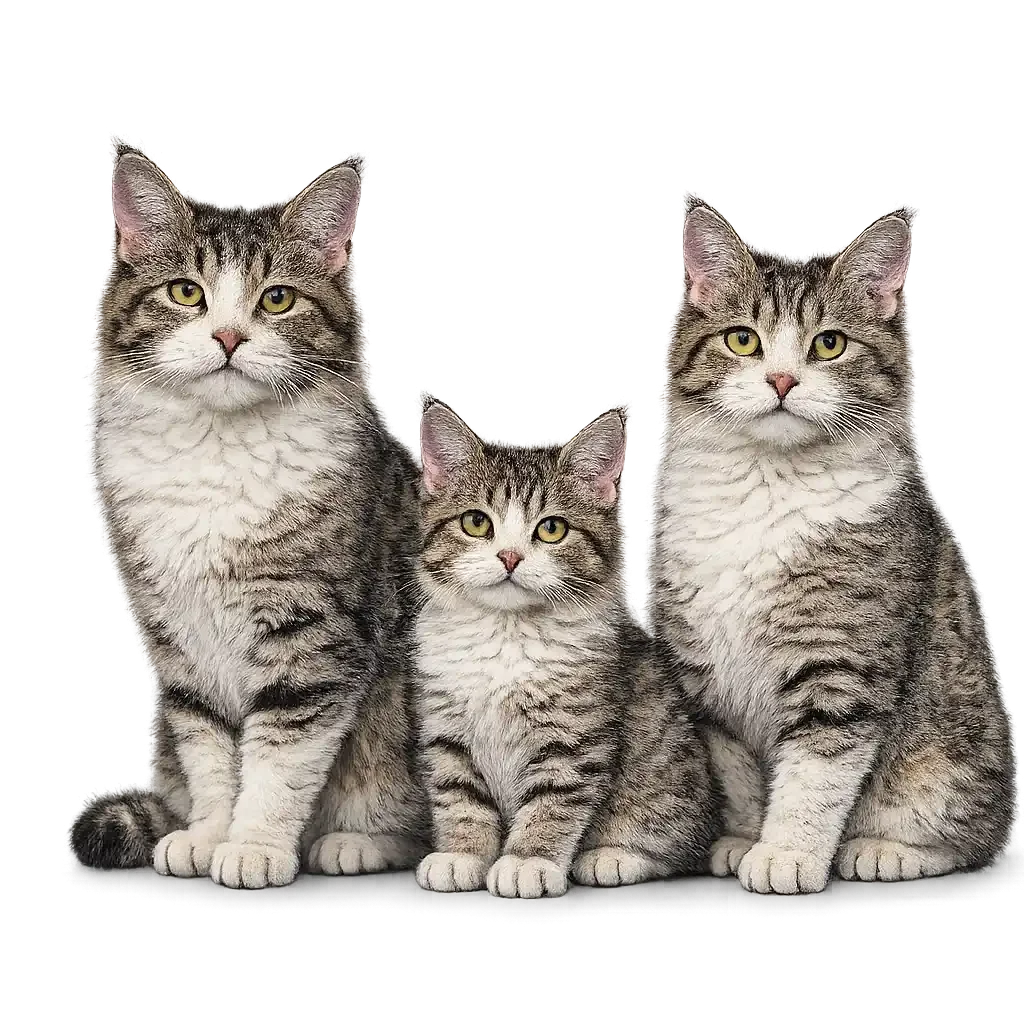
The American Wirehair is one of the rarest cat breeds in the world and is entirely unique to the United States. Born from a spontaneous genetic mutation on an upstate New York farm in 1966, this breed is characterized by its distinctive crimped, springy coat that feels like steel wool or lamb's wool. Despite their unusual appearance, American Wirehairs are essentially American Shorthairs with a remarkable coat mutation, sharing the same excellent working cat qualities, robust health, and easygoing temperament.
American Wirehairs are prized for their exceptional hardiness, low-maintenance nature (despite their unique coat), superior mousing abilities, and adaptable personalities. Their resilient constitution and natural hunting instincts make them outstanding farm cats, while their gentle, affectionate nature makes them wonderful companions. The breed remains rare, making them a unique and conversation-starting addition to any farm or homestead.
Origin & History
Origin: Verona, New York, United States
Foundation: 1966 - spontaneous natural mutation
Foundation Cat: "Adam" - red and white male kitten born on a farm
Mutation Discovery: Single kitten in a litter of barn cats had wiry coat
Development: Bred to American Shorthairs to establish the breed
Genetic Basis: Dominant gene for wirehair coat (unique mutation)
Breeder: Joan O'Shea purchased Adam and began breeding program
Recognition: CFA accepted for registration in 1967; championship status in 1978
Uniqueness: Only cat breed with this specific coat mutation
Current Status: One of the rarest pedigreed cat breeds globally
Physical Characteristics
Size: Medium to large
Weight: Males 11-15 lbs; Females 8-12 lbs
Body Type: Medium, rounded, well-muscled (same as American Shorthair)
Build: Powerful, athletic, substantial
Coat: Short to medium, springy, crimped, wiry texture
Coat Texture: Feels like steel wool or lamb's wool; each hair is crimped/hooked
Coat Density: Dense, resilient, stands away from body
Whiskers: Curly or crimped (characteristic of breed)
Ear Furnishings: Crimped hairs inside ears
Colors: All colors and patterns accepted (same as American Shorthair)
Common Colors: Red, white, black, blue, cream, silver, brown tabby
Head: Round, proportionate with prominent cheekbones
Eyes: Large, round, bright, expressive (gold, green, blue, or odd-eyed)
Ears: Medium, slightly rounded, wide-set
Legs: Medium length, well-boned, muscular
Paws: Round, firm, compact
Tail: Medium length, tapering, covered in wiry coat
Overall Appearance: Sturdy, athletic, with unique crimped coat texture
Reproduction & Breeding
Sexual Maturity: Females 5-9 months; Males 5-7 months
Breeding Age: Best to wait until 18-24 months
Heat Cycle: Every 2-3 weeks during breeding season
Gestation Period: 63-65 days (approximately 9 weeks)
Litter Size: Average 4-5 kittens (range 3-7)
Birthing: Generally easy births; excellent mothers
Kitten Development: Eyes open at 7-10 days; coat texture develops over time
Coat Development: Wirehair coat becomes apparent at 6-8 weeks; fully developed by 6 months
Weaning: 8-10 weeks
Breeding Frequency: Should limit to 1-2 litters per year
Fertility Period: Productive breeding years 2-8 years old
Genetic Trait: Dominant gene - breeding wirehair to wirehair produces all wirehair kittens
Outcrossing: Bred to American Shorthairs to maintain genetic diversity
Lifespan & Health
Average Lifespan: 14-18 years
Record Lifespan: Some live into their early 20s
Health Status: Exceptionally healthy with robust constitution
Common Health Issues:
Very few breed-specific health problems
Same health profile as American Shorthair (very healthy)
Hypertrophic cardiomyopathy (HCM) - rare but can occur
Skin Sensitivity: Some may have slightly sensitive skin (minimal issue)
Dental Health: Regular dental care recommended
Weight Management: Monitor to prevent obesity
Vaccinations: Standard feline vaccines (FVRCP, rabies)
Parasite Control: Regular flea/tick prevention for outdoor cats
Spay/Neuter: Recommended at 5-6 months if not breeding
Hardy Constitution: Extremely robust, disease-resistant breed
Temperament & Personality
American Wirehairs have nearly identical personalities to American Shorthairs - they are calm, affectionate, and easygoing cats with stable, predictable temperaments. They are moderately active, enjoying play and interaction but not demanding constant attention. These cats are adaptable and handle changes in routine well, making them ideal for the variable schedules of farm life.
Wirehairs are friendly and social with family members, including children and other pets, but are not overly clingy. They maintain a healthy independence while still enjoying companionship. These cats are intelligent and curious, often investigating new objects or changes in their environment. They are quieter cats with soft voices, rarely excessive in their vocalizations.
American Wirehairs are confident without being aggressive, making them excellent at establishing and maintaining territory against rodent pests. They are patient and gentle, rarely showing aggression toward humans or other animals. Their balanced temperament combines the independence needed for effective farm work with the sociability that makes them beloved family members.
Hunting & Working Ability
Prey Drive: Excellent - strong natural hunting instincts
Hunting Skills: Superior mousers and ratters (same as American Shorthair)
Target Prey: Mice, rats, moles, voles, small birds, insects
Hunting Style: Patient stalkers with powerful pouncing ability
Working Ability: Highly effective pest control on farms
Territory Size: Will patrol extensive areas
All-Weather Hunter: Wirehair coat provides protection in various conditions
Night Hunting: Excellent nocturnal vision and hunting ability
Stamina: Good endurance for extended hunting sessions
Intelligence: Strategic hunters who learn prey patterns
Power: Strong, muscular build for overpowering prey
Care & Maintenance
Grooming: Minimal - weekly brushing sufficient
Coat Care: Despite texture, requires less grooming than many breeds
Brushing Technique: Gentle brushing; avoid over-grooming (can damage wiry texture)
Shedding: Low to moderate shedding
Bathing: Rarely needed; can dry out coat if done too frequently
Nail Trimming: Every 2-3 weeks
Ear Cleaning: Occasionally check and clean ears
Dental Care: Weekly tooth brushing recommended
Feeding: High-quality cat food; 1/3 to 1/2 cup daily (split into 2 meals)
Water: Fresh water always available
Litter Box: One per cat plus one extra; scoop daily
Exercise: Moderate - provide climbing/scratching opportunities
Environmental Enrichment: Enjoys toys, perches, outdoor access
Coat Protection: Wiry coat is naturally protective and low-maintenance
Climate Adaptability
Climate Tolerance: Excellent - adapts to various climates
Cold Tolerance: Very good - dense wiry coat provides insulation
Heat Tolerance: Good - coat allows air circulation
Weather Resistance: Wiry coat is somewhat water-resistant
Best Climate: Adaptable to most climates (temperate to cold best)
Indoor/Outdoor: Thrives in both environments
Shelter Needs: Benefits from shelter but very hardy
Coat Function: Unique texture provides protection from elements
Advantages for Farmhouse Living
Exceptional pest control - superior mousing and ratting abilities
Extremely hardy and healthy - robust constitution
Low maintenance despite unique coat - minimal grooming needed
Weather-resistant coat provides protection in various conditions
Calm, stable temperament - easy to work with
Adaptable to various climates and environments
Independent yet affectionate - balanced personality
Good with children and other animals
Low shedding compared to many breeds
Long lifespan (14-18 years) provides extended service
Quiet, non-demanding personality
Strong, muscular build for effective hunting
Unique appearance - conversation starter
Rare breed - special addition to farm
Few genetic health problems
Disadvantages for Farmhouse Living
Extremely rare breed - difficult and expensive to obtain ($800-$1,500+)
Limited availability - may require waiting lists or travel
Small gene pool means limited breeding options
Some cats may have slight skin sensitivity
Coat should not be over-groomed or bathed frequently
Can become overweight if overfed
May hunt beneficial wildlife (birds) due to strong prey drive
Outdoor access increases risk of injury, disease, parasites
Unique coat may collect more debris than smooth coats
Rarity means fewer resources and breed-specific information
Best Suited For
Working farms needing effective pest control
Owners seeking unique, rare breeds
Families wanting low-maintenance cats
Rural properties with rodent populations
Indoor/outdoor living situations
Various climate zones (very adaptable)
Operations valuing hardy, healthy cats
Farms with children and other animals
Owners who appreciate American breeds
Those seeking conversation-piece working cats
Economic Considerations
Initial Cost: Pedigreed kittens $800-$1,500; Show quality $1,200-$2,000+
Availability: Very limited - may require travel or waiting
Annual Veterinary Care: $200-$400 (vaccines, checkups, preventatives)
Food Costs: $200-$400 annually
Grooming: Minimal - DIY grooming sufficient ($0-$50 annually)
Spay/Neuter: $50-$200 one-time cost
Pest Control Value: Excellent ROI - highly effective hunters
Long-term Value: 14-18 year lifespan provides extended service
Maintenance: Very low overall costs
Fun Facts
American Wirehair is one of the rarest cat breeds in the world
The breed originated from a single kitten born on a New York farm in 1966
Every American Wirehair can trace ancestry back to "Adam," the foundation cat
The wirehair gene is dominant - one wirehair parent produces wirehair kittens
The breed is essentially an American Shorthair with a unique coat mutation
American Wirehairs are found almost exclusively in North America
The coat feels like steel wool but is not coarse or uncomfortable
Even the whiskers and ear hairs are crimped in this breed
The wirehair coat is a completely unique mutation not found in other breeds
Kittens are born with straight coats; the crimping develops over several weeks
The breed was accepted for championship status just 12 years after its discovery
American Wirehairs are so rare that fewer than 200 are registered annually
The wiry coat requires less grooming than many smooth-coated breeds
They are recognized by all major cat associations in North America
The breed's rarity makes them highly valued by collectors and enthusiasts