
Bengal
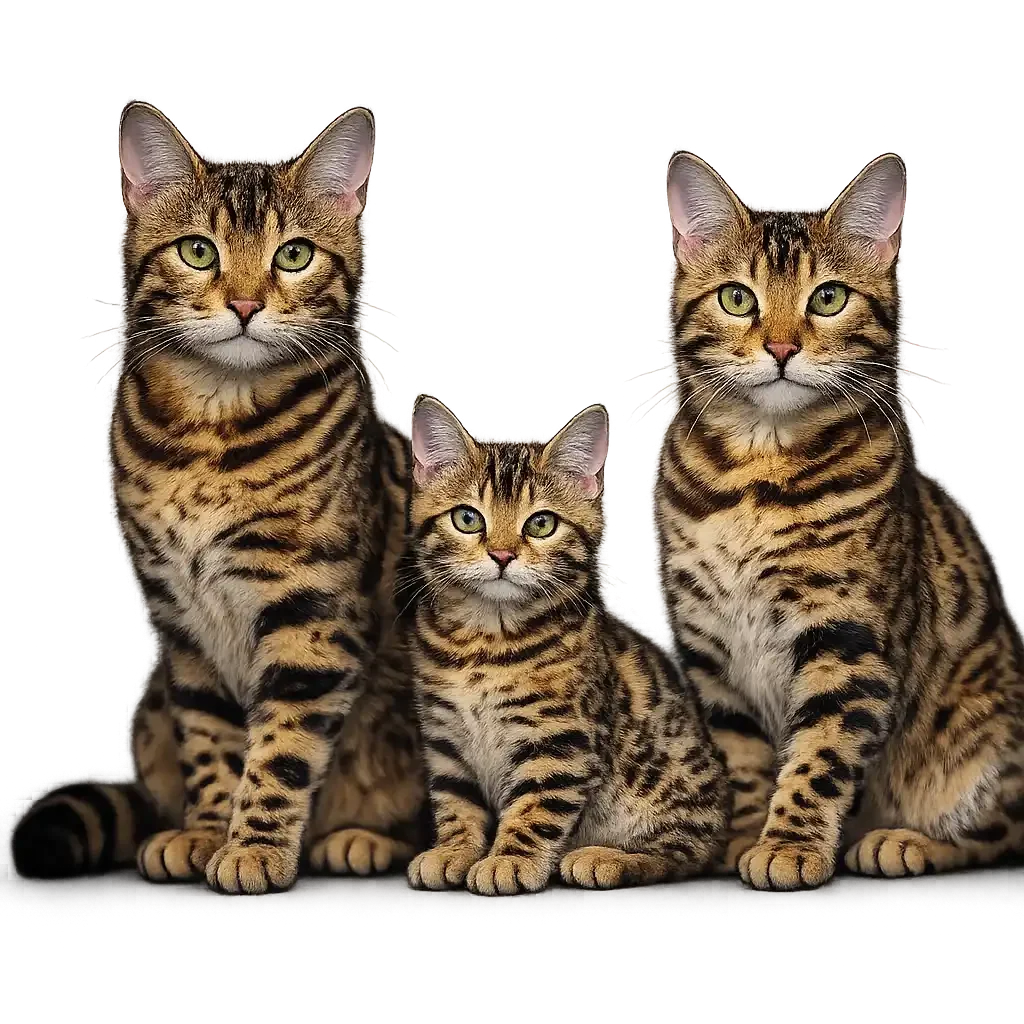
Overview
The Bengal is a stunning hybrid breed that combines the exotic, wild appearance of an Asian leopard cat with the temperament of a domestic cat. Known for their distinctive spotted or marbled coat that glitters in sunlight, Bengals are medium to large, muscular cats with extraordinary athleticism and intelligence. Developed through careful breeding programs beginning in the 1960s, Bengals retain strong hunting instincts while being affectionate and interactive companions.
Bengals are prized for their exceptional beauty, high energy levels, superior hunting abilities, and dog-like personalities. Their athletic build, keen intelligence, and powerful prey drive make them highly effective working cats on farms and homesteads. These cats are intensely active, curious, and demanding of interaction, requiring owners who can provide the mental stimulation and physical activity they need. For the right farm environment, Bengals are unmatched pest controllers with striking, exotic appearances.
Origin & History
Origin: United States
Foundation: 1960s-1970s hybrid breeding program
Foundation Breeder: Jean Mill (California) pioneered the breed
Hybrid Background: Asian Leopard Cat (Prionailurus bengalensis) × Domestic cats
Domestic Breeds Used: Egyptian Mau, Abyssinian, American Shorthair, Burmese
Original Purpose: Create leopard-patterned domestic cat
Development: Multi-generational breeding to establish temperament
Recognition: TICA accepted in 1983; CFA championship status in 2016
Generations: F4 and later (four generations from wild ancestor) considered domestic
Current Status: One of the most popular exotic-looking breeds
Physical Characteristics
Size: Medium to large
Weight: Males 10-18 lbs; Females 8-12 lbs
Body Type: Long, lean, muscular, athletic
Build: Powerful, sleek, wild cat appearance
Coat: Short to medium, dense, luxuriously soft
Coat Texture: Sleek, silky, often with glitter effect
Glitter: Light-reflecting quality makes coat shimmer (unique trait)
Patterns: Spotted (rosettes preferred) or marbled
Rosettes: Two-toned spots resembling leopard/jaguar markings
Marbled: Swirling, flowing patterns
Colors: Brown tabby, snow (seal lynx point, seal mink, seal sepia), silver, blue, charcoal
Most Popular: Brown spotted/rosetted tabby (leopard-like)
Head: Broad, modified wedge with rounded contours
Eyes: Large, oval, wide-set (green, gold, or blue in snow Bengals)
Ears: Medium, short, wide-based with rounded tips
Legs: Long, muscular, powerful
Paws: Large, rounded
Tail: Thick, medium length, carried low
Overall Appearance: Wild leopard/ocelot appearance with domestic size
Reproduction & Breeding
Sexual Maturity: Females 6-10 months; Males 6-9 months
Breeding Age: Best to wait until 18-24 months
Heat Cycle: Every 2-3 weeks during breeding season
Gestation Period: 63-65 days (approximately 9 weeks)
Litter Size: Average 4-6 kittens (range 3-8)
Birthing: Generally easy births; attentive mothers
Kitten Development: Eyes open at 7-10 days; extremely active from early age
Coat Development: Kittens born with "fuzzy" coat; adult pattern emerges by 12 weeks
Glitter Development: Glitter gene present from birth but becomes more pronounced
Weaning: 8-10 weeks
Breeding Frequency: Should limit to 1-2 litters per year
Fertility Period: Productive breeding years 2-8 years old
Note: F1-F3 generations may have fertility issues (early hybrid generations)
Lifespan & Health
Average Lifespan: 12-16 years
Record Lifespan: Some live into their late teens
Health Status: Generally healthy with some breed-specific concerns
Common Health Issues:
Progressive retinal atrophy (PRA) - eye disease
Hypertrophic cardiomyopathy (HCM) - heart condition
Pyruvate kinase deficiency (PK deficiency) - blood disorder
Patellar luxation - knee joint issues
Sensitive digestive system (some individuals)
Genetic Testing: Available for PRA, HCM, and PK deficiency
Dental Health: Regular dental care recommended
Weight Management: Active metabolism usually maintains healthy weight
Vaccinations: Standard feline vaccines (FVRCP, rabies)
Parasite Control: Regular flea/tick prevention for outdoor cats
Spay/Neuter: Recommended at 5-6 months if not breeding
Temperament & Personality
Bengals are extraordinarily active, intelligent, and demanding cats with intense personalities. They are often described as having energy levels "off the charts" - constantly on the move, playing, exploring, and hunting. Bengals are highly curious and will investigate everything in their environment, often getting into cabinets, closets, and high places.
These cats are exceptionally athletic, capable of impressive jumps and climbs. They love water and may play in sinks, fountains, or even join their owners in the shower. Bengals are very vocal, using a wide range of sounds to communicate their needs and desires. They form strong bonds with their families and can be affectionate, though they're rarely content to just sit still.
Bengals are highly intelligent problem-solvers who can learn to open doors, turn on faucets, and figure out complex puzzles. They require extensive mental stimulation or they can become destructive. These cats have strong prey drives and will hunt relentlessly. While they can be loving companions, Bengals are not for everyone - they need active, engaged owners who can keep up with their intense energy and provide the interaction they crave.
Hunting & Working Ability
Prey Drive: Extremely high - among the strongest of all domestic breeds
Hunting Skills: Superior - retain wild cat hunting instincts
Target Prey: Mice, rats, moles, voles, rabbits, birds, snakes, insects
Hunting Style: Intense, focused, relentless stalkers
Working Ability: Exceptional pest control - will hunt constantly
Size Advantage: Large, powerful build allows tackling bigger prey
Territory Coverage: Will patrol extensively and energetically
Vertical Hunting: Excellent climbers hunt at all levels
Water Hunting: Will hunt near water sources (fish, frogs, water rodents)
Stamina: Exceptional endurance - can hunt for hours
Intelligence: Strategic, adaptive hunters who learn prey patterns quickly
Speed: Very fast runners and lightning-quick pounces
Care & Maintenance
Grooming: Minimal - weekly brushing sufficient
Coat Care: Short coat requires little maintenance
Shedding: Low to moderate shedding
Bathing: Rarely needed (most enjoy water and may self-bathe)
Nail Trimming: Every 2-3 weeks (very active, wear down naturally)
Dental Care: Weekly tooth brushing recommended
Feeding: High-quality, high-protein cat food; 1/2 to 3/4 cup daily (split into 2-3 meals)
Dietary Needs: Some have sensitive stomachs; grain-free often recommended
Caloric Needs: Higher due to extreme activity level
Water: Fresh water always available; may prefer running water
Litter Box: Large boxes needed; one per cat plus one extra; scoop daily
Exercise: VERY HIGH - needs multiple daily play sessions
Environmental Enrichment: CRITICAL - cat trees, toys, puzzles, outdoor access essential
Mental Stimulation: Puzzle feeders, training, interactive games absolutely necessary
Climate Adaptability
Climate Tolerance: Good - adapts to various climates
Cold Tolerance: Moderate - short coat provides less insulation
Heat Tolerance: Very good - handles warm weather well
Best Climate: Temperate to warm regions
Indoor/Outdoor: Needs outdoor access or very large indoor space
Shelter Needs: Requires warm shelter in cold weather
Weather Resistance: Short coat offers minimal protection in extreme weather
Advantages for Farmhouse Living
Exceptional hunting ability - among the best pest controllers
Extremely high prey drive - will hunt relentlessly
Large, powerful build for tackling bigger pests
High intelligence allows learning territory and routines
Athletic ability - can catch fast-moving or climbing prey
Loves water - will hunt near ponds, streams, water sources
Low grooming maintenance despite exotic appearance
Very active - thorough property patrol
Strong, healthy constitution (with proper breeding)
Trainable - can learn boundaries and commands
Striking appearance - beautiful working cats
Good longevity (12-16 years) with proper care
Minimal shedding
Active metabolism maintains healthy weight
Disadvantages for Farmhouse Living
EXTREMELY high energy - can be overwhelming and destructive if bored
Requires massive amounts of mental stimulation and interaction
Very demanding personality - not suited to hands-off farm cat life
Can be escape artists - very intelligent and determined
May be too intense for calm farm environments
Will hunt ALL wildlife - birds, beneficial animals, pets of neighbors
Can be aggressive or destructive without proper outlets
Very expensive to purchase ($1,500-$3,000+)
Some have sensitive digestive systems requiring special diets
Vocal and demanding - can be noisy
Poor cold tolerance - not suited to harsh winters without shelter
May wander far from home (strong roaming instinct)
Can be too rough in play with children or other pets
High risk of theft due to exotic appearance and value
Some genetic health issues require screening
Best Suited For
ACTIVE farms with owners who can provide extensive interaction
Properties with large pest problems requiring aggressive control
Experienced cat owners who understand high-energy breeds
Temperate to warm climates
Farms where cats are family members, not just workers
Properties with water features (ponds, streams)
Secure, enclosed outdoor spaces (catios) or supervised outdoor time
Operations seeking unique, exotic-looking cats
Households prepared for very demanding, intense cats
NOT suited for hands-off barn cat situations
Economic Considerations
Initial Cost: $1,500-$3,000; Show quality $3,000-$10,000+
Annual Veterinary Care: $300-$500 (vaccines, checkups, preventatives, genetic screening)
Food Costs: $400-$600 annually (high-quality, often grain-free)
Enrichment: $200-$400 annually (toys, puzzles, cat trees - wear out quickly)
Spay/Neuter: $75-$250
Pest Control Value: Excellent - highly effective hunters
Long-term Value: 12-16 year lifespan
Maintenance: Low grooming but very high enrichment needs
Security: May need extra fencing/security due to value and escape tendencies
Fun Facts
Bengals are the only domestic cat breed with rosette markings like leopards
Many Bengals have a "glitter gene" that makes their coat sparkle in light
They are descended from Asian Leopard Cats, a small wild cat species
Bengals are one of the few cat breeds that love water and will swim
Some Bengals can be trained to walk on leashes like dogs
They are among the most athletic and agile domestic cat breeds
Bengals can jump up to 8 feet vertically from a standing position
The name "Bengal" comes from the scientific name of the Asian Leopard Cat
Early generation Bengals (F1-F3) are considered exotic pets, not domestic
Bengals have been known to play fetch and learn complex tricks
Some Bengals chirp and trill more than they meow
They have the largest gene pool of any hybrid cat breed
Bengals are one of the most popular cat breeds globally
Many Bengals will turn on water faucets to play
They have webbed feet (slight webbing) like their wild ancestors