
British Shorthair
Overview
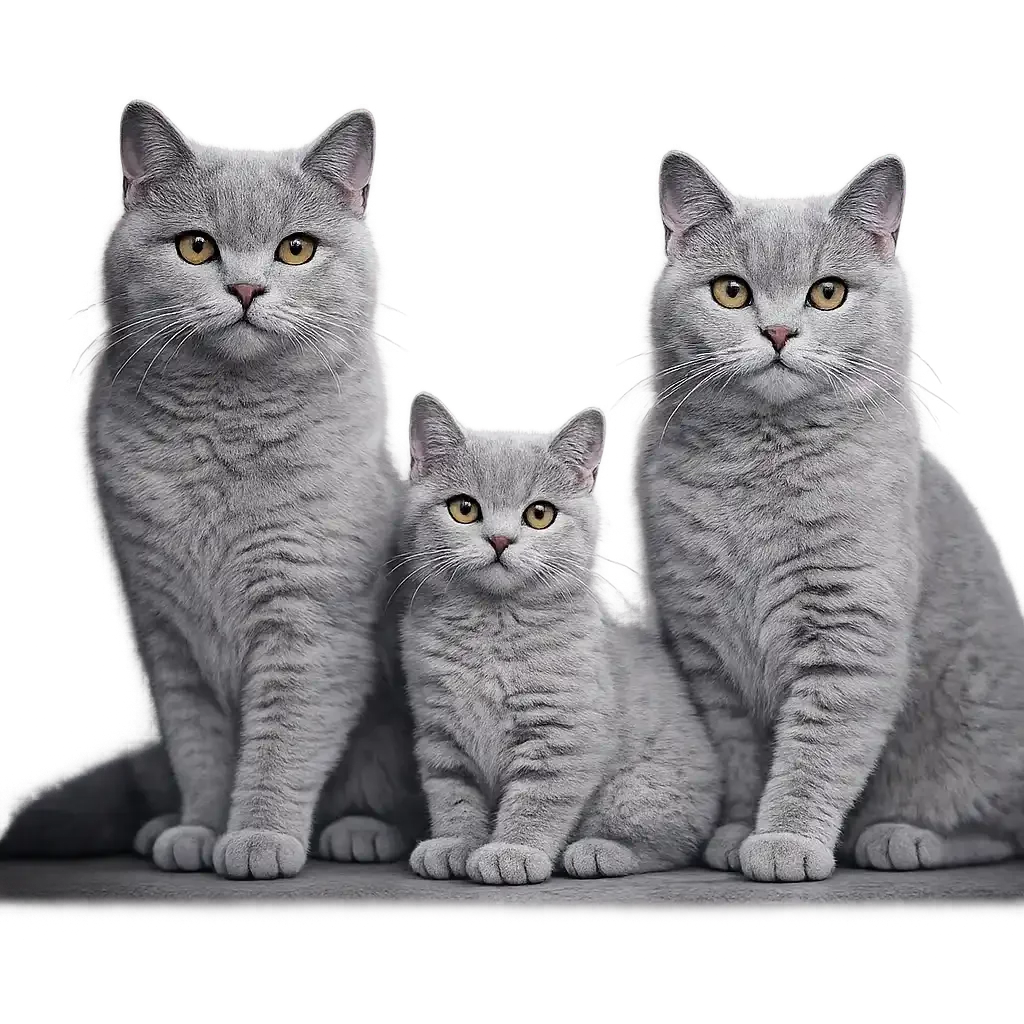
The British Shorthair is one of the oldest and most iconic cat breeds, known for its distinctive round face, dense plush coat, and stocky, muscular build. Often called the "teddy bear" of the cat world due to their chunky appearance and soft, dense fur, British Shorthairs combine a dignified, calm temperament with a long history as working cats. These cats are the pedigreed version of the traditional street and farm cats of Britain, refined through selective breeding but retaining their excellent mousing abilities and hardy constitution.
British Shorthairs are prized for their easygoing nature, robust health, independence, and exceptional adaptability. Their thick, weather-resistant coat, substantial build, and calm temperament make them ideal for farm life. These cats are neither overly demanding nor completely aloof - they enjoy human companionship but are perfectly content entertaining themselves. Their patient, tolerant personality combined with strong hunting instincts makes them outstanding working cats for farms and homesteads.
Origin & History
Origin: Great Britain
Development Period: Ancient breed, refined in late 1800s
Ancestry: Descended from cats brought to Britain by Romans
Working History: Street cats and farm mousers for centuries
Selective Breeding: Began in late 1800s by Harrison Weir
First Cat Show: Featured at first organized cat show (Crystal Palace, 1871)
Recognition: One of the first pedigreed cat breeds
Near Extinction: Devastated by WWI and WWII; outcrossed with Persians to rebuild
Persian Influence: Introduced chunky build and dense coat
Current Status: One of the most popular pedigreed breeds worldwide
Physical Characteristics
Size: Medium to large
Weight: Males 12-18 lbs; Females 9-14 lbs
Body Type: Cobby, compact, powerful, muscular
Build: Stocky, substantial, well-rounded
Coat: Short, dense, plush, crisp-textured
Coat Texture: Double coat - thick and stands away from body
Coat Feel: Like plush velvet or teddy bear fur
Colors: Over 30 colors and patterns recognized
Most Iconic: British Blue (solid blue-gray)
Common Colors: Blue, black, white, cream, red, silver, golden
Patterns: Solid, tabby, colorpoint, tortoiseshell, bi-color
Head: Large, round, with full cheeks (distinctive "Cheshire Cat" smile)
Eyes: Large, round, wide-set (copper, gold, blue, or green depending on coat)
Ears: Medium, wide-set, rounded tips
Legs: Short to medium, sturdy, well-boned
Paws: Large, round, firm
Tail: Medium length, thick at base, rounded tip
Overall Appearance: Teddy bear-like, sturdy, dignified
Reproduction & Breeding
Sexual Maturity: Females 7-12 months; Males 7-10 months (later than most breeds)
Breeding Age: Best to wait until 18-24 months (slow-maturing breed)
Heat Cycle: Every 2-3 weeks during breeding season
Gestation Period: 63-65 days (approximately 9 weeks)
Litter Size: Average 3-5 kittens (range 2-6)
Birthing: Generally easy births; excellent, calm mothers
Kitten Development: Eyes open at 7-10 days; slower development than some breeds
Weaning: 8-10 weeks
Breeding Frequency: Should limit to 1-2 litters per year
Fertility Period: Productive breeding years 2-8 years old
Maturation: Slow-maturing; full size at 3-5 years
Lifespan & Health
Average Lifespan: 14-20 years
Record Lifespan: Some live into their early 20s
Health Status: Generally very healthy and robust
Common Health Issues:
Hypertrophic cardiomyopathy (HCM) - heart condition
Polycystic kidney disease (PKD) - less common due to outcrossing
Obesity - prone to weight gain if overfed
Hemophilia B - rare bleeding disorder
Genetic Testing: Available for HCM and PKD
Dental Health: Regular dental care recommended
Weight Management: Important - tendency to become overweight
Vaccinations: Standard feline vaccines (FVRCP, rabies)
Parasite Control: Regular flea/tick prevention for outdoor cats
Spay/Neuter: Recommended at 5-6 months if not breeding
Hardy Constitution: Very resilient, disease-resistant breed
Temperament & Personality
British Shorthairs are the epitome of calm, dignified, and easygoing cats. They are affectionate without being demanding, enjoying the company of their families but not requiring constant attention. Often described as "perfect gentleman" or "proper British lady," these cats have a reserved but friendly demeanor. They are tolerant and patient, making them excellent with children and other pets when properly introduced.
British Shorthairs are moderately active - they enjoy play and hunting but are not hyperactive. They are intelligent and observant, preferring to watch activities from a comfortable perch. These cats are remarkably adaptable, handling changes in routine and environment with equanimity. They are quiet cats with soft voices, rarely excessive in their vocalizations.
British Shorthairs maintain a healthy independence, making them ideal for working farm situations where they can spend time alone hunting and patrolling. They are not typically lap cats but show affection by sitting near their people. Their stable, predictable temperament combined with strong hunting instincts makes them outstanding working cats that don't require constant supervision or interaction.
Hunting & Working Ability
Prey Drive: Good to excellent - strong natural hunting instincts
Hunting Skills: Patient stalkers with powerful pouncing ability
Target Prey: Mice, rats, moles, voles, small birds
Hunting Style: Patient, methodical, deliberate hunters
Working Ability: Effective pest control on farms
Size Advantage: Stocky, powerful build for overpowering prey
Territory Size: Will patrol moderate areas (not excessive roamers)
Stamina: Good endurance but not marathon hunters
Intelligence: Strategic hunters who learn prey patterns
Heritage: Centuries of working cat genetics
Care & Maintenance
Grooming: Minimal to moderate - weekly brushing sufficient
Coat Care: Dense double coat benefits from regular brushing
Shedding: Moderate year-round; heavier seasonally
Bathing: Rarely needed (self-grooming sufficient)
Nail Trimming: Every 2-3 weeks
Dental Care: Weekly tooth brushing recommended
Feeding: High-quality cat food; 1/3 to 1/2 cup daily (split into 2 meals)
Weight Monitoring: CRITICAL - prone to obesity
Portion Control: Measure food carefully; don't free-feed
Water: Fresh water always available
Litter Box: Large boxes needed; one per cat plus one extra
Exercise: Moderate - daily play sessions recommended
Environmental Enrichment: Climbing structures, toys, outdoor access beneficial
Climate Adaptability
Climate Tolerance: Excellent - very adaptable
Cold Tolerance: Excellent - thick double coat provides insulation
Heat Tolerance: Good - handles moderate heat well
Weather Resistance: Dense coat is water-resistant and protective
Best Climate: Temperate to cool regions (British climate)
Indoor/Outdoor: Thrives in both; outdoor access beneficial
Shelter Needs: Benefits from shelter but very hardy
Seasonal Adaptation: Coat thickens in winter, thins in summer
Advantages for Farmhouse Living
Excellent temperament - calm, patient, easygoing
Independent nature - doesn't require constant attention
Good hunting ability - effective pest control
Extremely hardy and healthy - robust constitution
Thick, weather-resistant coat for outdoor work
Excellent cold tolerance for northern farms
Adaptable to various living situations
Good with children and other animals
Quiet, non-demanding personality
Long lifespan (14-20 years) provides extended service
Stable, predictable temperament
Low to moderate grooming needs
Not prone to wandering far from home
Dignified appearance - beautiful farm cats
Ancient working cat heritage
Disadvantages for Farmhouse Living
Prone to obesity - requires careful feeding management
Moderate shedding requires some cleanup
Less active than some breeds - may not hunt as aggressively
Slow maturation means prolonged kitten/adolescent phase
Can be less motivated than high-drive breeds
Reserved nature may seem aloof to some
Higher initial cost for pedigreed cats ($800-$2,000)
Some genetic health issues (HCM, PKD)
May become too sedentary without encouragement
Thick coat can collect debris in outdoor environments
Not ideal for extremely hot climates
Best Suited For
Temperate to cold climate farms
Families wanting calm, easygoing cats
Farms with children and other animals
Operations seeking low-maintenance personalities
Indoor/outdoor living situations
First-time cat owners (easy temperament)
Moderate pest control needs
Homes wanting dignified, beautiful cats
Anyone appreciating traditional British breeds
Situations where cats need to be independent
Economic Considerations
Initial Cost: Pedigreed kittens $800-$2,000; Show quality $1,500-$3,000+
Annual Veterinary Care: $200-$400 (vaccines, checkups, preventatives)
Food Costs: $250-$400 annually (portion control important)
Grooming Supplies: $50-$100 annually
Spay/Neuter: $50-$200
Pest Control Value: Good - effective but not aggressive hunters
Long-term Value: 14-20 year lifespan provides extended service
Maintenance: Low to moderate overall costs
Fun Facts
British Shorthairs are believed to be the inspiration for the Cheshire Cat in Alice in Wonderland
They were featured at the world's first organized cat show in 1871
The breed nearly went extinct during World War I and II
British Blue is the most iconic color, but over 30 colors are recognized
These cats were brought to Britain by Romans nearly 2,000 years ago
British Shorthairs can take 3-5 years to reach full maturity
They are one of the oldest recognized cat breeds in the world
The breed was outcrossed with Persians, giving them their chunky build
British Shorthairs are the pedigreed version of Britain's street cats
They have been used in advertising more than any other breed
The "British smile" refers to their distinctive round face and expression
Males can weigh up to 18 pounds at maturity
British Shorthairs are one of the most popular breeds in the UK
Their dense coat was developed to protect against British weather
They were originally called "British Blue" when only that color existed