
Domestic Longhair
Overview
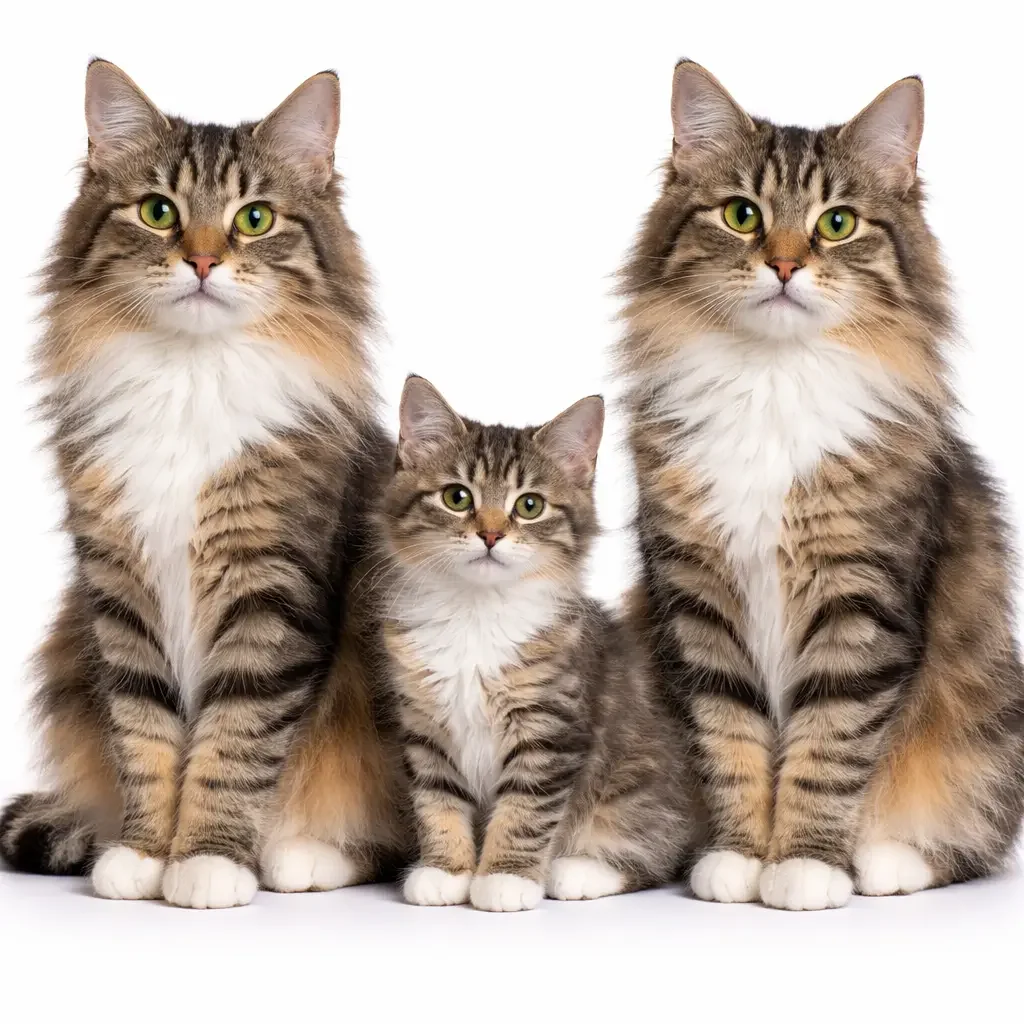
The Domestic Longhair cat is the longhaired counterpart to the Domestic Shorthair, a category rather than a formal breed encompassing all long-coated cats of mixed and undocumented ancestry. Like the Domestic Shorthair, the Domestic Longhair is not registered with any major cat registry and carries no breed standard, but it represents an enormous and genetically diverse population of cats found in homes, farms, shelters, and working environments worldwide.
Domestic Longhairs owe their long coats to a recessive gene that likely entered domestic cat populations through contact with naturally longhaired breeds such as the Turkish Angora, Persian, and Norwegian Forest Cat ancestors as domestic cats spread across the globe. The result is a population of cats that combines the hybrid vigor and practical working ability of random-bred cats with the visual warmth and tactile appeal of a longhaired coat.
For homesteaders and farm families, the Domestic Longhair offers much of the same practical value as the Domestic Shorthair, including outstanding health, adaptability, low acquisition cost, and proven working ability, with the added consideration that the longer coat requires more consistent grooming management to prevent matting and maintain condition in a working outdoor environment.
Origin and History
Origin: Worldwide; the longhair gene entered domestic cat populations through contact with naturally longhaired breeds as cats spread globally
Geographic Area: Every inhabited continent; longhaired domestic cats are found in virtually every climate and environment where cats exist
Development: Not selectively bred; the longhair coat arose as a natural recessive mutation and spread through domestic cat populations organically
Longhair Gene: The longhair trait in domestic cats is controlled by a recessive mutation in the FGF5 gene; a cat must inherit two copies of the recessive allele to express a long coat
Historical Presence: Longhaired cats have been documented in European and Asian cat populations for several centuries; they likely arrived in Western Europe through trade routes from Turkey and Persia
Working Heritage: Like all domestic cats, the Domestic Longhair descends from working cats whose primary role was pest control; longhaired individuals have worked alongside their shorthaired counterparts on farms and homesteads for centuries
No Registry Status: Domestic Longhairs are not registered with CFA, TICA, or any major cat registry; they are categorized as random-bred or mixed-breed cats
Shelter Population: Domestic Longhairs make up a significant portion of shelter and rescue cat populations worldwide, second only to Domestic Shorthairs in overall numbers
Current Status: Extremely common worldwide; widely kept as companion and working cats in virtually every culture and climate
Physical Characteristics
Size: Small to large; enormous variation reflecting diverse genetic backgrounds
Weight: 6 to 16 lbs; average of 8 to 12 lbs in most adult cats
Body Type: Varies from cobby and compact to lean and semi-foreign; most commonly moderate and well-proportioned
Build: Moderate and functional; typically well-balanced without physical extremes
Coat Length: Long; ranges from moderately long and flowing to very dense and full depending on individual genetics
Coat Texture: Varies considerably; some individuals have silky, flowing coats with minimal undercoat; others have dense, woolly double coats similar to the Norwegian Forest Cat or Maine Coon; texture depends on the specific longhair ancestry in the individual's background
Coat Colors: Every color and pattern possible in the domestic cat; tabby, solid, tortoiseshell, bicolor, and all combinations represented
Eye Color: All colors possible including green, gold, copper, blue, and odd-eyed combinations
Head: Varies widely; most commonly a naturally rounded moderate shape without extremes
Ears: Varies; many Domestic Longhairs carry ear tufts or furnishings reflecting longhaired breed ancestry
Legs: Moderate length and build in most individuals; leg furnishings common
Paws: Varies; many individuals have tufted toes reflecting longhaired breed ancestry
Tail: Varies; most commonly medium to long with a full, plumed appearance
Overall Appearance: Enormous variation; the full spectrum of longhaired domestic cat appearance without breed standard constraints
Reproduction and Breeding
Sexual Maturity: Females 4 to 10 months; Males 5 to 10 months
Breeding Age: Responsible management requires spay/neuter before first heat in non-breeding animals
Heat Cycle: Every 2 to 3 weeks during breeding season; highly fertile
Gestation Period: 63 to 65 days (approximately 9 weeks)
Litter Size: Average 4 to 6 kittens (range 1 to 9); robust fertility common
Coat Prediction: Longhair is recessive; kittens in a litter may be shorthaired or longhaired depending on the genetic makeup of both parents
Birthing: Generally straightforward; attentive mothers; complications rare in unmodified natural body types
Kitten Development: Variable by individual; typically active and bold from an early age
Coat Development: Full adult coat length established by 12 to 18 months; longer than Domestic Shorthair coat development
Weaning: 6 to 8 weeks
Breeding Frequency: Unmanaged females can produce 2 to 3 litters per year; responsible pet ownership requires spay/neuter to prevent overpopulation
Maturation: Reaches full size by 12 to 24 months; coat reaches full adult length and texture by 18 months
Lifespan and Health
Average Lifespan: 12 to 18 years; many individuals reach 15 to 20 years with good care
Health Status: Outstanding; hybrid vigor from broad genetic diversity produces exceptional disease resistance and constitution
Breed-Specific Conditions: None; the absence of selective breeding means the Domestic Longhair does not carry the concentrated hereditary diseases found in many recognized longhaired breeds
Hybrid Vigor: Genetic diversity produces robust immune systems, natural jaw structure, functional airways, and healthy organ development
Coat-Related Health: No genetic coat-related health issues; however the longer coat requires active management to prevent matting, skin irritation, and debris accumulation in outdoor working environments
Heart Health: HCM and other cardiac conditions significantly less common than in many purebred longhaired breeds such as the Persian or Maine Coon
Dental Health: Natural jaw structure means dental crowding is rare; regular dental care still recommended
Weight Management: Active outdoor lifestyle keeps weight naturally managed; monitor in less active individuals
Vaccinations: Standard feline vaccines (FVRCP, rabies)
Parasite Control: Regular flea, tick, and intestinal parasite prevention; particularly important for outdoor working cats as the long coat can harbor parasites
Low Veterinary Cost: Absence of breed-specific conditions and strong natural health produces very low expected lifetime veterinary costs
Temperament and Personality
The temperament of the Domestic Longhair is as varied as that of the Domestic Shorthair, reflecting the full range of personality types present in the global domestic cat gene pool. This diversity is a practical advantage for farm families who can select for the specific temperament combination their property requires rather than accepting the standardized personality of a recognized breed.
Domestic Longhairs raised with regular handling from kittenhood tend toward confident, moderately affectionate temperaments that integrate naturally into farm life. Those sourced from working farm environments often carry the self-sufficient, alert, and capable character of cats that have been functionally selected over generations, making them reliable working companions without requiring the specialized management of high-maintenance recognized breeds.
One temperament tendency that appears more consistently in Domestic Longhairs than in their shorthaired counterparts is a slightly calmer, more measured energy level. This is not a universal rule, but the influence of calmer longhaired breed ancestry, particularly Persian, Turkish Angora, and Maine Coon bloodlines, tends to moderate the energy level of longhaired mixed-breed cats compared to the broader shorthaired population. This makes the Domestic Longhair a particularly appealing choice for farm families seeking a working cat that is also a genuinely relaxed and pleasant household companion.
Intelligence, adaptability, and the practical working instincts of the broader domestic cat population are all fully present in the Domestic Longhair, and individuals from proven working lines demonstrate hunting ability, territory management, and environmental awareness equal to any recognized working breed.
Hunting and Working Ability
Prey Drive: Variable but commonly high; generations of outdoor and farm cats have maintained strong hunting instincts across the population
Hunting Skills: Capable across all hunting styles; stalking, ambush, and pursuit all represented in the population
Target Prey: Mice, rats, moles, voles, rabbits, birds, insects, reptiles; full spectrum of farm pest prey
Hunting Style: Varies by individual; farm-raised cats often develop specialized techniques suited to their specific working environment
Working Ability: Outstanding; farm-sourced Domestic Longhairs carry the same proven working heritage as all domestic cats
Selection Advantage: Farm-sourced individuals can be selected specifically from proven working lines
Cold Weather Advantage: Domestic Longhairs with dense double coats, reflecting Norwegian Forest Cat or Maine Coon ancestry, may outperform shorthaired cats in cold and wet outdoor conditions
Coat Consideration: Very dense coats can accumulate debris, burrs, and moisture during outdoor hunting; coat management is an active consideration in working environments
Territory: Will establish and patrol territories appropriate to the space available
Stamina: Variable but commonly good; farm-raised cats typically develop robust working stamina
Adaptability: Hunts effectively in varied environments from barns to open fields
Care and Maintenance
Grooming: Moderate to high; the primary management difference between the Domestic Longhair and Domestic Shorthair is the coat
Coat Care: Brush 2 to 3 times weekly minimum; daily brushing during seasonal sheds; pay particular attention to armpits, belly, and behind the ears where mats form most readily
Matting Risk: Varies significantly by coat type; silky low-undercoat coats mat less readily than dense woolly double coats; assess the individual cat's coat texture and adjust grooming frequency accordingly
Seasonal Shedding: Heavy spring and sometimes fall shed; significantly more pronounced than in Domestic Shorthairs
Outdoor Coat Management: Working outdoor cats accumulate burrs, plant seeds, and debris in the coat; regular checking and removal is important to prevent matting and skin irritation
Bathing: Occasional bathing every 6 to 8 weeks helpful for outdoor working cats to remove accumulated debris and reduce matting
Nail Trimming: Every 2 to 3 weeks for indoor cats; outdoor cats wear nails naturally
Dental Care: Weekly tooth brushing recommended
Feeding: High-quality, high-protein diet; 1/3 to 1/2 cup daily split into 2 meals; outdoor working cats may need more
Caloric Needs: Moderate to high depending on activity level
Water: Fresh water always available
Litter Box: Standard size for indoor use
Exercise: Outdoor farm access provides natural exercise and enrichment without additional effort
Climate Adaptability
Climate Tolerance: Very good to outstanding; the Domestic Longhair population has adapted to a wide range of climates
Cold Tolerance: Good to very good; individuals with dense double coats reflecting northern breed ancestry perform particularly well in cold and wet conditions
Heat Tolerance: Moderate to good; dense-coated individuals may struggle in very hot conditions; silky-coated individuals with less undercoat manage heat better
Temperature Range: Broad climate tolerance across the population; dense-coated individuals are among the most cold-hardy of all non-pedigree cats
Best Climate: Adaptable to most temperate climates; particularly suited to cool and cold conditions when the coat is dense
Indoor/Outdoor: Benefits from outdoor access on farms; coat management requires more attention in outdoor working environments than for Domestic Shorthairs
Shelter Needs: Appreciates warm, dry indoor shelter; dense-coated individuals are meaningfully more cold-hardy than shorthaired cats
Adaptability: Very broad; the range of coat types within the Domestic Longhair population means climate-appropriate individuals exist for virtually every temperate environment
Advantages for Farmhouse Living
Outstanding hybrid vigor; one of the healthiest and most resilient cat categories available
No breed-specific hereditary diseases; very low expected lifetime veterinary costs
Exceptional longevity (12 to 18 years, often longer) for extended farm service
Available through shelters and rescue organizations at very low or no cost
Enormous temperament variety allows selection for specific farm and household needs
Working lines can be sourced directly from proven farm environments
Dense-coated individuals provide meaningful cold weather performance advantage over shorthaired cats
Adaptable to virtually all temperate climates
Generally calmer energy baseline than many Domestic Shorthairs; often a more relaxed farm companion
Gets along well with other farm animals when properly socialized
No legal restrictions, insurance complications, or registry requirements
Widely available in every region; no specialist sourcing or waitlists required
Visually warm and appealing; the longhaired coat adds a striking presence to the farmhouse
Disadvantages for Farmhouse Living
Coat requires significantly more grooming management than the Domestic Shorthair; non-negotiable in outdoor working environments
Accumulates burrs, plant debris, and moisture in the coat during outdoor work; requires regular checking
Dense woolly coats can mat severely if grooming is neglected; mats are painful and may require veterinary removal
Seasonal shedding is heavier and more prolonged than in shorthaired cats
Temperament and hunting ability less predictable than in purpose-bred breeds without careful selection
Early sexual maturity requires prompt spay/neuter management
Strong prey drive is a risk to poultry and small farm animals if not managed
Feral or undersocialized individuals require significant rehabilitation before farm integration
Very dense coats may be less practical in very hot, humid climates where heat management is a concern
Best Suited For
Farms and homesteads in cool to temperate climates where a dense coat is a genuine advantage
Properties requiring reliable and cost-effective pest control
Homesteaders seeking a practical, healthy, and proven working cat with the visual warmth of a longhaired coat
Farm families willing to commit to regular grooming management as part of the working cat care routine
Properties with outdoor space for patrol, hunting, and natural activity
Households seeking to provide a working home for shelter cats
Owners who want the hybrid vigor and adaptability of a mixed-breed cat with the aesthetic appeal of a longhaired coat
Economic Considerations
Initial Cost: Free to $150 through shelters, rescue organizations, and farm rehoming
Availability: The second most common cat in shelters worldwide after the Domestic Shorthair; accessible in every region
Annual Vet Care: $150 to $300 (vaccines, checkups, preventatives); among the lowest expected veterinary costs of any cat category
Food Costs: $250 to $450 annually depending on size and activity level
Grooming Supplies: $40 to $80 annually; steel comb, slicker brush, and detangling spray recommended for outdoor working cats
Spay/Neuter: $50 to $150; many shelters provide low-cost or subsidized services
Pest Control Value: Outstanding; the same proven working heritage as all domestic cats combined with cold weather coat advantage
Long-term Value: 12 to 18 year lifespan combined with very low acquisition and veterinary costs makes the Domestic Longhair exceptional value for cost-conscious farm operations
Fun Facts
The longhair gene in domestic cats is a recessive mutation in the FGF5 gene; a cat must inherit one copy from each parent to express a long coat, which is why longhaired kittens can appear in litters from two apparently shorthaired parents
Domestic Longhairs are sometimes informally called fluffy moggies in the United Kingdom, combining the affectionate British term for mixed-breed cats with an obvious reference to their coat
The longhair trait likely entered Western domestic cat populations through cats brought from Turkey and Persia along trade routes several centuries ago; the Turkish Angora and Persian are among the oldest longhaired breeds and are probable ancestral contributors to the Domestic Longhair gene pool
Many Domestic Longhairs are visually indistinguishable from recognized longhaired breeds such as the Norwegian Forest Cat, Maine Coon, or Siberian without genetic testing; their appearance reflects the natural diversity of longhaired cat genetics
Domestic Longhairs that carry dense double coats with water-resistant guard hairs have been observed showing the same natural affinity for water and cold weather performance associated with purpose-bred northern working breeds
The coat of a Domestic Longhair can vary significantly by season; winter coats are noticeably thicker, fuller, and more insulating than summer coats in individuals with true double coats
Tortoiseshell and calico Domestic Longhairs are almost exclusively female due to the sex-linked nature of the orange coat gene; male tortoiseshells and calicos occur only rarely and are almost always sterile
DNA studies of random-bred cat populations have shown that Domestic Longhairs in different geographic regions carry distinct genetic signatures reflecting the specific longhaired breed ancestors present in their regional population
The oldest confirmed domestic cat in recorded history, Creme Puff of Austin, Texas, who lived to 30 years, was a mixed-breed cat; the exceptional longevity potential of random-bred cats is well supported by documented cases
Domestic Longhairs living in cold northern climates often develop coats that grow noticeably thicker and longer over successive winters, demonstrating the ongoing adaptive response of the population to local environmental conditions
Many Domestic Longhairs carry tufted ears and toes that closely resemble those of the Norwegian Forest Cat or Maine Coon, reflecting the influence of northern longhaired breed genetics in their ancestry
The recessive nature of the longhair gene means that two shorthaired parents who both carry a single copy of the recessive allele have a 25 percent chance of producing longhaired offspring in each litter; this is why longhaired kittens continue to appear in primarily shorthaired farm cat populations
Domestic Longhairs in shelter environments are often overlooked in favor of shorthaired cats by adopters concerned about grooming; this makes them among the most available and easiest to source of all longhaired cats
Farm-raised Domestic Longhairs from cold-climate working lines often demonstrate coat quality and cold weather performance comparable to purpose-bred northern working breeds such as the Siberian and Norwegian Forest Cat
The visual appeal of the Domestic Longhair coat has made longhaired mixed-breed cats among the most photographed and shared cats on social media, despite their non-pedigree status