
Domestic Shorthair
Overview
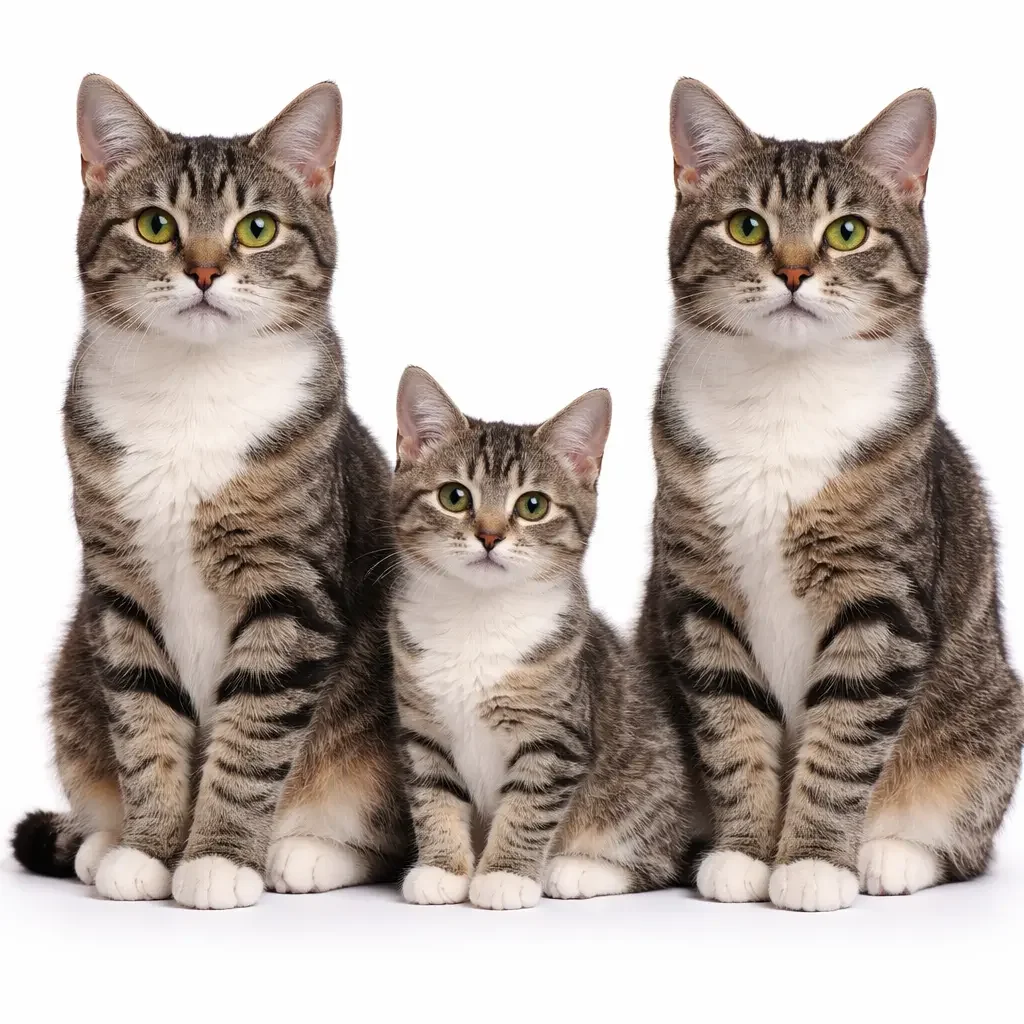
The Domestic Shorthair cat is the most common cat in the world, accounting for an estimated 90 to 95 percent of all cats in the United States and the vast majority of cat populations globally. Not a breed in the formal registry sense but rather a category encompassing all short-coated cats of mixed and undocumented ancestry, the Domestic Shorthair is the working cat against which all others are measured, the standard by which farm utility, temperament adaptability, and genetic health are ultimately judged.
Domestic Shorthairs come in every size, color, coat pattern, and temperament combination imaginable, reflecting the full diversity of the domestic cat gene pool accumulated over thousands of years of natural selection and human cohabitation. What they share across this extraordinary diversity is a hardiness, adaptability, and practical working ability that purpose-bred cats frequently struggle to match. Hybrid vigor, the health and resilience that results from genetic diversity, is the Domestic Shorthair's greatest advantage, and it is a significant one.
For homesteaders and farm families, the Domestic Shorthair is often the most practical, cost-effective, and capable choice available. They are readily accessible through shelters and rescue organizations, typically free or low-cost to acquire, and have been performing essential pest control and companionship roles on farms and homesteads for longer than any recognized breed has existed.
Origin and History
Origin: Worldwide; descended from the African wildcat (Felis lybica) domesticated in the Near East approximately 10,000 years ago
Geographic Area: Every inhabited continent and most islands worldwide
Development: Not selectively bred; shaped by thousands of years of natural selection and human cohabitation across every climate and working environment on Earth
Domestication Origin: Archaeological evidence places cat domestication in the Fertile Crescent approximately 10,000 years ago, coinciding with the rise of grain agriculture and the need for rodent control
Global Spread: Cats spread from the Near East throughout the world via maritime trade, military campaigns, and human migration; the Domestic Shorthair represents the accumulated result of this global dispersal
Working Heritage: The original and primary role of the domestic cat across all human cultures has been pest control; the Domestic Shorthair's working heritage predates every recognized breed by thousands of years
No Registry Status: Domestic Shorthairs are not registered with CFA, TICA, or any major cat registry; they are categorized as random-bred or mixed-breed cats
Shelter Population: Domestic Shorthairs make up the overwhelming majority of cats in shelters and rescue organizations worldwide
Current Status: The most numerous cat in the world by an extraordinary margin; the global standard for what a domestic cat is
Physical Characteristics
Size: Small to large; enormous variation reflecting diverse genetic backgrounds
Weight: 6 to 16 lbs; average of 8 to 12 lbs in most adult cats
Body Type: Varies from cobby and compact to lean and semi-foreign; most commonly moderate and well-proportioned
Build: Moderate and functional; typically well-balanced without physical extremes
Coat Length: Short; ranges from very close-lying to slightly plush depending on individual genetics
Coat Texture: Varies from fine and silky to dense and resilient; most commonly a practical, weather-resistant density
Coat Colors: Every color and pattern possible in the domestic cat; tabby is the most common pattern, reflecting the ancestral African wildcat markings
Eye Color: All colors possible including green, gold, copper, blue, and odd-eyed combinations
Head: Varies widely; most commonly a naturally rounded moderate shape without extremes
Ears: Varies; most commonly medium-sized, upright, and proportionate
Legs: Moderate length and build in most individuals
Paws: Varies; most commonly round and firm
Tail: Varies; most commonly medium to long and proportionate
Overall Appearance: Enormous variation; the full spectrum of domestic cat appearance without the constraints of breed standards
Reproduction and Breeding
Sexual Maturity: Females 4 to 10 months; Males 5 to 10 months; earlier maturation than most recognized breeds
Breeding Age: Females can conceive in their first heat; responsible management requires spay/neuter before first heat in non-breeding animals
Heat Cycle: Every 2 to 3 weeks during breeding season (typically spring through fall); highly fertile
Gestation Period: 63 to 65 days (approximately 9 weeks)
Litter Size: Average 4 to 6 kittens (range 1 to 9); robust fertility common
Birthing: Generally straightforward; attentive mothers; complications rare in unmodified natural body types
Kitten Development: Variable by individual; typically active and bold from an early age
Coat Development: Full adult coat established by 6 to 12 months
Weaning: 6 to 8 weeks; earlier than many recognized breeds
Breeding Frequency: Unmanaged females can produce 2 to 3 litters per year; responsible pet ownership requires spay/neuter to prevent overpopulation
Fertility Period: Productively fertile from first heat; fertility decreases after approximately 8 years
Maturation: Reaches full size by 12 to 18 months; faster maturation than most recognized breeds
Lifespan and Health
Average Lifespan: 12 to 18 years; many individuals reach 15 to 20 years with good care
Health Status: Outstanding; hybrid vigor from broad genetic diversity produces exceptional disease resistance and constitution
Breed-Specific Conditions: None; the absence of selective breeding means the Domestic Shorthair does not carry the concentrated hereditary diseases found in many recognized breeds
Hybrid Vigor: Genetic diversity produces robust immune systems, natural jaw structure, functional airways, and healthy organ development; the Domestic Shorthair benefits from all the physical advantages that selective breeding for appearance often compromises
Heart Health: HCM and other cardiac conditions significantly less common than in many purebreds; no concentrated genetic predisposition
Dental Health: Natural jaw structure means dental crowding and malocclusion are rare; regular dental care still recommended
Weight Management: Tendency toward obesity in indoor-only cats; active outdoor lifestyle keeps weight naturally managed
Vaccinations: Standard feline vaccines (FVRCP, rabies)
Parasite Control: Regular flea, tick, and intestinal parasite prevention for outdoor cats
Low Veterinary Cost: Absence of breed-specific conditions and strong natural health produces the lowest expected lifetime veterinary costs of any cat category
Temperament and Personality
The temperament of the Domestic Shorthair is as varied as its appearance, and this variety is one of its greatest practical advantages. Within the Domestic Shorthair population, every temperament type exists, from the boldly outgoing and dog-like to the quietly reserved and independent, from the intensely affectionate to the self-sufficient working cat that tolerates handling but prefers autonomy. This range means that the prospective farm owner can select for the specific temperament combination their property and household requires rather than accepting the standardized personality of a recognized breed.
In practice, farm-sourced or shelter Domestic Shorthairs raised with regular handling tend toward confident, moderately affectionate temperaments that are well suited to working farm life. They are adaptable to varied environments and routines, do not require the careful management of sensitive or high-maintenance breeds, and bring a pragmatic, grounded quality to their work and companionship that reflects their origins as practical animals in practical environments.
Their intelligence across the population ranges from average to genuinely exceptional, and many Domestic Shorthairs demonstrate problem-solving ability, routine memory, and environmental awareness equal to or exceeding those of recognized intelligent breeds. The difference is that this intelligence has not been selectively amplified in ways that also produce anxiety, demand, or behavioral extremes.
For farm families, the Domestic Shorthair's adaptability, temperament diversity, and pragmatic character are assets. They can be selected for the specific working and social role required, sourced from farm environments that have already proven their working ability, and integrated into busy farm life without the specialized management that many recognized breeds require.
Hunting and Working Ability
Prey Drive: Variable but commonly high; generations of outdoor and farm cats have maintained strong hunting instincts across the population
Hunting Skills: Highly capable across all hunting styles; stalking, ambush, and pursuit all represented in the population
Target Prey: Mice, rats, moles, voles, rabbits, birds, insects, reptiles; full spectrum of farm pest prey
Hunting Style: Varies by individual; farm-raised cats often develop specialized techniques suited to their specific working environment
Working Ability: Outstanding; the Domestic Shorthair is the original and most proven working cat in human history; no breed has a longer or more widely demonstrated working record
Selection Advantage: Farm-sourced Domestic Shorthairs can be selected specifically from proven working lines, providing a direct genetic link to demonstrated hunting ability
Size Range: The variation in size across the population means working cats can be selected for the specific prey profile of a given property
All-Weather Performance: Most Domestic Shorthairs have practical, weather-resistant coats developed through natural selection
Territory: Will establish and patrol territories appropriate to the space available; adapts naturally to property size
Stamina: Variable but commonly good; farm-raised cats typically develop robust working stamina
Adaptability: Hunts effectively in every environment from tight barn interiors to open fields and varied terrain
Care and Maintenance
Grooming: Minimal; weekly brushing sufficient for most individuals
Coat Care: Short coat stays clean and manageable with minimal intervention; a rubber grooming mitt removes loose hairs effectively
Shedding: Moderate year-round; heavier seasonal shed in spring; varies by individual
Bathing: Rarely needed
Nail Trimming: Every 2 to 3 weeks for indoor cats; outdoor cats wear nails naturally
Dental Care: Weekly tooth brushing recommended; natural jaw structure means dental disease is less common than in brachycephalic breeds
Feeding: High-quality, high-protein diet; 1/3 to 1/2 cup daily split into 2 meals for indoor cats; outdoor working cats may need more
Caloric Needs: Moderate to high depending on activity level; active outdoor farm cats burn significantly more calories than indoor cats
Water: Fresh water always available
Litter Box: Standard size for indoor use; outdoor cats typically supplement with natural sites
Exercise: Variable; outdoor cats self-manage through natural patrol and hunting activity
Enrichment: Outdoor farm access provides natural enrichment without additional effort for working cats
Climate Adaptability
Climate Tolerance: Outstanding; the Domestic Shorthair population has adapted to every climate on Earth over thousands of years
Cold Tolerance: Varies by individual coat density; most Domestic Shorthairs have adequate cold tolerance for temperate conditions
Heat Tolerance: Generally good; short coat and varied body types handle warm conditions well
Temperature Range: The broadest climate tolerance of any cat category; individuals suited to virtually every climate exist within the population
Best Climate: Adaptable to all temperate climates; specific individuals can be selected for cold or warm climate suitability
Indoor/Outdoor: Thrives with outdoor access on farms and rural properties; also adapts well to indoor life
Shelter Needs: Appreciates warm, dry indoor shelter; hardiness varies by individual
Adaptability: Unmatched; the result of thousands of years of natural selection across every climate and working environment
Advantages for Farmhouse Living
The original and most historically proven working cat in human history; ten thousand years of farm and pest control service
Outstanding hybrid vigor; one of the healthiest and most resilient cat categories available
No breed-specific hereditary diseases; lowest expected lifetime veterinary costs
Exceptional longevity (12 to 18 years, often longer) for extended farm service
Available through shelters and rescue organizations at very low or no cost
Enormous temperament variety allows selection for specific farm and household needs
Working lines can be sourced directly from proven farm environments
Adaptable to virtually every climate on Earth
Minimal grooming requirement; practical, weather-resistant short coat
Fast maturation; productive working ability established earlier than most recognized breeds
Gets along well with other farm animals when properly socialized
No legal restrictions, insurance complications, or registry requirements
Straightforward and pragmatic character well matched to the realities of farm life
Widely available in every region; no specialist sourcing or waitlists required
Disadvantages for Farmhouse Living
Temperament and hunting ability are less predictable than in purpose-bred working breeds without careful selection
No breed standard means physical traits and working characteristics vary enormously
Early sexual maturity requires prompt spay/neuter management to prevent uncontrolled breeding
Strong prey drive is a risk to poultry and small farm animals if not managed
Cats sourced from shelters may have unknown health and behavioral histories
Feral or undersocialized individuals require significant rehabilitation before farm integration
Some individuals may prove unsuitable for outdoor working life despite initial assessment
Less predictable temperament means multiple individuals may need to be evaluated before finding the right farm cat
Best Suited For
Farms and homesteads of every type, size, and climate
Properties requiring reliable and cost-effective pest control
Homesteaders seeking a practical, healthy, and proven working cat without the cost or complications of recognized breeds
Farm families willing to source cats from proven working backgrounds or spend time selecting for temperament
Properties with outdoor space for patrol, hunting, and natural activity
Households seeking to provide a working home for shelter cats
Any working farm environment where adaptability, hardiness, and proven utility are the primary requirements
Economic Considerations
Initial Cost: Free to $150 through shelters, rescue organizations, and farm rehoming; among the lowest acquisition costs of any cat
Availability: The most widely available cat in the world; accessible in every region through shelters, rescues, and private rehoming
Annual Vet Care: $150 to $300 (vaccines, checkups, preventatives); among the lowest expected veterinary costs of any cat category
Food Costs: $250 to $450 annually depending on size and activity level
Grooming Supplies: $10 to $25 annually; minimal grooming requirement
Spay/Neuter: $50 to $150; many shelters provide low-cost or subsidized spay/neuter services
Pest Control Value: Outstanding; the original and most proven working cat available
Long-term Value: 12 to 18 year lifespan combined with very low acquisition and veterinary costs makes the Domestic Shorthair the highest value working cat available on a cost-per-year basis
Fun Facts
Domestic Shorthairs account for an estimated 90 to 95 percent of all cats in the United States, making them by far the most common cat in the country
The tabby coat pattern seen in the majority of Domestic Shorthairs reflects the ancestral African wildcat markings; it is the default cat pattern that has persisted for ten thousand years of domestication
Cats were first domesticated approximately 10,000 years ago in the Near East, coinciding precisely with the development of grain agriculture; pest control was the original and defining purpose of the domestic cat
The domestic cat is the only species in the genus Felis to have been domesticated, and the Domestic Shorthair represents the most direct and unmodified expression of that domestication
Domestic Shorthairs are sometimes informally called moggies in the United Kingdom and alley cats in the United States; both terms reflect their status as common, unregistered working cats
The orange tabby coat pattern seen in many Domestic Shorthairs is sex-linked; approximately 80 percent of orange tabby cats are male
Studies of feral cat colonies, most of which are composed of Domestic Shorthairs, have documented hunting rates of 10 to 20 prey items per week per cat, reflecting the extraordinary working capacity of the population
The M-shaped marking on the forehead of tabby Domestic Shorthairs appears in every tabby cat worldwide regardless of ancestry; it is the ancestral marking of the African wildcat and has persisted unchanged through ten thousand years of domestication
Many of history's most famous cats, including the cats kept by Ernest Hemingway, the original Algonquin Hotel cat, and countless working cats of historical record, were Domestic Shorthairs rather than recognized breeds
The polydactyl (extra-toed) trait seen in some Domestic Shorthairs was historically considered a sign of good luck by sailors, and polydactyl Domestic Shorthairs were deliberately kept on sailing ships for this reason
Domestic Shorthairs have been found in human archaeological sites on every inhabited continent, confirming their global spread alongside human civilization
The genetic diversity of Domestic Shorthairs has made them valuable subjects for feline genetic research; studies of their gene pool have contributed significantly to understanding of feline hereditary disease
Unlike almost every recognized breed, the Domestic Shorthair has no founder effect; its gene pool reflects the full diversity of ten thousand years of global domestic cat history
Cats that appear to be solid black, a common Domestic Shorthair color, often carry a hidden tabby pattern visible only in bright sunlight; the tabby gene is so fundamental to cat genetics that it underlies virtually all coat patterns
The world's oldest confirmed domestic cat, a 30-year-old cat named Creme Puff from Austin, Texas, was a Domestic Shorthair, reflecting the exceptional longevity potential of the category