
European Shorthair
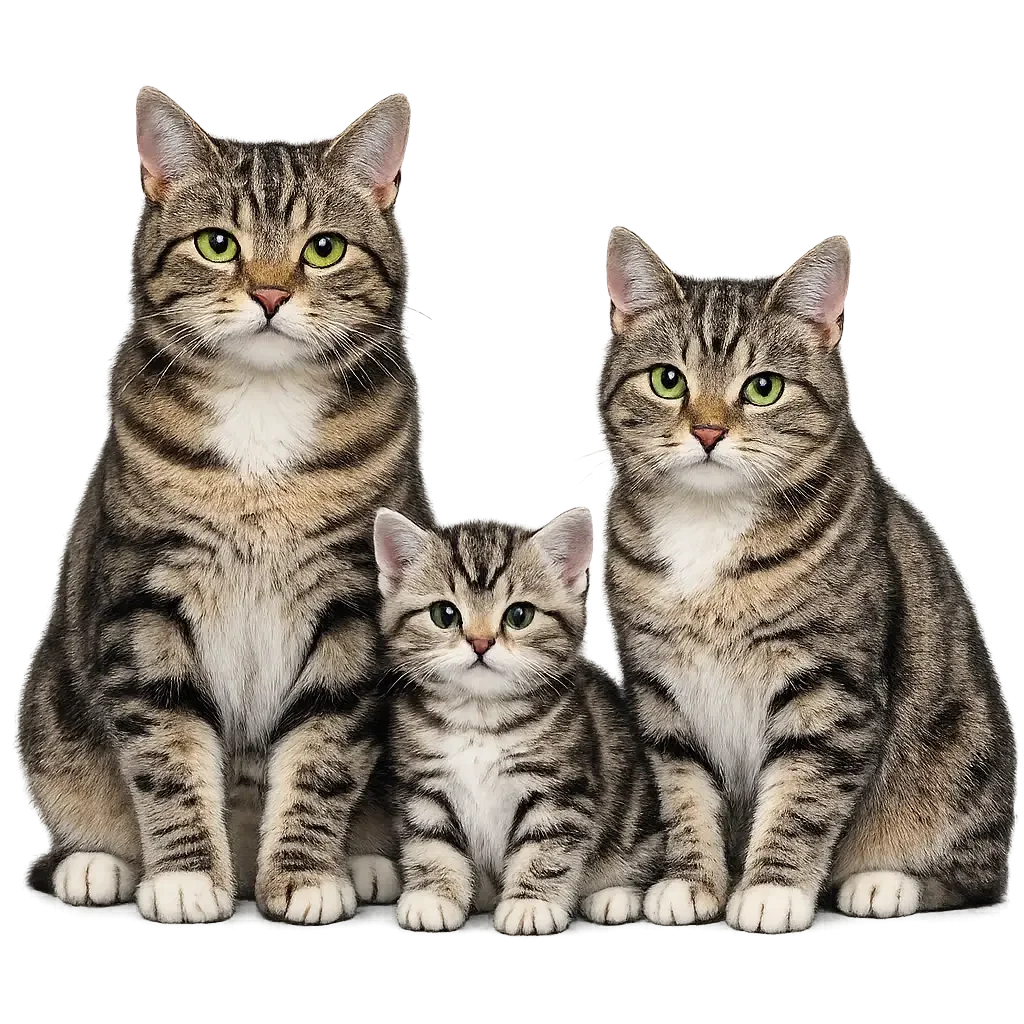
Overview
The European Shorthair cat is one of the oldest and most widespread natural cat breeds in the world, descending directly from the domestic cats brought to northern and western Europe by the Romans over two thousand years ago. Sturdy, athletic, and highly adaptable, the European Shorthair is the quintessential working cat of the European continent, found in farms, fishing villages, monasteries, and households from Scandinavia to the Mediterranean for millennia.
Despite its long history and enormous geographic range, the European Shorthair remains one of the least commercially marketed of all recognized breeds, a cat that has always been defined by practical working ability rather than aesthetic extremes or selective breeding for show characteristics. It is a naturally balanced, genetically diverse, and remarkably healthy breed that has been shaped by centuries of functional selection in varied climates and working environments.
European Shorthairs are intelligent, independent, and self-sufficient, yet consistently capable of forming warm and loyal bonds with their families. Their moderate temperament, exceptional hunting ability, robust health, and outstanding adaptability to outdoor and farm environments make them one of the finest working cats available for homesteads, farms, and rural properties anywhere in the world.
Origin and History
Origin: Continental Europe; descended from cats brought to Europe by the Romans
Geographic Area: Throughout Europe; the dominant working cat of the European continent for over two thousand years
Development: Ancient natural breed; shaped by millennia of natural selection across varied European climates and working environments
Roman Introduction: Domestic cats were introduced to Northern and Western Europe by Roman legions and traders beginning around 2,000 years ago; these cats spread across the continent and diversified naturally
Working Heritage: Kept in farms, granaries, monasteries, fishing vessels, and households across Europe as essential pest control animals for centuries
Recognition: FIFe recognized the European Shorthair as a distinct breed separate from the British Shorthair in 1982; TICA and other registries followed
Distinction from British Shorthair: The European Shorthair is distinct from the British Shorthair, which was developed through selective breeding; the European Shorthair maintains a more natural, unmodified body type and broader genetic diversity
Distinction from Domestic Shorthair: The European Shorthair is a recognized breed with documented pedigrees and breed standards; domestic shorthairs are random-bred cats without formal registration
Scandinavian Popularity: The breed is particularly popular and well-documented in Sweden, Finland, and Denmark where dedicated breed clubs maintain pedigree records
Current Status: Most popular in Scandinavia and continental Europe; underrepresented in North American cat shows but widely kept as a practical working and companion cat
Physical Characteristics
Size: Medium to large
Weight: Males 10 to 15 lbs; Females 7 to 11 lbs
Body Type: Moderately muscular, well-proportioned, and naturally balanced; neither cobby nor foreign in type
Build: Strong, athletic, and functional; built for outdoor life and sustained working activity
Coat Length: Short
Coat Texture: Dense, firm, and resilient; slightly crisp to the touch; provides meaningful weather resistance
Coat Colors: All colors and patterns accepted except colorpoint and chocolate and lilac in some registries; tabby, solid, tortoiseshell, and bicolor all common
Eye Color: All colors accepted; typically round to slightly oval and proportionate to the head
Head: Rounded but not extreme; broad skull, well-developed cheeks, and a medium-length nose; distinctly less modified than the British Shorthair
Ears: Medium, broad at the base, with rounded tips; well-spaced
Legs: Medium length, sturdy, and well-muscled
Paws: Round, firm, and compact
Tail: Medium to long, broad at the base, tapering to a rounded tip
Overall Appearance: Naturally balanced, healthy, and functional; the appearance of a cat shaped by practical selection rather than aesthetic preference
Reproduction and Breeding
Sexual Maturity: Females 7 to 10 months; Males 8 to 12 months
Breeding Age: Best to wait until 12 to 18 months
Heat Cycle: Every 2 to 3 weeks during breeding season
Gestation Period: 63 to 65 days (approximately 9 weeks)
Litter Size: Average 4 to 6 kittens (range 3 to 8); larger litters common reflecting robust natural fertility
Birthing: Generally straightforward; capable and attentive mothers
Kitten Development: Active, hardy, and bold from an early age; rapid development reflecting working cat heritage
Coat Development: Full adult coat develops by 12 months
Weaning: 8 to 10 weeks
Breeding Frequency: Limit to 1 to 2 litters per year for health of queen
Fertility Period: Productive breeding years 2 to 8 years old
Maturation: Reaches full size by 2 to 3 years
Genetic Diversity: One of the most genetically diverse of all recognized cat breeds; this diversity is considered a core strength and is actively maintained by responsible breeders
Lifespan and Health
Average Lifespan: 15 to 20 years; among the longest-lived of all domestic cat breeds
Health Status: Exceptionally healthy; centuries of natural selection and broad genetic diversity have produced one of the most robust constitutions in the domestic cat world
Breed-Specific Conditions: No confirmed breed-specific hereditary diseases; the European Shorthair is considered one of the healthiest recognized breeds available
Heart Health: Hypertrophic cardiomyopathy (HCM) possible as in any breed but significantly less common than in more selectively bred breeds; cardiac screening recommended in breeding animals
Dental Health: Regular dental care recommended; generally good dental health reflecting natural jaw structure
Weight Management: Active lifestyle keeps weight in check naturally; monitor in less active individuals
Vaccinations: Standard feline vaccines (FVRCP, rabies)
Parasite Control: Regular flea and tick prevention for outdoor cats
Hardy Constitution: Two thousand years of natural selection across Europe's most varied climates have produced a breed of outstanding resilience, disease resistance, and adaptability
Low Veterinary Cost: Absence of breed-specific conditions and strong natural health means significantly lower expected lifetime veterinary expenses than most selectively bred breeds
Temperament and Personality
The European Shorthair carries the temperament of a cat that has worked alongside humans for two thousand years without losing its self-sufficiency. They are independent, intelligent, and capable of entertaining themselves, yet they are also consistently warm and loyal to the families they live with. They do not demand constant attention, but they offer it freely and reliably when their human family wants it.
Intelligence is high and practical in character. European Shorthairs learn quickly, adapt to new situations with confidence, and problem-solve with the matter-of-fact efficiency of a working animal. They are observant and alert without being anxious, curious without being reckless, and confident in most environments without the skittishness seen in more delicately bred cats.
Temperament varies more within the European Shorthair than within heavily standardized breeds, reflecting the breed's genetic diversity. Individual cats range from highly sociable and people-oriented to more reserved and independent, and prospective owners benefit from spending time with individual cats before selecting. In general, however, European Shorthairs are reliably even-tempered, moderately affectionate, and straightforward to live with.
Their relationship with outdoor environments is natural and confident. European Shorthairs are not indoor cats by nature; they thrive when given access to outdoor space, particularly in rural and farm environments where their hunting instincts and exploratory drive can be fully expressed. They are not stressed by farm activity, large animals, or unpredictable rural conditions, reflecting their centuries of practical working life.
Hunting and Working Ability
Prey Drive: Very high; two thousand years of continuous working selection has produced one of the most reliable and consistent hunting instincts of any domestic breed
Hunting Skills: Exceptional all-round hunter; effective stalker, ambush predator, and pursuit hunter depending on conditions
Target Prey: Mice, rats, moles, voles, rabbits, birds, insects, small reptiles
Hunting Style: Adaptable and practical; adjusts technique to terrain, prey, and conditions with natural fluency
Working Ability: Outstanding; the definitive working cat of European agriculture for over two thousand years; no breed has a longer or more continuously proven working heritage
Size Advantage: Medium to large build handles a wide range of prey sizes effectively
All-Weather Performance: Dense, resilient coat provides meaningful weather resistance for outdoor hunting in rain, cold, and varied conditions
Territory: Will patrol and defend extensive areas with consistent, methodical thoroughness
Stamina: Very high; built for sustained outdoor activity across varied terrain
Adaptability: Hunts equally effectively in open fields, dense vegetation, barns, granaries, and storage spaces
Intelligence: Adapts hunting strategy intelligently based on environment and prey behavior
Care and Maintenance
Grooming: Minimal; weekly brushing sufficient to manage shedding and maintain coat condition
Coat Care: Dense, short coat requires little intervention; a rubber grooming mitt or bristle brush works well
Shedding: Moderate year-round; heavier seasonal shed in spring
Bathing: Rarely needed; active outdoor lifestyle and dense coat stay clean naturally
Nail Trimming: Every 2 to 3 weeks; outdoor cats naturally wear nails on varied surfaces
Dental Care: Weekly tooth brushing recommended
Feeding: High-quality, high-protein diet; 1/3 to 1/2 cup daily split into 2 to 3 meals; active outdoor cats may need more
Caloric Needs: Moderate to high depending on activity level; outdoor working cats burn significantly more calories than indoor cats
Water: Fresh water always available
Litter Box: Standard size for indoor use; outdoor cats typically supplement with natural elimination sites
Exercise: High; thrives with outdoor access and space to patrol, hunt, and explore
Enrichment: Outdoor access, varied terrain, and interaction with a working farm environment provide natural enrichment without additional effort
Climate Adaptability
Climate Tolerance: Exceptional; two thousand years of natural selection across the full range of European climates has produced outstanding versatility
Cold Tolerance: Very good; dense coat and robust constitution handle cold and damp northern European conditions effectively
Heat Tolerance: Very good; adaptable to Mediterranean warmth as well as Scandinavian cold
Temperature Range: One of the broadest climate tolerances of any domestic cat breed
Best Climate: Adaptable to virtually all temperate climates; equally at home in cool northern farms and warm southern properties
Indoor/Outdoor: Strongly benefits from outdoor access; thrives on working farms and rural properties
Shelter Needs: Appreciates warm, dry indoor shelter but is significantly more cold-hardy than most shorthaired breeds
Adaptability: The most climatically versatile of any recognized cat breed; shaped by the full diversity of European weather conditions
Advantages for Farmhouse Living
The longest continuously proven working cat heritage of any domestic breed; over two thousand years of European farm and granary service
Exceptional hunting ability adaptable to varied terrain, prey, and weather conditions
Outstanding cold and wet weather performance for northern and temperate climate farms
Very high prey drive consistently refined through centuries of practical selection
One of the healthiest recognized breeds with no confirmed breed-specific hereditary diseases
Exceptional longevity (15 to 20 years) for outstanding long-term farm service
Broad genetic diversity contributes to strong natural immunity and resilience
Independent and self-sufficient; functions effectively without constant management
Warm and loyal to family while maintaining working autonomy outdoors
Minimal grooming requirement; dense short coat is low-maintenance
Adaptable to virtually all temperate climates
Widely available in Europe; moderately available in North America
Lower purchase cost than most recognized breeds
Low expected lifetime veterinary costs reflecting robust natural health
Disadvantages for Farmhouse Living
Strong prey drive is a risk to poultry and small farm animals if not managed
Independent nature means they may roam extensively and are not easily contained
Temperament variation within the breed means individual personality assessment is important before selecting
Less readily available in North America than in Europe; may require specialist sourcing
Strong hunting instinct means beneficial wildlife including birds may be at risk
Independent character may make them less responsive to training than more people-oriented breeds
May establish large roaming territories that extend beyond the immediate property
Best Suited For
Farms, homesteads, and rural properties of virtually any type or climate
Cold to warm temperate climate properties throughout the Northern Hemisphere
Properties with significant rodent, rat, and barn pest pressure
Homesteaders seeking the most historically proven and naturally capable working cat available
Owners who value independence, hardiness, and functional ability over breed refinement
Multi-pet households where the European Shorthair's even temperament can integrate naturally
Properties with outdoor space and varied terrain for patrol and hunting
Experienced cat owners who appreciate a self-sufficient, practical working animal
Operations seeking outstanding pest control performance combined with warm family companionship
Economic Considerations
Initial Cost: $300 to $800 from reputable breeders; significantly lower than most recognized breeds
Availability: Widely available in Scandinavia and continental Europe; moderately available in North America through specialist breeders
Annual Vet Care: $150 to $350 (vaccines, checkups, preventatives); among the lowest expected veterinary costs of any recognized breed
Food Costs: $300 to $500 annually (active outdoor cat with moderate to high caloric needs)
Grooming Supplies: $15 to $30 annually; minimal grooming requirement
Spay/Neuter: $75 to $200
Pest Control Value: Outstanding; the most historically proven and continuously active working cat available
Long-term Value: 15 to 20 year lifespan combined with low veterinary costs and outstanding working ability make the European Shorthair one of the best long-term value working cats available
Fun Facts
The European Shorthair is the direct descendant of cats brought to Europe by Roman legions and traders beginning approximately 2,000 years ago, making it one of the oldest established working cat populations in the world
Despite its enormous historic range and working importance, the European Shorthair was not formally recognized as a distinct breed separate from the British Shorthair until 1982 when FIFe gave it independent status
The breed is most formally documented and show-active in Scandinavia, particularly Sweden and Finland, where dedicated breed clubs maintain pedigree records and breed standards
European Shorthairs are one of the most genetically diverse of all recognized cat breeds; this diversity is deliberately maintained as a core breed characteristic and health advantage
The Roman historian Pliny the Elder referenced domestic cats used for pest control in Roman households and estates, likely describing early ancestors of the modern European Shorthair
Medieval European monasteries kept European Shorthair-type cats specifically to protect manuscript libraries and grain stores from rodent damage; several illuminated manuscripts depict cats in working roles
The European Shorthair contributed genetic material to numerous other recognized breeds through centuries of natural and deliberate crossing, including the Norwegian Forest Cat, the British Shorthair, and several Scandinavian working cat populations
In many Scandinavian countries, the European Shorthair is simply called the house cat or farm cat, reflecting its status as the practical working cat of everyday rural life rather than a show breed
The breed's exceptional genetic diversity means individual European Shorthairs can vary significantly in appearance, color, and temperament while all remaining within the breed standard
European Shorthairs have been documented living beyond 20 years in multiple cases, reflecting the exceptional longevity associated with their natural constitution and genetic health
The distinction between the European Shorthair and random-bred domestic shorthair cats is maintained through documented pedigree registration; the breed's natural appearance means it is one of the few recognized breeds that can be confused with non-pedigree cats
Cats matching the European Shorthair description have been found in archaeological sites across Europe dating to the Roman period, confirming the breed's ancient and continuous presence on the continent
The European Shorthair's lack of extreme physical modifications gives it a functional respiratory system, natural jaw structure, and uncompromised mobility that contribute directly to its outstanding health and working ability
Fishing communities throughout coastal Europe historically maintained European Shorthair populations on fishing vessels and in harbors for rodent control, a maritime working tradition shared with the Manx and Russian Blue
The breed remains significantly more popular in continental Europe than in the English-speaking world, where the British Shorthair and domestic shorthair have historically dominated the equivalent market