
Himalayan
Overview
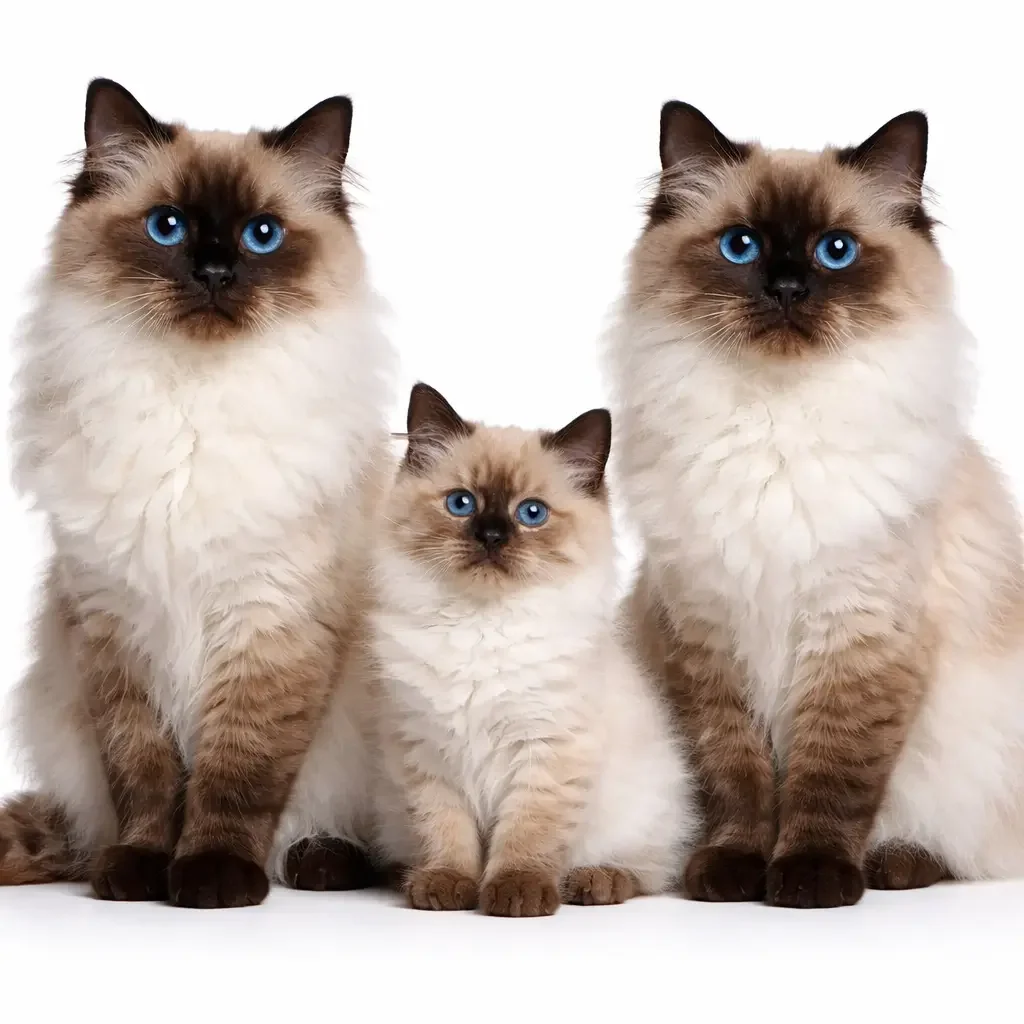
The Himalayan cat is a large, luxuriously coated breed developed in the United States and United Kingdom during the 1930s and 1950s by crossing Persian cats with Siamese cats, combining the Persian's long, flowing coat and calm temperament with the Siamese's striking colorpoint pattern and vivid blue eyes. The result is one of the most visually spectacular domestic cat breeds in the world, with a dense, silky coat, a flattened brachycephalic face, and a sweet, gentle personality that has made it one of the most popular longhaired breeds globally for decades.
Himalayans are calm, affectionate, and quietly devoted cats that thrive in stable, indoor environments where their extraordinary coat can be properly maintained and their gentle temperament is not overwhelmed by chaos or loud activity. They are not working cats in the traditional sense, and their physical structure and extensive grooming requirements make them poorly suited to demanding outdoor farm roles. However, for homesteaders seeking a supremely beautiful, deeply affectionate, and serene companion cat for the farmhouse itself, the Himalayan is an unmatched choice.
It is important for prospective owners to understand that the Himalayan's brachycephalic face structure, while aesthetically distinctive, carries significant and well-documented health implications that require informed, committed ownership and higher-than-average veterinary engagement throughout the cat's life.
Origin and History
Origin: United States and United Kingdom
Geographic Area: Developed simultaneously on both sides of the Atlantic through independent breeding programs
Development: First deliberate cross between Persian and Siamese cats conducted by Harvard researchers Dr. Clyde Keeler and Virginia Cobb in 1931 to study genetics; breed development for show purposes followed independently in the UK and US
First Colorpoint Longhair: Debutante, a female cat produced in the UK by breeder Brian Stirling-Webb in the 1950s, is considered one of the founding show cats of the breed
United States Development: Marguerita Goforth is credited with producing the first CFA-recognized Himalayan in the United States
Name Origin: Named for the color pattern similarities to the Himalayan rabbit and Himalayan guinea pig, both of which carry the same colorpoint gene expression
Recognition: CFA recognized the Himalayan as a separate breed in 1957; later reclassified as a color division of the Persian by CFA in 1984; TICA and most other registries continue to recognize it as a distinct breed
Persian Relationship: The Himalayan is considered a division of the Persian by CFA but a separate breed by TICA and most international registries; this distinction affects registration and showing but not the breed's characteristics
Current Status: Consistently among the most popular longhaired breeds worldwide; especially popular in North America
Physical Characteristics
Size: Large
Weight: Males 9 to 14 lbs; Females 7 to 11 lbs
Body Type: Cobby; short, broad, and heavily boned; low to the ground
Build: Substantial and rounded; powerful despite the compact frame
Coat Length: Longhair; one of the longest and most dense coats of any domestic breed
Coat Texture: Extremely long, thick, and silky; dense undercoat with a fine, flowing outer coat; prone to matting without consistent daily grooming
Coat Pattern: Colorpoint only; pale body with darker coloring on face (mask), ears, paws, and tail
Point Colors: Seal point, blue point, chocolate point, lilac point, red point, cream point, tortie point, lynx point; wide variety accepted
Eye Color: Deep, vivid blue; a defining breed characteristic inherited from Siamese ancestry
Face Type: Brachycephalic; flat-faced with a pushed-in nose, large round eyes, and a broad, rounded skull; the degree of flatness varies between traditional (doll-face) and extreme (ultra-face) lines
Head: Large, round, and broad; full cheeks; small, rounded ears set wide and low
Ears: Small, rounded, set far apart and low on the head
Legs: Short, thick, and heavily boned
Paws: Large, round, and well-tufted
Tail: Short to medium, full, and flowing
Overall Appearance: Round, plush, and majestic; one of the most immediately striking appearances of any domestic cat
Reproduction and Breeding
Sexual Maturity: Females 10 to 14 months; Males 12 to 18 months; later maturation than many breeds
Breeding Age: Best to wait until 18 to 24 months given the larger, slower-maturing build
Heat Cycle: Every 2 to 3 weeks during breeding season; queens can be quieter in heat than Siamese ancestry might suggest
Gestation Period: 63 to 65 days (approximately 9 weeks)
Litter Size: Average 3 to 5 kittens (range 2 to 6)
Birthing: Cesarean sections are more common in brachycephalic breeds due to large kitten head size; veterinary awareness essential
Kitten Development: Kittens born with lighter coloring; points darken with age and cooler temperatures
Coat Development: Full adult coat develops by 2 to 3 years; daily grooming habits should be established from kittenhood
Weaning: 8 to 10 weeks
Breeding Frequency: Limit to 1 to 2 litters per year for health of queen
Fertility Period: Productive breeding years 2 to 7 years old
Maturation: Slow-maturing; full coat and size reached at 2 to 3 years
Lifespan and Health
Average Lifespan: 9 to 15 years; shorter than many natural breeds due to brachycephalic health complications
Health Status: Carries multiple significant breed-specific health concerns directly related to brachycephalic face structure; requires informed and committed ownership
Primary Health Concern: Brachycephalic Obstructive Airway Syndrome (BOAS); narrowed nostrils, elongated soft palate, and compressed airways cause breathing difficulty, exercise intolerance, and heat sensitivity; severity varies between individuals and lines
Eye Concerns: Excessive tearing and staining from shallow eye sockets; entropion (inward rolling eyelids) possible; regular eye cleaning essential
Dental Concerns: Crowded teeth due to compressed jaw structure; prone to dental disease and malocclusion; regular dental care critical
Polycystic Kidney Disease (PKD): Inherited from Persian ancestry; affects a significant percentage of the breed; DNA testing available and strongly recommended for all breeding animals
Skin Fold Concerns: Facial skin folds can trap moisture and cause dermatitis; regular cleaning of facial folds required
Heat Sensitivity: Brachycephalic airway compromise means poor heat tolerance; must be kept in cool, well-ventilated environments; cannot be left in hot conditions
Heart Health: Hypertrophic cardiomyopathy (HCM) possible; cardiac screening recommended
Vaccinations: Standard feline vaccines (FVRCP, rabies)
Parasite Control: Regular flea prevention; primarily indoor breed reduces exposure risk
Veterinary Commitment: Himalayan owners should expect higher-than-average veterinary engagement throughout the cat's life; informed ownership is essential
Temperament and Personality
The Himalayan is among the most placid and serene of all domestic cat breeds. They are gentle, quiet, and deeply affectionate, carrying forward the best temperament traits of both the Persian and the Siamese while moderating the extremes of each. They are warmer and more interactive than the pure Persian, and calmer and less demanding than the pure Siamese, sitting in a sweet middle ground that many owners find ideal.
Himalayans form close, devoted bonds with their families and are particularly well suited to quieter households where their need for calm and predictability is respected. They enjoy being near their people without demanding constant active engagement, settling comfortably on a lap or beside a family member for extended periods of peaceful companionship. They are not hyperactive, not destructive, and not excessively vocal, making them genuinely easy cats to live with in terms of day-to-day management.
Their playful side emerges reliably in interactive sessions; they enjoy feather wands, soft toys, and gentle games, particularly as kittens and young adults. As they mature, their preference for quiet companionship over active play becomes more pronounced, and adult Himalayans are often content to spend most of their day in comfortable observation and gentle contact with their family.
Strangers are approached with initial caution, but Himalayans are rarely aggressive or fearful. They prefer a calm introduction and will warm to new people at their own pace. Their even temperament makes them well suited to households with respectful children and other calm pets. For the farmhouse rather than the farm itself, the Himalayan is a supremely gentle and beautiful presence.
Hunting and Working Ability
Prey Drive: Low to moderate; Persian ancestry significantly reduces the working instinct present in the Siamese line
Hunting Skills: Limited; the flat face compromises scenting ability and the heavy coat limits agility
Target Prey: Insects and small mice in contained indoor spaces; not suited to active outdoor hunting
Hunting Style: Opportunistic rather than driven; will investigate interesting movement but lacks the sustained focus of working breeds
Working Ability: Minimal; the Himalayan is not a working cat and should not be expected to perform pest control duties
Physical Limitations: Brachycephalic face restricts breathing during exertion; heavy coat limits agility and heat tolerance outdoors
Best Role: Farmhouse companion rather than working cat; provides warmth, companionship, and beauty in the domestic environment
Alertness: Moderate; notices and responds to movement but without the urgency or precision of purpose-bred hunting cats
Care and Maintenance
Grooming: High; daily brushing and combing is non-negotiable to prevent matting and maintain coat health
Coat Care: Use a wide-toothed steel comb and soft slicker brush daily; pay particular attention to the armpits, belly, and behind the ears where mats form most quickly
Matting Risk: The Himalayan coat mats faster and more severely than almost any other breed; a missed grooming session can result in painful mats that require professional or veterinary removal
Seasonal Shedding: Heavy year-round shedding; dramatically more pronounced in spring
Bathing: Regular bathing every 4 to 6 weeks recommended to maintain coat cleanliness and reduce mat formation; the coat must be thoroughly dried after bathing
Eye Cleaning: Daily cleaning of eye discharge and tear staining is essential; use a soft, damp cloth or veterinarian-approved eye wipe
Facial Fold Cleaning: Daily cleaning of facial skin folds to prevent moisture buildup and dermatitis
Nail Trimming: Every 2 to 3 weeks
Dental Care: Weekly tooth brushing strongly recommended; professional dental cleanings likely needed annually
Feeding: High-quality, high-protein diet; flat-faced structure may require flat or shallow bowls; 1/3 to 1/2 cup daily split into 2 meals
Caloric Needs: Moderate; low activity level means overfeeding leads to obesity quickly
Water: Fresh water always available; flat bowls easier for brachycephalic cats to drink from
Litter Box: Low-sided boxes easier for the short-legged, heavy-coated Himalayan to enter and exit
Exercise: Low to moderate; short gentle play sessions daily; avoid exertion in warm conditions
Temperature: Must be kept in cool, well-ventilated environments; heat is a serious risk due to compromised breathing
Climate Adaptability
Climate Tolerance: Poor to moderate; brachycephalic structure and heavy coat make climate management essential
Cold Tolerance: Good; dense coat provides meaningful insulation in cool conditions
Heat Tolerance: Very poor; brachycephalic airway compromise means the Himalayan cannot effectively pant to cool itself; heat is a genuine danger
Temperature Range: Strictly indoor; requires climate-controlled environments in all but the mildest conditions
Best Climate: Cool to temperate indoor environments; air conditioning essential in warm or hot climates
Indoor/Outdoor: Strictly indoor; outdoor exposure carries significant risks from heat, predators, coat contamination, and respiratory distress
Shelter Needs: Must have cool, clean, climate-controlled indoor shelter at all times
Adaptability: Limited by physical structure; adapts well to stable indoor environments but cannot safely adapt to outdoor or variable conditions
Advantages for Farmhouse Living
Supremely beautiful and visually spectacular; one of the most striking companion cats available
Extremely gentle, calm, and affectionate; ideal farmhouse companion for quieter indoor spaces
Deeply devoted to family; provides warm, consistent companionship
Quiet and undemanding in terms of vocalization and behavioral needs
Non-destructive; does not scratch furniture, climb curtains, or engage in disruptive behavior
Gets along well with calm children and other quiet pets
Playful and engaging in gentle interactive sessions
Wide range of point colors; can be selected for personal aesthetic preference
Vivid blue eyes and colorpoint coat create an extraordinary visual presence
Disadvantages for Farmhouse Living
Not a working cat; provides no meaningful pest control or farm utility
Extensive daily grooming commitment; non-negotiable and time-consuming
Significant and well-documented health concerns from brachycephalic structure require ongoing veterinary engagement
Very poor heat tolerance; cannot be safely kept in warm farm environments without climate control
Strictly indoor only; cannot safely work or live outdoors
Higher expected lifetime veterinary costs than most other breeds
PKD testing essential before acquiring; untested lines carry serious kidney disease risk
Regular daily eye and facial fold cleaning required
Professional grooming or veterinary mat removal may be needed despite daily brushing
Shorter lifespan (9 to 15 years) than most natural breeds due to health complications
Cesarean births more common; breeding requires specialist veterinary support
Not suited to chaotic, loud, or unpredictable farm environments
Best Suited For
Calm, indoor-oriented farmhouses and rural homes with climate control
Owners who have the time, commitment, and resources for daily intensive grooming
Households seeking a supremely gentle and beautiful indoor companion rather than a working cat
Cool to temperate climate homes where heat management is achievable
Experienced cat owners who fully understand and accept the breed's health requirements
Quieter households without very young children or highly energetic pets
Cat enthusiasts who appreciate the extraordinary visual beauty of the colorpoint longhair coat
Owners prepared for higher-than-average veterinary engagement throughout the cat's life
Economic Considerations
Initial Cost: $800 to $1,500 from reputable breeders; show quality $1,500 to $3,000+
Availability: Widely available from reputable breeders in North America and Europe
Annual Vet Care: $400 to $800 (vaccines, checkups, dental cleanings, eye care, PKD monitoring, potential respiratory management)
Food Costs: $250 to $400 annually (moderate appetite in a low-activity cat)
Grooming Supplies: $80 to $150 annually (steel combs, slicker brushes, shampoo, eye wipes, facial fold cleaner)
Professional Grooming: $60 to $150 per session if needed; many owners supplement home grooming with professional sessions every 6 to 8 weeks
Spay/Neuter: $100 to $300; brachycephalic cats carry higher anesthesia risk
Pest Control Value: None; the Himalayan is not a working cat
Long-term Value: Outstanding companionship and aesthetic value for the right owner; higher lifetime veterinary costs than most breeds should be budgeted carefully
Fun Facts
The Himalayan is named for the Himalayan rabbit and Himalayan guinea pig, both of which carry the same colorpoint gene that produces the breed's distinctive color pattern
The breed was first developed not for show purposes but for genetic research; Harvard scientists Dr. Clyde Keeler and Virginia Cobb crossed Persians and Siamese in 1931 to study how colorpoint genes were inherited
Himalayan cats played a small but memorable role in the 2000 film Meet the Parents, where the character Jinx the cat became one of the most recognized feline film appearances of the decade
The Himalayan's point color deepens throughout life and is temperature-sensitive; cooler parts of the body develop darker pigment, while warmer areas remain pale
The CFA reclassified the Himalayan as a color division of the Persian in 1984, a decision that remains controversial among Himalayan breeders and enthusiasts who maintain it is a distinct breed
Martha Stewart famously kept multiple Himalayan cats, bringing significant public attention to the breed in the 1990s and 2000s
The doll-face or traditional Himalayan, which has a less extreme facial structure than the ultra-face show type, is generally considered healthier and is increasingly preferred by welfare-conscious breeders
Himalayan cats require flat or shallow food and water bowls because their compressed facial structure makes it difficult to reach into standard bowls
The breed's combination of Persian calm and Siamese sociability was deliberately sought by early breeders; achieving the right balance took decades of selective work
Himalayan coats can reach several inches in length and require significantly more maintenance than any other domestic cat coat
The vivid blue eyes of the Himalayan are an inheritance from its Siamese ancestry; all Himalayans carry two copies of the colorpoint gene which produces the blue eye color
Polycystic kidney disease, inherited from Persian ancestry, affects an estimated 36 to 49 percent of Persian and Himalayan cats in untested breeding programs; responsible DNA testing has significantly reduced but not eliminated this figure
Some Himalayan cats produce a distinctive chirping or quiet trill that reflects their Siamese heritage; others are almost entirely silent in the manner of their Persian ancestry
The extreme flat-faced ultra-type Himalayan can have nostrils so narrow they are nearly closed; welfare organizations in several countries have raised concerns about breeding for extreme facial features
Despite their indoor-only lifestyle and limited working ability, Himalayans have been consistently among the top five most popular cat breeds in the United States for several decades running