
Korat
Overview
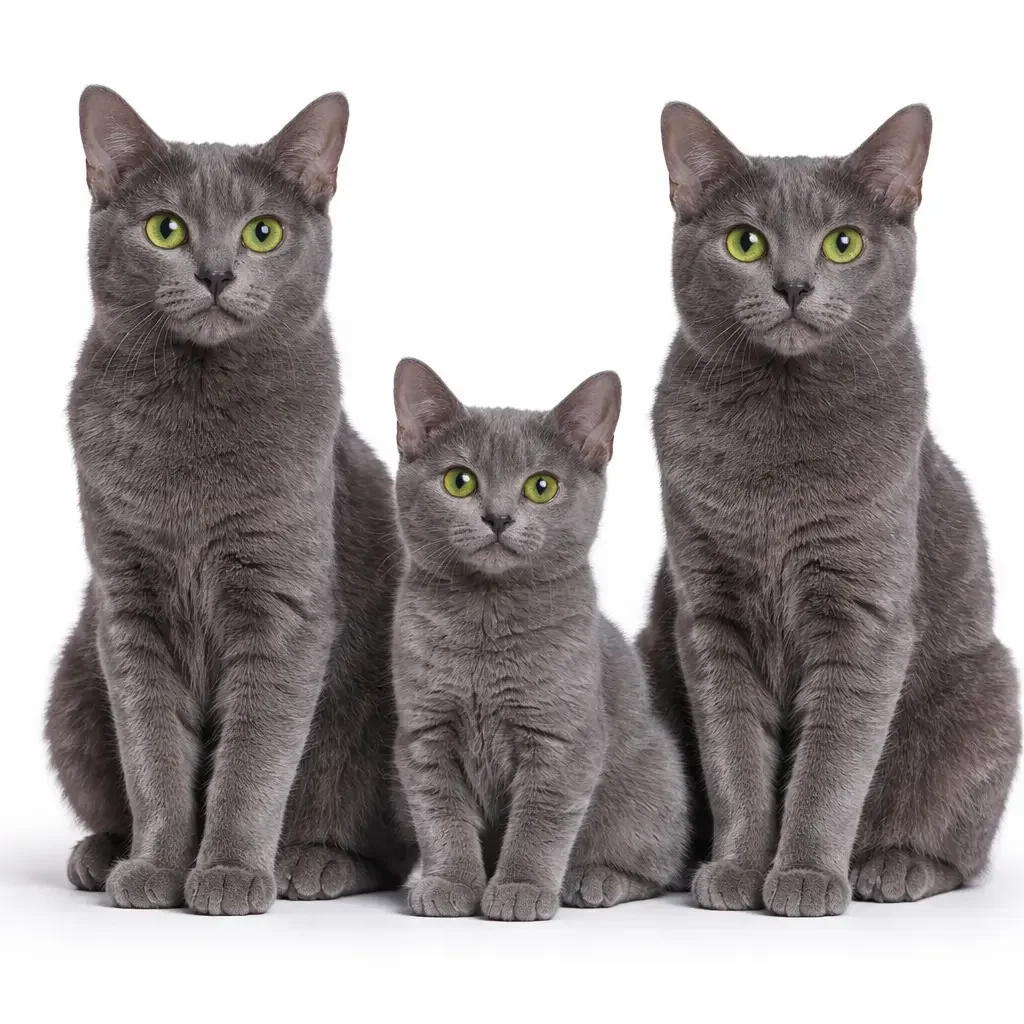
The Korat cat is one of the oldest and most revered natural cat breeds in the world, originating from the Korat plateau in the Nakhon Ratchasima province of Thailand, where it has been documented for over six hundred years. Silver-blue, luminous, and strikingly beautiful, the Korat is among the most visually distinctive of all domestic breeds, with a heart-shaped face, large green eyes, and a single-layer coat that shimmers with a silver sheen unlike anything seen in other breeds.
Korats are intelligent, gentle, and deeply devoted cats that form intense bonds with their chosen people. They are quiet, observant, and sensitive, preferring calm households where they can be close to their family without the stress of chaotic or unpredictable environments. In Thailand, Korats are considered a symbol of good fortune and prosperity, and pairs of Korats have traditionally been given as wedding gifts to bring luck and happiness to new households.
For homesteaders and farm families, the Korat offers a composed, alert, and capable companion with a genuine hunting instinct, moderate working ability, and an affectionate, low-maintenance character that rewards patient and attentive ownership. While not the most high-output working cat, the Korat is a deeply rewarding breed for those who appreciate intelligence, loyalty, and quiet elegance in a farm companion.
Origin and History
Origin: Korat plateau, Nakhon Ratchasima province, Thailand
Geographic Area: Northeastern Thailand; the breed has remained geographically isolated for centuries
Development: Ancient natural breed; documented in the Smud Khoi of Cats, a Thai manuscript believed to date to the 14th century
Cultural Significance: Considered a symbol of good luck, prosperity, and happiness in Thailand; given as gifts to bring fortune to recipients
Traditional Gifting: Korats were traditionally given in pairs to newlyweds; the silver coat was associated with silver coins and wealth
Rain Ceremonies: Korats were historically carried in Thai rain-making ceremonies; their blue-grey coat was associated with rain clouds and good harvests
Western Introduction: First exhibited in Britain in the 1890s but initially misidentified as a blue Siamese; formal Western recognition came later
United States Introduction: First Korats imported to the United States in 1959 by Cedar Glen Cattery
Recognition: CFA recognized the Korat in 1967; recognized by all major registries worldwide
Breed Purity: The Korat is one of the few breeds that has never been outcrossed to another breed; all registered Korats must trace their ancestry to Thailand
Current Status: Rare outside Thailand and dedicated Western breeding programs; deeply valued by those who know the breed
Physical Characteristics
Size: Medium
Weight: Males 8 to 10 lbs; Females 6 to 8 lbs
Body Type: Semi-cobby; compact, muscular, and surprisingly heavy for their size
Build: Strong and athletic; the Korat is denser and more powerful than its elegant appearance suggests
Coat Length: Short
Coat Texture: Single layer only; no undercoat; fine, silky, and close-lying; lies flat against the body
Coat Color: Blue only; a solid blue-grey with silver tipping on each hair that produces a distinctive halo or shimmering effect in light
Eye Color: Luminous green; a defining breed characteristic; kittens are born with blue eyes that transition through amber to green, with full green color reached by 2 to 4 years
Head: Heart-shaped when viewed from the front; broad forehead, gently curved sides, and a pointed chin create the distinctive heart outline
Ears: Large, wide at the base, rounded at the tip; set high on the head and alert
Legs: Medium length, well-proportioned, and muscular
Paws: Oval, compact, and neat
Tail: Medium length, heavier at the base, tapering to a rounded tip
Overall Appearance: Elegant, luminous, and deeply distinctive; the silver sheen and heart-shaped face are unlike any other breed
Reproduction and Breeding
Sexual Maturity: Females 8 to 12 months; Males 9 to 14 months
Breeding Age: Best to wait until 12 to 18 months
Heat Cycle: Every 2 to 3 weeks during breeding season
Gestation Period: 63 to 65 days (approximately 9 weeks)
Litter Size: Average 3 to 5 kittens (range 2 to 6)
Birthing: Generally straightforward; attentive and devoted mothers
Kitten Development: Kittens born with blue eyes that transition through amber before settling into green; full green color takes up to 4 years
Coat Development: Silver tipping and full adult sheen develop gradually; most apparent in mature cats over 2 years old
Weaning: 8 to 10 weeks
Breeding Frequency: Limit to 1 to 2 litters per year for health of queen
Fertility Period: Productive breeding years 2 to 7 years old
Breed Purity Requirement: All registered breeding Korats must have documented Thai ancestry; no outcrossing permitted in any major registry
Maturation: Reaches full size and eye color by 2 to 4 years; one of the slower-developing medium-sized breeds
Lifespan and Health
Average Lifespan: 15 to 20 years; one of the longest-lived domestic cat breeds
Health Status: Generally very healthy; the long history of natural development contributes to a robust constitution
Primary Health Concern: Gangliosidosis (GM1 and GM2); a fatal neurological storage disease present in some Korat lines; DNA testing is available and strongly recommended for all breeding animals
Gangliosidosis Status: Responsible breeders test all breeding cats; the disease can be eliminated from breeding programs through carrier identification and testing
Other Concerns: No other breed-specific conditions have been identified; the Korat is considered a healthy natural breed outside of the gangliosidosis risk
No Undercoat Consideration: The absence of an undercoat means the Korat is more sensitive to cold than breeds with double coats; indoor warmth is important
Dental Health: Regular dental care recommended
Vaccinations: Standard feline vaccines (FVRCP, rabies)
Parasite Control: Regular flea and tick prevention for outdoor cats
Hardy Constitution: Centuries of natural development in Thailand contribute to overall resilience and health
Temperament and Personality
The Korat is a cat of quiet intensity. They are not the most outwardly exuberant of breeds, but their devotion to their chosen family runs exceptionally deep. Korats form intense one-on-one bonds with their primary person and maintain a consistent, loving presence that is felt more through steady closeness than through dramatic displays of affection. They are the cat that is simply always there, warm, watchful, and reliably present.
Sensitivity is the defining psychological trait of the Korat. They are acutely aware of the emotional states of the people around them and respond to stress, conflict, or sadness with a quiet attentiveness that many owners find remarkable. They do not do well in loud, chaotic, or unpredictable households, and they can become anxious or withdrawn if their need for calm and stability is not respected. The ideal Korat household is one that is settled, gentle, and consistent.
Intelligence is high. Korats learn quickly, remember reliably, and are observant enough to anticipate household routines before they happen. They are curious and engaged but not destructive or reckless. Their energy level is moderate; they play enthusiastically but are equally content to sit quietly beside their person for extended periods.
With strangers, Korats are typically reserved. They do not hide, but they observe carefully before choosing to engage, and they may never fully warm to people they do not know well. In a farm household with regular visitors and new workers, this reserve should be expected and respected rather than forced. With their trusted family, however, the Korat is warm, loyal, and consistently affectionate in a way that makes them one of the most deeply bonding breeds available.
Hunting and Working Ability
Prey Drive: Moderate to high; alert, focused, and naturally responsive to movement
Hunting Skills: Precise and deliberate; excellent sensory awareness supports effective hunting
Target Prey: Mice, rats, insects, small birds, lizards
Hunting Style: Patient and observant; uses exceptional hearing and vision to locate and track prey before striking
Working Ability: Functional household and barn mouser; historically worked in Thai homes and temples where rodent control was essential
Sensory Advantage: The Korat's large ears and luminous eyes provide exceptional low-light vision and hearing, enhancing hunting effectiveness in dim barn and storage environments
Size Consideration: Medium build suited to standard household and small barn pest control
Territory: Will establish and quietly patrol a defined home territory
Stamina: Good; active and capable without requiring excessive stimulation
Alertness: Highly alert and sensitive; will detect and respond to subtle environmental changes
Care and Maintenance
Grooming: Minimal; the single-layer coat requires only weekly brushing to remove loose hairs and maintain the silver sheen
Coat Care: A chamois cloth or soft rubber grooming mitt enhances the natural sheen; avoid harsh brushes that can damage the fine single coat
Shedding: Light; single coat with no undercoat sheds minimally year-round
Bathing: Rarely needed; fine coat stays clean with regular grooming
Nail Trimming: Every 2 to 3 weeks
Dental Care: Weekly tooth brushing recommended
Feeding: High-quality, high-protein diet; 1/3 to 1/2 cup daily split into 2 meals; monitor weight carefully as the Korat is a naturally compact breed prone to appearing heavier than expected
Caloric Needs: Moderate; indoor-oriented lifestyle means portion control is important
Water: Fresh water always available; many Korats enjoy water fountains
Litter Box: Standard size; kept very clean as Korats are fastidious
Exercise: Moderate; daily interactive play sessions important for mental and physical health
Warmth: Important; the lack of an undercoat means Korats feel cold more acutely than double-coated breeds; warm indoor environments essential in cold climates
Enrichment: Puzzle toys, window perches, interactive play, and most importantly consistent human companionship
Climate Adaptability
Climate Tolerance: Moderate; Thai origins mean preference for warmth; sensitive to cold due to single-layer coat
Cold Tolerance: Low; no undercoat provides minimal insulation; must have warm indoor shelter in cold weather
Heat Tolerance: Very good; originated in a warm Southeast Asian climate; manages heat well
Temperature Range: Best suited to warm to temperate climates
Best Climate: Warm, stable environments; Southeast Asian origin reflects preference for consistent warmth
Indoor/Outdoor: Best kept primarily indoors or with supervised outdoor access in temperate conditions
Shelter Needs: Must have warm, dry indoor shelter; not suited to cold or damp outdoor environments
Adaptability: Adapts well to varied household environments provided warmth and calm are maintained
Advantages for Farmhouse Living
One of the longest-lived domestic cat breeds (15 to 20 years) for exceptional long-term companionship
Deeply loyal and bonding; forms an intense, lasting relationship with its primary family
Minimal grooming requirement; single coat sheds lightly and needs little maintenance
Functional hunting instinct for household and barn pest control
Exceptional sensory awareness; large ears and luminous eyes provide outstanding low-light performance
Quiet and undemanding; does not vocalize excessively or create household disruption
No confirmed breed-specific health concerns outside of testable gangliosidosis
Historically associated with good fortune and prosperity; a culturally meaningful breed
Low shedding; single coat means minimal hair on furniture and clothing
Gentle and patient with family members; not aggressive or reactive
Highly intelligent and observant; learns household and farm routines quickly
Disadvantages for Farmhouse Living
Low cold tolerance; single coat provides minimal insulation; not suited to cold climate outdoor farm work
Sensitive temperament; does not thrive in loud, chaotic, or unpredictable farm environments
Reserved with strangers; may not adapt well to farms with frequent visitors or new workers
Not a high-output working cat; prey drive and hunting ability moderate rather than exceptional
Rare and expensive; very limited availability outside dedicated breeding programs
Breed purity requirement means no outcrossing; small gene pool requires careful management
Gangliosidosis testing essential before acquiring from any breeder; untested lines carry serious risk
Requires consistent warmth and calm; demands more environmental consideration than hardier breeds
Strong bonding means they can experience significant stress during extended owner absence
Best Suited For
Warm to temperate climate homesteads and farm households
Calm, settled households with consistent routines and limited chaotic activity
Owners who appreciate a quiet, deeply loyal, and intelligent companion cat
Properties requiring functional household and barn pest control without extreme working demands
Cat enthusiasts interested in one of the oldest and most culturally significant natural breeds in the world
Households without very young children or highly unpredictable activity levels
Allergy-conscious households; single coat with no undercoat sheds minimally
Long-term owners who can provide the stable, devoted relationship the Korat thrives on
Economic Considerations
Initial Cost: $600 to $1,200 from reputable breeders; show quality $1,200 to $2,000+
Availability: Rare; dedicated breeders primarily in Thailand, the United States, and the United Kingdom; waitlists common
Annual Vet Care: $200 to $400 (vaccines, checkups, gangliosidosis monitoring in breeding animals)
Food Costs: $250 to $400 annually (medium-sized cat with moderate appetite)
Grooming Supplies: $15 to $30 annually; chamois cloth and soft mitt sufficient
Spay/Neuter: $75 to $200
Pest Control Value: Functional; effective for household and small barn mousing
Long-term Value: 15 to 20 year lifespan; extraordinary long-term companionship value for the right household
Fun Facts
The Korat is one of only a handful of cat breeds documented in historical manuscripts; it appears in the Smud Khoi of Cats, a Thai text believed to date to the 14th century
In Thailand, Korats are never sold; they are only given as gifts, as selling them is believed to bring bad luck to both parties
The silver sheen of the Korat coat is caused by silver tipping on each individual hair, creating a luminous halo effect that is most visible in natural light
Korat eyes pass through three color phases during development: blue at birth, amber in kittenhood, and green in adulthood; full green is not reached until 2 to 4 years of age
The heart shape of the Korat face is visible from three angles: the front of the head, the forehead viewed from above, and the nose seen from the front
In Thai tradition, Korats were carried in rain-making ceremonies; their blue coat was associated with storm clouds and the promise of good harvests
The Korat was first exhibited in Britain in the 1890s but was shown under the incorrect classification of blue Siamese; it took decades before the breed received its own identity in the Western cat fancy
All registered Korats worldwide must be able to trace their ancestry directly to Thailand; the breed is one of the most strictly controlled in terms of lineage documentation
Korats are one of the few breeds where the standard requires a specific eye color at a specific age; green eyes by adulthood are non-negotiable in show animals
The Korat is said to have as many shades of blue in its coat as there are colors in a rain cloud, a poetic description from Thai cultural tradition
Korats are known to chirp and trill softly rather than meow loudly, a vocalization pattern similar to that of the Norwegian Forest Cat
The first pair of Korats imported to the United States in 1959 were named Nara and Darra and are the ancestors of a significant portion of the Western Korat population
Korats have been used in Thailand as a traditional remedy for sadness; a Korat given to a grieving person was believed to absorb and dissipate sorrow
Despite centuries of isolation and breed purity requirements, the Korat has maintained exceptional health and genetic stability, a testament to the quality of its natural foundation
The Korat is considered by many Thai people to be not merely a pet but a living embodiment of good fortune, and mistreating one is believed to bring serious misfortune to the household