
LaPerm
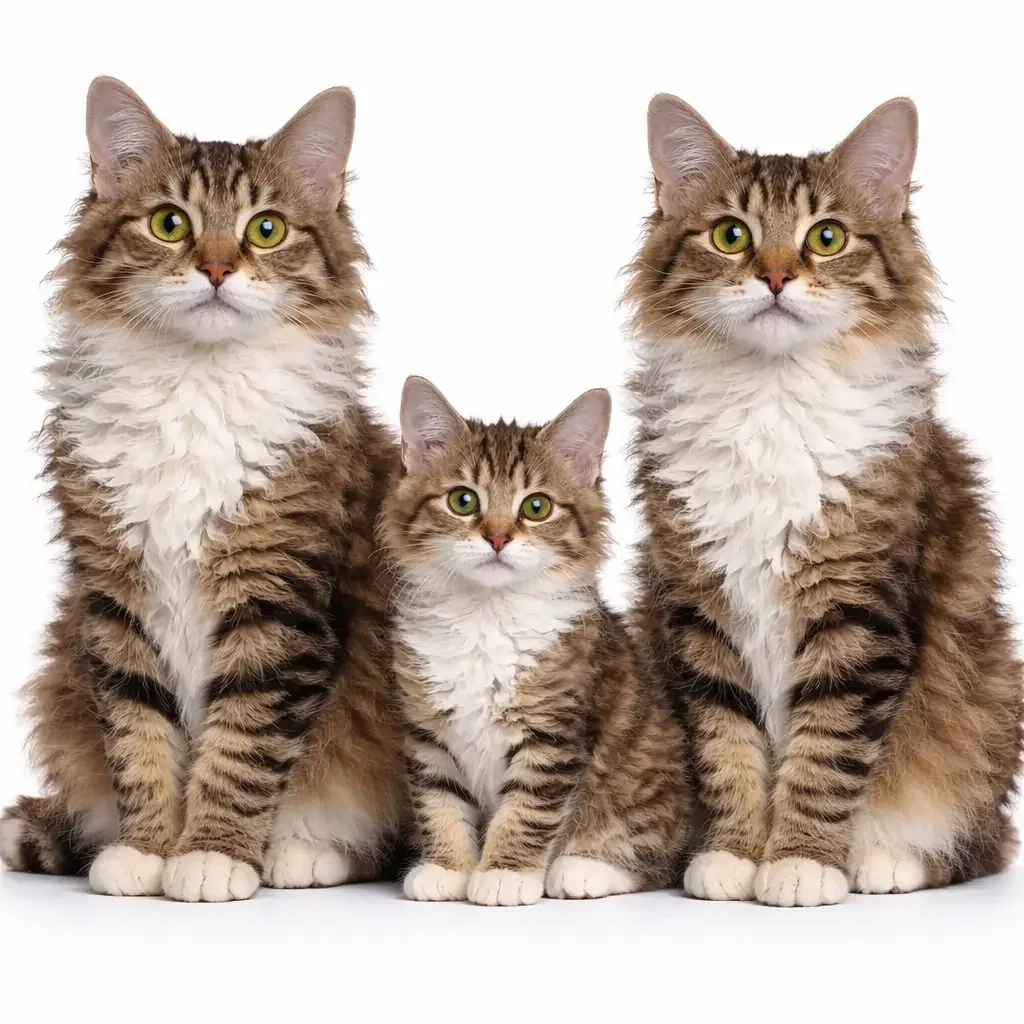
Overview
The LaPerm cat is a medium-sized, naturally mutated breed originating from a cherry orchard farm in The Dalles, Oregon, where its distinctive curly coat first appeared as a spontaneous genetic mutation in 1982. Named for its permanently wavy, permed-looking coat, the LaPerm is one of the most unusual and visually distinctive of all domestic cat breeds, combining a soft, springy curl pattern with a warm, people-oriented personality that makes it an outstanding companion for a wide range of households.
LaPerms are affectionate, gentle, and highly social cats that actively seek out human contact and form deep bonds with their families. They are curious and playful without being hyperactive, and their adaptable, even-tempered nature makes them well suited to both active farm households and quieter rural homes. Their farm origins give them a natural confidence outdoors and a practical working instinct that, while not as pronounced as traditional working breeds, is genuine and functional.
The LaPerm is notable for being the only curly-coated breed to have originated directly on a working farm, and it retains a grounded, capable quality that reflects those roots. For homesteaders seeking a distinctive, low-shedding, and deeply affectionate companion cat with real farm heritage, the LaPerm is a compelling and underappreciated choice.
Origin and History
Origin: The Dalles, Oregon, United States
Geographic Area: Columbia River Gorge region of Oregon; developed on a working cherry orchard farm
Development: Spontaneous curly coat mutation appeared in 1982 in a litter of barn cats on the farm of Linda and Richard Koehl
Founding Cat: Linda, a bald female kitten born in 1982, developed a soft curly coat as she matured and became the foundation of the entire breed
Early Development: The curly cats bred freely on the farm for nearly a decade before the Koehls realized they had something genetically unique; population reached several dozen cats before formal breeding began
Breed Development: Linda Koehl began a formal breeding program in the early 1990s; the LaPerm Gene was identified as a dominant autosomal mutation
Recognition: TICA granted the LaPerm full championship status in 2003; CFA accepted the breed in 2008
Curl Gene: The LaPerm curl is caused by a dominant gene distinct from the genes responsible for curls in the Rex breeds; a single copy produces curly coat
Current Status: Rare breed with a dedicated following; most popular in North America and the United Kingdom
Physical Characteristics
Size: Medium
Weight: Males 7 to 10 lbs; Females 5 to 8 lbs
Body Type: Semi-foreign; medium length, moderately muscled, and well-balanced
Build: Athletic and lithe; neither cobby nor extreme; moves with agility and ease
Coat Length: Both shorthair and longhair varieties exist; longhair is more common
Coat Texture: Soft, springy curls or waves throughout; longhair has ringlet-like curls particularly prominent at the neck, ears, and belly; shorthair has a tighter, more uniform wave
Coat Behavior: LaPerm kittens are sometimes born bald and develop their curl as they mature; some kittens are born with straight coats that wave or curl later; the curl is not fixed at birth
Coat Colors: All colors and patterns accepted; no restrictions
Eye Color: All colors accepted; medium-large, almond to walnut-shaped, and expressive
Head: Modified wedge; medium length with slightly rounded contours; prominent whisker pads
Ears: Medium to large, wide-set, continuing the wedge shape of the head; furnishings curl outward
Legs: Medium length, well-proportioned, and moderately muscled
Paws: Round to oval, medium size
Tail: Long, tapering, plumed in longhair variety; curly hairs throughout
Overall Appearance: Distinctively curly and soft; the coat is the defining feature; no other breed produces quite the same texture and pattern
Reproduction and Breeding
Sexual Maturity: Females 7 to 10 months; Males 8 to 12 months
Breeding Age: Best to wait until 12 to 18 months
Heat Cycle: Every 2 to 3 weeks during breeding season
Gestation Period: 63 to 65 days (approximately 9 weeks)
Litter Size: Average 3 to 5 kittens (range 2 to 6)
Birthing: Generally straightforward; attentive and nurturing mothers
Kitten Coat: Variable at birth; some kittens born bald, some with straight coats, some with curls; all may change significantly in the first months
Curl Development: Curls typically develop or intensify between 3 and 6 months; some cats go through a temporary straight phase before curling fully
Curl Gene: Dominant; a single copy of the LaPerm gene produces curly coat; the gene is distinct from Rex curl genes and the breeds can theoretically be crossed without producing straight-coated offspring
Weaning: 8 to 10 weeks
Breeding Frequency: Limit to 1 to 2 litters per year for health of queen
Fertility Period: Productive breeding years 2 to 7 years old
Maturation: Reaches full size and final coat character by 2 to 3 years
Lifespan and Health
Average Lifespan: 12 to 15 years
Health Status: Generally healthy with no breed-specific hereditary conditions identified to date
Primary Health Concern: No confirmed breed-specific diseases; the LaPerm is considered a healthy natural mutation breed
Heart Health: Hypertrophic cardiomyopathy (HCM) possible as in any breed; cardiac screening recommended in breeding animals
Coat Health: The curly coat does not require special medical attention; it is a structural difference not associated with skin disease
Dental Health: Regular dental care recommended
Vaccinations: Standard feline vaccines (FVRCP, rabies)
Parasite Control: Regular flea and tick prevention for outdoor cats
Hardy Constitution: Farm origins and natural mutation background contribute to a robust and adaptable constitution
Genetic Diversity: The LaPerm's relatively recent origin and limited population mean maintaining genetic diversity is an ongoing concern for responsible breeders
Temperament and Personality
The LaPerm is among the most consistently affectionate and people-oriented of all domestic cat breeds. They actively seek out human contact, climbing into laps uninvited, nuzzling against faces, and maintaining a gentle but persistent physical closeness with their preferred people. They are warm without being overwhelming and affectionate without being anxious, making them excellent companions for a wide range of household types.
Curiosity is a defining trait. LaPerms investigate everything in their environment with an alert, engaged interest that reflects their farm cat origins. They are confident in new situations, comfortable with strangers, and adaptable to changes in routine or environment in a way that less naturally grounded breeds are not. Their farm heritage gives them a practicality and ease that many more recently developed breeds lack.
They are gentle with children and tolerant with other animals, rarely reacting with aggression and generally navigating multi-pet environments with calm good nature. Their moderate energy level means they are active and playful without being destructive or demanding, making them a genuinely easy breed to live and work alongside.
Vocalization is soft and infrequent. LaPerms communicate their needs quietly and without the persistent meowing of more vocal breeds, making them pleasant companions in both household and working environments. Their overall temperament is best described as warm, curious, and quietly confident, a reflection of their origins as free-ranging barn cats on a working Oregon farm.
Hunting and Working Ability
Prey Drive: Moderate to high; barn cat origins give the LaPerm a genuine and functional hunting instinct
Hunting Skills: Alert, agile, and persistent; effective at tracking and catching small prey
Target Prey: Mice, rats, insects, small birds, voles
Hunting Style: Curious and opportunistic; investigates every corner and responds quickly to movement
Working Ability: Functional barn and homestead mouser; not a high-output specialized working cat but capable and willing
Size Consideration: Medium build suited to standard household and barn pest control
Territory: Will patrol a defined home territory with consistent interest
Stamina: Good; active and engaged without requiring constant stimulation
Alertness: Highly alert and curious; will investigate unusual sounds and activity reliably
Outdoor Confidence: Farm origins mean the LaPerm is comfortable and capable outdoors in varied conditions
Care and Maintenance
Grooming: Surprisingly low maintenance for a curly-coated breed; the curl pattern resists matting better than straight longhaired coats
Coat Care: Gentle combing 1 to 2 times weekly is sufficient for most longhair LaPerms; avoid over-brushing which can cause frizz and disrupt the curl pattern
Shedding: Low to moderate; the curly coat traps loose hairs reducing the amount that falls on furniture and clothing
Bathing: Occasional bathing enhances the curl; the coat responds well to light moisture; dry naturally or with minimal heat to preserve curl integrity
Nail Trimming: Every 2 to 3 weeks
Dental Care: Weekly tooth brushing recommended
Feeding: High-quality, high-protein diet; 1/3 to 1/2 cup daily split into 2 meals
Caloric Needs: Moderate; active but not excessively so
Water: Fresh water always available
Litter Box: Standard size; kept clean as LaPerms are fastidious
Exercise: Moderate; daily interactive play and access to outdoor or enriched indoor spaces
Enrichment: Puzzle toys, climbing structures, fetch games, and consistent human interaction all well received
Curl Preservation: Avoid heavy brushing, excessive heat, and harsh grooming tools that flatten or frizz the distinctive curl
Climate Adaptability
Climate Tolerance: Good; farm origins in the Pacific Northwest mean adaptation to cool, wet, and variable conditions
Cold Tolerance: Moderate to good; the curly double coat provides reasonable insulation
Heat Tolerance: Good; medium build and moderate coat manage warm conditions well with access to shade and water
Temperature Range: Adaptable to most temperate climates
Best Climate: Comfortable in cool to temperate environments; Oregon farm origins
Indoor/Outdoor: Benefits from outdoor access; farm heritage means genuine comfort and capability outdoors
Shelter Needs: Appreciates warm, dry indoor shelter; not suited to prolonged exposure in extreme cold
Adaptability: Highly adaptable; confident and capable in varied living environments
Advantages for Farmhouse Living
Genuine farm cat origins; born and developed on a working Oregon cherry orchard
Moderate to high prey drive and functional hunting instinct for barn and homestead pest control
Deeply affectionate and people-oriented; exceptional family companion
Low shedding relative to coat length; curly coat traps loose hair reducing household mess
Surprisingly low grooming requirement for a curly-coated longhair breed
Confident and adaptable outdoors; comfortable in varied farm environments
Gentle with children and tolerant with other animals including dogs
Quiet and undemanding; does not vocalize excessively
Highly adaptable to changes in routine and environment
No confirmed breed-specific hereditary health conditions
Distinctive and visually striking appearance; unlike any other farm cat breed
Warm, curious, and grounded temperament well matched to active homestead life
Disadvantages for Farmhouse Living
Not a high-output working cat; prey drive and hunting ability moderate rather than exceptional
Rare breed; limited availability outside North America and the United Kingdom
Higher purchase price than more common working breeds
Curl pattern can frizz if groomed improperly or exposed to excessive heat
Moderate size limits effectiveness against larger pests
Small gene pool means genetic diversity is an ongoing concern; responsible sourcing important
Needs consistent human companionship; does not thrive in environments with extended solitude
Less cold-hardy than Northern working breeds such as the Norwegian Forest Cat or Siberian
Best Suited For
Active homesteads and farm households with frequent human presence
Properties requiring moderate indoor and barn pest control
Families with children, dogs, and other pets
Cool to temperate climate farms and rural properties
Owners who want a distinctive, low-shedding companion cat with genuine farm heritage
Households seeking a warm, affectionate, and adaptable working companion
Cat enthusiasts looking for a rare and visually unique breed with a grounded, practical temperament
Multi-pet households where the LaPerm's gentle and adaptable nature can shine
Economic Considerations
Initial Cost: $800 to $1,500 from reputable breeders; show quality $1,500 to $2,500+
Availability: Rare; specialist breeders primarily in North America and the United Kingdom; waitlists common
Annual Vet Care: $200 to $400 (vaccines, checkups, preventatives)
Food Costs: $250 to $400 annually (medium-sized cat with moderate appetite)
Grooming Supplies: $30 to $60 annually; gentle combs and curl-safe products recommended
Spay/Neuter: $75 to $200
Pest Control Value: Functional; effective for standard homestead and barn mousing
Long-term Value: 12 to 15 year lifespan; outstanding affectionate companionship value for the right household
Fun Facts
The entire LaPerm breed traces back to a single bald female kitten born in 1982 on a working cherry orchard farm in The Dalles, Oregon
The founding cat was named Linda by her owner; she was born hairless and developed a soft, wavy coat as she matured
The Koehl family allowed their curly cats to breed freely on the farm for nearly a decade before realizing they had a distinct genetic mutation; the population reached over fifty cats before formal documentation began
LaPerm kittens can be born bald, straight-coated, or curly; the final coat type may not be apparent until several months of age
The LaPerm curl gene is dominant and entirely distinct from the genes responsible for curls in the Cornish Rex, Devon Rex, and Selkirk Rex breeds
Dampening the coat or bathing a LaPerm enhances and tightens the curl pattern; the coat responds positively to moisture
LaPerms are known to tap their owners on the face with a paw to request attention, a behavior owners find distinctive and endearing
The breed name LaPerm is a direct reference to the permanent wave hairstyle popular in the 1980s when the breed was founded
Unlike most longhaired breeds, the LaPerm's curly coat sheds significantly less than a straight coat of equivalent length because loose hairs become trapped within the curl structure
The LaPerm is one of the only cat breeds in the world whose origin can be traced to a specific farm, a specific litter, and a specific founding cat with documented history
LaPerms have been observed carrying toys to their owners in a manner similar to retrieving dog breeds
The whiskers of a LaPerm are also curly, a detail that contributes to the breed's overall distinctive and whimsical appearance
TICA granted the LaPerm full championship status in 2003, just over twenty years after the founding mutation appeared on the Koehl farm
LaPerms are known to be particularly sensitive to the emotional states of their owners, seeking out distressed family members with a consistency noted by multiple breed owners
The LaPerm Society of America was established to support breed development, maintain health records, and promote genetic diversity within this rare and recently founded breed