
Manx
Overview
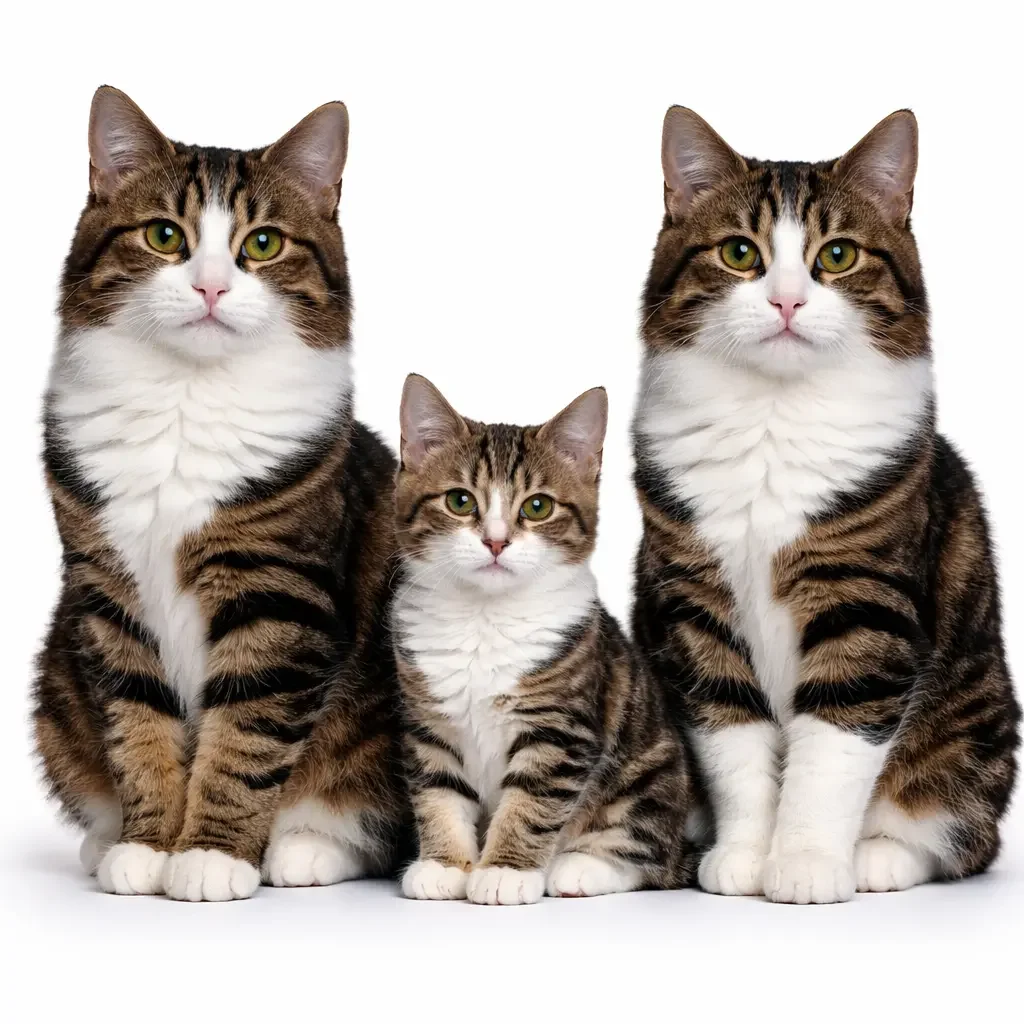
The Manx cat is an ancient, naturally occurring breed originating from the Isle of Man, a small island in the Irish Sea between Great Britain and Ireland. The breed is defined by its naturally short or absent tail, the result of a spontaneous genetic mutation that has been fixed in the island population over centuries of geographic isolation. Sturdy, round, and powerfully built, the Manx is one of the oldest recognized cat breeds in the world and one of the most historically proven working cats in existence.
Manx cats are loyal, intelligent, and dog-like in their attachment to their families. They are active, playful, and highly alert, with a strong prey drive and a fearless confidence that made them invaluable working cats on ships, farms, and homesteads throughout the British Isles for hundreds of years. Their compact, muscular build, exceptional jumping ability, and robust constitution make them outstanding working companions for rural and farm environments.
However, the Manx carries a significant and well-documented health concern. The same gene responsible for the taillessness can, in certain combinations, cause a range of spinal and neurological problems known collectively as Manx Syndrome. Prospective owners must understand this before acquiring the breed, and responsible sourcing from health-conscious breeders is essential.
Origin and History
Origin: Isle of Man, Irish Sea
Geographic Area: Isle of Man; spread throughout the British Isles and beyond through maritime trade
Development: Ancient natural breed; tailless mutation arose spontaneously and became fixed through centuries of isolated island breeding
Maritime History: Widely kept as working cats on British and Irish ships; prized for exceptional hunting ability in confined spaces
Cultural Significance: Central to the folklore and identity of the Isle of Man; appears on Manx coins and is considered a cultural symbol of the island
Legends: Numerous folk legends explain the missing tail, including being caught in the closing door of Noah's Ark and having its tail cut off by an Irish warrior
Recognition: One of the founding breeds recognized by major cat registries; among the first breeds shown at early cat exhibitions in Britain
Cymric: The longhaired variety of the Manx; considered the same breed by most registries, separate breed by others
Current Status: Moderately popular worldwide; highly valued for working ability and loyal temperament
Physical Characteristics
Size: Medium to large
Weight: Males 9 to 13 lbs; Females 7 to 11 lbs
Body Type: Compact, rounded, and heavily muscled; broad chest and short back
Build: Powerful and stocky; deceptively strong and athletic for their size
Coat Length: Shorthair (Manx) and longhair (Cymric) varieties
Coat Texture: Shorthair has a dense double coat with a plush, crisp outer layer; Cymric has a silky medium-long coat
Coat Colors: All colors and patterns accepted except colorpoint
Tail Types: Rumpy (completely tailless, just a dimple); Rumpy Riser (small rise of fused vertebrae); Stumpy (short, moveable tail stump); Longy (near-full length tail); Rumpy and Rumpy Riser most prized in show
Eye Color: Large, round, and full; color corresponds to coat color
Head: Large, round, and broad; full, round cheeks; prominent whisker pads; short, strong neck
Ears: Medium, wide at base, tapering to a rounded tip; set wide apart
Legs: Front legs shorter than rear legs; rear legs are notably long and powerful, giving the hindquarters a distinctly elevated appearance
Paws: Round, firm, and well-padded
Tail: Absent to near-full length depending on tail type; all tail types are genetically Manx
Overall Appearance: Round, compact, and powerful; the elevated hindquarters and taillessness give a distinctive, immediately recognizable silhouette
Reproduction and Breeding
Sexual Maturity: Females 7 to 10 months; Males 8 to 12 months
Breeding Age: Best to wait until 12 to 18 months
Heat Cycle: Every 2 to 3 weeks during breeding season
Gestation Period: 63 to 65 days (approximately 9 weeks)
Litter Size: Average 2 to 4 kittens (range 1 to 5); smaller litters than many breeds
Birthing: Can be more complicated than average due to larger kitten size relative to litter number; veterinary awareness recommended
Kitten Development: Active and curious from an early age; tail type visible at birth
Manx Gene: The tailless gene (M) is dominant; two copies of the gene (MM) are lethal in utero, meaning all living Manx cats carry one copy of the gene (Mm) paired with a normal tail gene
Responsible Breeding: Manx must always be bred to a tailed cat or a Longy/Stumpy Manx to avoid excessive homozygous embryo loss and reduce Manx Syndrome risk
Weaning: 8 to 10 weeks
Breeding Frequency: Limit to 1 to 2 litters per year for health of queen
Fertility Period: Productive breeding years 2 to 7 years old
Maturation: Reaches full size by 2 to 3 years
Lifespan and Health
Average Lifespan: 12 to 16 years
Health Status: Carries a significant breed-specific hereditary concern requiring owner awareness and responsible sourcing
Primary Health Concern: Manx Syndrome; a range of spinal, neurological, and organ defects caused by the tailless gene affecting spinal development; can include spina bifida, urinary and fecal incontinence, and hind leg paralysis
Manx Syndrome Incidence: Affects approximately 20 percent of Manx cats to some degree; most severe cases are often identified and humanely euthanized by responsible breeders before sale
Manx Syndrome Onset: Symptoms typically appear by 4 months of age if the condition is present
Arthritis Risk: Rumpy and Rumpy Riser Manx may develop arthritis at the base of the spine as they age; monitor carefully
Other Concerns: Corneal dystrophy reported in some lines; hypertrophic cardiomyopathy (HCM) possible
Dental Health: Regular dental care recommended
Vaccinations: Standard feline vaccines (FVRCP, rabies)
Parasite Control: Regular flea and tick prevention for outdoor cats
Hardy Constitution: Despite the genetic concerns, well-bred Manx are robust and capable working cats with strong constitutions
Temperament and Personality
The Manx is one of the most dog-like of all domestic cat breeds in both behavior and loyalty. They form intense, devoted bonds with their immediate family and are known for following their people from room to room, greeting them at the door, and maintaining a consistent, affectionate presence throughout the day. They are not simply present in a detached way; they actively participate in household life with a curiosity and engagement that surprises many first-time Manx owners.
Intelligence is a defining trait. Manx cats are quick learners who understand household routines rapidly and remember them reliably. They can be taught to fetch, walk on a leash, and respond to their name with a consistency more often associated with dogs than cats. They are problem-solvers who enjoy puzzle feeders and interactive challenges, and they will find ways into cabinets, drawers, and spaces that other cats ignore.
With strangers, Manx cats are typically reserved at first but rarely fearful. They observe carefully before approaching, reflecting their self-possessed and confident character. Once comfortable, they are warm and interactive. Their temperament with children is excellent; they are patient, tolerant, and playful without being fragile or easily overwhelmed.
For farm and homestead environments, the Manx temperament is close to ideal. They are fearless, active, and highly alert, with a working instinct that has been sharpened over centuries of practical use on ships and farms. They do not simply patrol; they engage actively with their environment, investigating every corner and responding to any movement or sound with immediate, focused attention.
Hunting and Working Ability
Prey Drive: Very high; centuries of ship and farm working have produced one of the strongest and most reliable hunting instincts of any domestic breed
Hunting Skills: Exceptional stalker and ambush predator; fast, focused, and highly effective in confined spaces
Target Prey: Mice, rats, moles, voles, rabbits, birds, insects
Hunting Style: Fast, powerful, and decisive; uses the elevated rear legs for explosive speed and jumping ability
Working Ability: Outstanding; historically one of the most prized working cats on British and Irish ships and farms; exceptionally effective in granaries, barns, and storage spaces
Size Advantage: Compact but powerful build handles standard and larger farm pest control effectively
Jumping Ability: Exceptional; long, powerful rear legs allow remarkable vertical and horizontal leaps
Territory: Will establish and defend a defined territory with consistent, methodical patrols
Stamina: Very good; built for sustained activity and does not tire easily
Confined Space Performance: Particularly effective in tight spaces such as ship holds, grain stores, and barn interiors where larger breeds are less agile
Alertness: Highly observant; reacts immediately to sound, movement, and scent
Care and Maintenance
Grooming (Shorthair): Minimal; weekly brushing sufficient to manage the dense double coat
Grooming (Cymric/Longhair): Moderate; brush 2 to 3 times weekly to prevent matting
Coat Care: Dense double coat benefits from a steel comb or slicker brush; sheds moderately year-round
Seasonal Shedding: Moderate spring and fall shed; heavier in the Cymric variety
Bathing: Rarely needed
Tail Stump Care: Stumpy Manx may require occasional cleaning around the tail stump area; monitor for any signs of irritation
Nail Trimming: Every 2 to 3 weeks
Dental Care: Weekly tooth brushing recommended
Feeding: High-quality, high-protein diet; 1/3 to 1/2 cup daily split into 2 meals
Caloric Needs: Moderate to high due to active lifestyle; monitor weight in less active individuals
Water: Fresh water always available
Litter Box: Standard size; kept very clean as Manx are fastidious; monitor for any signs of incontinence which may indicate Manx Syndrome
Exercise: High; needs daily interactive play and ideally outdoor access for patrol and hunting
Enrichment: Puzzle toys, fetch games, climbing structures, and outdoor access all well received
Climate Adaptability
Climate Tolerance: Very good; dense double coat handles a wide range of temperate conditions
Cold Tolerance: Good; dense double coat provides meaningful insulation in cool and cold conditions
Heat Tolerance: Good; manages warm climates well with access to shade and water
Temperature Range: Adaptable to most temperate climates
Best Climate: Comfortable in cool to temperate environments; Isle of Man origin means adaptation to wet, windy, and variable conditions
Indoor/Outdoor: Well suited to outdoor access on farms and rural properties
Shelter Needs: Appreciates warm, dry indoor shelter; more cold-hardy than average shorthaired breeds
Adaptability: Highly adaptable; confident and capable in varied outdoor environments
Advantages for Farmhouse Living
One of the most historically proven ship and farm working cats in the world
Very high prey drive and exceptional hunting ability in confined and open spaces
Explosive jumping ability from powerful rear legs
Compact, muscular build handles farm pest control effectively
Dog-like loyalty and engagement; bonds deeply with the entire farm family
Highly intelligent and trainable; learns routines, fetches, and responds to commands
Patient and tolerant with children and other farm animals
Dense double coat provides good insulation for outdoor work in cool and wet conditions
Fearless and confident temperament; not easily startled by farm activity or large animals
Quiet and undemanding relative to many other high-intelligence breeds
Adaptable to varied farm environments and working conditions
Deep historical connection to practical working life on farms and vessels
Disadvantages for Farmhouse Living
Manx Syndrome is a serious health concern present to some degree in approximately 20 percent of the breed; responsible sourcing is essential
Rumpy Manx may develop spinal arthritis as they age, limiting mobility and working ability
Smaller average litter sizes mean higher per-kitten costs from responsible breeders
Strong prey drive is a risk to poultry and small farm animals if not managed
Tail stump requires periodic monitoring and occasional cleaning in Stumpy individuals
Cymric variety requires regular grooming commitment
Reserved with strangers initially; may take time to accept new farm workers or visitors
Genetic breeding restrictions mean Manx must be bred to tailed cats; limits breeding program options
Best Suited For
Farms and homesteads with significant rodent, rat, and barn pest pressure
Cool to temperate climate rural properties
Confined working environments such as granaries, barns, grain stores, and storage buildings
Families with children, dogs, and other farm animals
Owners who appreciate a deeply loyal, dog-like working companion
Homesteaders seeking a historically proven and capable working cat with a compact, manageable build
Properties where a bold, alert, and highly intelligent cat is valued as much for companionship as for working ability
Experienced cat owners who understand and can manage the breed's health considerations
Economic Considerations
Initial Cost: $400 to $800 from reputable breeders; show quality Rumpies $800 to $1,500+
Availability: Moderately available; specialist breeders in the UK, North America, and Australia
Annual Vet Care: $250 to $500 (vaccines, checkups, spinal monitoring in older cats)
Food Costs: $280 to $450 annually (medium to large cat with moderate to high appetite)
Grooming Supplies: $20 to $50 annually (shorthair); $60 to $100 (Cymric)
Spay/Neuter: $75 to $200
Pest Control Value: Outstanding; historically one of the most effective working cats for confined and farm environments
Long-term Value: 12 to 16 year lifespan; exceptional working and companion value for the right property
Fun Facts
The Manx is one of the founding breeds of the cat fancy; it was among the first breeds exhibited at early cat shows in Britain in the 19th century
The tailless gene in Manx cats is dominant; two copies of the gene are lethal in utero, meaning all living Manx carry exactly one copy
Numerous folk legends exist on the Isle of Man explaining the missing tail, including a story that the cat was simply late to board Noah's Ark and had its tail caught in the closing door
The Manx has been featured on Isle of Man coins, stamps, and official government imagery for over a century
Manx cats were highly prized on sailing ships for their exceptional ability to hunt rodents in the tight, confined spaces of a ship's hold
The powerful rear legs of the Manx, which are longer than the front legs, give it a distinctive rabbit-like hopping gait when moving slowly
Manx cats are known to carry prey back to their owners as gifts, a behavior observed in working cat breeds with strong hunting instincts
The longhaired Cymric variety was not deliberately bred; it appeared spontaneously in Manx litters and was initially considered a fault before being accepted as a variant
Some Manx cats are born with a full-length tail; these are known as Longies and while they are genetically Manx, they are rarely used in show programs
The Isle of Man government has historically maintained a breeding program to preserve the original island Manx population
Manx cats have been documented jumping obstacles over five feet in height from a standing position, a reflection of their extraordinarily powerful hindquarters
The Manx is one of the few breeds specifically mentioned by name in historical seafaring records as a valued ship's cat
Their round, compact shape has led to the Manx being described as resembling a bowling ball with legs, an affectionate description of their distinctive silhouette
Manx cats are known to bury food and prey with the same methodical behavior seen in some dog breeds, another reflection of their working instincts
The Manx Loaghtan, a rare breed of sheep also native to the Isle of Man, shares the island's name and reflects the same geographic isolation that shaped the Manx cat's unique genetic profile